Why testing makes a difference
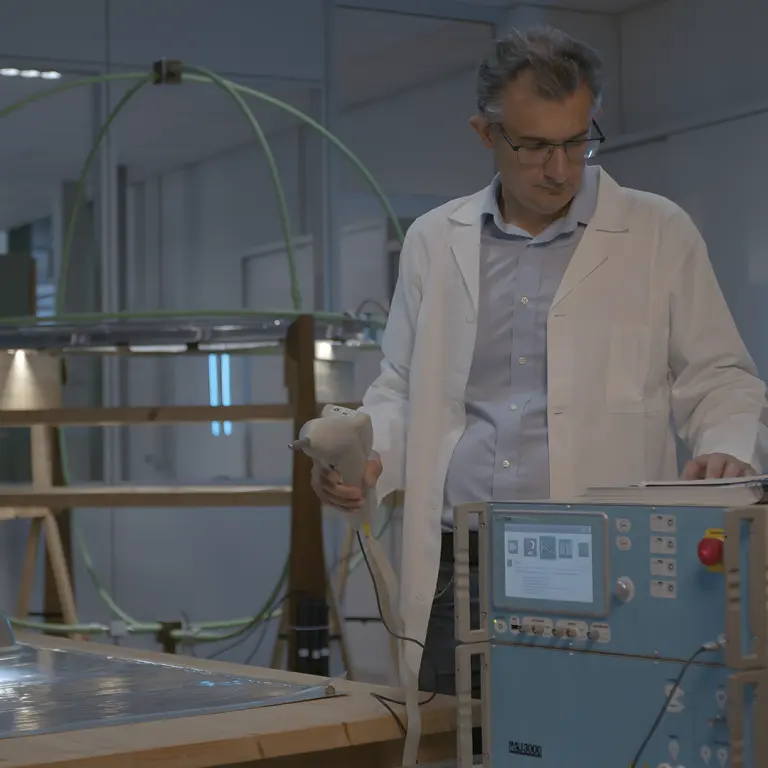
A luminaire installed in an industrial
environment may be exposed to dust, moisture, impacts, temperature changes and
stresses associated with operation. The point is not only to check that it
works initially, but also to consider the conditions in which it will be used.
Testing makes it possible to compare design requirements with measurable
results and identify areas that may need further investigation before
development progresses.
Protection and strength: beyond the codes
IP and IK ratings describe different
characteristics. The IP rating concerns the enclosure’s protection against the
ingress of solid objects and water under the test conditions defined by the
applicable standard. The IK rating indicates the enclosure’s resistance to
external mechanical impacts. Behind these codes are defined test methods.
Understanding them helps professionals make more informed decisions about a
solution’s suitability for a particular application.
The value of a test lies in what it teaches us
A test is not merely a final checkpoint.
Its results can provide practical insights into materials, geometries, joints
and construction choices, enabling an ongoing exchange between the laboratory
and the design team. When unexpected behaviour emerges, testing becomes an
opportunity to investigate its causes and refine the solution. This interaction
between different areas of expertise is where research and development creates
value.
From the laboratory to real environments
Industrial facilities, logistics centres
and other professional settings have different requirements for protection,
safety and continuity of operation. Interpreting test results correctly means
relating technical findings to installation conditions, without treating a
rating as a universal guarantee for every environment. The aim is to support
informed design decisions and the development of products suited to their
intended applications.
The journey continues
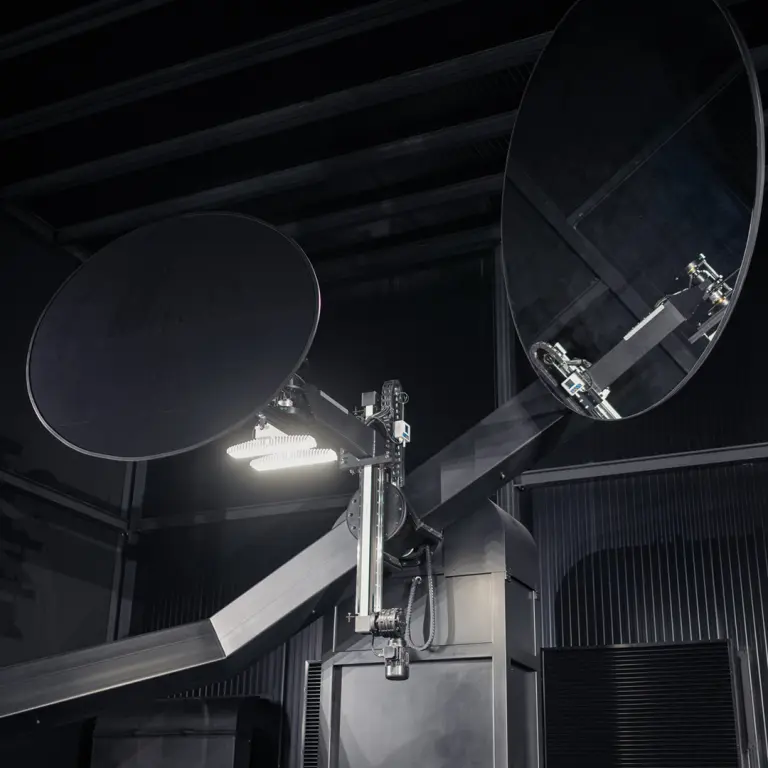
Having explored how the goniophotometer
maps light distribution, we now turn to another dimension of 3F Filippi
know-how: the checks that support luminaire development. In future articles, we
will take a closer look at individual testing methods and what they mean for
lighting design.