Category

Lighting for student housing

A student residence is an office where people sleep and a home where they study until three in the morning, with a hundred flatmates. 3F Filippi LED luminaires with 500 lx on the desk, UGR < 19, Tunable White for the study rooms, vandal-resistant versions for corridors and kitchens and sensors that switch off what nobody is using: the right light for living, studying and balancing the bills.

Request a design for your residence

A building that studies, sleeps and cooks at the same time

A university residence never closes and has no single use: at two in the morning some are sleeping, some are studying in the common room and some are cooking. The rooms are both workstations — with a desk where six hours a day are spent — and bedrooms; the study rooms are libraries open 24 hours; the corridors, kitchens and laundries are spaces shared by hundreds of people who treat them as no office would ever be treated. And whoever pays the bills — the student welfare agency, the university, the private operator — needs an installation that uses little energy and needs no maintenance.

3F Filippi solutions for student housing bring into the same residence the working light of schools and the light of home: efficient, reliable LED luminaires with UGR < 19 and CRI ≥ 80–90 for study rooms and desks, Tunable White versions to support concentration in night sessions and sleep afterwards, IK10 vandal-resistant and IP65 luminaires for corridors, kitchens, bathrooms and laundries, presence and light sensors wherever nobody stays behind to switch off the light.

This page covers university residences and halls of residence. For teaching buildings — classrooms, laboratories, assembly halls, gyms — there is the lighting for schools page; to renew the existing installations of schools and campuses, the school relamping page.

Levels, requirements and solutions for every area of the residence

EN 12464-1 covers study spaces (500 lx on the working plane, UGR < 19), libraries, corridors and service rooms; for the rooms the residential criteria apply, but with the desk treated as a full workstation. The table summarises the values we use as the design basis and the typical 3F Filippi solution for each area.

Area Design illuminance Requirements Typical 3F Filippi solution
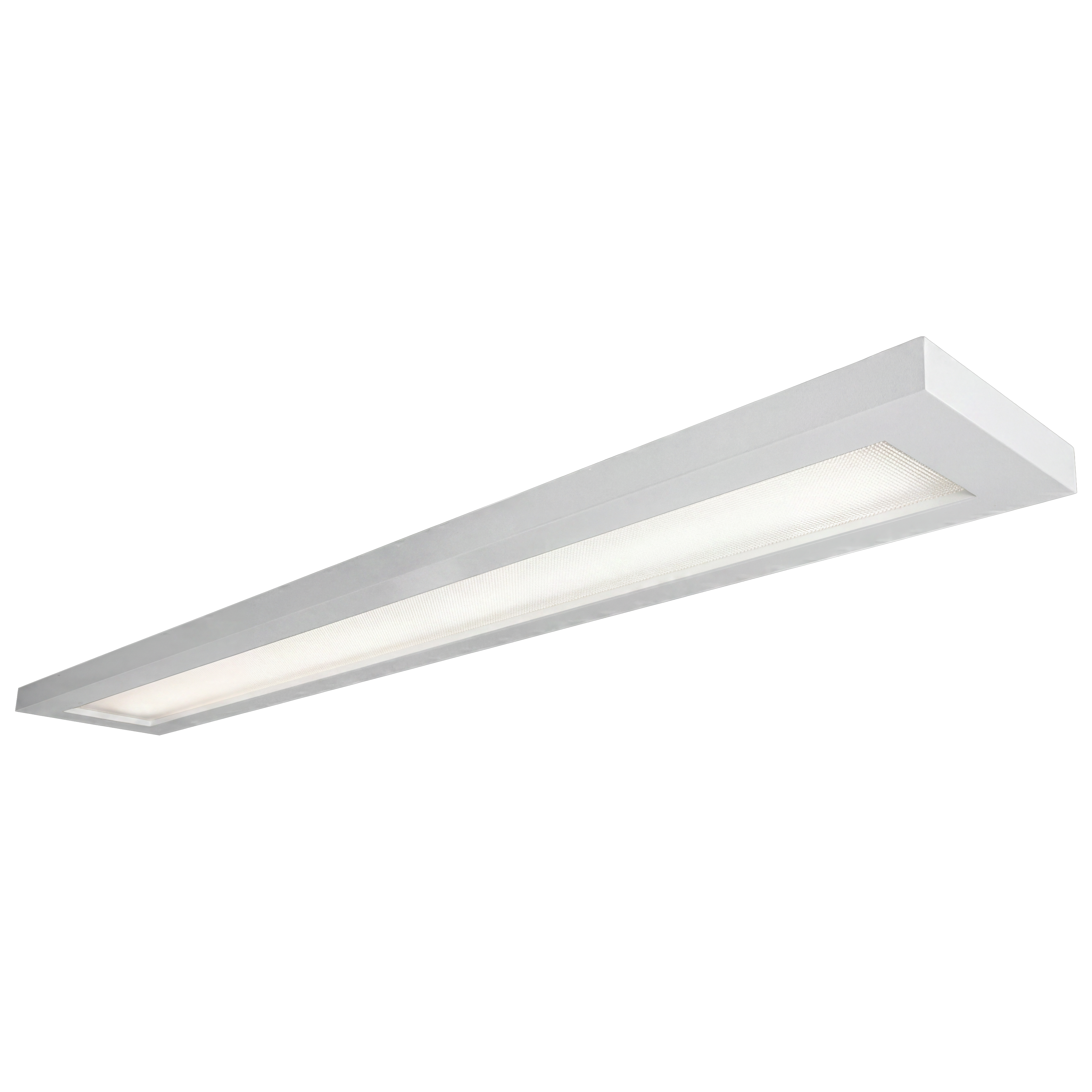
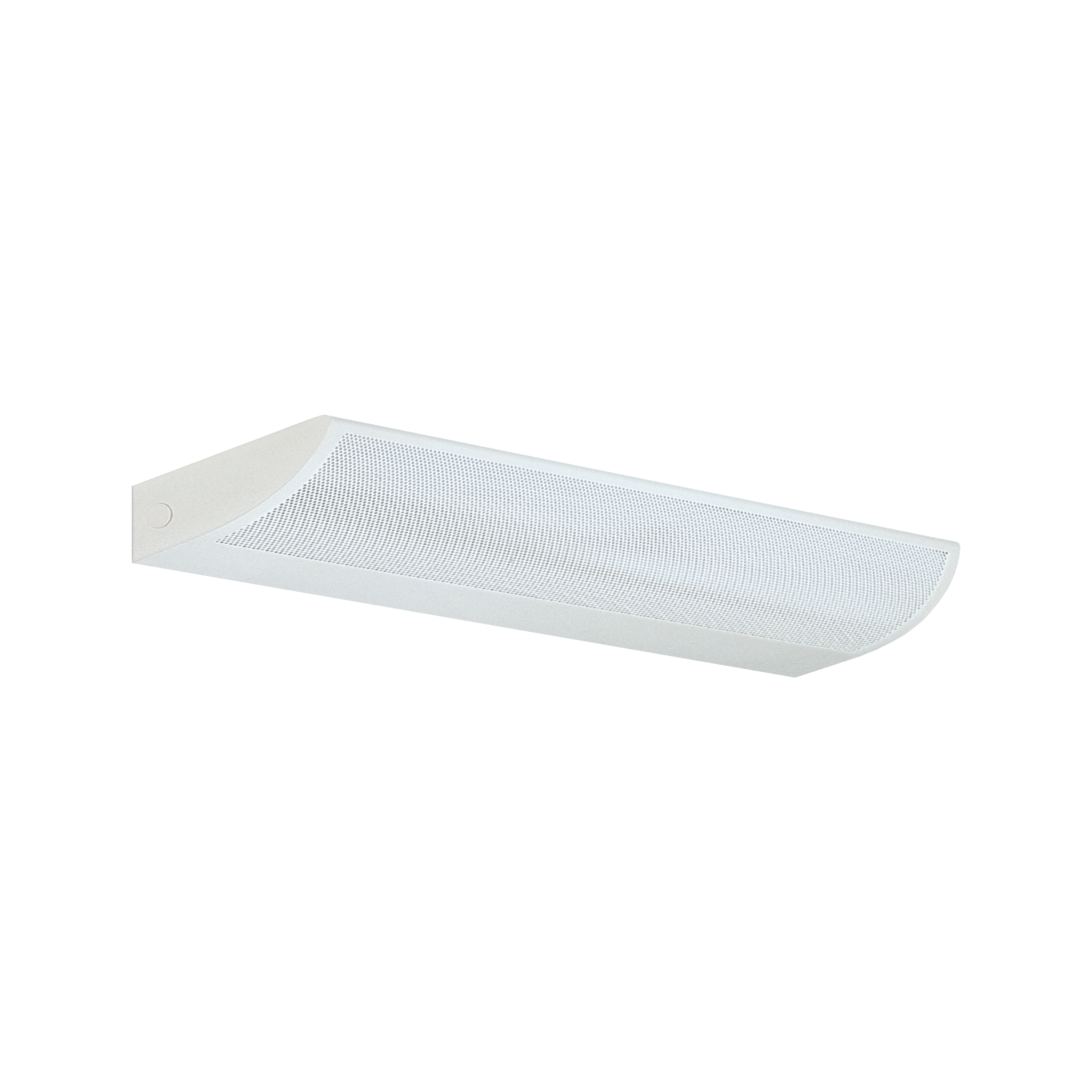
Single and double rooms: general / desk / bed 200 lx / 500 lx on the study surface / 300 lx for reading in bed UGR < 19 at the desk, CRI ≥ 80, 3000–4000 K, separate controls for each place, night light 3F Dìagon P, L 340, Mira Parete, 3F Reno
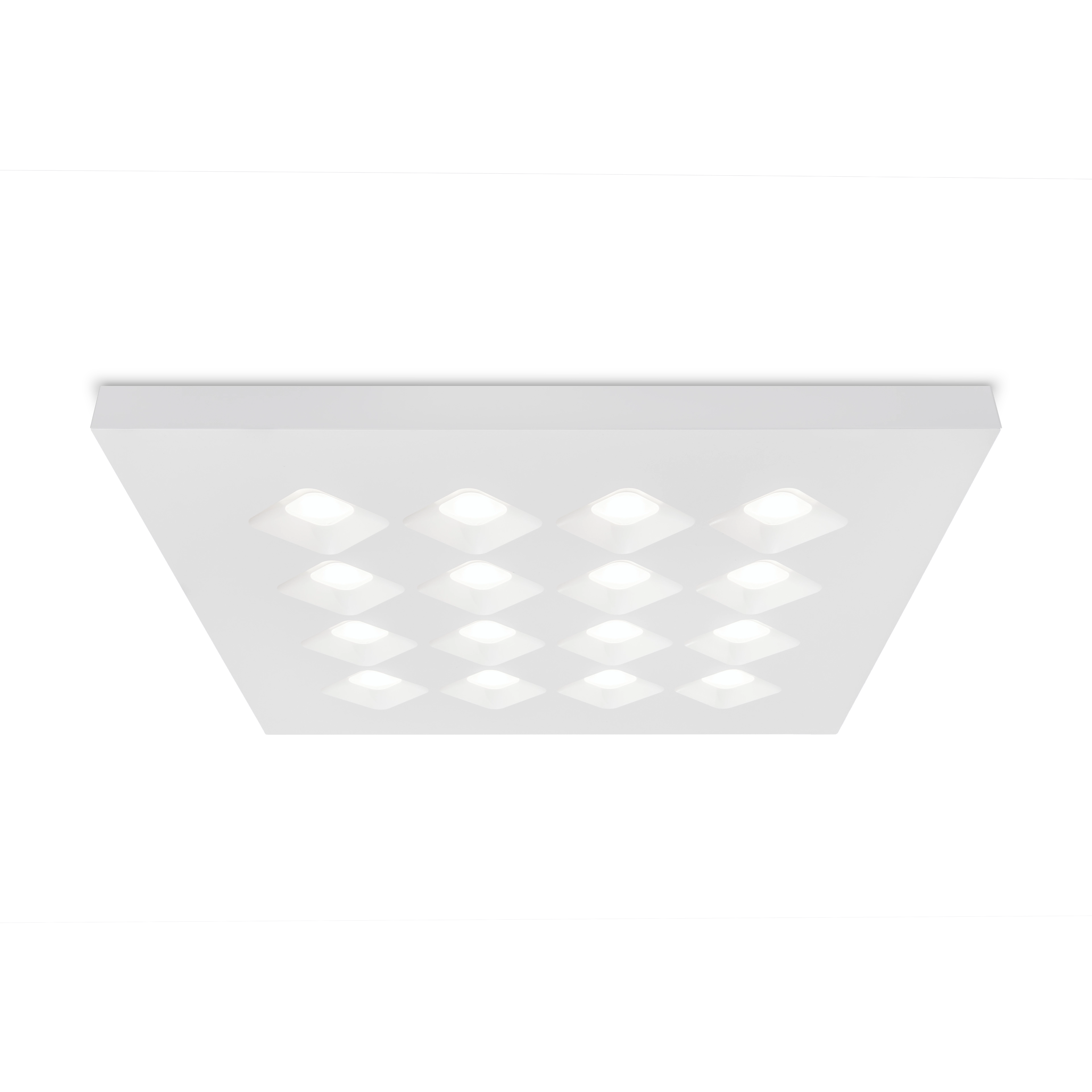
Study rooms and common rooms open 24 hours 500 lx on the tables, uniformity ≥ 0.6 UGR < 19, Tunable White for night sessions, presence by zone, DALI 3F Dìagon P Tunable White, 3F Solo, 3F Millumino, L 360
Library and reading rooms 500 lx on the tables, 200 lx vertical on the shelves CRI ≥ 80, 4000 K, indirect light on the ceilings, presence by zone 3F Trittico, 3F Millumino, 3F Hal, 3F LED Panel
Shared kitchens and dining rooms 300–500 lx on worktops, 200 lx on the tables IP65 over hobs and sinks, CRI ≥ 80, washable, sensor 3F Petra, 3F Petra Sensor, 3F Reno, 3F Hal
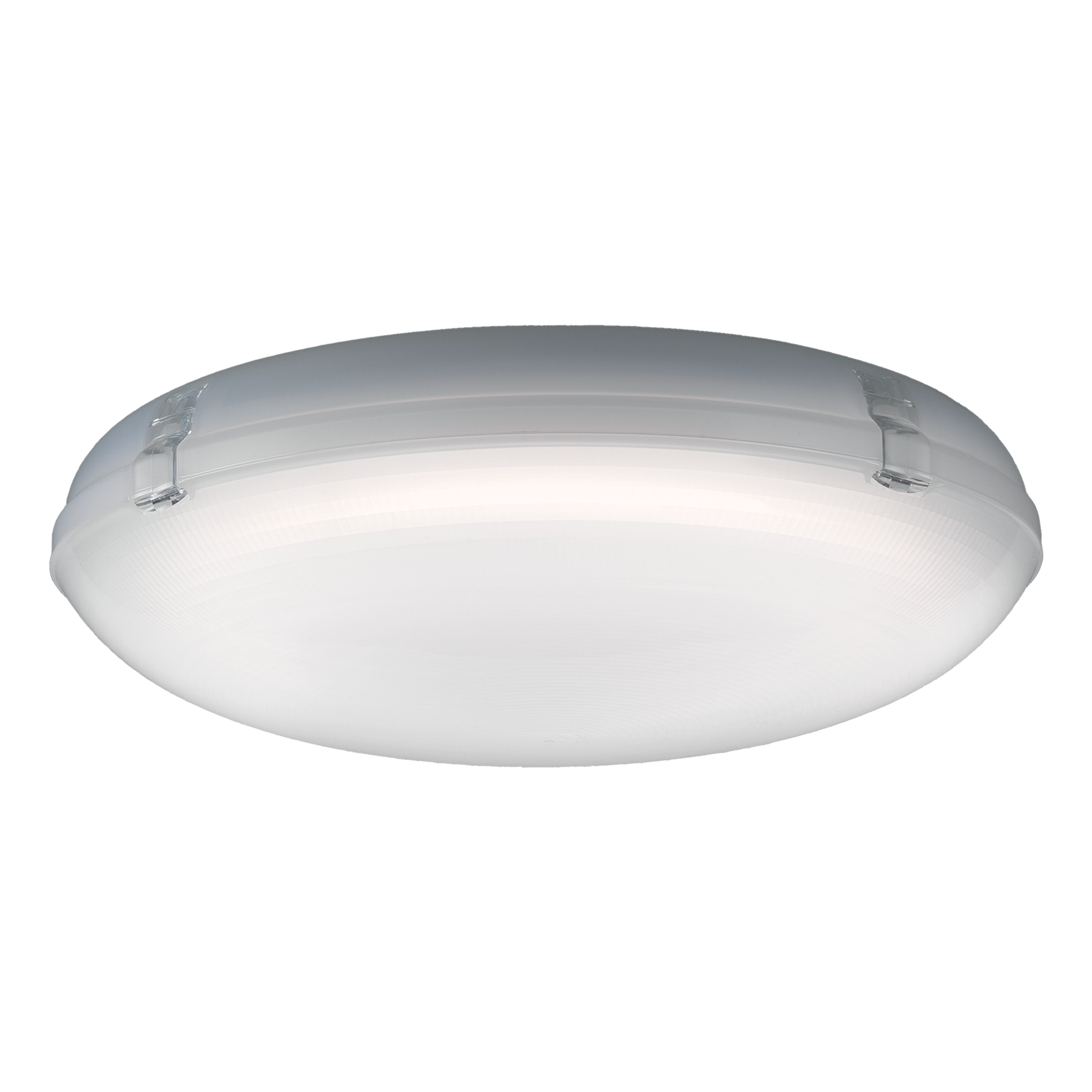
Corridors, stairs and entrances 100–200 lx, 150 lx on stairs IK10 vandal-resistant, integrated emergency, sensors with night standby level Zero 3F, 3F Petra, P 200, 3F Linux
Shared bathrooms, showers and laundries 200 lx, 300 lx at the mirror IP65, IK10, presence sensors, resistance to humidity and detergents 3F Petra, P 200, 3F Linda
Social spaces, TV room, gym Dimmable 200–300 lx DALI scenes, warm 3000 K light, IK08–IK10 3F Hal, 3F Solo, 3F LEM
Reception, porter's lodge and offices 300–500 lx UGR < 19, 4000 K working light, staffed 24/7 3F LED Panel, L 340, 3F Dìagon P
Technical rooms, bike stores and storerooms 100–200 lx IP65, sensors, IK10 in the stores 3F Petra Sensor, 3F Linda, 3F Tank

The desk in the room is the critical point: a ceiling fixture in the middle of the room gives 150 lx on the study surface and a shadow of the hand on the notebook. 500 lx are needed on the surface, with a dedicated luminaire — on the wall above the desk or a directed linear luminaire on the ceiling — controlled separately from the general light and from the room-mate's bed light. And the rule of sensors: in a student residence nobody switches off the light in the kitchens, corridors and laundries; sensors with a night standby level deliver 30–40% of the saving by themselves.

What makes a luminaire fit for a university residence

Three technical requirements a specification for student housing must contain, which 3F Filippi luminaires meet.

Source: study light and home light

High-efficiency LEDs with CRI > 80 and CRI > 90, colour temperatures from 2700 K to 4000 K: neutral white at 4000 K on desks and in study rooms, warm 3000 K in social areas and for the general light of the rooms. Tunable White and HCL versions in study rooms open at night, where cool, intense light supports concentration and warm light prepares for sleep after the session. UGR < 19 for maximum visual comfort on study surfaces, with low-luminance microprismatic screens. Initial colour tolerance SDCM 3, low-flicker drivers for those who spend hours in front of a screen.

Materials for a hundred flatmates

Housings in sheet steel or painted extruded aluminium, diffusers and screens in microprismatic polycarbonate for accurate luminance control — and to withstand balls, backpacks, furniture moves and parties. IK08–IK10 vandal-resistant versions for corridors, stairs, kitchens, bathrooms and bike stores, IP65 for showers, laundries and kitchens, closed luminaires with no parts removable without tools in the common rooms, and domestic finishes in the rooms and social spaces.

Standards, controls and building management

Luminaires compliant with EN 60598-1 and EN 12464-1 for work and study spaces, with integrated emergency to EN 60598-2-22 on corridors, stairs and escape routes of a building where hundreds of people sleep. DALI readiness and presence and light sensors in common rooms, night standby levels in corridors, integration with the building management and access control systems of the residence; compliance with green public procurement criteria for publicly funded residences.

What changes in a well-lit student residence

The four benefits that student welfare agencies, operators and students report with 3F Filippi luminaires.

500 lx illuminance on the study surface, in the room and in the common rooms
UGR 19 glare limit at desks and in study rooms
IK10 impact resistance of the luminaires in common rooms
24/7 a building that never closes: controls and sensors make the difference

Visual comfort where people study

Advanced optics and reduced glare on desks and in study rooms: 500 lx on the working plane without reflections on screens, uniform light that does not tire in long sessions. The comfort students find in the library, in their room too.

Concentration and sleep-wake rhythm

Uniform light, correct colour rendering and the option of dynamic lighting: in study rooms Tunable White supports attention at night, while in the rooms and social areas the warm evening light helps people sleep in a building where they tend not to.

Lower consumption in a building lit 24 hours a day

Latest-generation LED systems and presence and light sensors in the common rooms: −60% compared with fluorescent, over 80% with controls in corridors, kitchens and laundries where nobody switches off. For whoever runs the residence it is the largest saving after heating.

Reliability and durability with a hundred flatmates

Robust materials, IK10 versions and minimal maintenance: in a student residence a broken luminaire in a corridor is the rule, not the exception, and every intervention means entering occupied spaces. 3F Filippi luminaires last as long as the residence's life cycle.

The areas of the residence we design for

  • Single and double rooms — warm general light, 500 lx on the desk with a dedicated luminaire, separate bed light for each place, night light.
  • Study rooms and common rooms — 500 lx on the tables, UGR < 19, Tunable White for night sessions, presence by zone.
  • Libraries and reading rooms — light on tables and shelves, indirect-light pendants, silence in the drivers too.
  • Shared kitchens and dining rooms — IP65 over the hobs, washable luminaires, sensors with timer.
  • Corridors, stairs and entrances — IK10, integrated emergency, night standby, 150 lx on stairs.
  • Shared bathrooms, showers and laundries — IP65 and IK10, presence sensors, resistance to humidity and detergents.
  • Social spaces, TV room, gym and courtyards — DALI scenes, warm light, vandal-resistant luminaires also in covered outdoor areas.
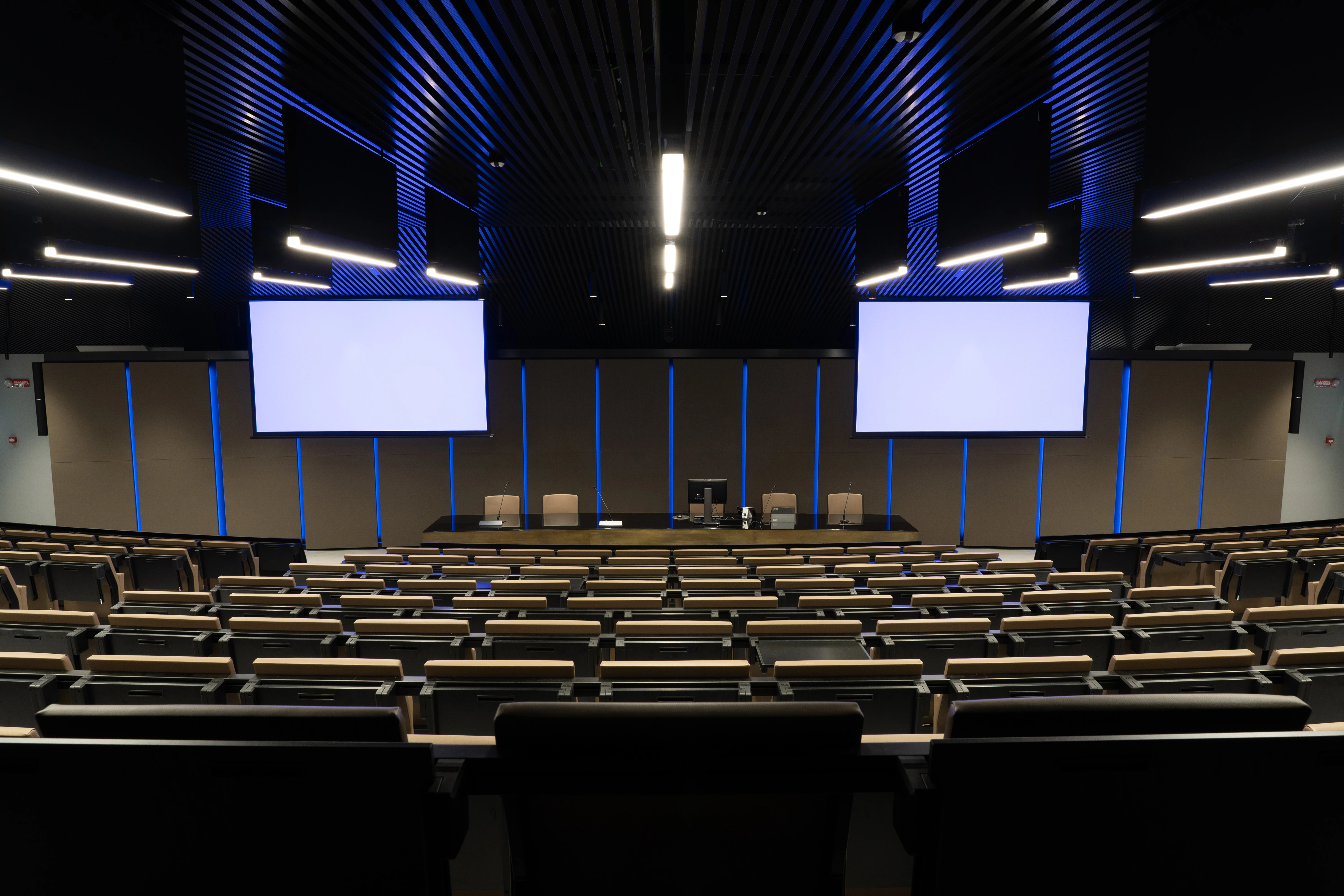
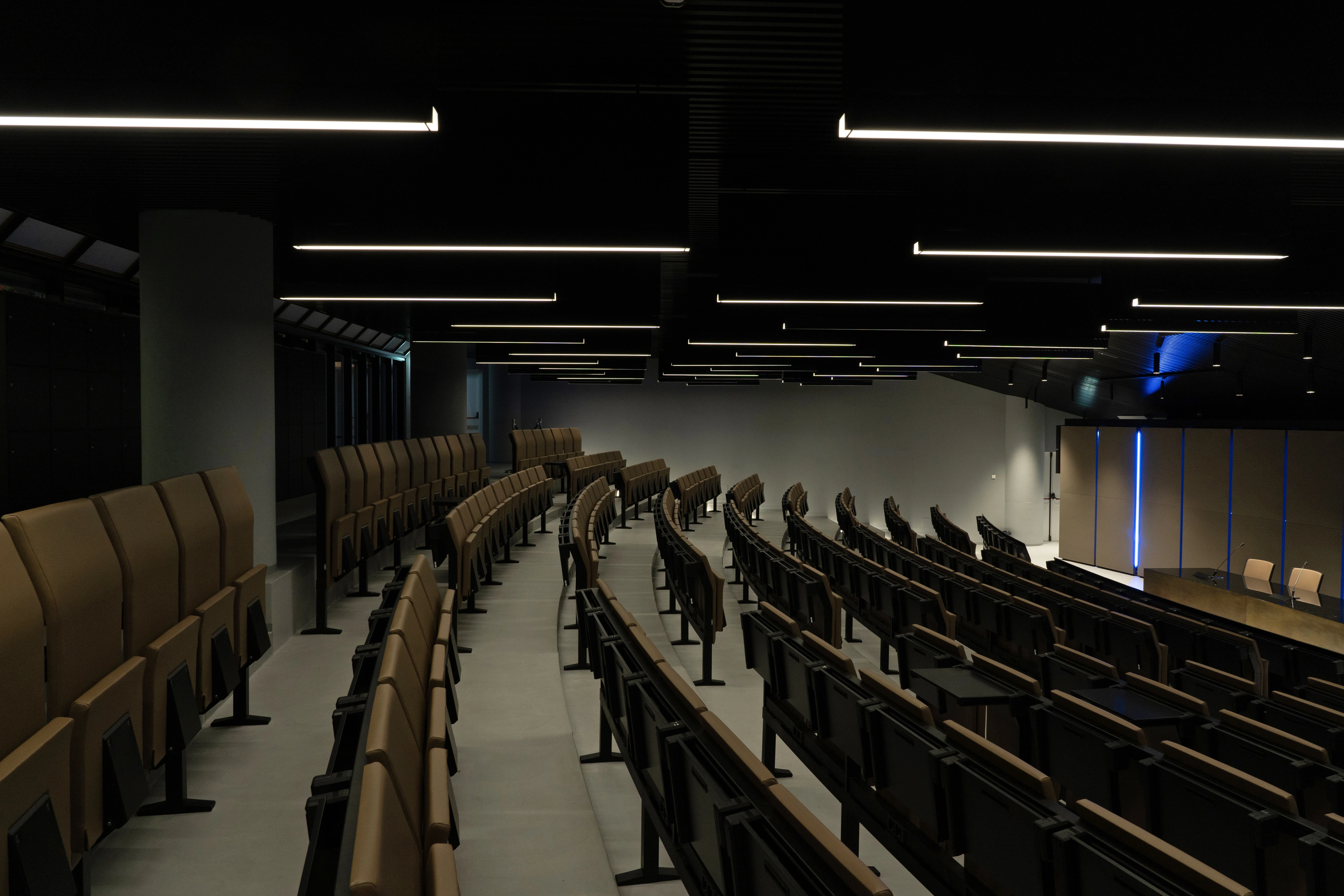
Study room of the Faculty of Law of the University of Perugia lit with 3F Filippi LED luminaires
UNIPG, Faculty of Law: study rooms and common areas with 3F Filippi LED luminaires, uniform light on the tables and controlled glare — the same criteria as the study rooms of a student residence.

3F Filippi ranges for university residences

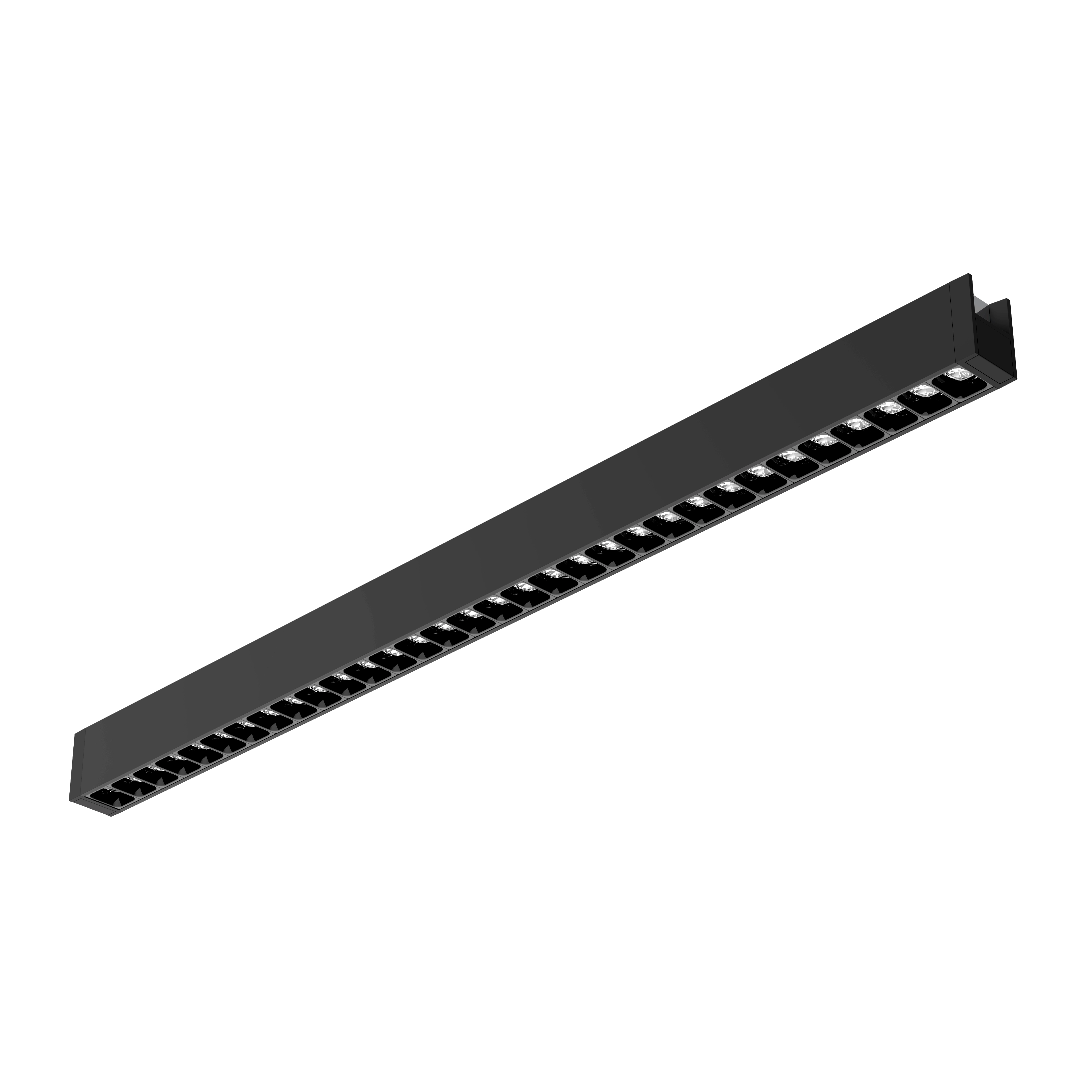
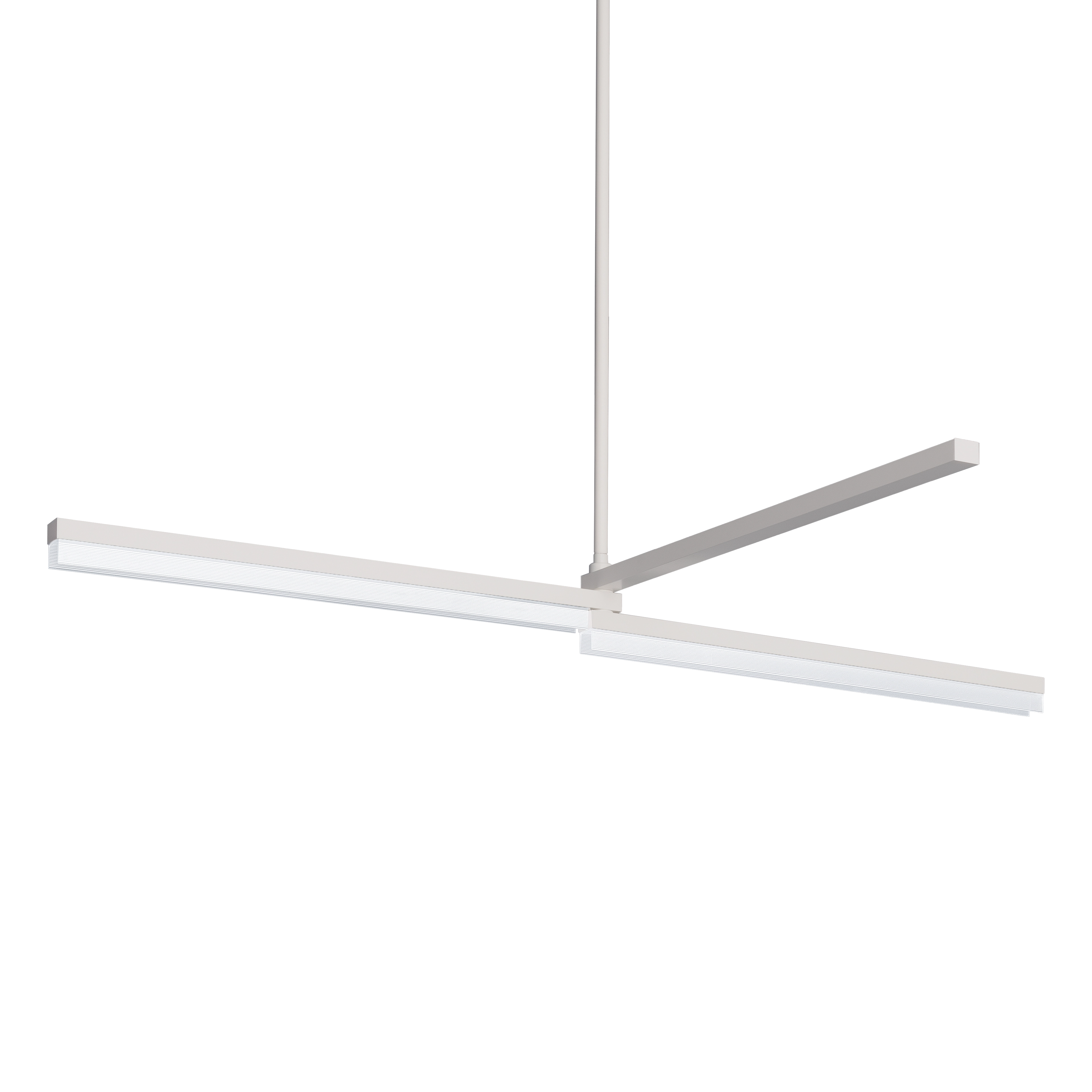
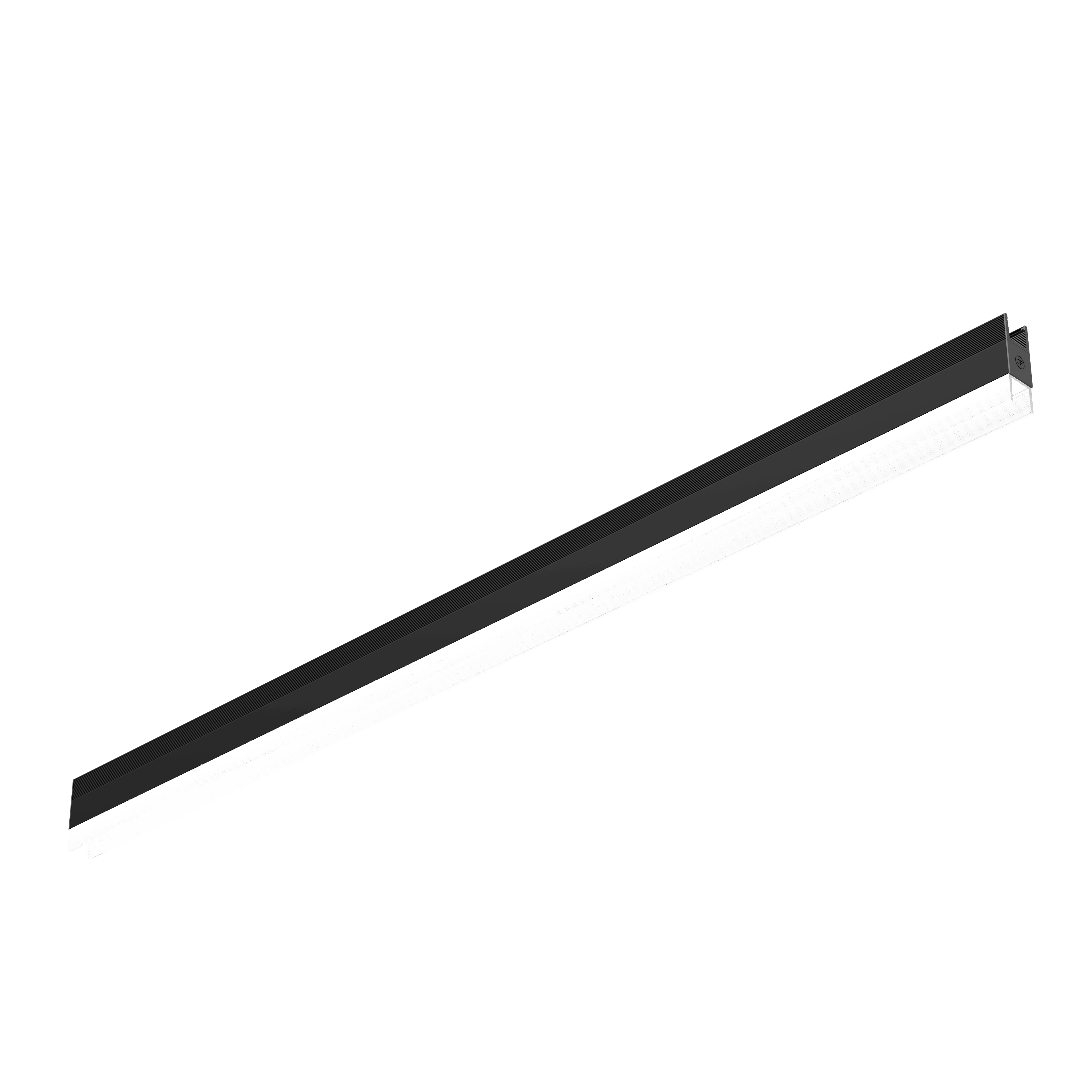
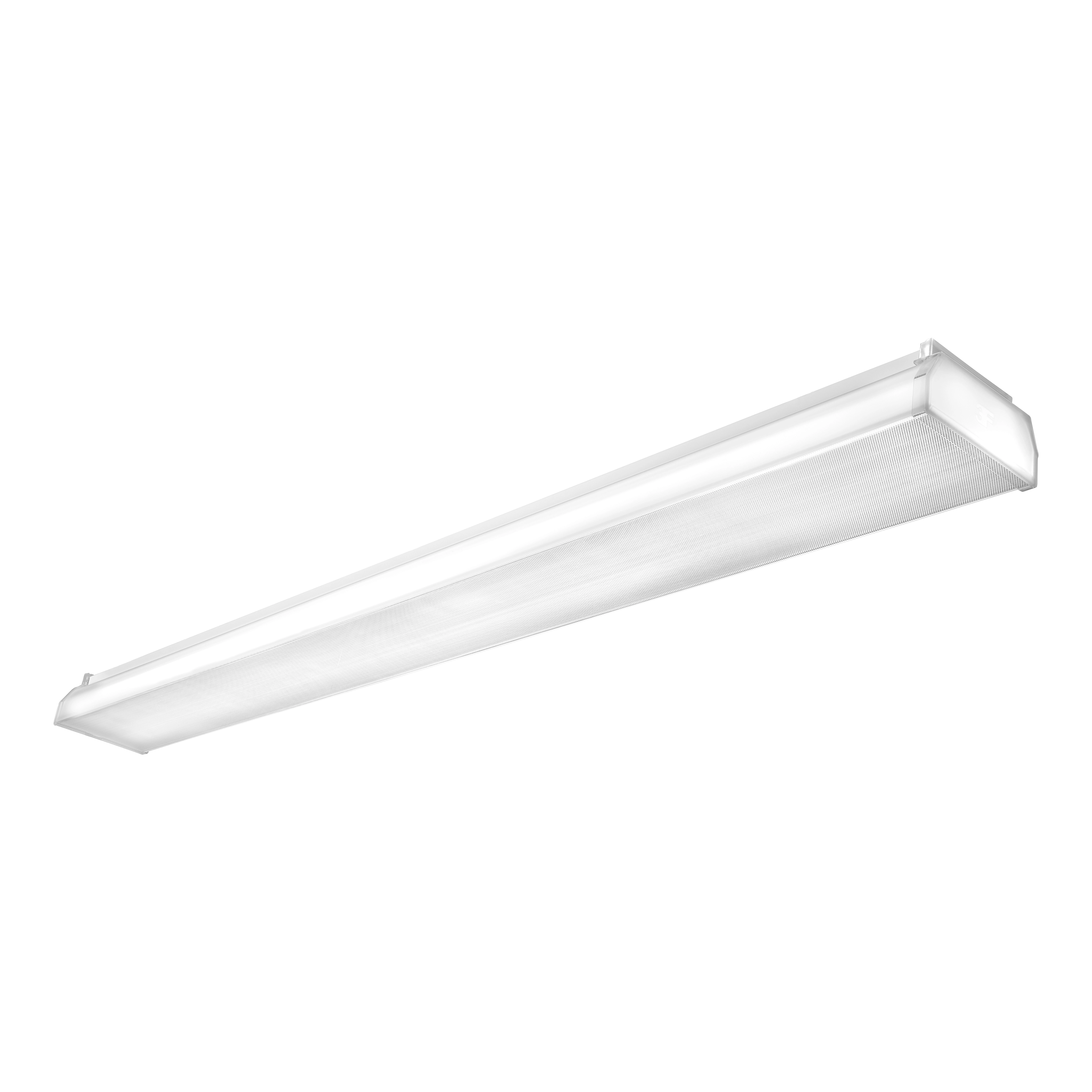
Low-luminance ceiling and recessed luminaires, also Tunable White, for rooms and study rooms; direct/indirect pendants for libraries and common rooms; wall luminaires for desks and beds; waterproof and vandal-resistant luminaires for kitchens, bathrooms, laundries, corridors and stores. The range pages give versions, IP and IK ratings, integrated sensors and files for lighting calculation.

Browse all ranges

Universities and educational facilities lit by 3F Filippi

A university faculty and a foundation dedicated to culture and inclusion: two places where the light accompanies study, meeting and daily life.

Frequently asked questions about lighting for student housing

What requirements must the lighting of a student residence meet?

Those of a study space and those of a home together. On the desks in the rooms and the tables of the study rooms, lighting must guarantee 500 lx, UGR < 19 and uniform distribution, with adequate colour rendering (CRI ≥ 80) to support prolonged study; in the rooms, warm general light, a separate bed light for each place and night light are needed; in the common rooms — corridors, kitchens, bathrooms, laundries — IK10 vandal-resistant luminaires, IP65 where there is water, presence sensors and integrated emergency on escape routes. For publicly funded residences, green procurement criteria also apply.

Can dynamic lighting systems be used in study rooms?

Yes. 3F Filippi Tunable White solutions allow the colour temperature to be adapted during the day, supporting attention, wellbeing and a more stimulating environment for students. In a study room open 24 hours the curve differs from that of a classroom: neutral, intense light by day, cool and intense in the early evening to support concentration, then progressively warmer and lower after midnight, so as not to shift further the sleep-wake rhythm of those studying late. The curve is automatic, with the option of recalling an "exam" scene on demand.

Do LED solutions reduce the running costs of a university residence?

Yes. LEDs guarantee low consumption, long life and less need for maintenance, and are ideal for facilities with intensive, continuous use such as student residences. Compared with fluorescent, lighting consumption drops by 60%; presence sensors in corridors, kitchens, bathrooms and laundries — where in a student residence the light stays on all night — add another 30–40%. Maintenance, which means entering occupied spaces, is reduced to rare, plannable interventions.

How is a double room in a student residence lit?

With three lights for each place and one shared. The general light, warm and uniform, from a low-luminance ceiling luminaire, controlled from the door. The desk light, 500 lx on the surface, from a dedicated luminaire on the wall or on the ceiling directed at the table, with its own switch: whoever studies must not switch on the whole room. The bed light, 300 lx for reading, on the wall, adjustable and controlled from the bed, with limited luminance towards the other place. And a night light on the floor towards the bathroom. The two places have independent controls, so that one can study while the other sleeps.

How is light managed in common rooms where nobody switches it off?

With presence sensors integrated in the luminaires and with standby levels. In kitchens, bathrooms, laundries and stores the light switches on at entry and off after a time set on the use — longer in the kitchen, short in the stores. In corridors and stairs, which must remain passable at night, sensors do not switch off but bring the light to a standby level of 10–20%, rising to 100% as someone passes. Study rooms use presence by zone, so that one occupied table at three in the morning does not keep the whole room lit. It is the strategy that makes the difference between a residence that consumes like an office and one that consumes like an apartment block.

How robust must the luminaires in a student residence be?

In the common rooms, as robust as possible. Corridors, stairs, kitchens, bathrooms and bike stores require IK10 luminaires — the highest impact resistance rating — closed, with no parts removable without tools, with polycarbonate rather than glass screens; showers, laundries and hobs also need IP65. In the rooms and social spaces luminaires with domestic finishes can be used, provided they have washable surfaces and no fragile parts. The practical rule: where backpacks, balls, bicycles and house moves pass, the luminaire must survive all four.

Let us design the light for your university residence

Floor plans, room types and opening hours of the common rooms: our technical department prepares the lighting design with levels, UGR, desk lighting, sensors and scenes, and the luminaire schedule. No obligation, also for tenders and specifications.