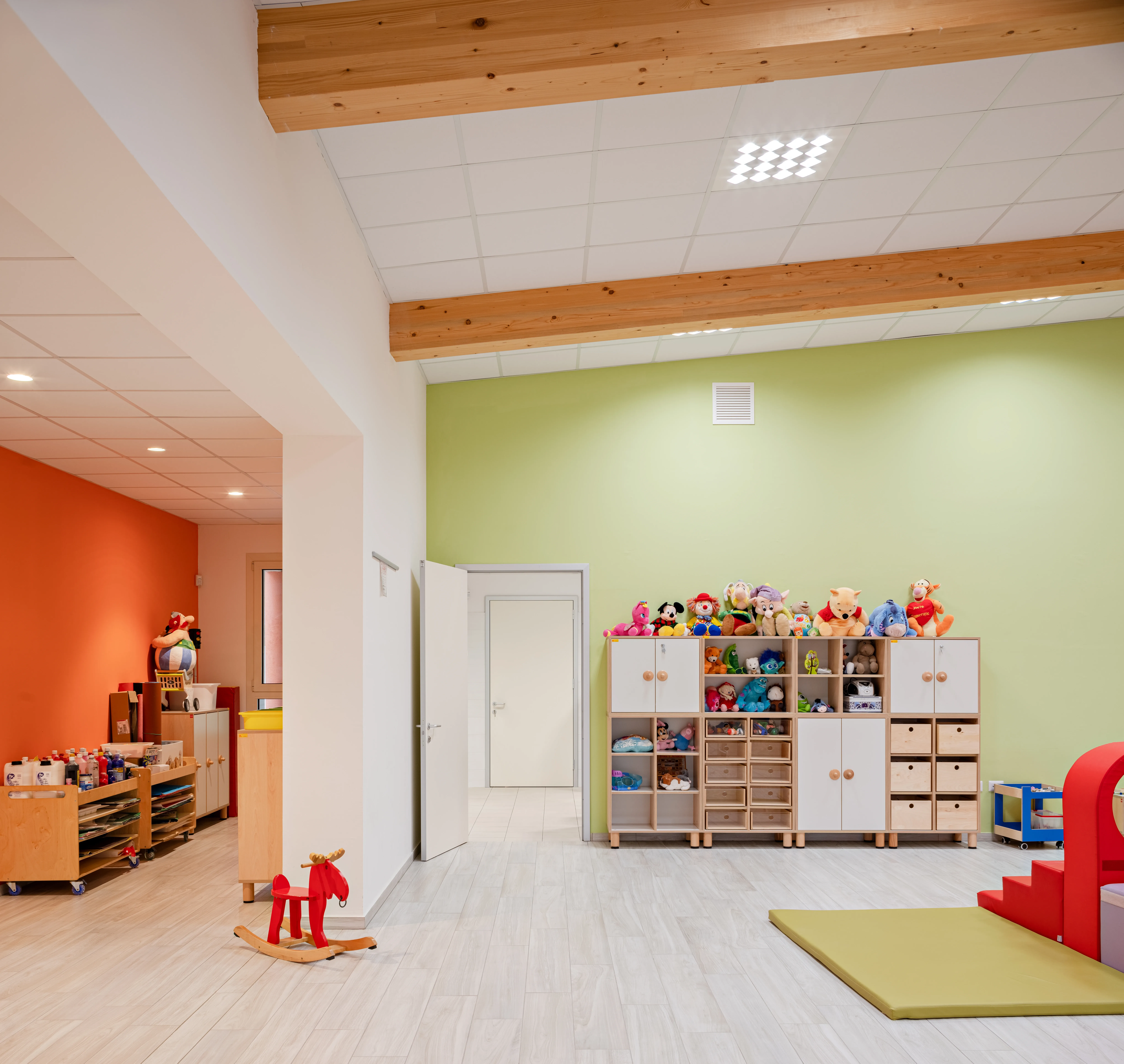
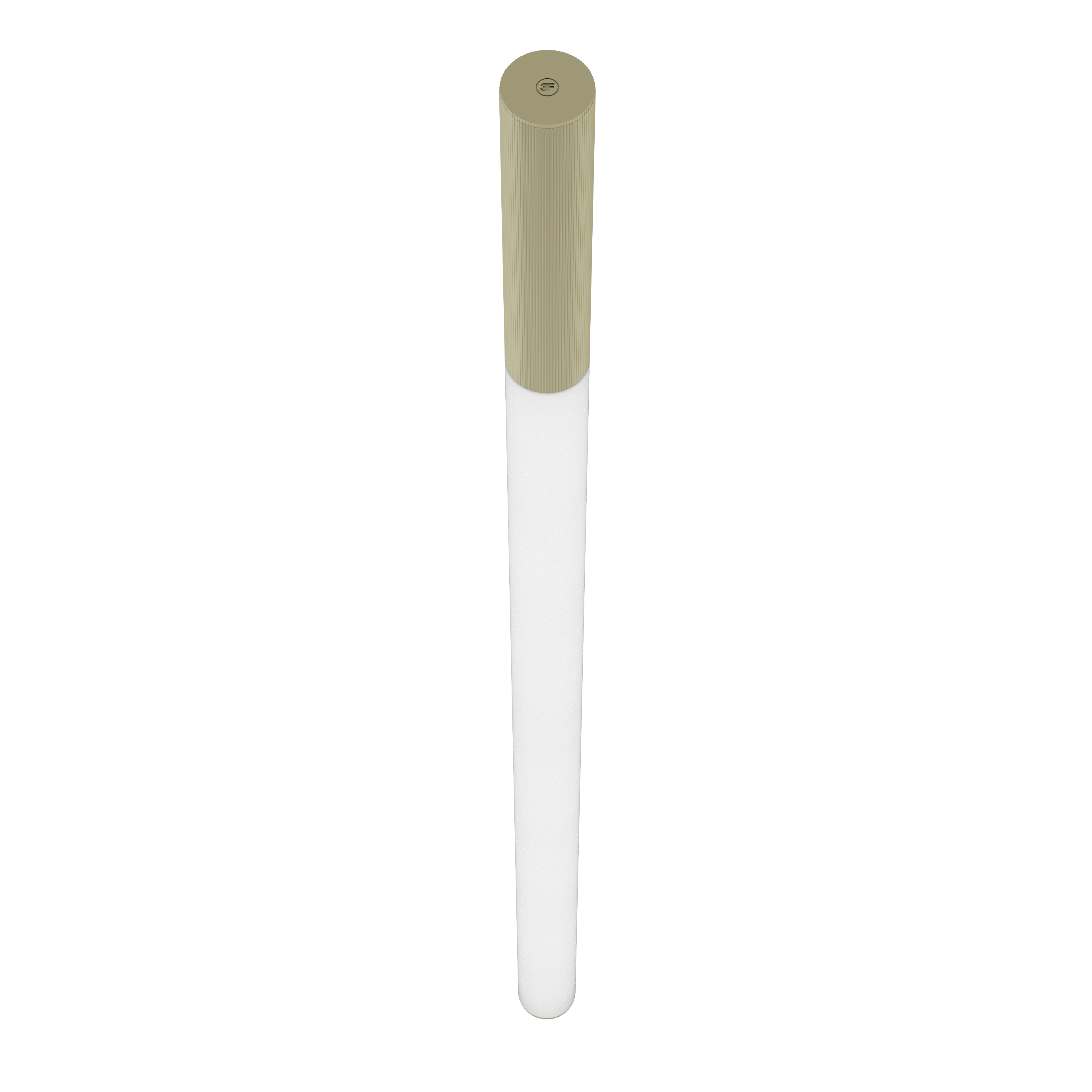
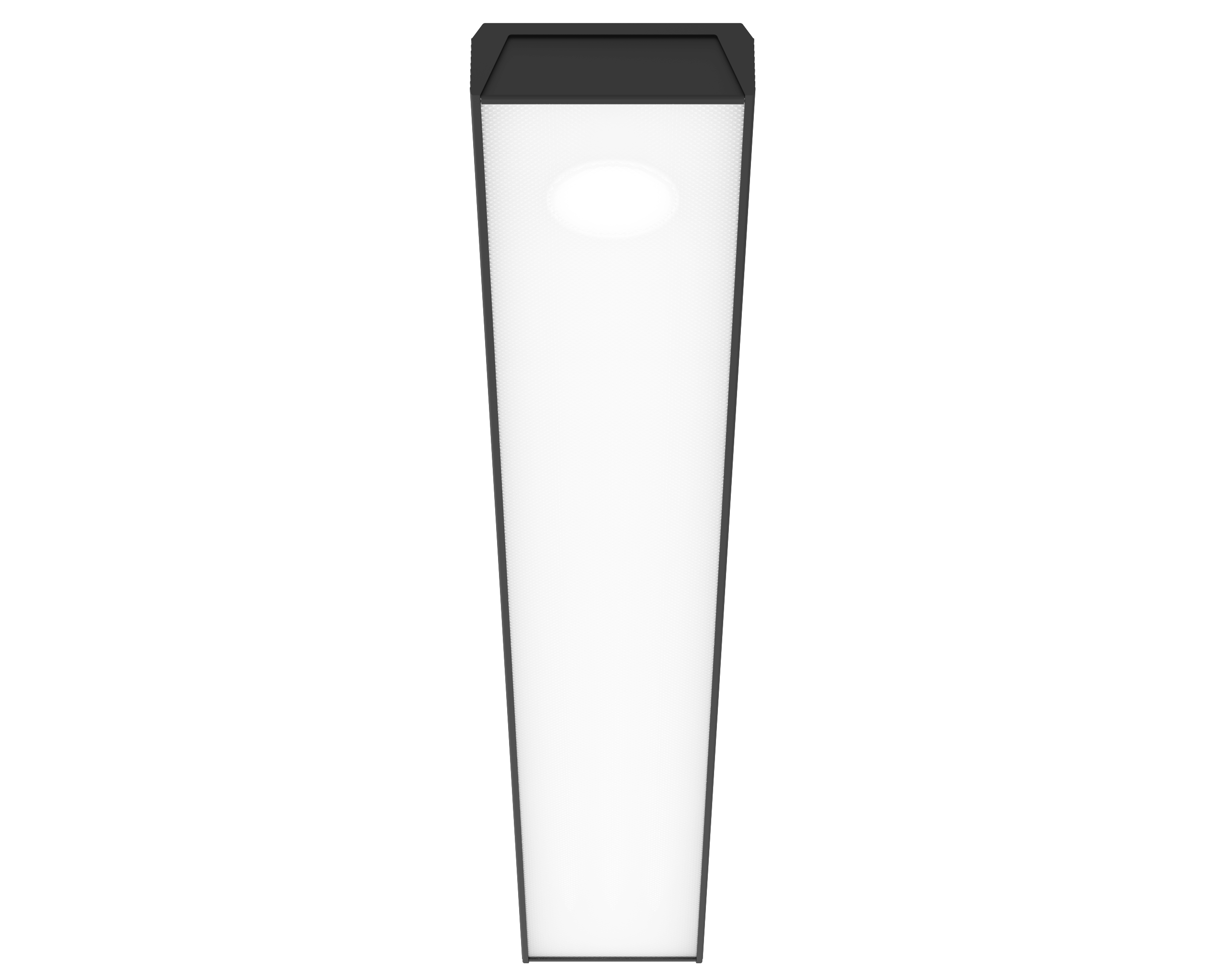
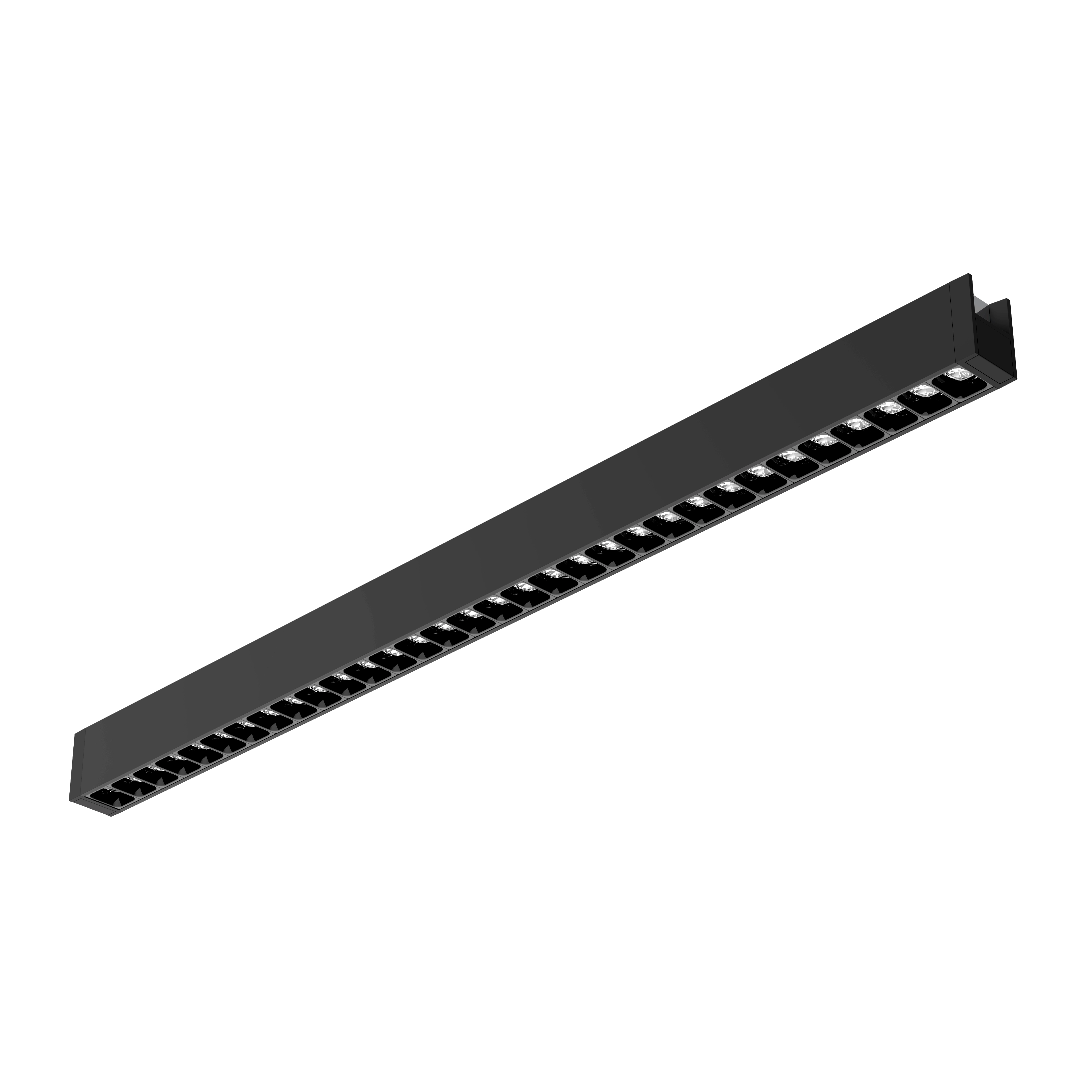
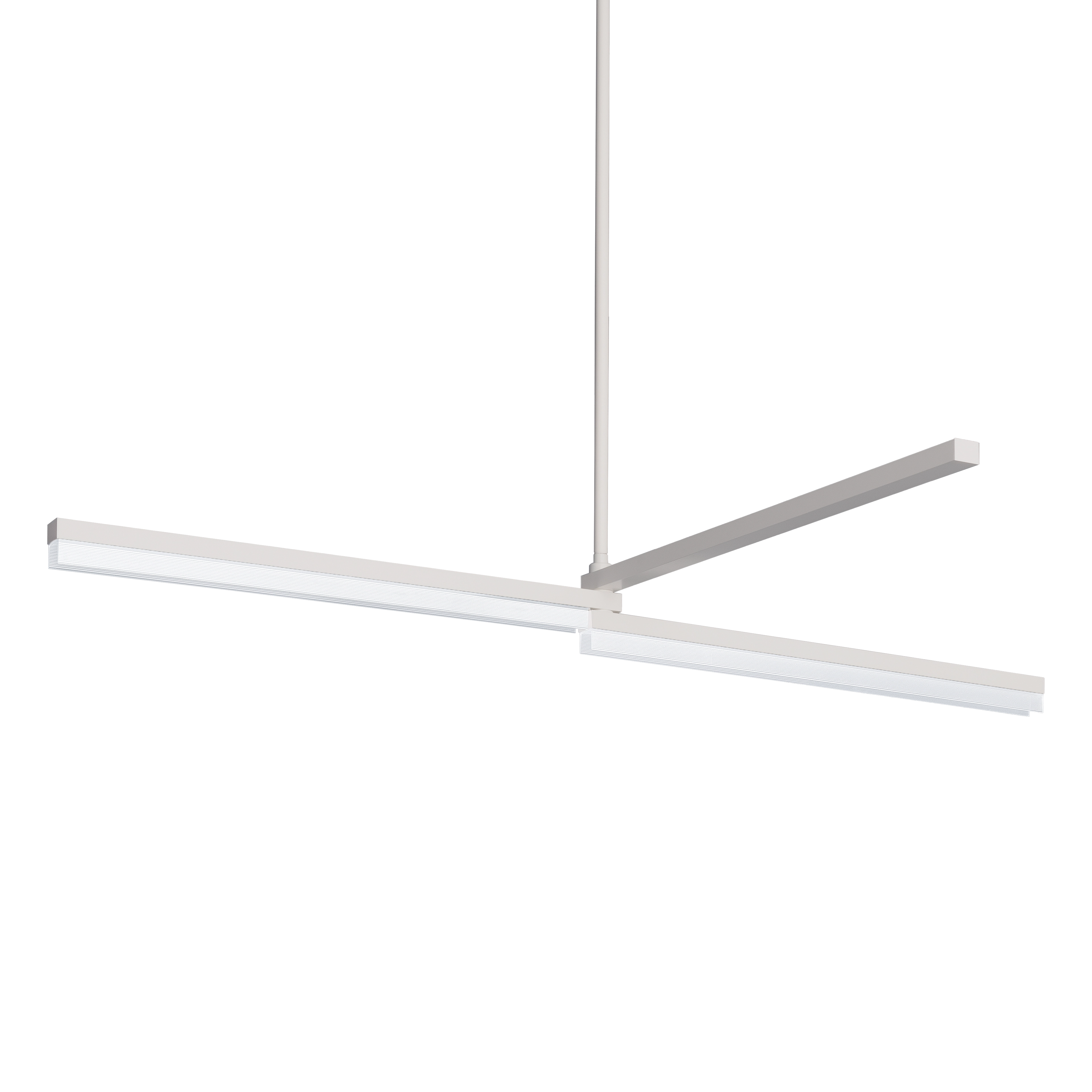
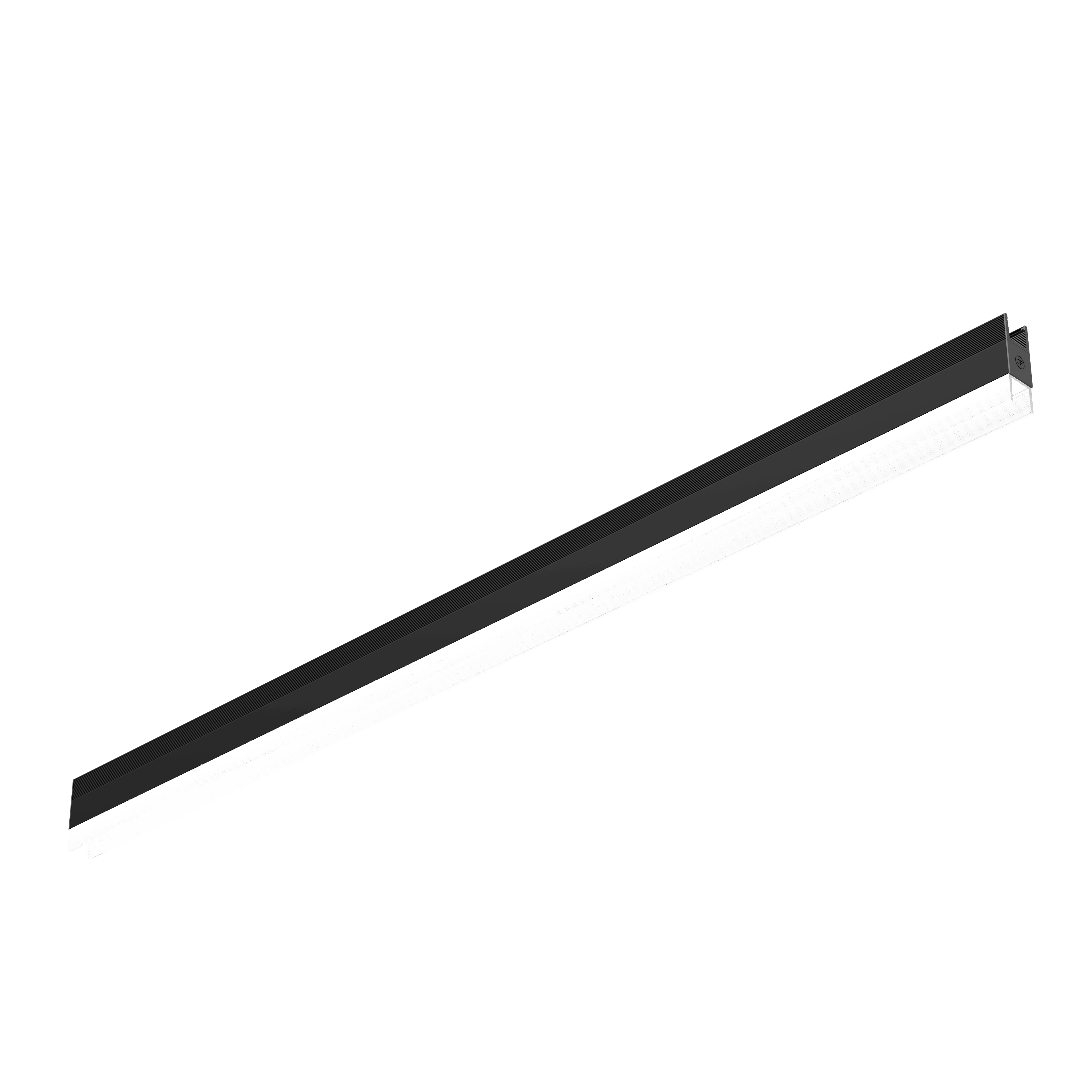
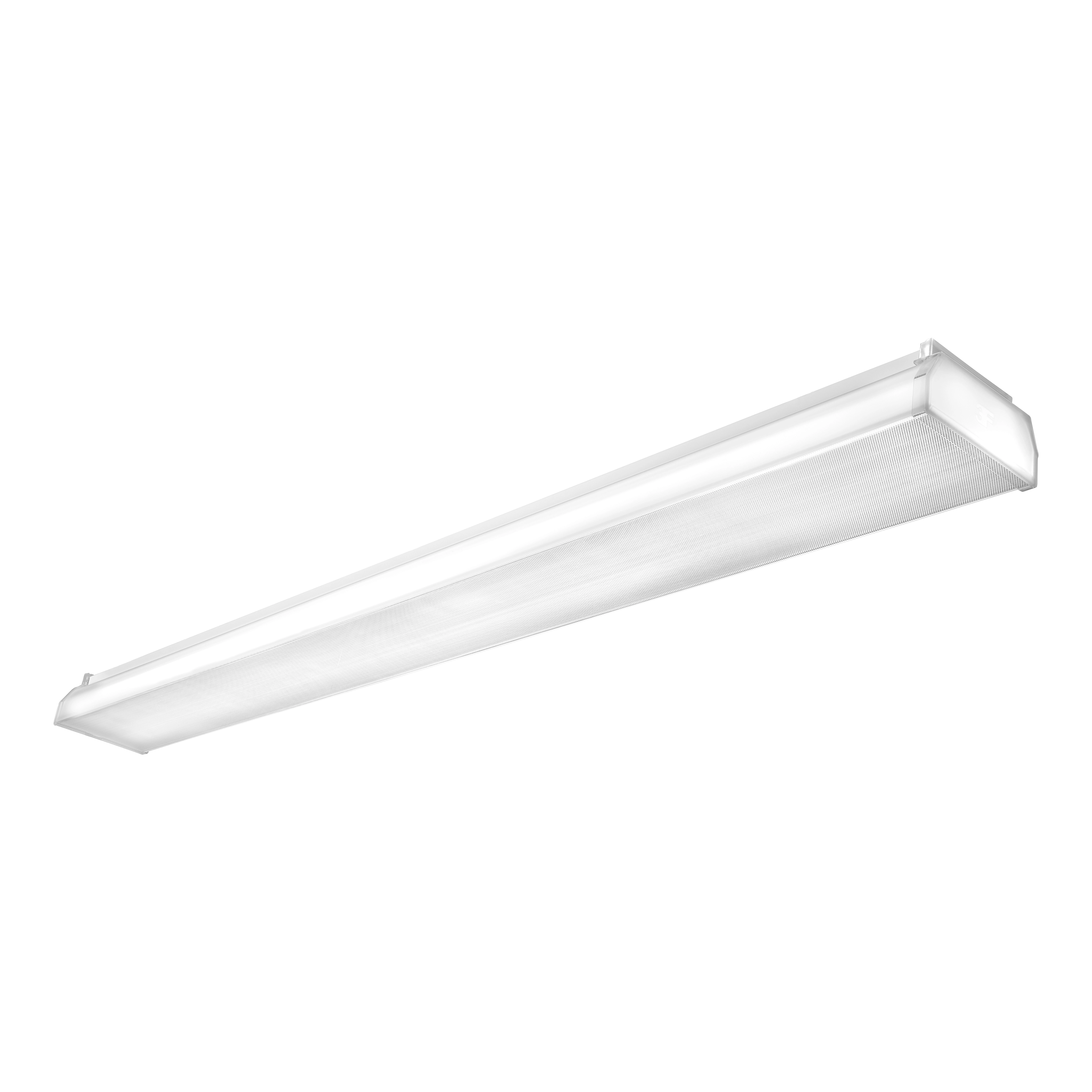
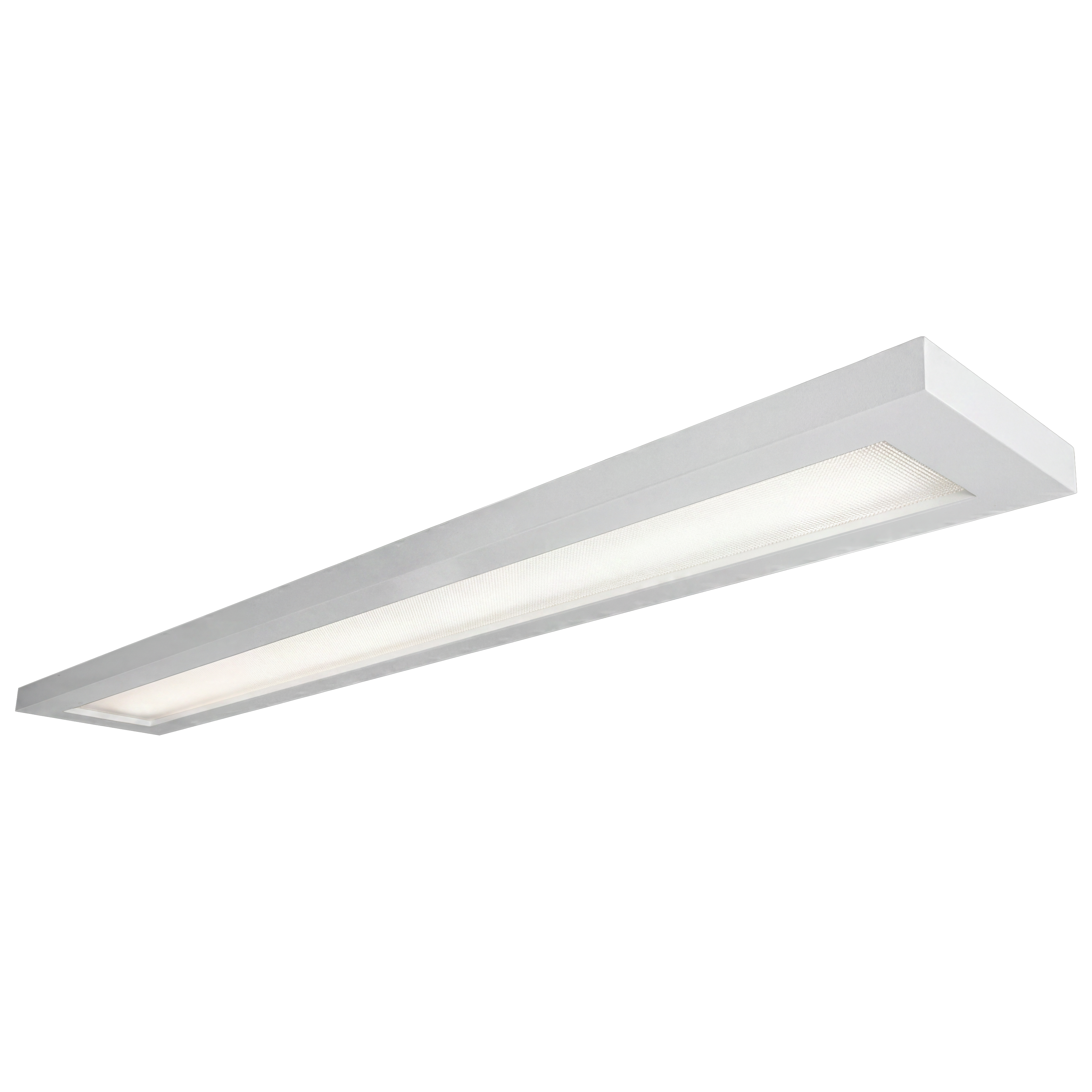
In a classroom, light does three jobs at once: it lights the desks where pupils read and write, it lights the whiteboard — vertical, three metres away, often glossy — and it must dazzle neither those looking at the board nor those looking at the class. Add interactive screens, windows on one side only, the eyes of children and teenagers more sensitive than adults', and eight hours a day of occupancy: school lighting is one of the most demanding tasks in lighting design, and one of the most neglected. The learning research is clear: uniform, glare-free light at the right colour temperature improves attention, reading speed and classroom behaviour.
3F Filippi solutions for schools guarantee visual comfort, safety and light quality to support the learning, concentration and wellbeing of students and teachers: efficient, reliable LED luminaires compliant with the standards for classrooms, laboratories, corridors and common areas, with UGR < 19, colour rendering CRI ≥ 80–90, Tunable White and HCL versions to adapt the light to the rhythm of the school day, high IK ratings for corridors and gyms, and compliance with the green public procurement criteria that public tenders for school buildings require.
This is the reference page of the education group. For university residences, with rooms, shared kitchens and study rooms, there is the lighting for student housing page; for the renewal of existing installations, often financed by public funds, the school relamping page.
EN 12464-1 devotes a specific section to educational buildings, with different values for nursery, primary and secondary classrooms, adult and evening classrooms, whiteboards, laboratories and gyms. The table summarises the values we use as the design basis and the typical 3F Filippi solution for each space. In Italy the CAM green procurement criteria for public buildings add requirements on luminaire efficiency, controls and materials; other countries have equivalent green procurement rules.
| Space | Illuminance (EN 12464-1) | Max UGR | Requirements | Typical 3F Filippi solution |
|---|---|---|---|---|
| Primary and secondary classrooms | 300 lx on desks, 500 lx for evening and adult classes | 19 | CRI ≥ 80, 3000–4000 K, uniformity ≥ 0.6, Tunable White where the day is to be followed | 3F Dìagon P, L 340, 3F LED Panel, 3F Solo |
| Whiteboard and interactive screen | 500 lx on the vertical plane | 19 | Dedicated asymmetric luminaire, no reflection on the glossy surface, separate control | 3F Zeta with asymmetric optic, 3F Travetta, Zero 3F |
| Nursery and pre-school rooms | 300 lx, 500 lx on activity tables | 19 | CRI ≥ 90, 3000 K, warm indirect light, IK08 for play | 3F Solo direct/indirect, 3F Hal, 3F Dìagon P |
| Teaching laboratories and drawing rooms | 500 lx, 750 lx on technical drawing benches | 19 | CRI ≥ 90, 4000–5000 K, IP65 in chemistry labs and workshops | L 340, 3F Eldorado, 3F LED Panel, 3F Petra |
| Assembly hall and auditorium | Dimmable 500 lx, scenes for projection | 19 | DALI with scenes, separate stage and audience light | 3F Hal, 3F Dìagon P, 3F Reno, Binario 3F |
| Libraries and study rooms | 500 lx on tables, 200 lx on vertical shelves | 19 | CRI ≥ 80, 4000 K, presence by zone | 3F Millumino, 3F Solo, 3F Trittico, L 360 |
| Gyms and school sports halls | 300 lx training, 500 lx school competitions | 22 | IK10 ball-proof, IP40–IP65, no luminaire in the field of play | 3F Linda, 3F LEM, 3F Tank, 3F Linux L |
| Corridors, stairs and circulation areas | 100–200 lx, 150 lx on stairs | 25 | IK10 vandal-resistant, integrated emergency, presence sensors | Zero 3F, 3F Petra Sensor, P 200, 3F Linux |
| Canteens and break areas | 200–300 lx on tables | 22 | CRI ≥ 80, 3000 K, washable, sensors | 3F Petra, 3F Hal, 3F Reno |
The whiteboard is the most common mistake: lit by the same luminaires as the classroom, it stays in shadow or reflects. It needs a dedicated luminaire with an asymmetric optic, mounted 1–1.5 m from the wall, that brings 500 lx onto the vertical plane without creating reflections on interactive screens. The second rule is orientation to the windows: rows of luminaires parallel to the window wall, controlled separately, so that the row near the windows dims by day and the far row stays on. With light sensors it does so by itself, and green procurement rules require it.
Three technical requirements a specification for school buildings must contain, which 3F Filippi luminaires meet.
High-efficiency LEDs with CRI > 80 and CRI > 90, colour temperatures from 2700 K to 4000 K, controllable with Tunable White and HCL (Human Centric Lighting) technology to adapt the light to students' circadian rhythms: cool, intense light in the first hours and before tests, warmer for group work and in the afternoon. UGR < 19 for maximum visual comfort in teaching spaces, with microprismatic screens and low-luminance honeycomb optics. Initial colour tolerance SDCM 3, flicker-free, with low-flicker drivers for screens and filming.
Housings in sheet steel or painted extruded aluminium, diffusers and screens in microprismatic polycarbonate for accurate luminance control and uniform distribution — and to withstand the knocks a school guarantees. IK08–IK10 vandal-resistant versions for corridors, stairs, changing rooms and gyms, IP65 for laboratories, canteens, kitchens and covered outdoor spaces, ceiling and suspended luminaires with quick installation on the existing ceilings of historic buildings.
Luminaires compliant with EN 60598-1 and EN 12464-1 for the lighting of workplaces and school spaces, with integrated emergency to EN 60598-2-22 on escape routes. Compliance with green public procurement criteria for public building tenders: minimum luminaire efficiency, declared lifetime, dimming, presence and daylight sensors, environmental documentation. DALI readiness and integrated sensors to dim the rows near the windows and switch off empty classrooms: in schools, controls are worth another 30–40% saving.
The four benefits that head teachers, local authority technical departments and teachers report with 3F Filippi luminaires.
Advanced optics and reduced glare, ideal for learning and study: UGR < 19 on the desks, no reflections on whiteboard and screens, uniform light that does not leave the back rows in shadow. End-of-day visual fatigue falls for students and teachers.
Uniform light, correct colour rendering and the option of dynamic lighting: with Tunable White the teacher recalls a cool, intense light for the morning test and a warmer one for reading aloud; classroom studies document improvements in reading speed and attention.
Latest-generation LED systems and readiness for presence and daylight sensors: −60% compared with fluorescent, over 80% with controls in classrooms used a few hours a day and with plenty of daylight. These are the requirements of green procurement and of energy-efficiency funding.
Robust materials, IK10 versions and minimal maintenance: in a school every intervention on the installation means a ladder in a full classroom or waiting for the holidays. 3F Filippi luminaires last as long as the building's life cycle, with spare parts available over time.
Low-luminance ceiling and recessed luminaires, also Tunable White, for classrooms; direct/indirect pendants for libraries and study rooms; linear luminaires with asymmetric optics for whiteboards; waterproof and vandal-resistant luminaires for gyms, corridors and canteens. The range pages give versions, IP and IK ratings, green procurement compliance and files for lighting calculation.
Other ranges used in school buildings: 3F Eldorado, 3F LED Panel, 3F Dìagon, L 320, L 340, L 360, 3F Reno, Zero 3F Track, 3F Zeta Track, 3F Linux, 3F Tank, 3F LEM, 3F Linda, 3F Mirella, 3F C8, Lucequadro.
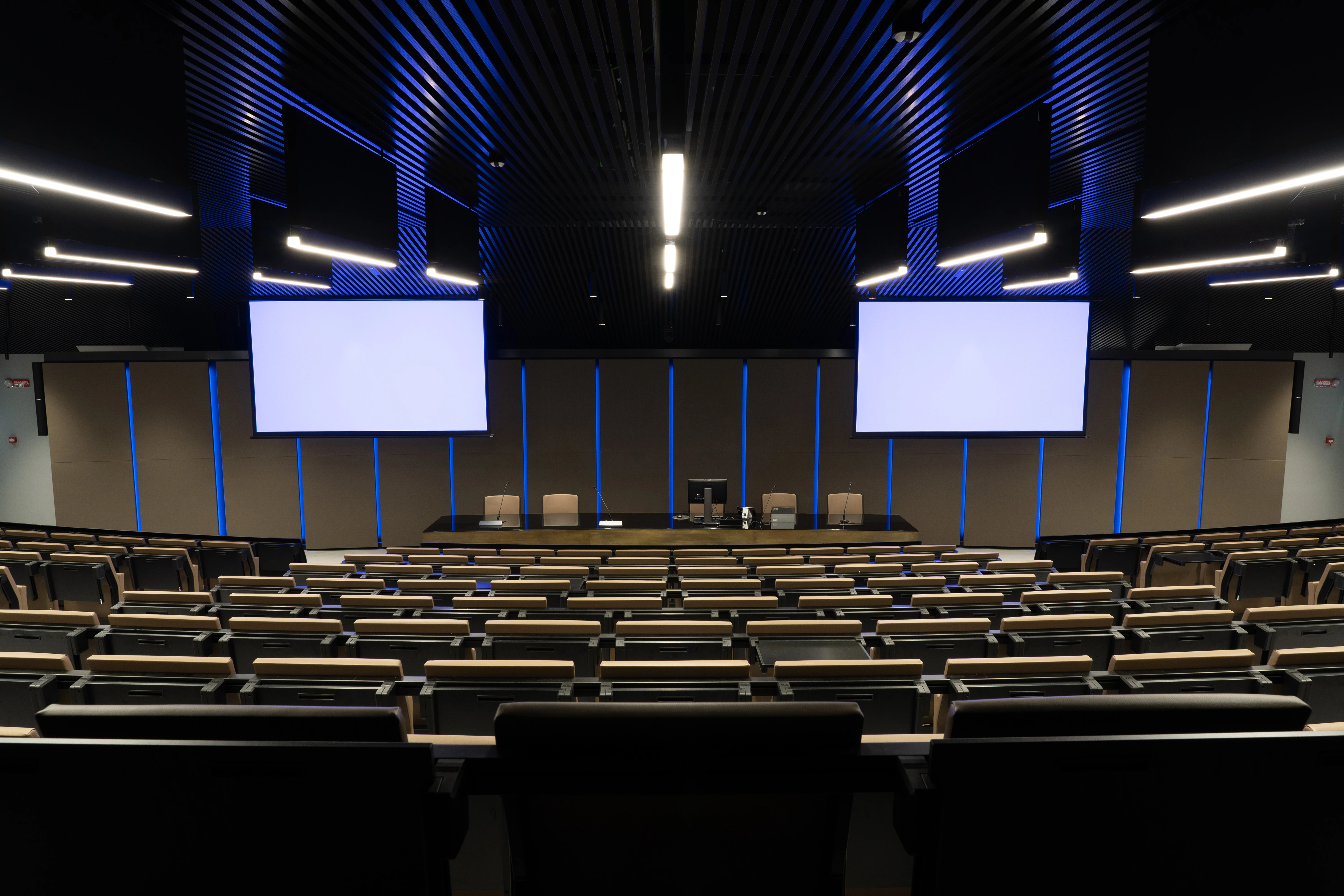
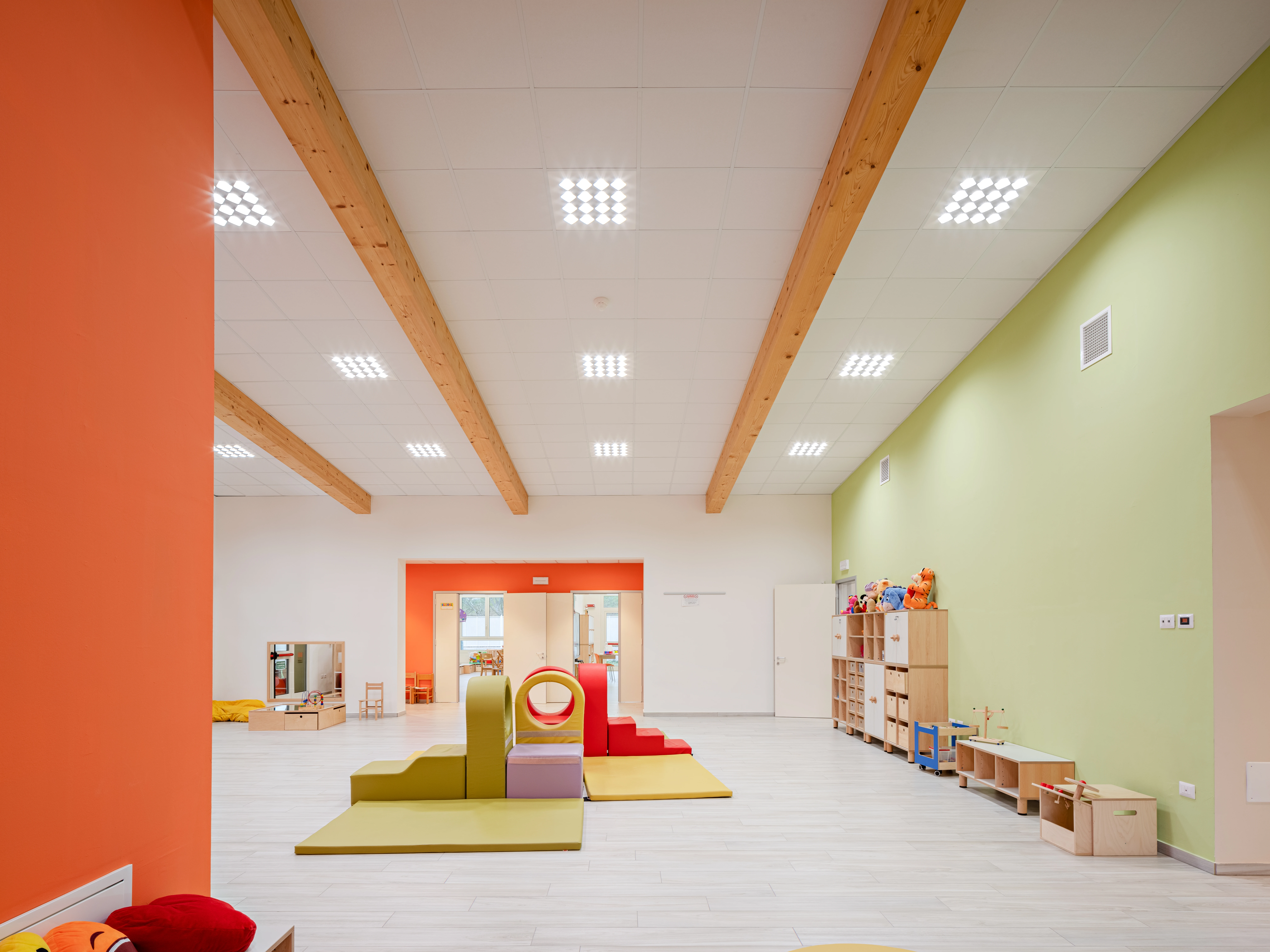
A school and a university faculty: two buildings where the light accompanies learning from the classrooms to the common rooms.
Lighting must guarantee at least 300–500 lx on the desks — 300 in primary and secondary classrooms, 500 in adult and evening classes — with UGR < 19 and uniform distribution of light (uniformity ≥ 0.6). It is essential to ensure visual comfort, no glare and adequate colour rendering (CRI ≥ 80, better 90 where colours are worked with) to support all teaching activities. EN 12464-1 adds 500 lx on the vertical plane of the whiteboard, which requires a dedicated luminaire, and public schools are subject to green procurement criteria with requirements on efficiency and controls.
Yes. 3F Filippi Tunable White solutions allow the colour temperature to be adapted during the day, supporting attention, wellbeing and a more stimulating environment for students. In practice the teacher has three or four scenes — "focus", cool and intense, for tests and the first hours; "standard", neutral, for lessons; "relax", warm, for reading and group work — recalled from a button, or an automatic HCL curve that follows the timetable. Classroom studies report measurable improvements in reading speed and reductions in hyperactivity.
Yes. LEDs guarantee low consumption, long life and less need for maintenance, and are ideal for schools and public facilities with intensive use. Compared with fluorescent, lighting consumption drops by 60%, and in classrooms — used a few hours a day and with plenty of daylight — presence and daylight sensors add another 30–40%. Maintenance, which in a school means waiting for the holidays, is reduced to rare interventions; for the owning authorities it is the simplest saving to obtain on the building.
With a dedicated luminaire, separate from the general classroom light: a linear luminaire with an asymmetric optic mounted on the ceiling 1–1.5 metres from the whiteboard wall, bringing 500 lx onto the vertical plane with uniformity ≥ 0.7 and without reflections towards the desks. On interactive screens and smartboards the luminaire must be positioned so that the reflected image of the source does not fall in the students' field of view — which is why classroom panels, with direct downward emission, are unsuitable: they either leave the board in shadow or mirror on the screen. The control is separate, so the teacher can switch off the board light during projections.
Green public procurement criteria — in Italy the CAM for public buildings, in the EU the GPP criteria — apply to new builds and refurbishments of public buildings, schools included, and for lighting they require LED luminaires with declared minimum efficiency, documented lifetime and lumen maintenance, dimming, control systems with presence and daylight sensors, and environmental documentation of the products. 3F Filippi luminaires are available with the documentation required in tenders, and the lighting design we provide includes the controls the criteria prescribe.
With IK10 luminaires, the highest impact resistance rating, and with the right position. In school gyms the luminaires go out of the field of play — on the long walls or recessed in the ceiling — with polycarbonate screens and protective grilles where sports standards require them, and 300 lx for training, 500 for school competitions. In corridors, stairs and changing rooms, closed vandal-resistant luminaires are needed, with no parts removable without tools, with presence sensors and integrated emergency light. 3F Linda, 3F LEM, 3F Tank and P 200 are the ranges we use for these spaces.
Floor plans, classroom orientation and room uses: our technical department prepares the lighting design with levels, UGR, whiteboard light, controls and green procurement documentation, and the luminaire schedule. No obligation, also for specifications and tenders.