School relamping is the replacement of obsolete fixtures — T8 and T5 fluorescent ceiling luminaires and panels, caged waterproof fixtures in gyms, compact fluorescent downlights, first-generation LED — with more efficient LED solutions, keeping lighting points, wiring and suspended ceilings. In a school building it does two things at once: it cuts the consumption of the authority that pays the bills and brings the classrooms back to standard: most schools have installations from the 1980s and 1990s that today deliver 200 lx on the desks at UGR 25, with the whiteboard in shadow.
Three facts make it worthwhile today. T8 and T5 fluorescent tubes are phased out in Europe under RoHS and ecodesign: stocks run out and every dead tube becomes a dim classroom until the next order. Energy-efficiency funding for school buildings — national recovery funds, regional schemes, energy performance contracts — finances relamping provided it complies with green procurement criteria and EN 12464-1. And the work is done in one summer, without touching a single day of lessons.
This page explains how the relamping of a school building is designed: the equivalence table between existing fixtures and LED replacements, what to verify for compliance, how to plan the work and the questions local authority technical departments ask us most often. The design criteria space by space are on the lighting for schools page; for university residences, the student housing page.
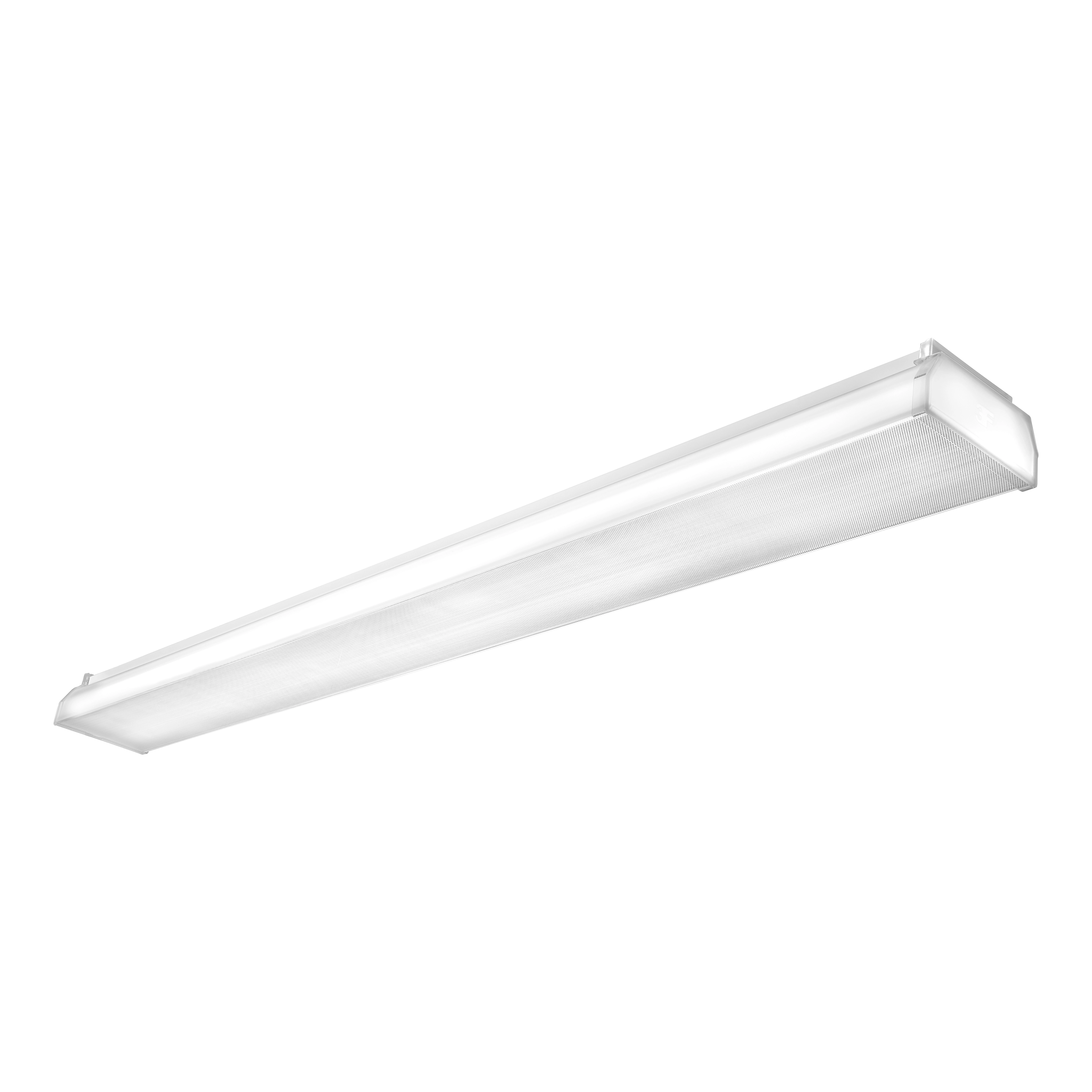
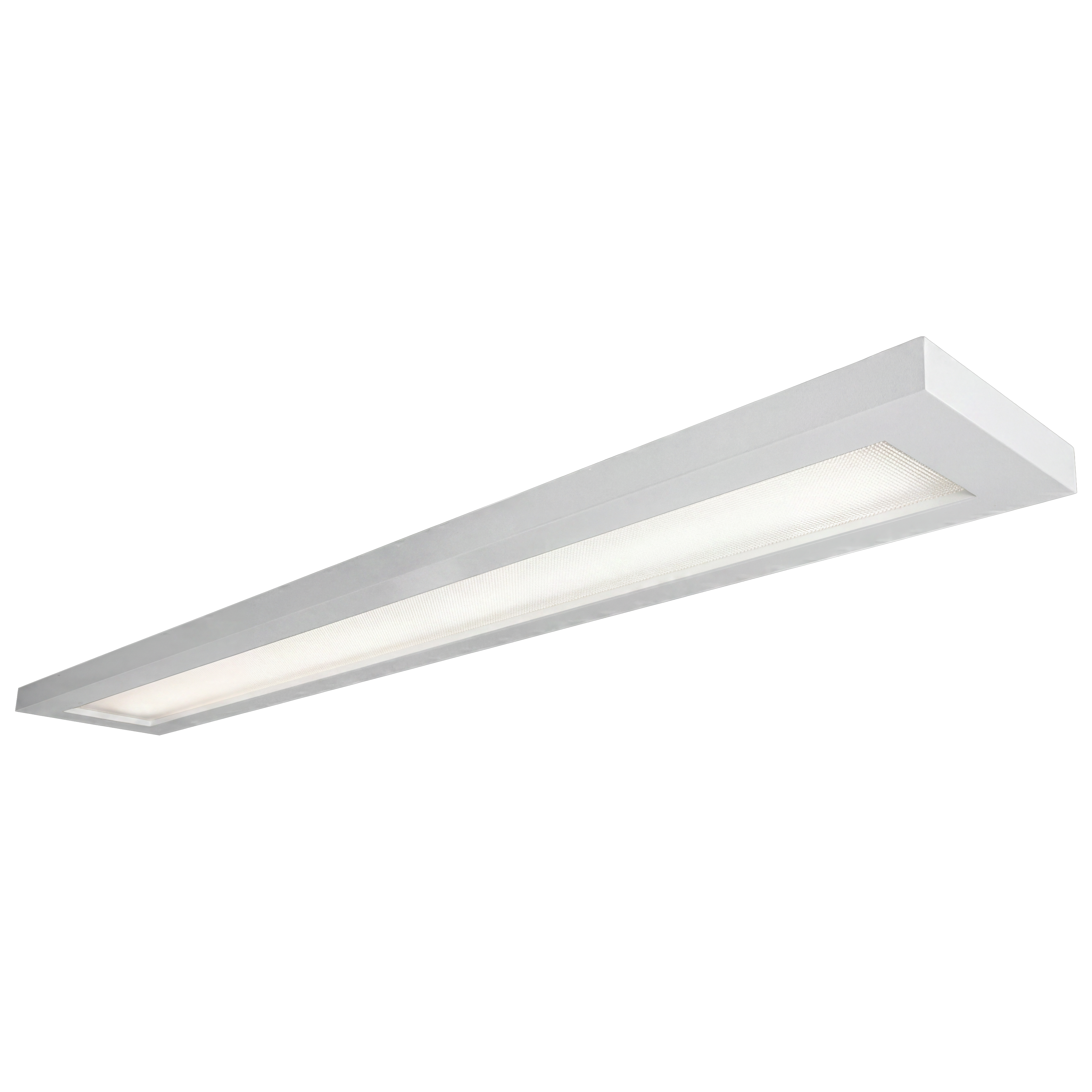
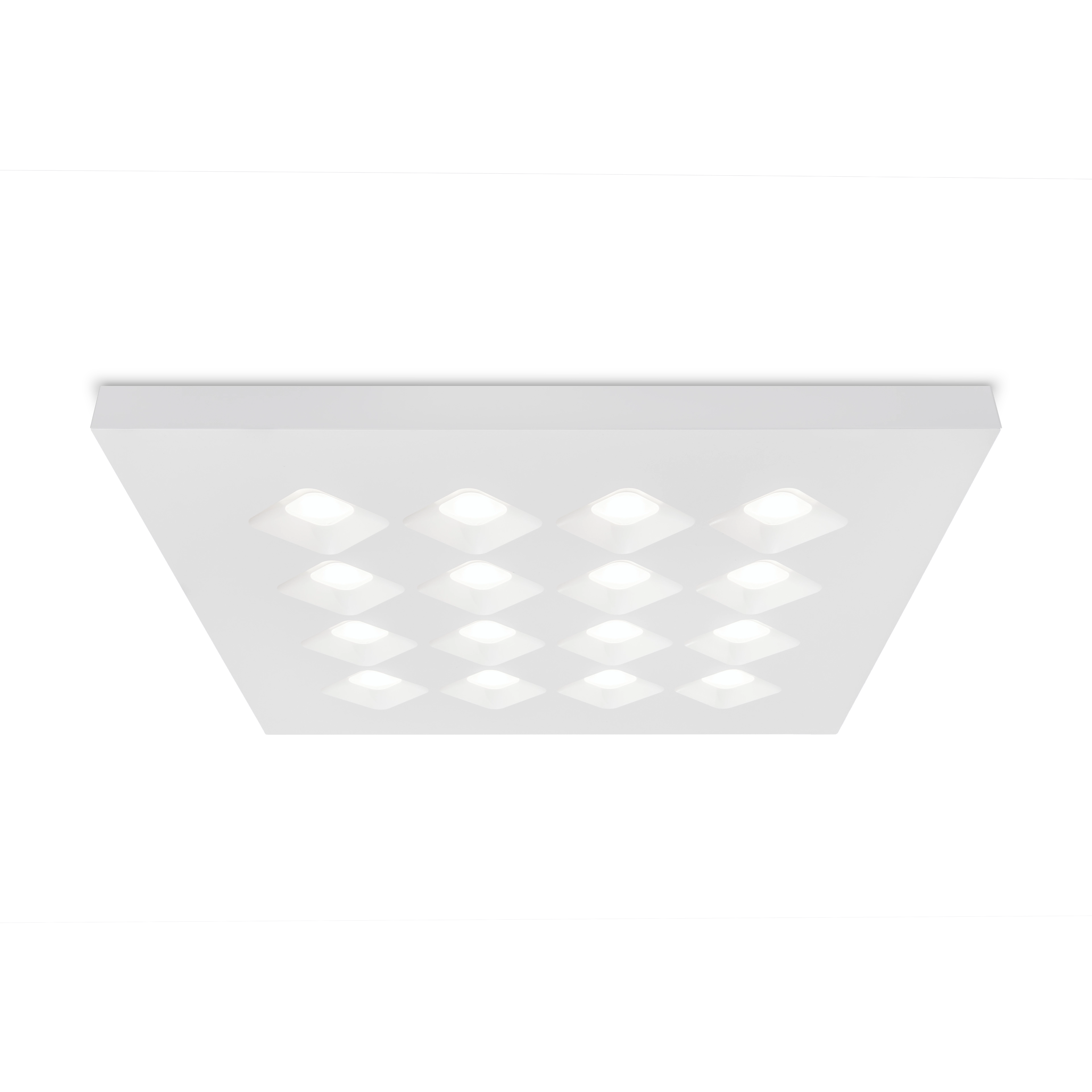
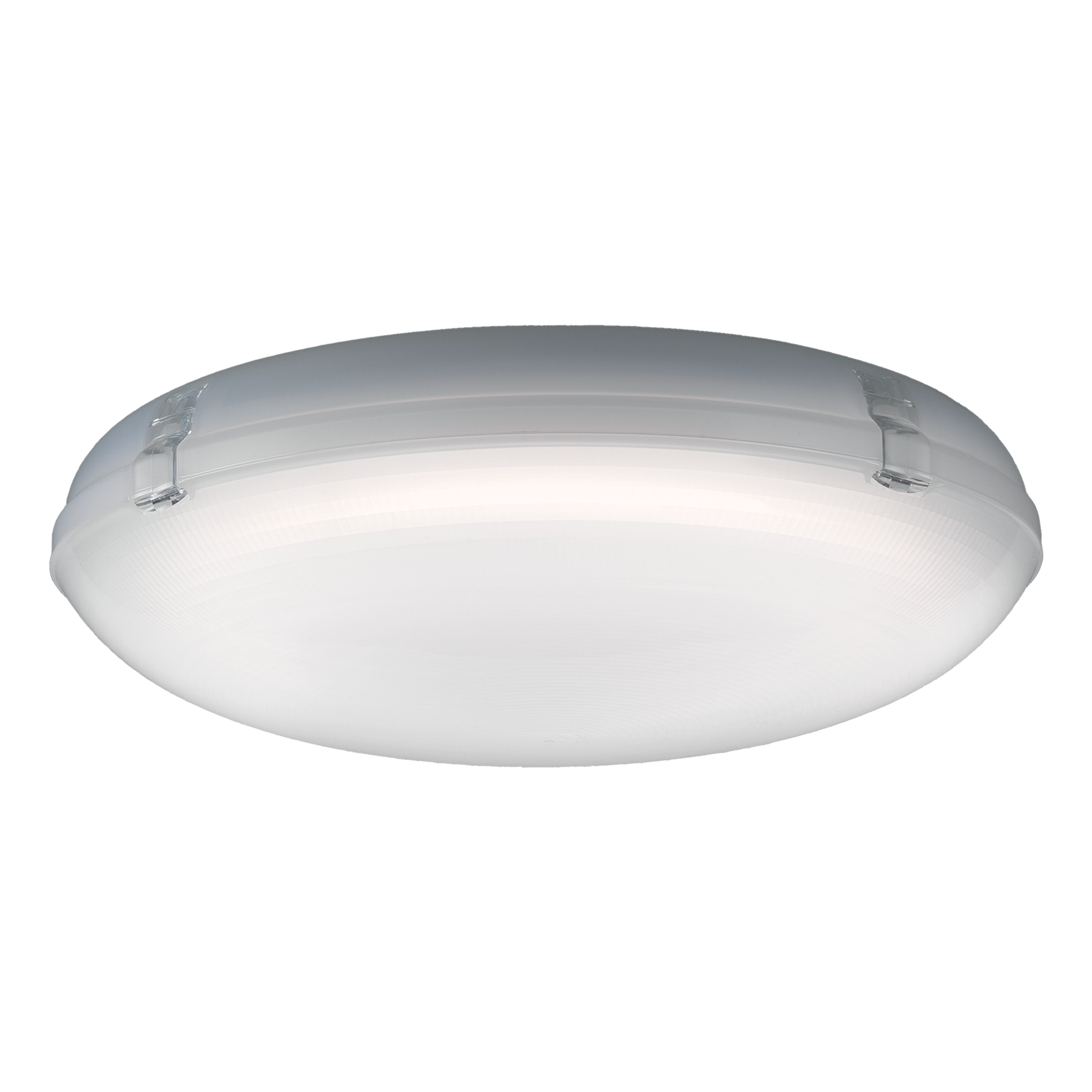
The question before every quotation is "what do I replace what I have with". The table gives typical equivalences between the fixtures we find in school buildings and the 3F Filippi LED ranges that replace them on the same lighting point. LED wattages are indicative: the right one depends on the illuminance EN 12464-1 requires — 300–500 lx in the classroom, 500 on the whiteboard — which is often higher than what the old installation ever delivered.
| Existing fixture | Power drawn | 3F Filippi LED replacement | Indicative LED wattage | Saving |
|---|---|---|---|---|
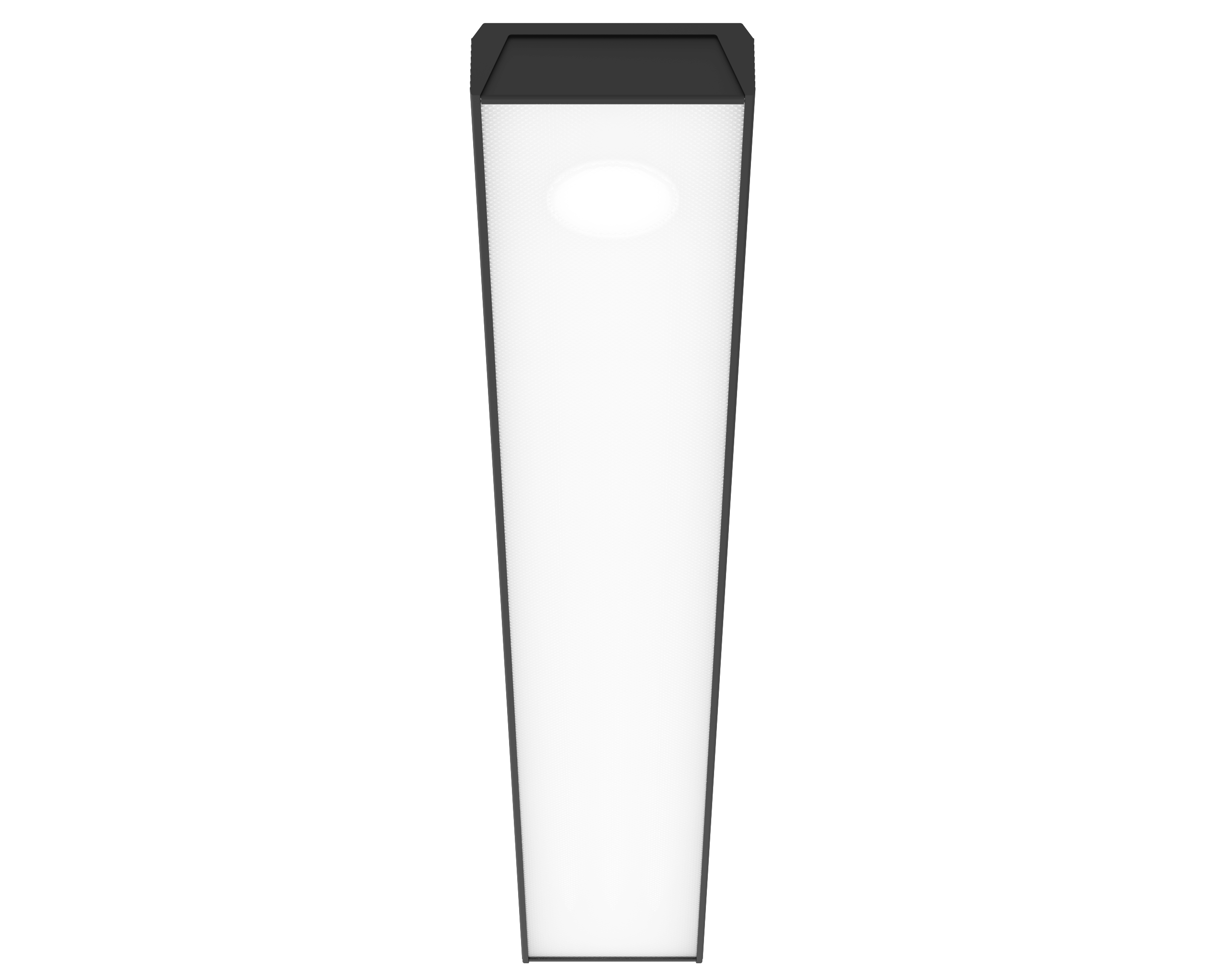
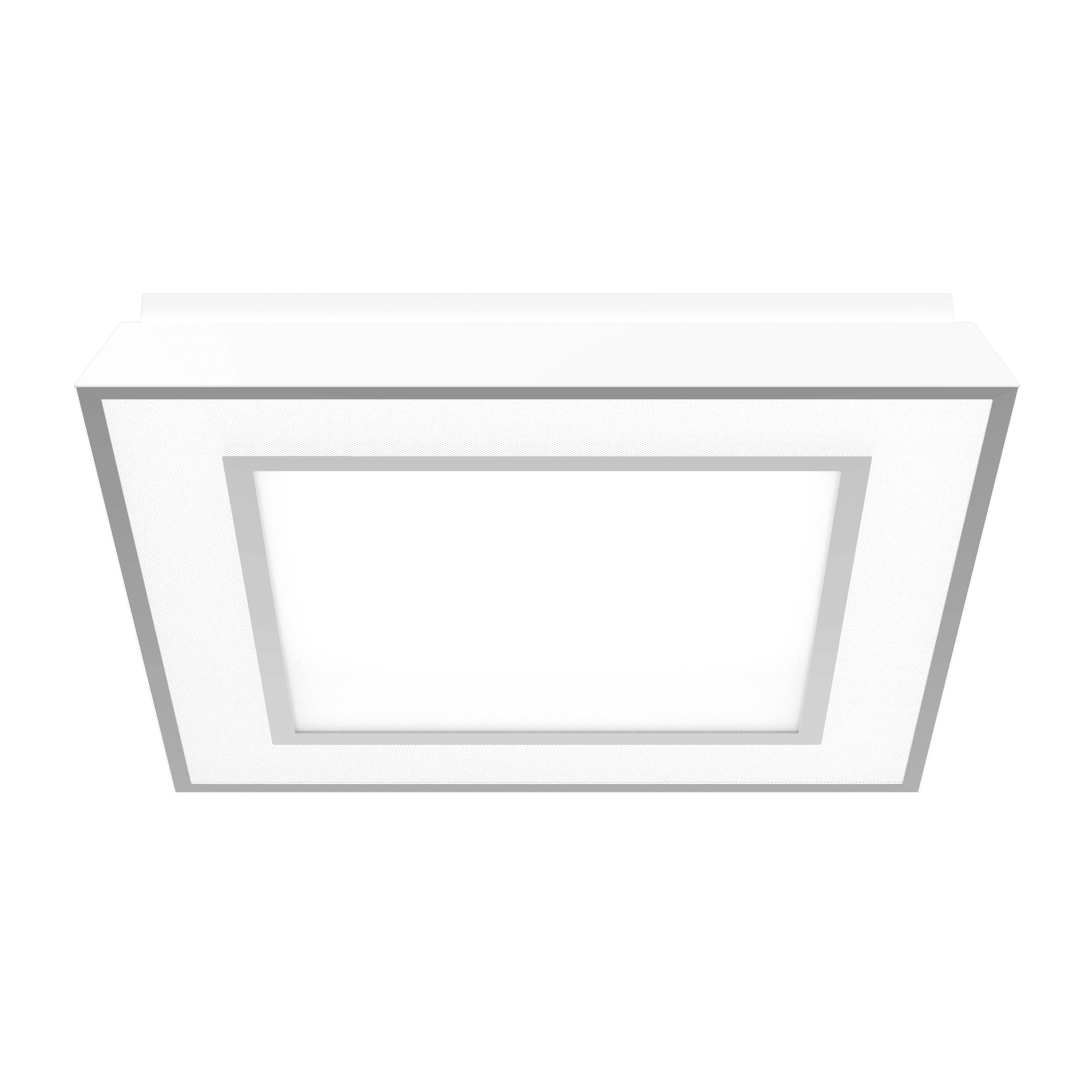
| 2×36 W T8 ceiling fixture in the classroom, magnetic ballast | ≈ 85 W | 3F Dìagon P, L 340, 3F Solo; Tunable White where required | 25–35 W | −60/−70% |
| 2×58 W T8 ceiling fixture in a large classroom or laboratory | ≈ 135 W | 3F Dìagon P, 3F Eldorado, L 340 | 40–50 W | −60/−70% |
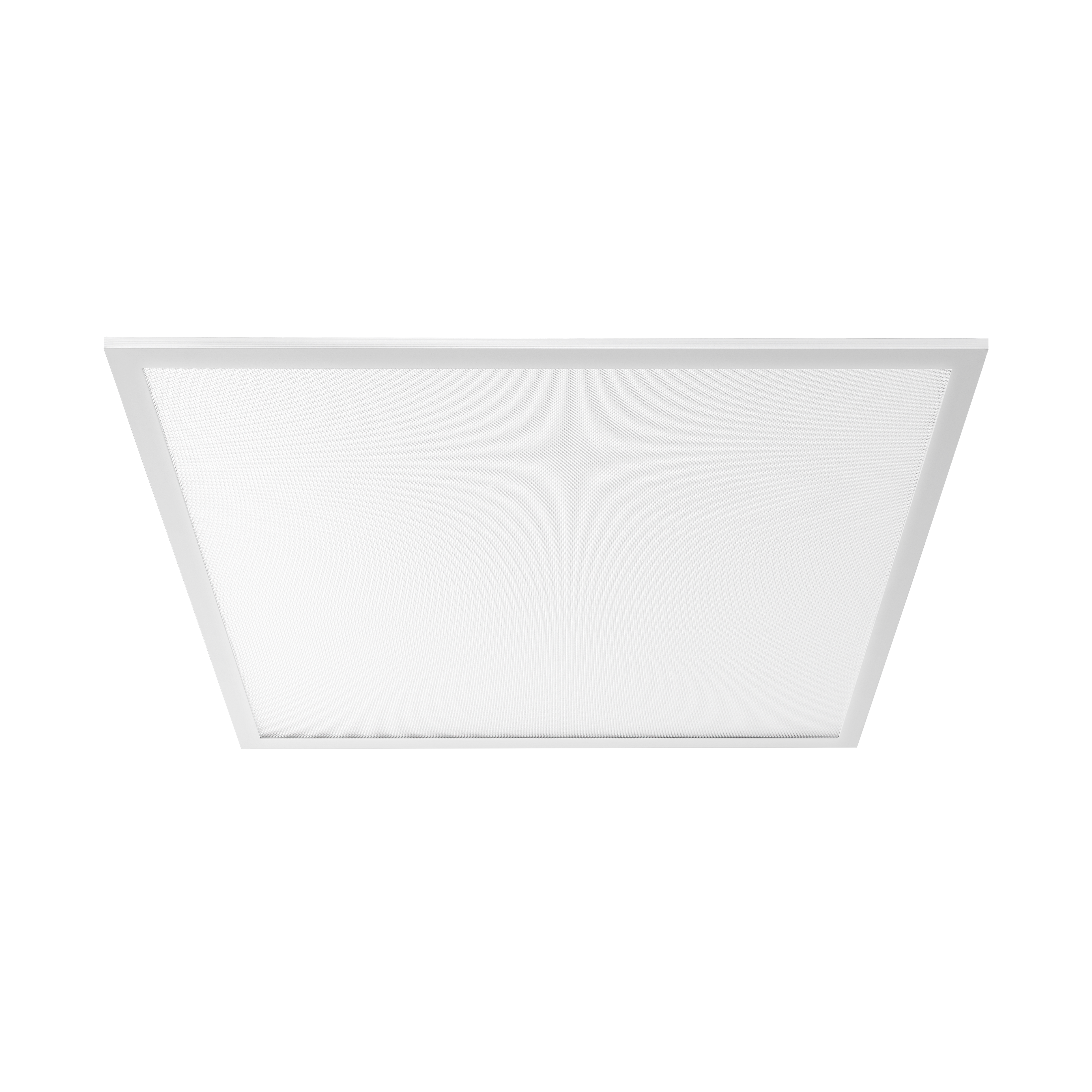
| 600×600 4×18 W T8 panel in suspended ceiling, corridors and offices | ≈ 85 W | 3F LED Panel, L 340, L 320 | 25–35 W | −60/−70% |
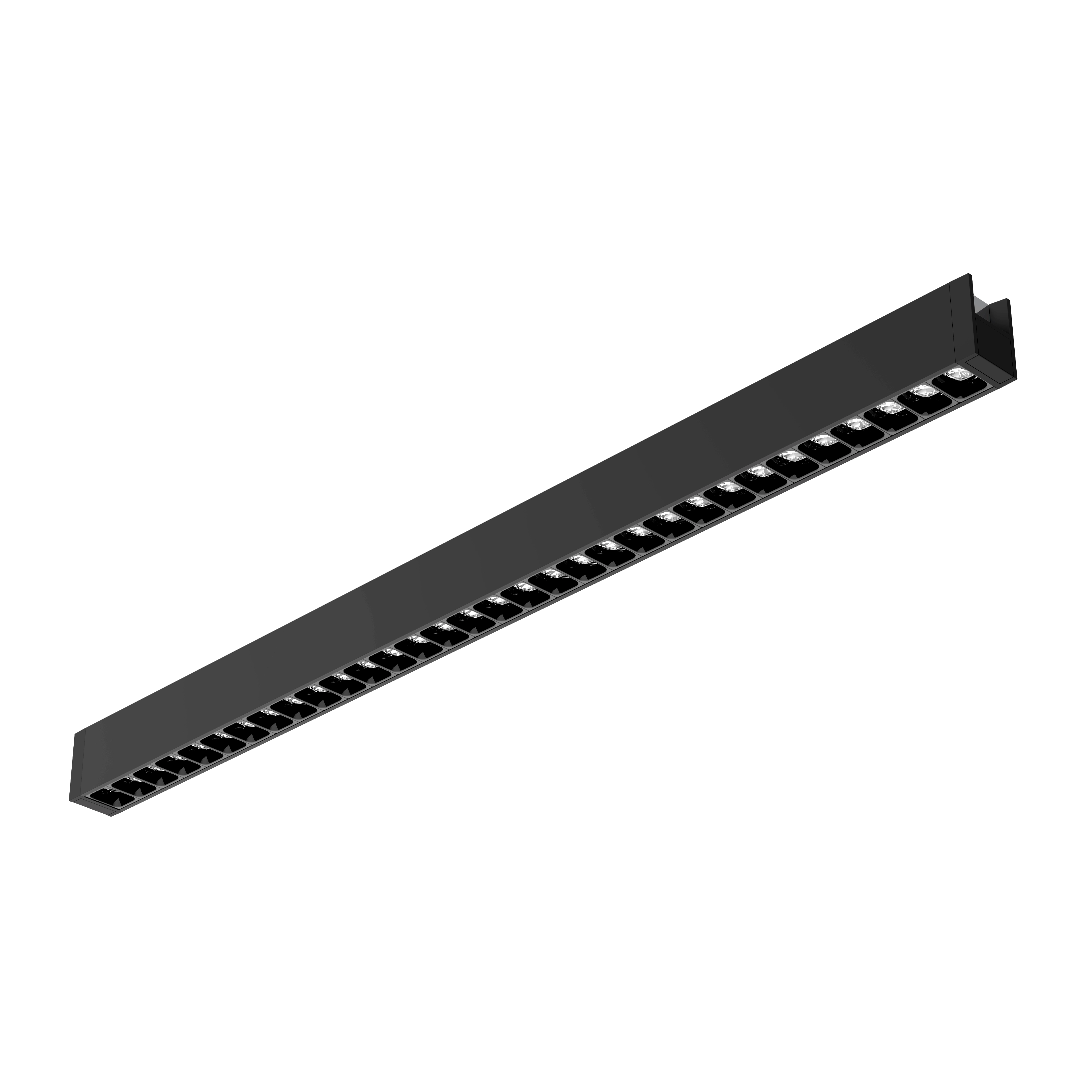
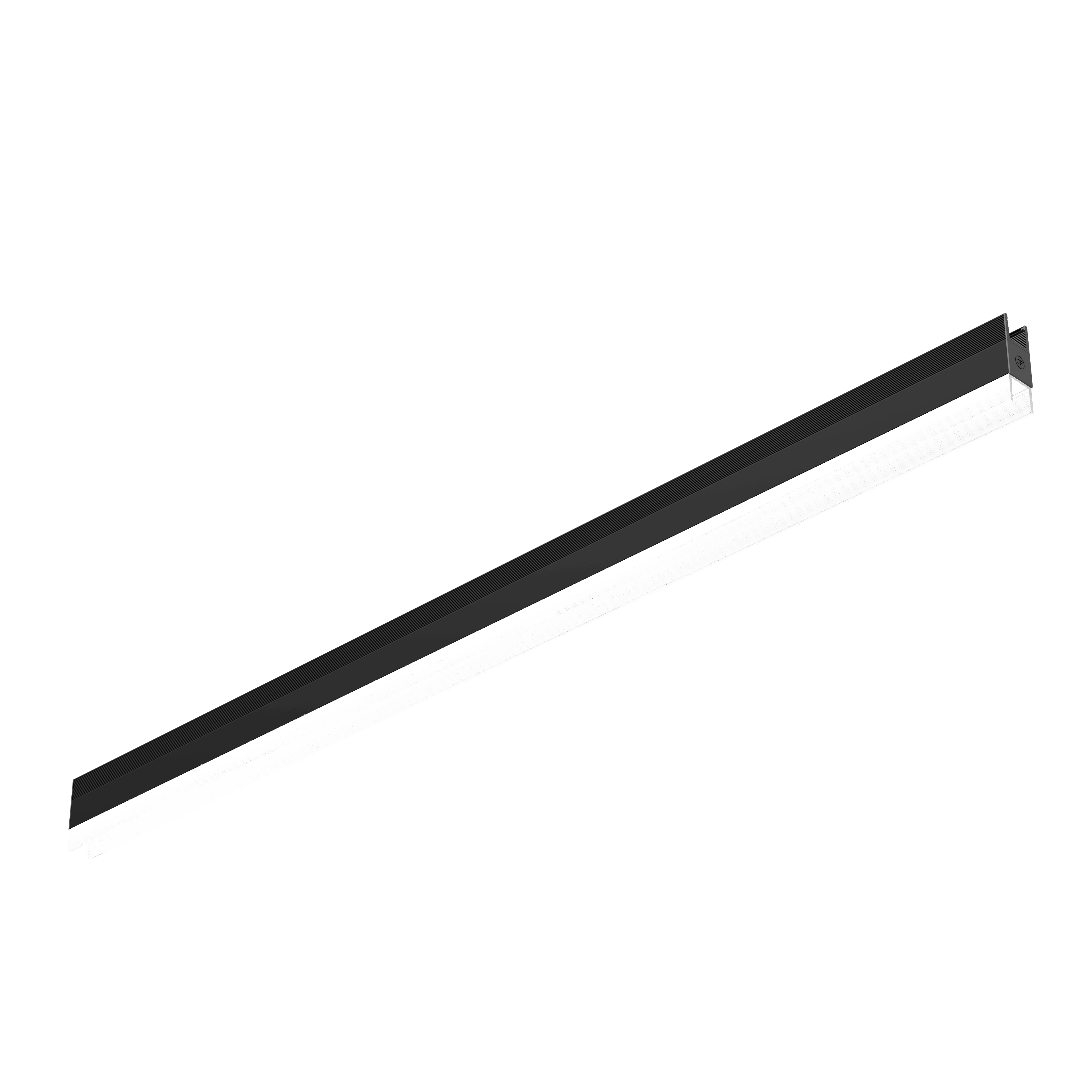
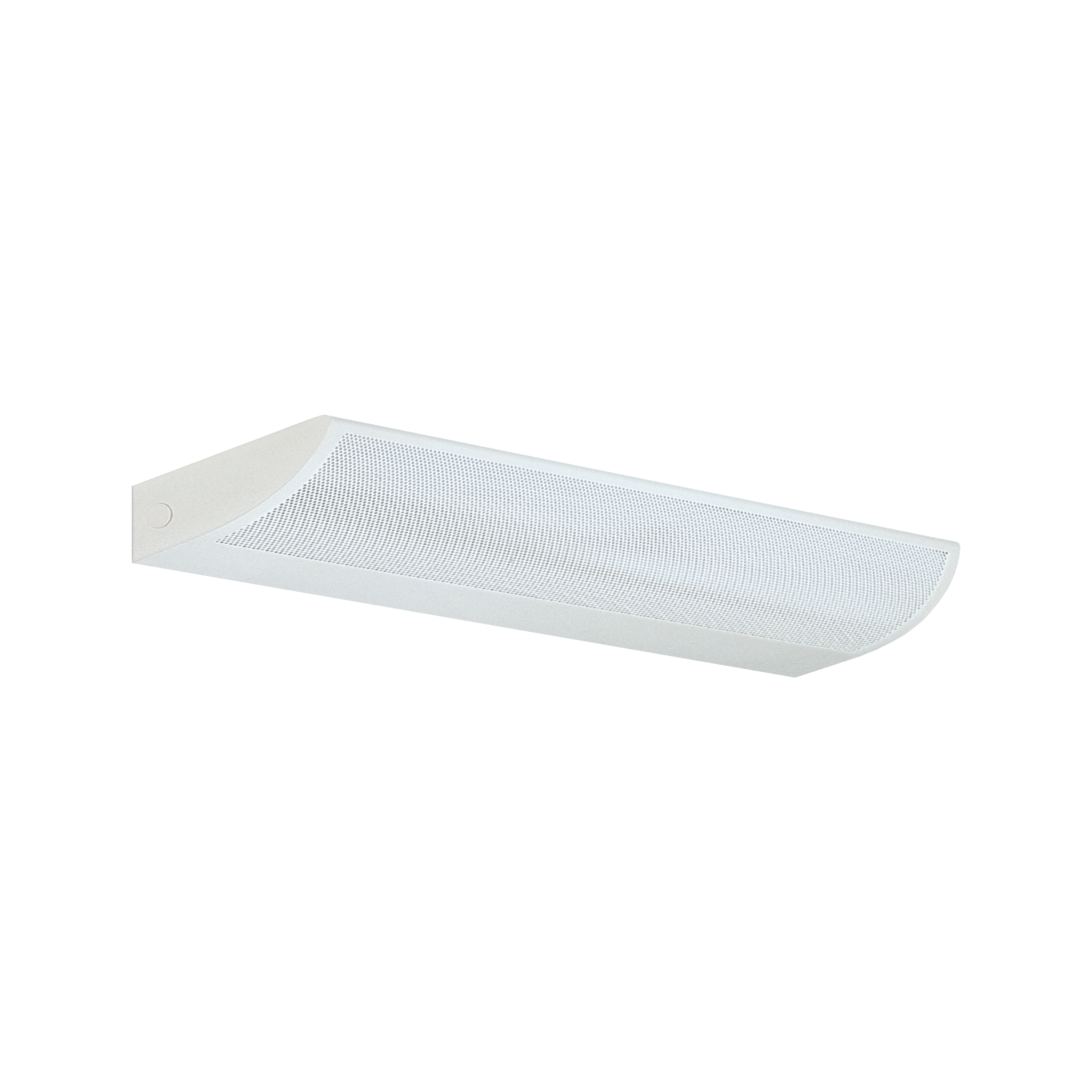
| Whiteboard light missing or generic ceiling fixture | — | Dedicated asymmetric linear: 3F Zeta, 3F Travetta, Zero 3F | 20–30 W | Brought up to standard |
| 2×58 W T8 caged waterproof fixture in the gym | ≈ 135 W | 3F Linda, 3F LEM, 3F Tank IK10 | 45–60 W | −55/−65% |
| 2×26 W compact fluorescent downlight in halls and corridors | ≈ 60 W | 3F Reno recessed, 3F Petra | 15–20 W | −65/−75% |
| 2×36 W T8 waterproof fixture in canteens, kitchens, toilets and stores | ≈ 85 W | 3F Petra, 3F Petra Sensor, P 200 | 25–35 W | −60/−70%, over 80% with sensor |
Power drawn includes ballast losses, which reach 15–20% with magnetic ballasts: this is why the real saving is often higher than the one calculated on nominal wattages. In schools one more fact applies: classrooms are used a few hours a day, with plenty of daylight from one side only, and daylight sensors on the rows near the windows — which green procurement criteria require — remove another 30–40%. The typical result of a complete school relamping is 70–80% less than the starting point.
School relamping is decided on the site survey and closed with the lighting verification that funding schemes require. Three groups of requirements our technical department checks.
High-efficiency LEDs with CRI > 80 and CRI > 90, colour temperatures from 2700 K to 4000 K, controllable with Tunable White and HCL technology to adapt the light to students' circadian rhythms: relamping is the chance to bring "focus", "lesson" and "relax" scenes into classrooms that the fluorescent installation could never offer. UGR < 19 for maximum visual comfort in teaching spaces — opal-screen ceiling fixtures were at UGR 25 — and initial colour tolerance SDCM 3, because in a phased relamping the classrooms done this year and those done next year must have the same tint.
Housings in sheet steel or painted aluminium, diffusers and screens in microprismatic polycarbonate for accurate luminance control and uniform distribution. 600×600 formats for existing suspended ceilings, ceiling fixtures with spacings compatible with the 2×36 and 2×58 fixtures removed, surface and lay-in installation on the vaulted and beamed ceilings of historic buildings. IK08–IK10 vandal-resistant versions for corridors, stairs and gyms, IP65 for canteens, kitchens, laboratories and covered outdoor spaces.
Luminaires compliant with EN 60598-1 and EN 12464-1 for the lighting of workplaces and school spaces, integrated emergency to EN 60598-2-22 on escape routes; compliance with green public procurement criteria — minimum efficiency, declared lifetime, dimming, presence and daylight sensors, environmental documentation — required by funding schemes and public tenders. The relamping is closed with the lighting verification of illuminance, uniformity, UGR and colour rendering in all areas, with the report the authority attaches to its funding claim.
Four measurable effects from the first following school year, for the owning authority, the head teacher and those in the classroom.
More uniform, natural, glare-free light improves attention and concentration: UGR < 19 on the desks instead of 25, whiteboard at 500 lx instead of in shadow, no flicker. It is the benefit teachers notice on the first day of school.
Consumption reduced by up to 70% compared with traditional fluorescent fixtures, and more with presence and daylight sensors in classrooms used a few hours a day. For a local authority with dozens of schools it is the largest saving on school buildings after heating.
Illuminance levels suited to teaching activities and greater lighting safety: many schools discover during the survey that they are below the 300 lx of EN 12464-1, and relamping brings them back to standard with the documentation that funding schemes and green procurement require.
The long life of LEDs and the reliability of 3F Filippi luminaires do away with the tube replacement cycle: no ladders in classrooms during lessons, no stocks of discontinued lamps, no dim classrooms waiting for the electrician.
Ceiling fixtures and 600×600 panels for classrooms and corridors, also Tunable White; asymmetric linear luminaires for whiteboards; pendants for libraries and assembly halls; IK10 waterproof luminaires for gyms, canteens and corridors; downlights for halls. The range pages give formats, spacings, IP and IK ratings, green procurement documentation and calculation files.
Other ranges used in school relamping: 3F Dìagon, L 320, L 340, L 360, 3F Reno, Zero 3F Track, 3F Zeta Track, 3F Linux, 3F LEM, 3F Linda, 3F Mirella, 3F C8.
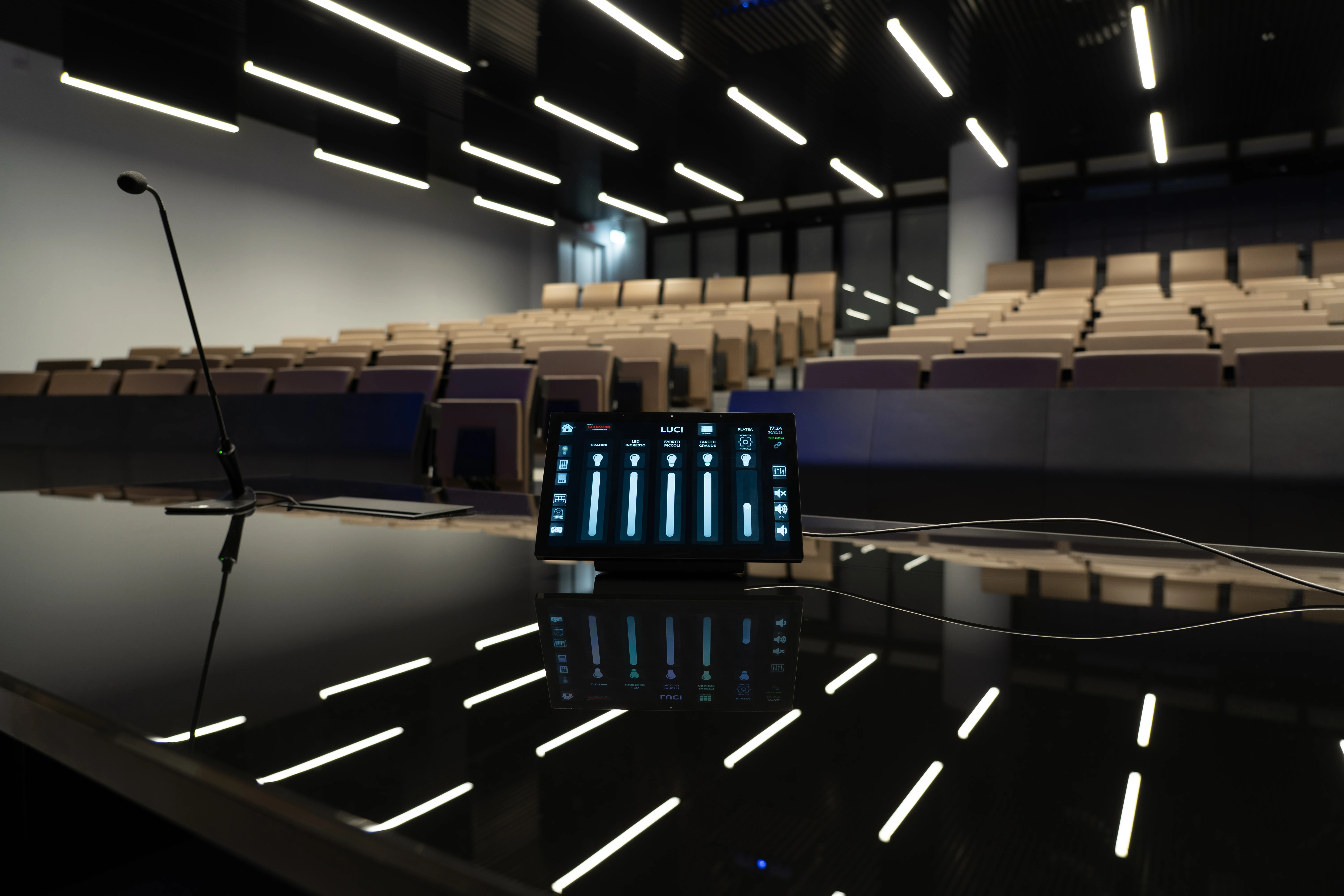
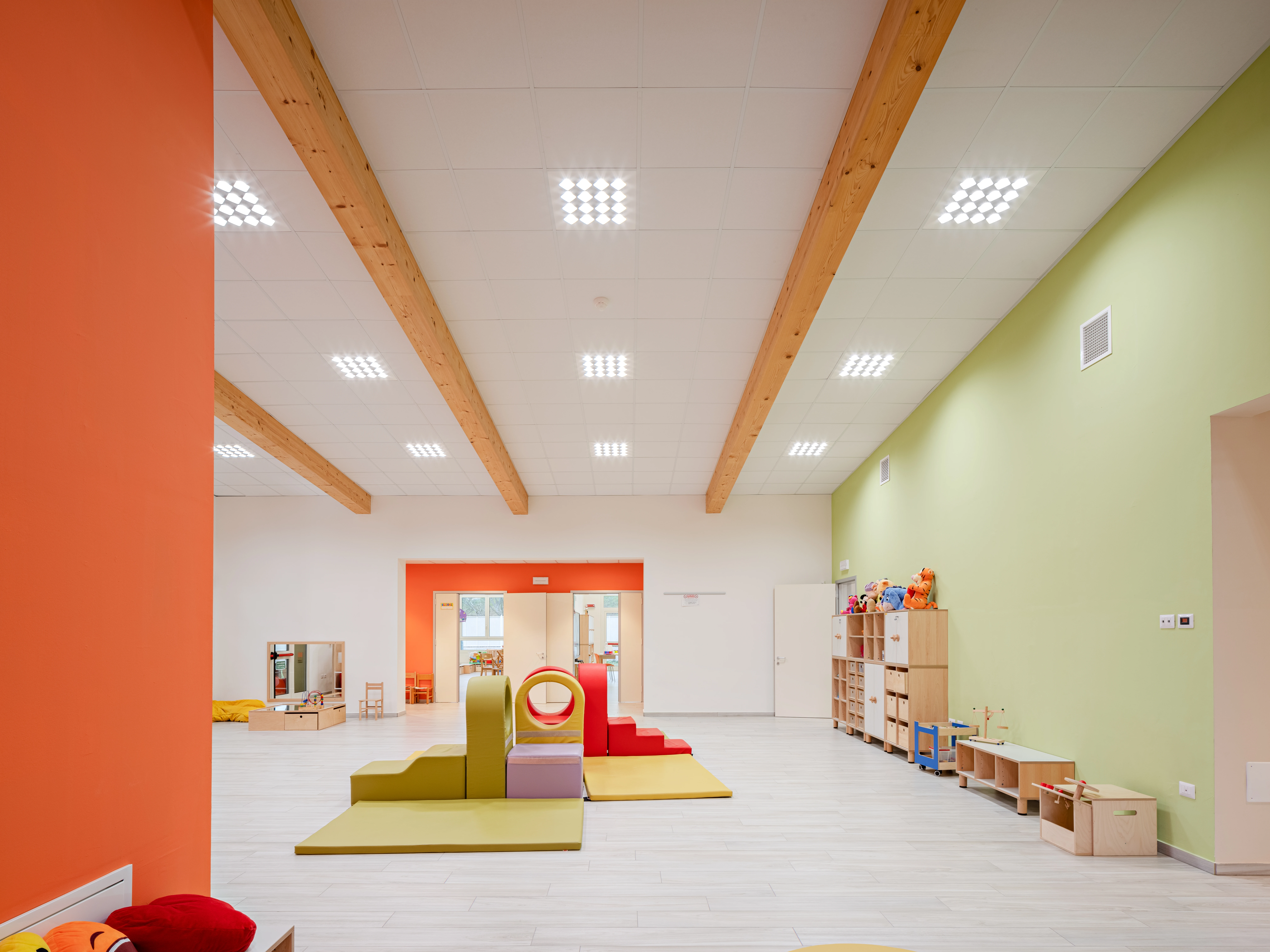
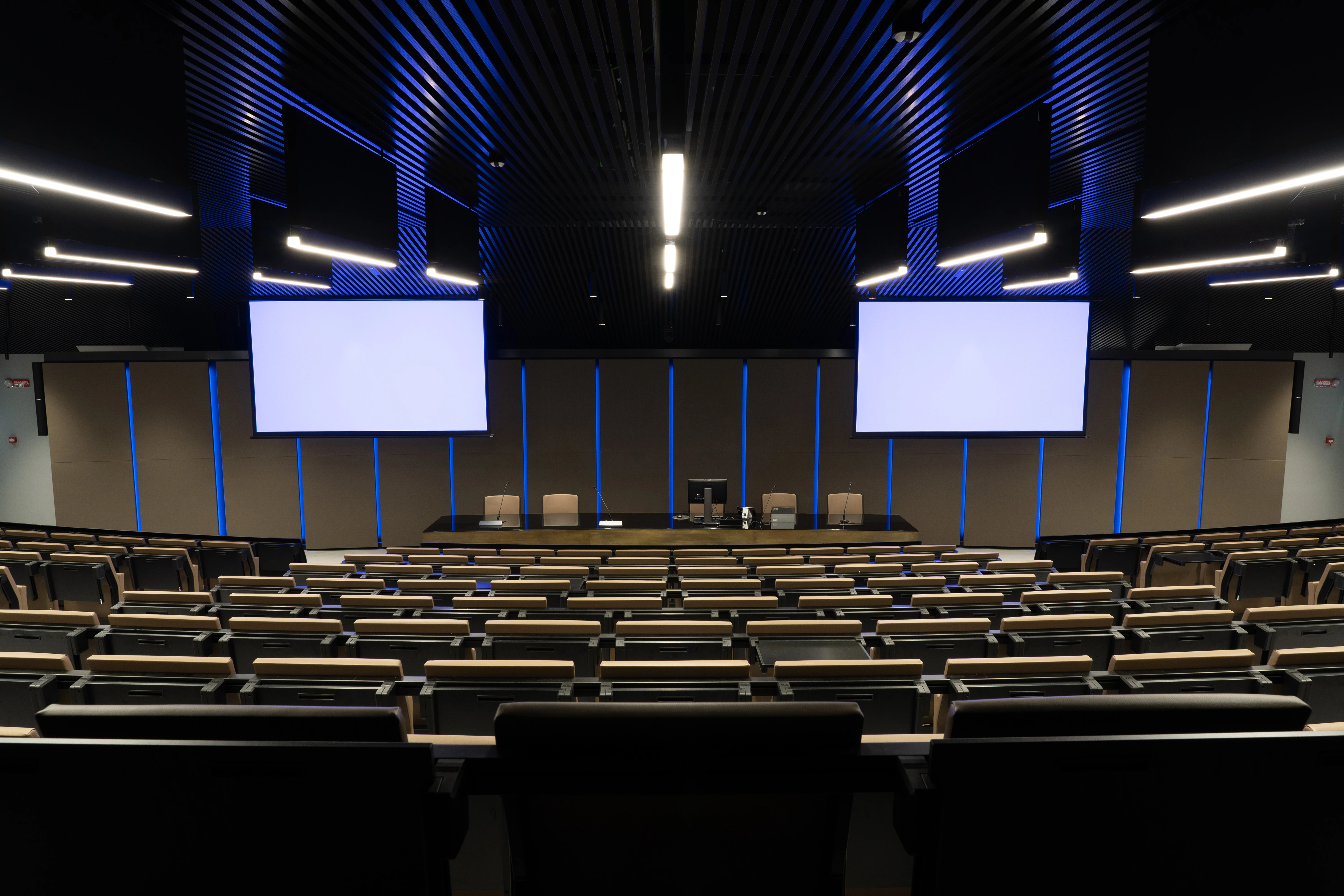
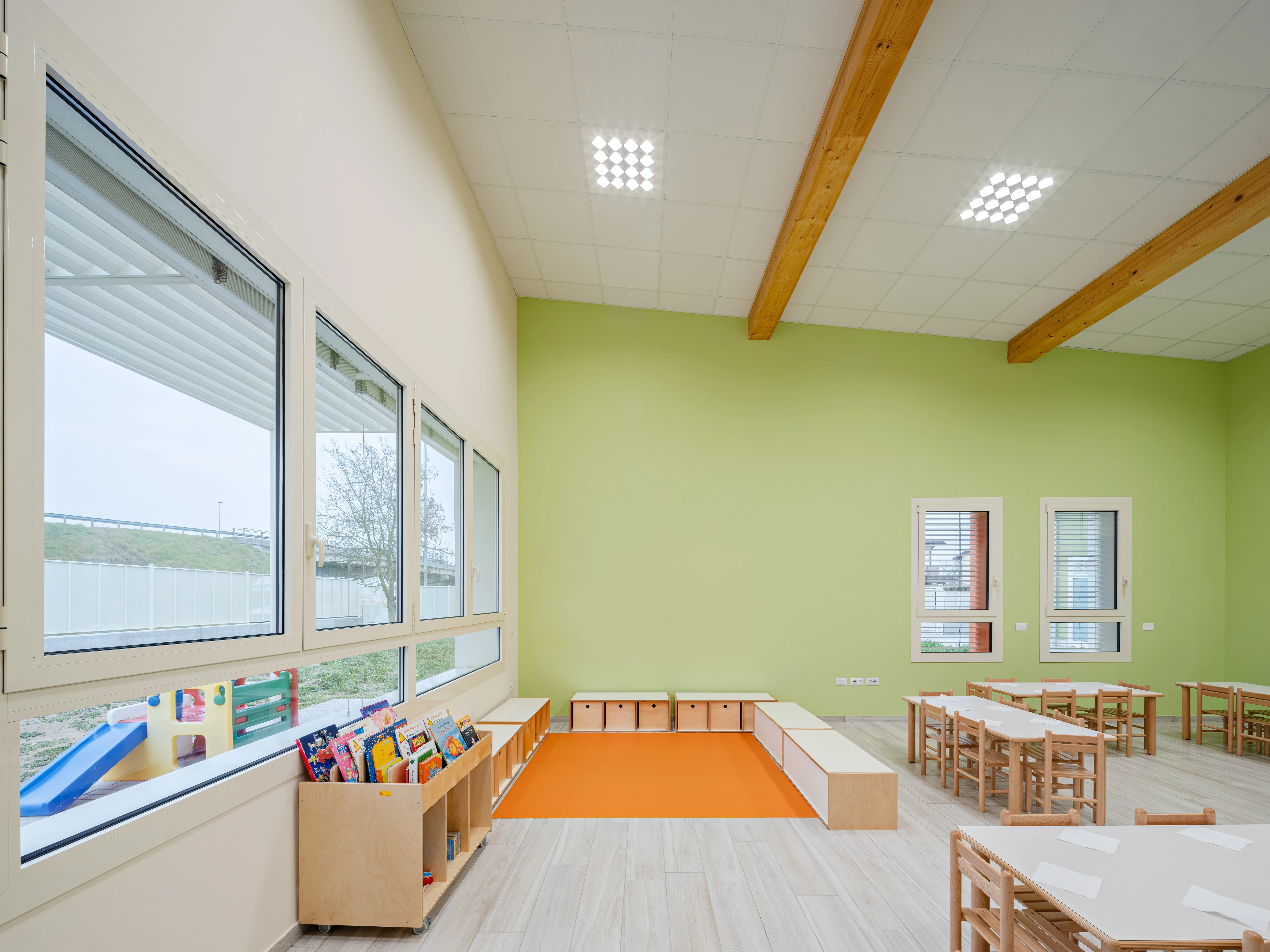
A school and a university faculty where the installation was renewed classroom by classroom, with the light brought back to standard.
It improves lighting quality, increases students' visual comfort, reduces energy consumption and guarantees greater lighting safety in compliance with the standards. In practice: classrooms return to the 300–500 lx of EN 12464-1 with UGR < 19 and the whiteboard lit to standard, lighting consumption drops by 60–70% — over 80% with sensors — and the cycle of lamps to replace, with ladders in classrooms and discontinued tubes, disappears for years. For the owning authority it is the intervention on the school building with the fastest payback and the simplest funding.
Yes. Replacing traditional fixtures with LED solutions with controlled UGR improves light quality, making it more uniform and natural. This supports concentration, reduces visual fatigue and creates an environment more conducive to learning: the opal-screen fluorescent fixtures typical of schools are at UGR 25 and flicker, while 3F Filippi low-luminance LED panels are at UGR < 19 and flicker-free. With Tunable White versions the teacher also has scenes for tests and for reading, which classroom studies link to measurable improvements in attention and reading speed.
The required minimum illuminance, uniformity, UGR value and colour rendering must be verified in all school areas — classrooms, whiteboards, laboratories, gyms, corridors — against the EN 12464-1 values for educational buildings, and for public buildings the green procurement requirements on efficiency, controls and documentation. 3F Filippi provides technical support and lighting studies that ensure full compliance with EN 12464-1 and optimal performance for every teaching space: design calculation, choice of luminaires with the documentation for the tender, and final verification with measurements in the classroom.
By using the school calendar. A building of 20–30 classrooms is redone in one summer: survey and calculations in spring, materials ordered before closing, work between the end of lessons and the start of the year, lighting verification in September. One-for-one replacements — ceiling fixtures on the same fixings, panels in the same suspended ceilings — reduce each classroom to a few hours of work. Corridors, gyms and canteens can also be done during the year, outside school hours or in the short holidays. The plan we prepare sets out sequence, timing and levels guaranteed at every stage.
With the public building energy-efficiency instruments, which change over time: in Italy the Conto Termico for public administrations, national recovery and regional funds for school buildings, white certificates, and energy performance contracts with an ESCo that finances the work through the savings; other European countries have analogous schemes for school buildings, such as public sector decarbonisation funds and salix-type loans in the UK. Almost all of them require compliance with green procurement criteria and documented savings: our technical department provides the before/after calculation, the data sheets and the environmental documentation of the products; eligibility should be checked with your own adviser or the ESCo.
Yes, and it is often the most important addition. Most classrooms have never had a dedicated whiteboard luminaire, which EN 12464-1 requires at 500 lx on the vertical plane with uniformity ≥ 0.7: relamping is the moment to add a linear luminaire with an asymmetric optic 1–1.5 metres from the wall, with a separate control to switch it off during projections on interactive screens. It costs little compared with the rest of the work, requires only one extra supply point and transforms the classroom more than any other luminaire.
Send us the floor plans, the list of installed fixtures with wattages and the hours of use: our technical department prepares the lighting calculation on the standard values, the equivalence table, the work plan for the holidays and the consumption comparison with the documentation for the funding application. No obligation.