Category

LED lighting for industrial environments

Over 150 lumens per watt, tens of thousands of hours without maintenance, stable light without flicker: why LED has replaced metal halide, sodium and fluorescent in factories, and what to look at to choose well.

Request a lighting calculation

Why LED won in factories, and what sets a good luminaire apart

In 2010 a factory was lit with 400 W metal halide high bays: white light, decent colour rendering, but ten minutes to restrike after a power cut and an output that lost a third in two years. Today the same factory mounts 150 W LED luminaires that give more light, switch on instantly, dim from 0.1 to 100% and reach end of life with 80% of their initial output. LED lighting for industrial environments is not an alternative to the earlier technologies: it has replaced them, and the only reason discharge installations still exist is that nobody has changed them yet.

But «LED» is not a guarantee. A well-made industrial luminaire and a cheap one share the acronym, not the service life: the difference lies in heat management, driver quality, optics and how performance is declared. This page explains the numbers that matter — efficacy, L80, SDCM, flicker — and compares them with those of the lamps LED is retiring.

For the illuminance values required department by department and the choice of optics by mounting height, the reference is the industrial lighting page; to move from the existing installation to LED without stopping production, see industrial relamping.
LED versus metal halide, sodium and fluorescent: the numbers side by side

The technologies still found in European factories, placed next to LED on the parameters that decide operating cost: how much output per watt drawn, how long they last, how they behave at switch-on and under dimming. The values are typical product figures, not nameplate ones: discharge lamps in particular lose output long before they fail.

Technology Efficacy Service life Switch-on and dimming Worth knowing
3F Filippi industrial LED 130–160 lm/W 50,000 h and beyond (L80) Instant; dimmable 0.1–100% No mercury, control per luminaire, stable output
Metal halide (HQI, 250–400 W) 80–100 lm/W 10,000–15,000 h 3–5 min hot restrike; not dimmable Loses up to 30% output in the first years, colour shift between lamps
High-pressure sodium 100–130 lm/W 16,000–24,000 h 3–5 min; not dimmable Colour rendering Ra 20–25: yellow light, colours unrecognisable
T5 HO fluorescent 80–100 lm/W 15,000–20,000 h Instant; dimmable with dedicated ballasts Peak efficiency only at 35 °C ambient; drops in cold and heat
T8 fluorescent with magnetic ballast 60–75 lm/W 10,000–15,000 h Instant; not dimmable 100 Hz flicker, ballast losses 15–25%, mercury

The efficacy comparison understates LED's advantage. A 400 W HQI high bay emits in all directions and the reflector loses part of it; an LED luminaire already emits downwards, with optics that put the light where it is needed. For the same lux on the working plane the real saving is almost always between 60 and 70%, rising above 80% with controls. The second factor is maintenance: over the life of an LED luminaire the discharge lamps would have been changed three or four times, each time with a lift and a stopped line.

The three numbers that decide the quality of an industrial LED luminaire

Efficacy, lifetime and stability: where to read them on the data sheet, and why two luminaires with the same wattage can have very different running costs.

Efficacy and thermal management

Efficacy is the output emitted per watt drawn, driver included: the latest 3F Filippi industrial ranges exceed 150 lm/W. But the figure holds at a specific junction temperature, and in a factory in summer, under the roof, ambient reaches 40–50 °C. The die-cast or extruded aluminium body is a heat sink sized for that condition: it is what keeps the LED on its efficiency curve and extends its life.

Versions for high ambient temperatures declare it explicitly (ta 50 °C or more); where the figure is missing, a 25 °C luminaire mounted at 45 °C ages in half the time.

Lifetime: what L80 and B10 mean

An LED does not fail suddenly: it loses output slowly. Service life is therefore declared with two codes: L80 is the number of hours after which output has fallen to 80% of the initial value; B10 adds that no more than 10% of the modules have dropped below that threshold. «L80B10 50,000 h» means that after 50,000 hours — eleven years at 4,500 hours a year — the installation still gives at least 80% of its initial light.

It is the maintenance factor used in the lighting calculation: an installation that must guarantee 300 maintained lux is designed to deliver 375 when new. The driver has its own lifetime, declared separately, and in 3F Filippi ranges it is replaceable without dismounting the luminaire.

Stability: colour, flicker, stroboscopic effect

Colour tolerance SDCM 3 (MacAdam ellipses) ensures that luminaires from the same supply share the same white: in a row of twenty luminaires the difference shows, and cheap LED shows it. Colour rendering is CRI ≥ 80, with CRI ≥ 90 where colours and finishes are assessed.

Flicker depends on the driver: a 100 Hz current ripple is invisible but tiring and, on rotating machinery, can make a moving part appear stationary. The European Ecodesign regulation sets the limits (PstLM ≤ 1, SVM ≤ 0.4 as the reference for containing the stroboscopic effect) and the drivers in 3F Filippi luminaires comply.

What changes, in figures, when you move to LED

The four numbers you read on the data sheet and then on the plant's accounts.

150 lm/W luminous efficacy in the latest industrial ranges
50.000 h L80 service life: still 80% of the initial output
SDCM 3 colour tolerance: the same white along the whole row
−70% less energy than metal halide, sodium and fluorescent

Robustness and lifetime in harsh environments

No filament, no electrode, no gas: LED does not fear press vibration or temperature swings, and an IP66 luminaire with a die-cast body withstands dust, moisture and impacts for its whole declared life. That is why maintenance costs at height, a fixed item with discharge lamps, almost disappear.

Efficiency with payback in a few years

Up to 70% less energy than fluorescent and discharge systems: on an installation burning 4,000–6,000 hours a year the investment pays back in two to three years, before even counting the lamps you no longer buy. The relamping process shows the sums case by case.

Uniform, safe light, immediately

Instant switch-on at 100%, even after a mains interruption: no department is left in the dark for the five-minute restrike of discharge lamps. Optics designed for the real height avoid shadow zones between rows and glare for whoever looks up from a forklift.

Minimal maintenance and total control

Long service life, drivers and modules replaceable in place, and the possibility — impossible with discharge lamps — of dimming every luminaire and connecting it to presence and daylight sensors. The detail on controls is on the smart lighting for industry page.

Where the switch to LED pays most

  • Industrial plants with discharge high bays — the most profitable case: replacing 250–400 W HQI and sodium cuts consumption by two thirds and eliminates lamp maintenance.
  • Production departments on three shifts — 6,000 hours a year multiply every watt saved; payback drops below two years.
  • Logistics areas and warehouses — sensor luminaires: LED switches on and off a thousand times a day without shortening its life, something discharge lamps do not tolerate.
  • Workshops and technical laboratories — CRI ≥ 90 colour rendering and no stroboscopic effect on lathes, mills and rotating machinery.
  • High- or low-temperature environments — where T5 fluorescent loses efficiency, LED with dedicated thermal management keeps its declared output.
  • Environments with dust and moisture — IP65–IP66 sealed bodies without the gaskets overheated by discharge lamps.
  • Loading bays and yards — instant switch-on by command or sensor, without the slow restrikes that forced everything to stay on.
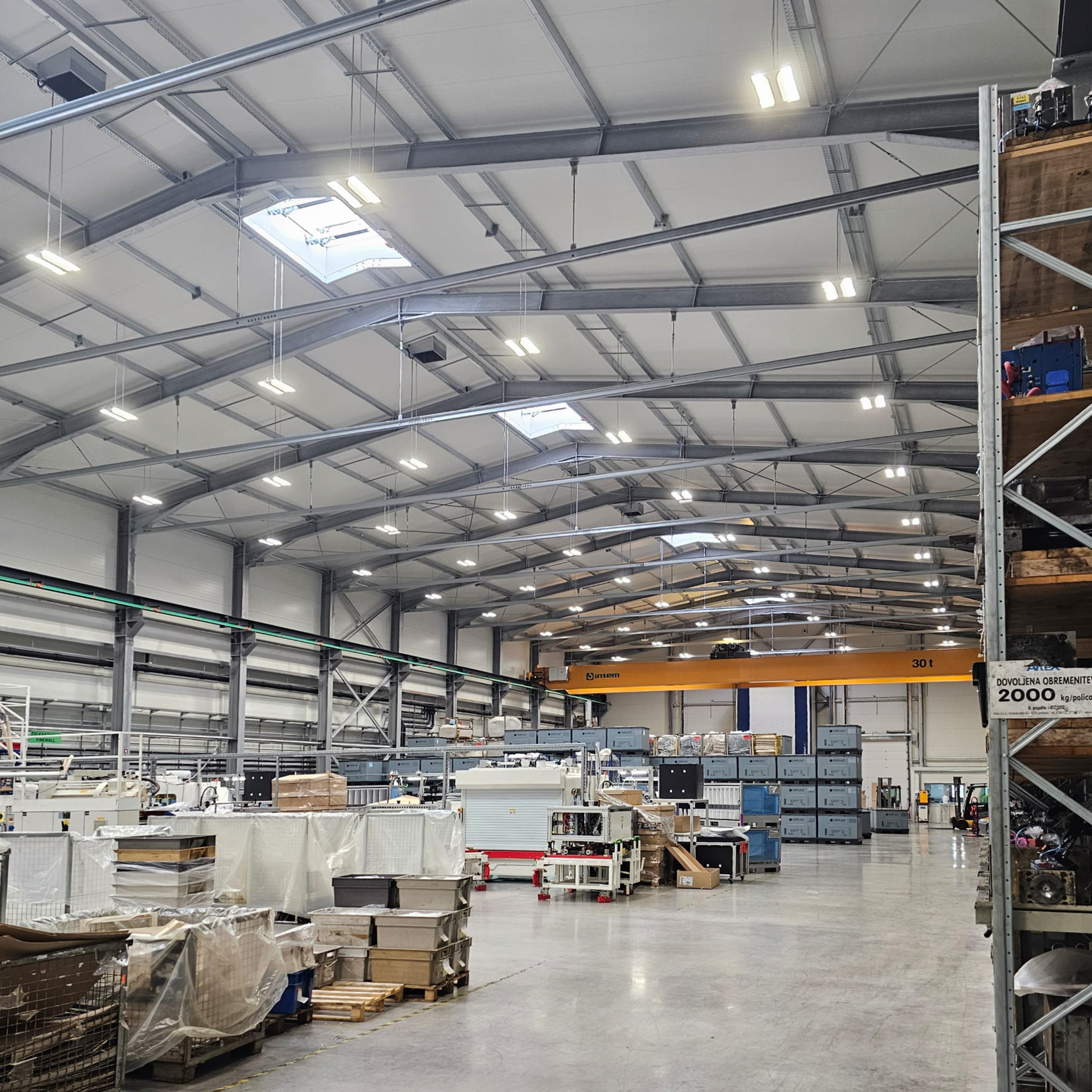
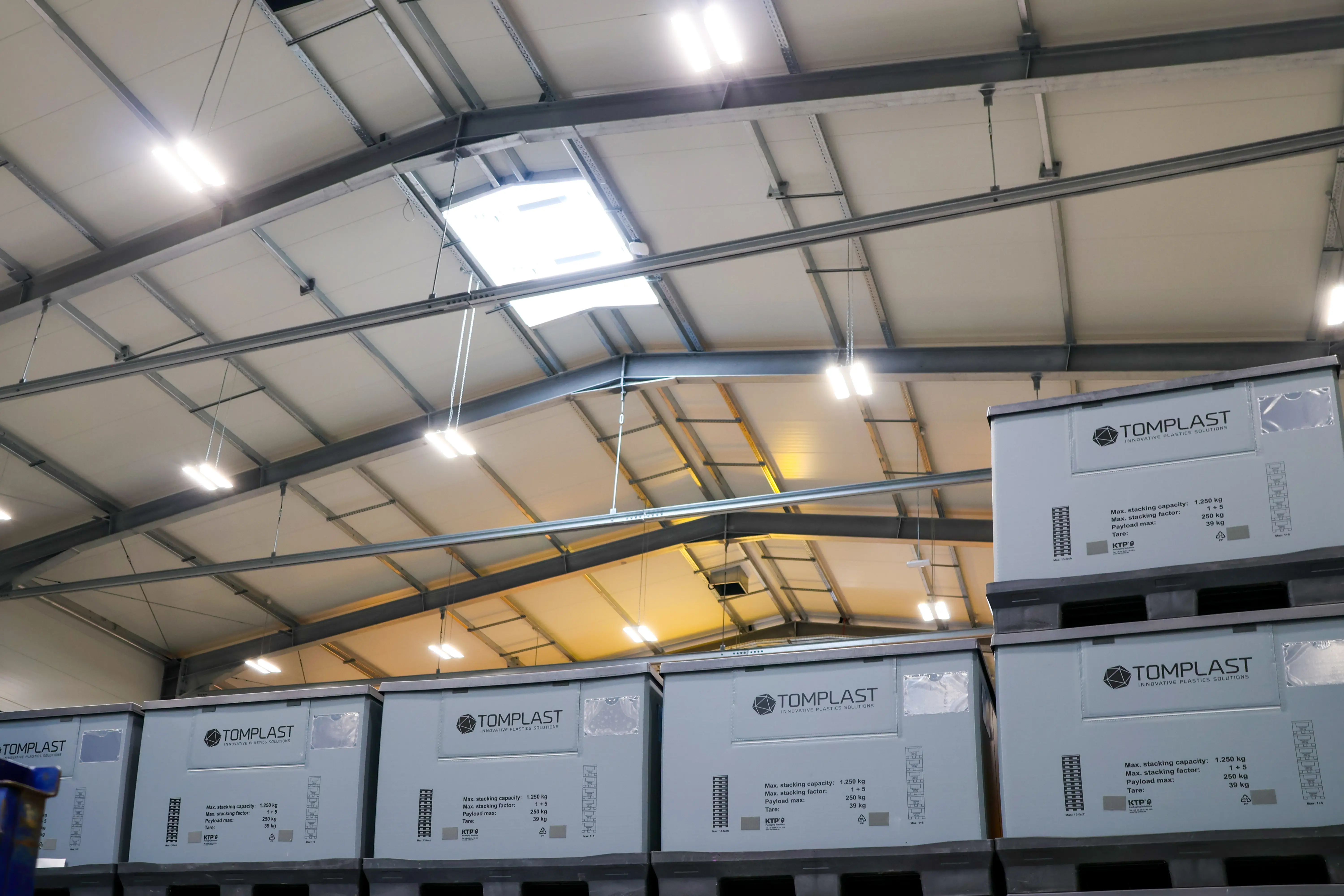
Industrial hall lit by suspended linear LED luminaires with uniform white light over the department
Tomplast: LED luminaires in place of discharge high bays, on the same suspension grid.

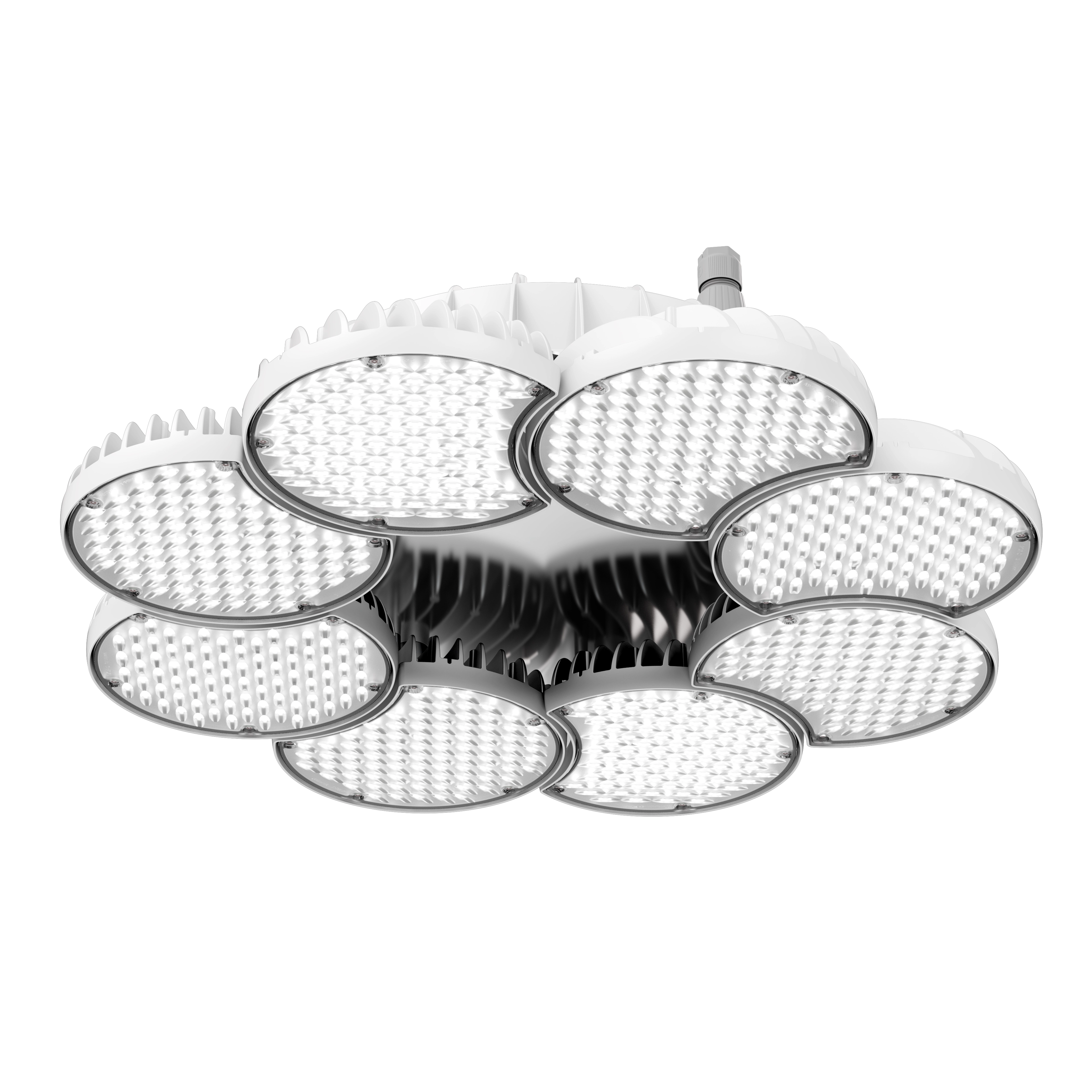
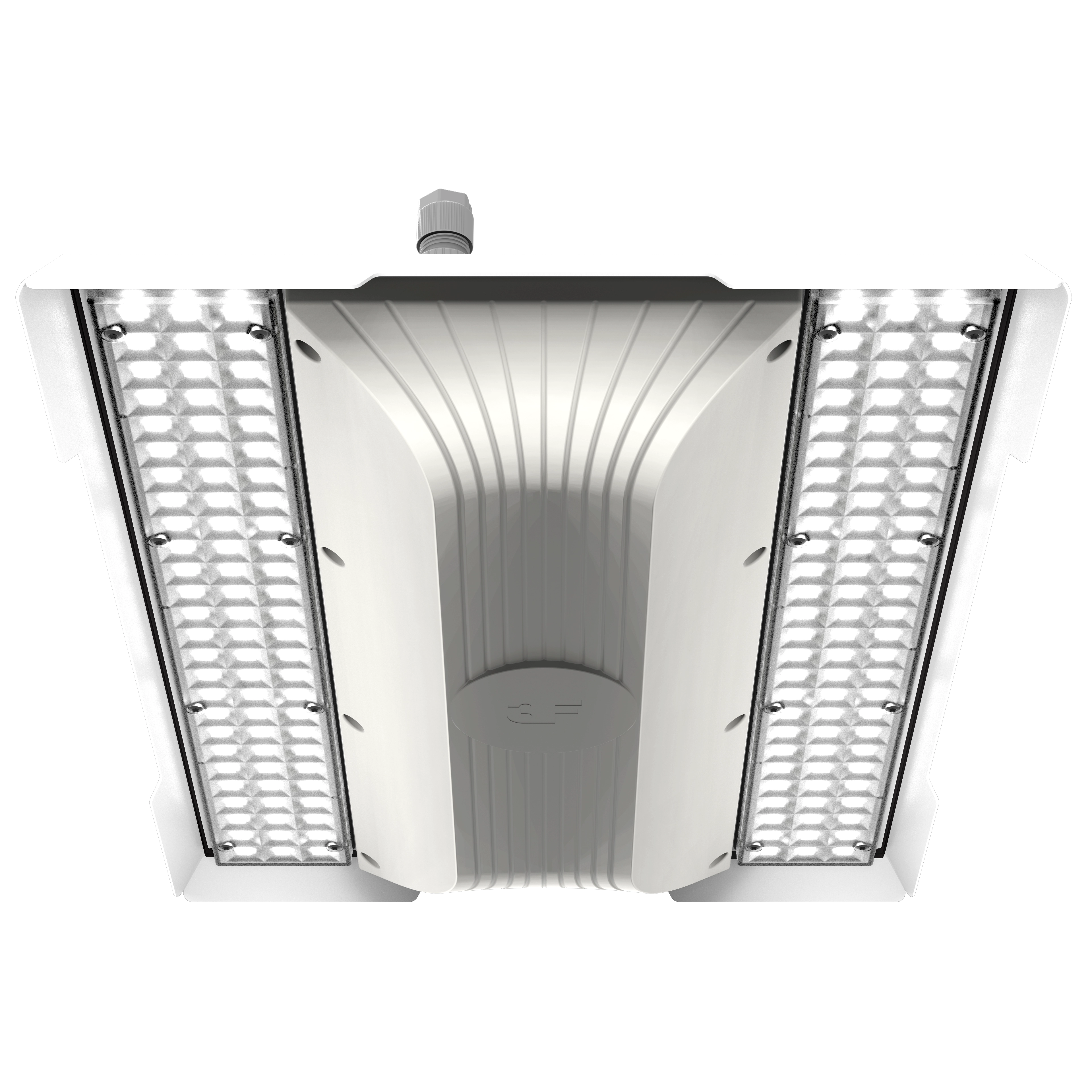
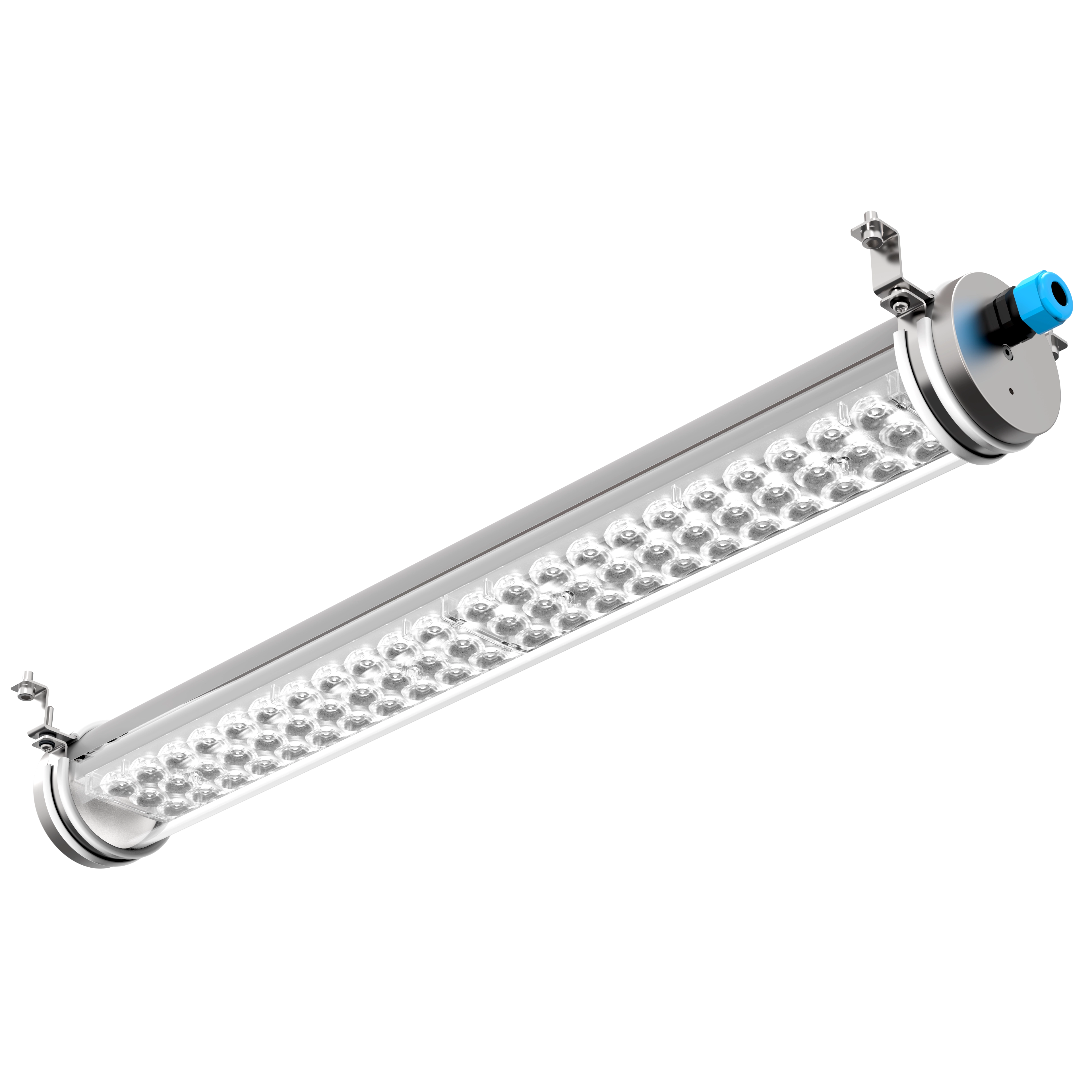
3F Filippi LED ranges for industry

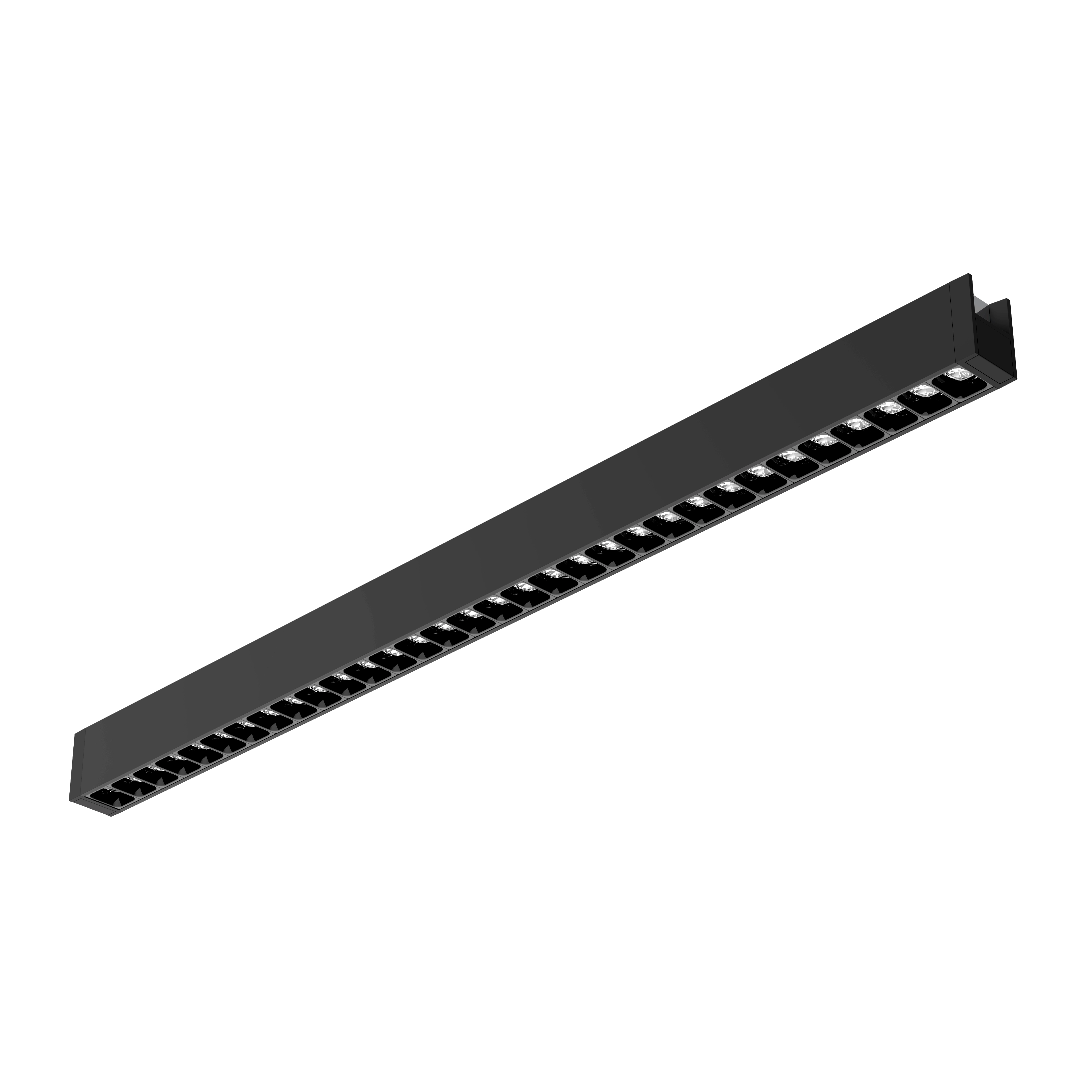
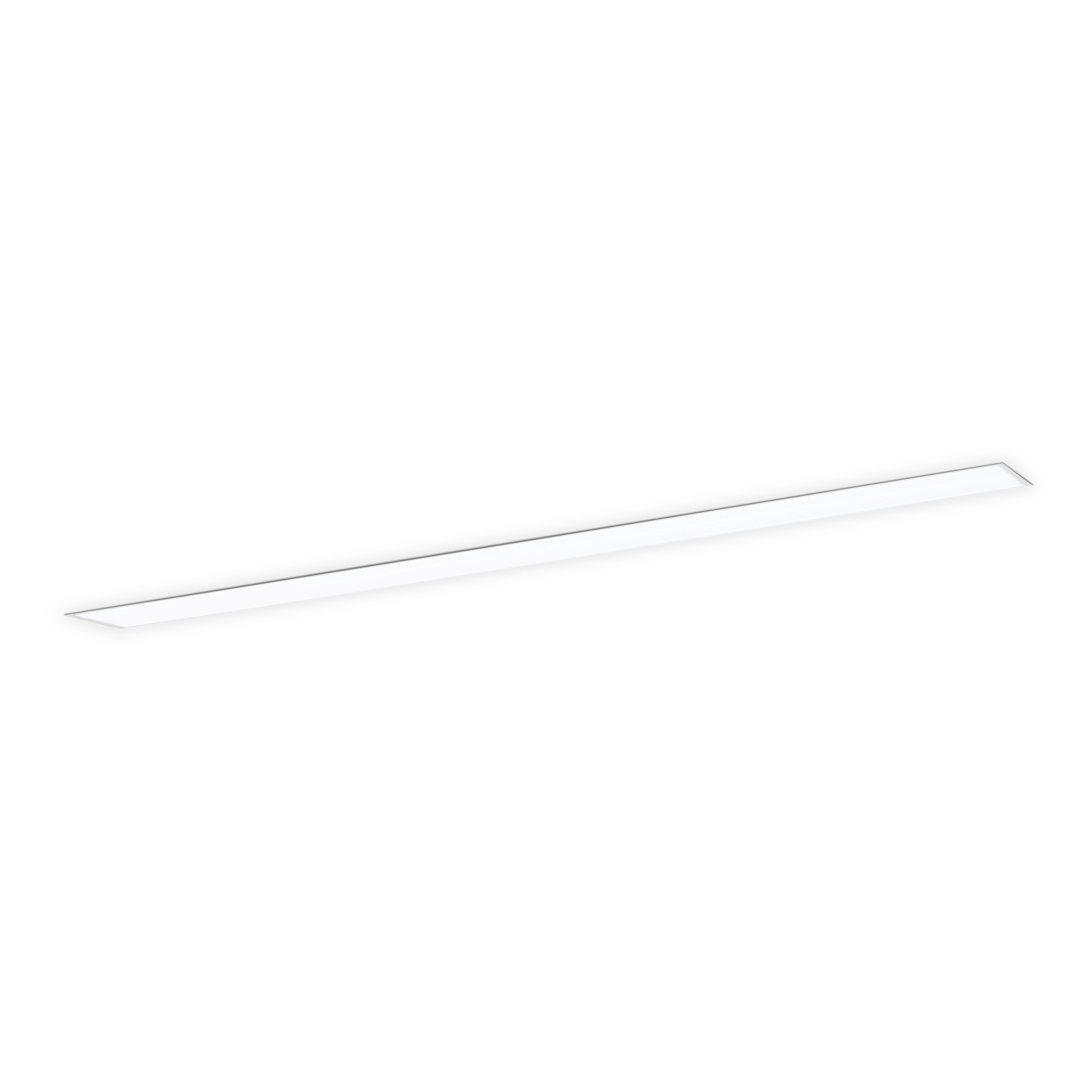
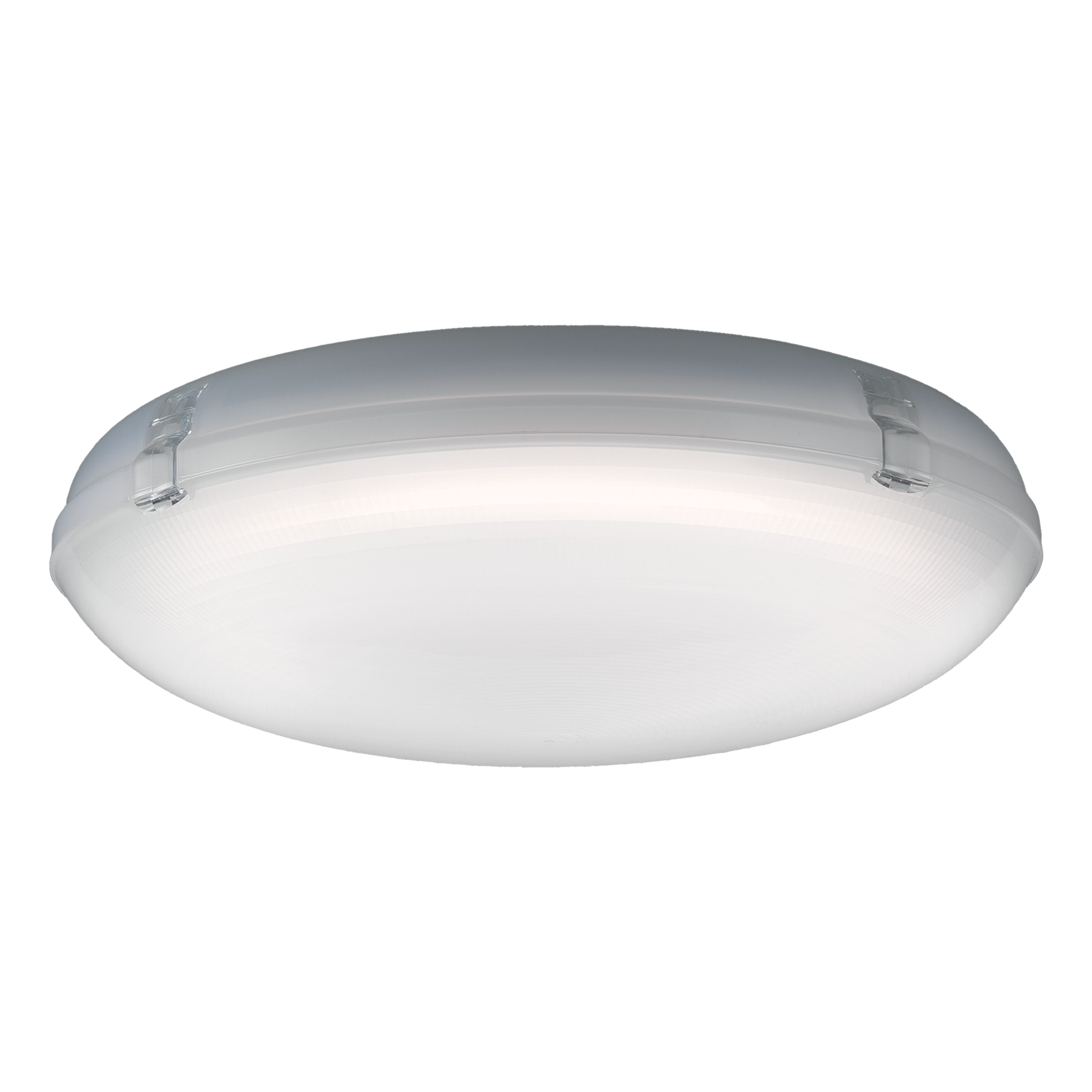
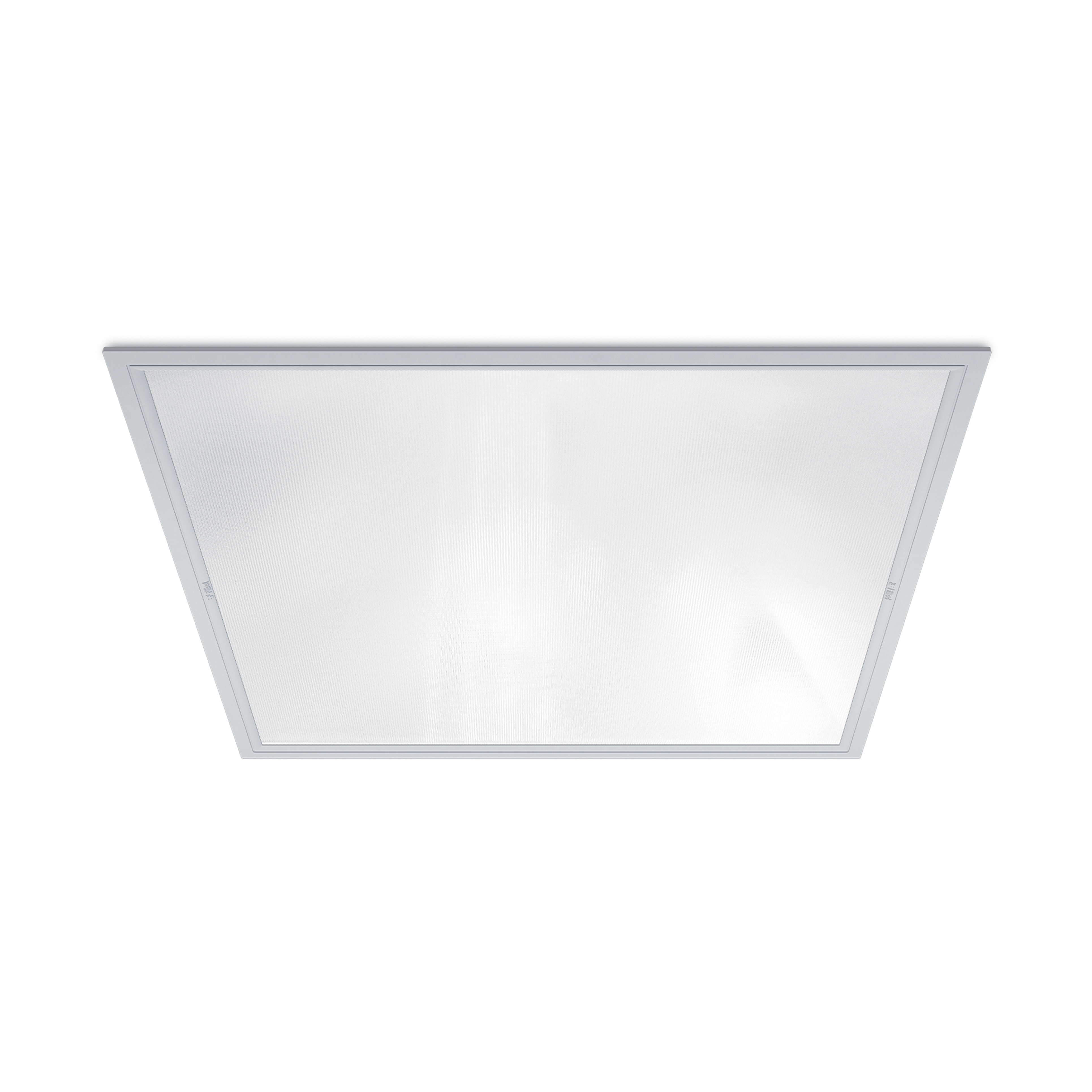
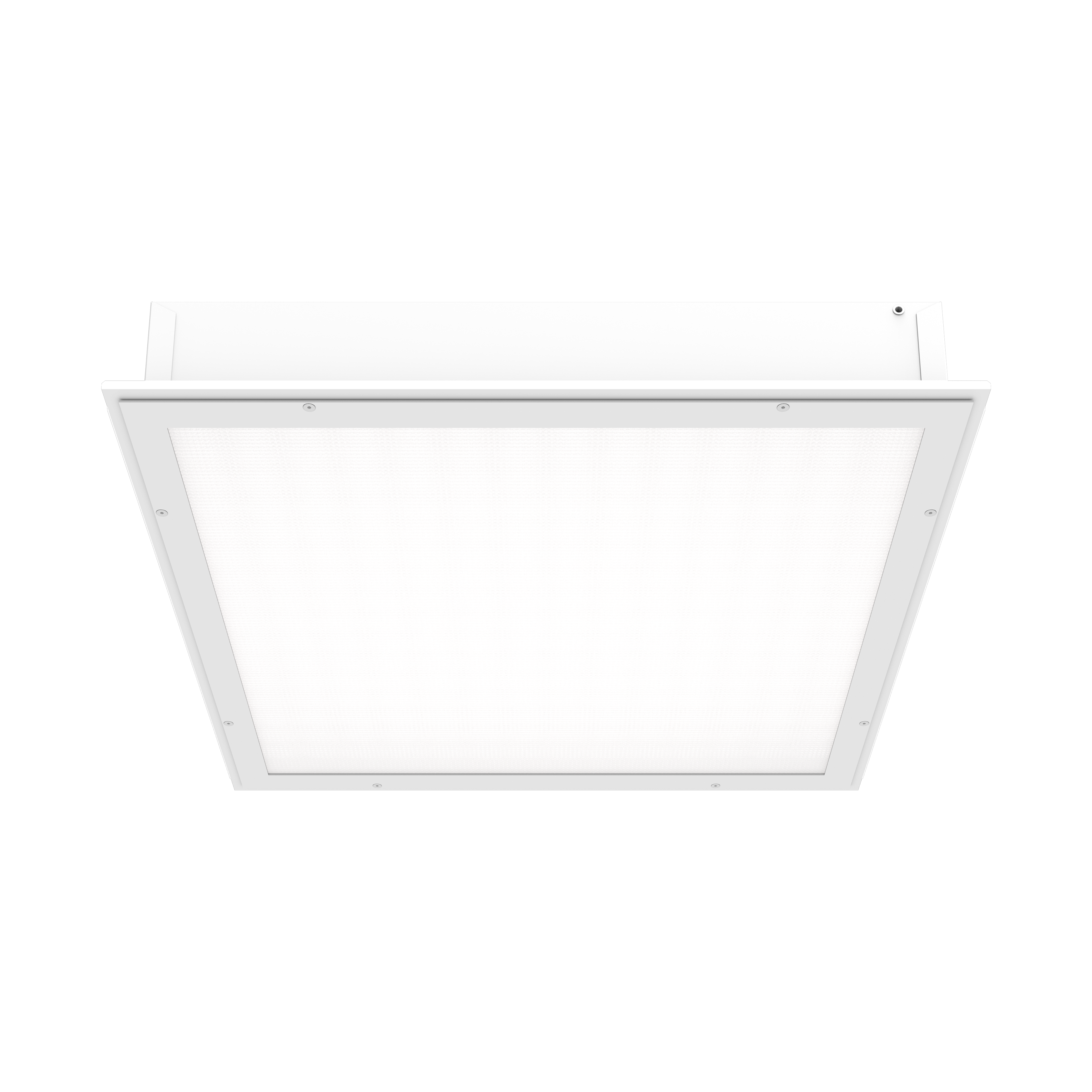
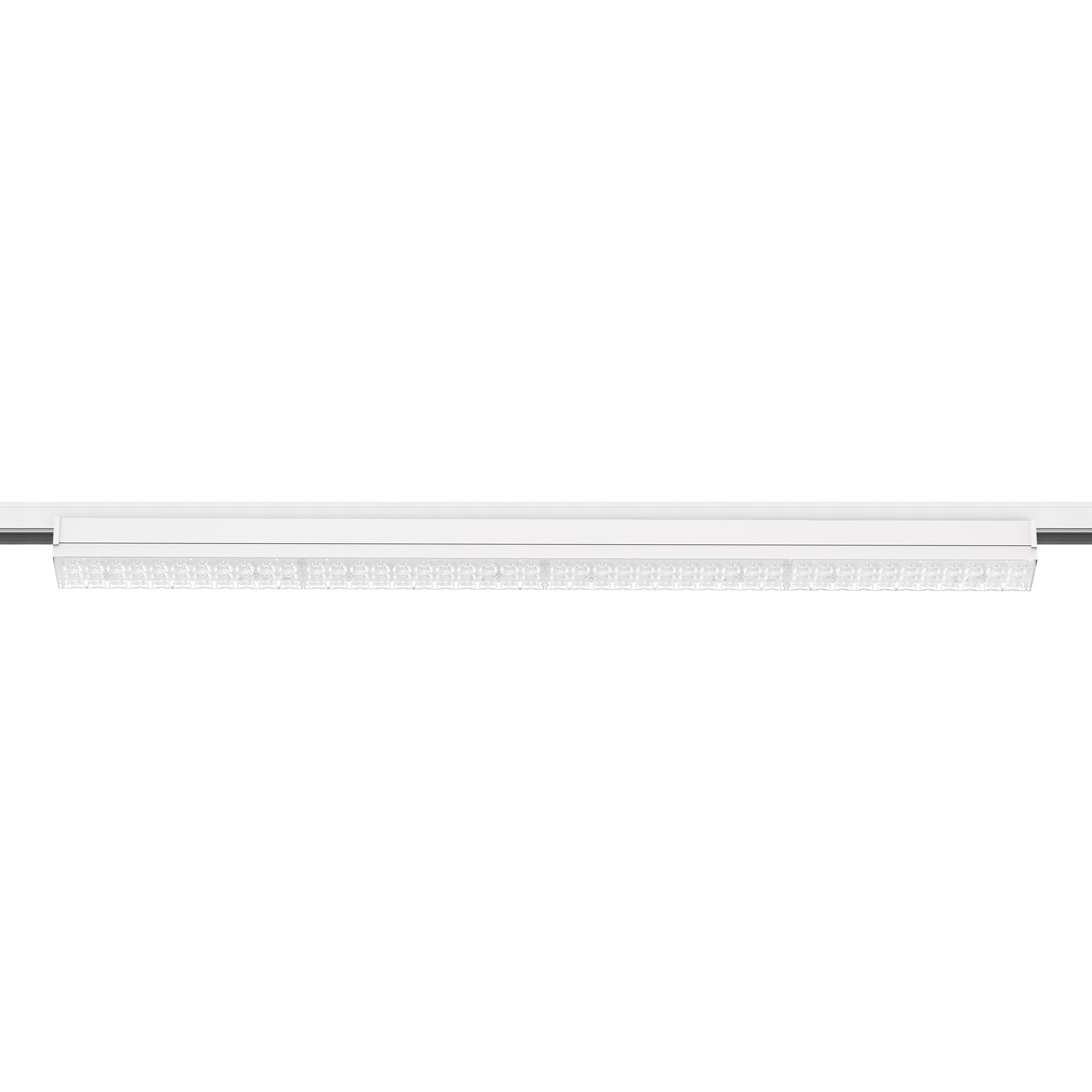
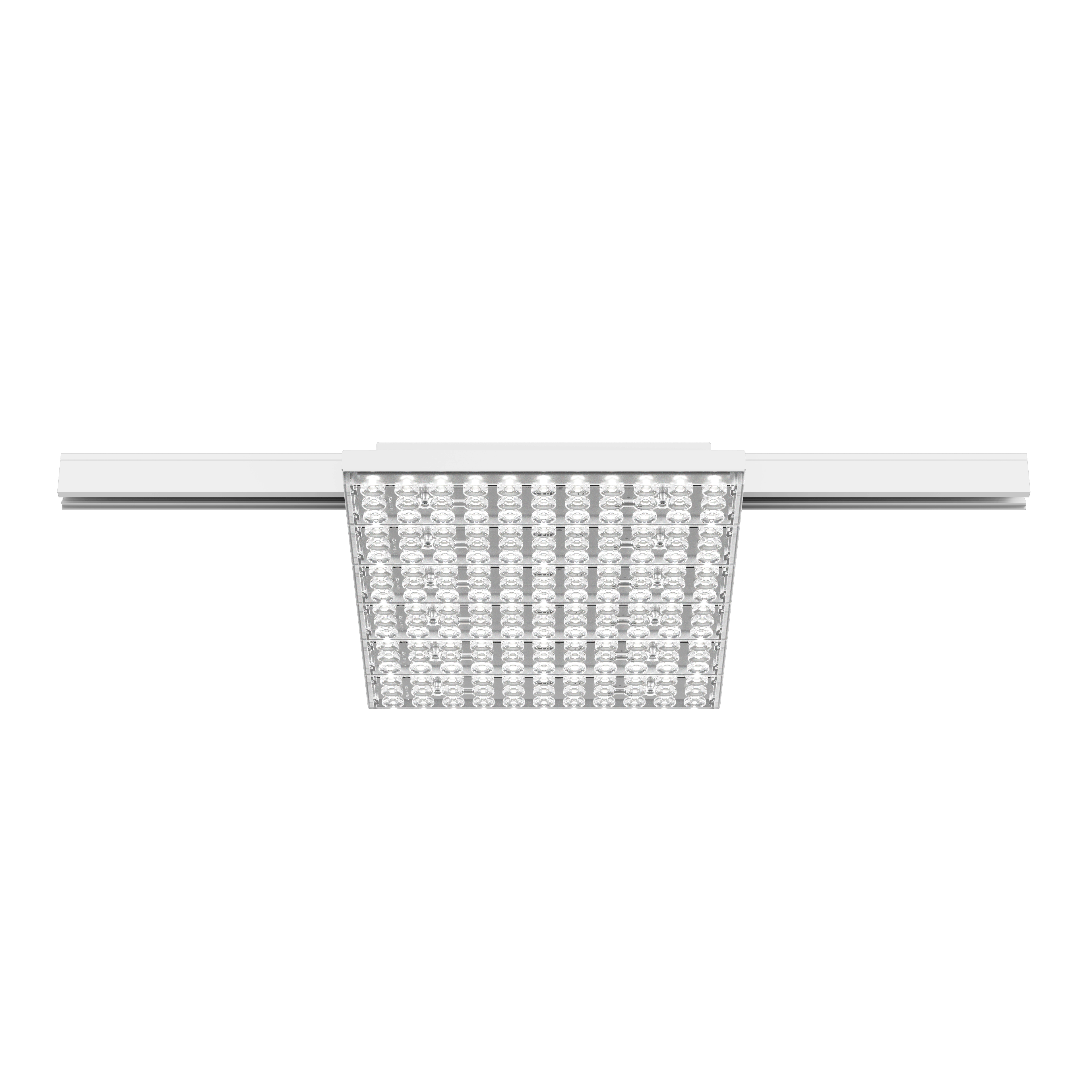
Weatherproof luminaires, linear fittings for high bays, industrial suspensions and track systems, all with efficacy, L80/B10 lifetime, maximum ambient temperature and flicker class on the data sheet, together with IES and Eulumdat files for calculation.

Browse all ranges

Plants that moved to LED with 3F Filippi

Three installations where LED technology replaced the previous one, with the figures measured after installation.

Frequently asked questions about industrial LED lighting

What is the difference between lumens, lux and lumens per watt?

Lumens measure the light emitted by the luminaire; lux measure what reaches a surface (one lux is one lumen per square metre) and are the quantity the standard prescribes on the working plane; lumens per watt measure efficacy, i.e. how much light you get for each watt drawn. Two 20,000-lumen luminaires can give very different lux on the bench depending on optic and height: that is why you compare lighting calculations, not catalogues.

How long do industrial LEDs really last, and what does L80B10 mean?

An LED does not fail suddenly but loses output over time, so lifetime is expressed as the hours after which output has fallen to a percentage of the initial value. L80B10 50,000 h means that after 50,000 hours at least 90% of the modules still emit 80% or more of their initial output. At 4,500 hours a year that is eleven years; many ranges declare higher values. The figure holds at the ambient temperature stated on the data sheet: mounting a luminaire above its maximum temperature shortens its life substantially.

Do LEDs flicker? Are there risks on rotating machinery?

It depends on the driver, not the LED. A cheap driver lets through a 100 Hz current ripple that produces invisible but tiring flicker and, on rotating machinery, a stroboscopic effect that can make a moving part look stationary. The European Ecodesign regulation 2019/2020 sets limits on these phenomena (PstLM ≤ 1 and SVM ≤ 0.4 as the reference for the stroboscopic effect) and 3F Filippi luminaires use drivers that comply: the light is stable even in workshops with lathes and mills.

Is it worth replacing metal halide or high-pressure sodium lamps with LED?

It is among the most profitable energy-efficiency measures of all. A 400 W HQI high bay draws about 440 W with its gear and after two years gives 70% of its initial light; a 150–180 W LED luminaire replaces it with more lux on the working plane, instant switch-on and no lamp to change. With high-pressure sodium the efficacy gain is smaller but the quality gain is enormous: you move from Ra 25 to Ra 80 colour rendering, and colours become recognisable again.

Does the heat under a factory roof shorten LED life?

Yes, if the luminaire is not designed for that temperature. The declared service life holds at a specific ambient temperature (ta), typically 25 °C; every additional 10 °C roughly halves the driver's life and accelerates LED depreciation. 3F Filippi industrial ranges state the maximum ambient operating temperature — up to 50 °C in high-temperature versions, with components qualified from −30 to +70 °C — and must be chosen for the real temperature at the mounting point, not at floor level.

Can industrial LED luminaires be dimmed and connected to sensors?

Yes, and it is one of the decisive differences from discharge lamps, which cannot be dimmed and do not tolerate frequent switching. DALI versions dim from 0.1 to 100% with no loss of efficiency or colour shift; versions with integrated sensor switch on only when someone is present and reduce output when daylight enters through the rooflights. In a factory with discontinuous shifts and daylight this is worth a further 30–40% saving, as explained on the smart lighting for industry page.

Want to know how much you would save by moving to LED?

With the type and number of current luminaires, the height and the burning hours, our technical department calculates the equivalent LED solution, the annual saving and the payback time. Free and without obligation.