Category

Smart lighting for industry

A factory that switches on the aisles when a forklift enters, dims the light under the rooflights at noon and flags a struggling driver before it fails: 3F Filippi LED luminaires with sensors, DALI-2 and Bluetooth, ready for Industry 4.0.

Request the assessment

Why smart lighting pays more in a factory than anywhere else

In an office, controls save money because people leave at six. In a factory they save money because the space is huge, occupancy is patchy and daylight comes in through rooflights and sheds for most of the day: three conditions a conventional installation — everything on at full power for the whole shift — ignores completely. On an already efficient LED installation, smart lighting for industry takes off a further 30–40%, and against the original discharge installation it reaches an overall −80%.

The second reason is that industry already has the infrastructure to do it. Whoever runs a line with a supervisory system, monitors machine consumption or schedules maintenance by running hours knows exactly what to do with a lighting installation that speaks the same language: individually addressed luminaires, consumption read in real time, faults flagged before they happen. It is Industry 4.0 applied to light.

This page explains the strategies that work in a factory, the sensors that cope with heights and dust, and how to integrate everything into the plant management system. The fundamentals are on the industrial lighting page; if the installation is still discharge or fluorescent, the starting point is industrial relamping, which with the right luminaires brings controls together with LED.
Control strategies in industrial environments and what they save

The strategies are the same as in commercial buildings, but in a factory the weights and requirements change: presence detection is worth more where areas are large and rarely visited, daylight harvesting depends on rooflights, and sensors must work at 10 metres in the dust. The figures are orders of magnitude on an already efficient LED installation.

Strategy Typical saving Where it pays most in a factory What it needs
Presence detection per zone or per aisle 30–50% Warehouses, racking aisles, intermittently occupied areas, shift departments Sensors with range tuned to the height (high-bay PIR or microwave), switch-off delay and standby level
Daylight harvesting under rooflights and sheds 20–40% Factories with shed or rooflight roofs, canopies, glazed perimeter zones Photocells per zone, DALI dimmable luminaires, zones aligned with the daylight
Per-shift scenes and time scheduling 10–20% Departments working different shifts, cleaning, night maintenance Control system with clock, zones per department, local override controls
Constant illuminance 10–15% All departments, especially with a high maintenance factor Dimmable driver, initial commissioning below 100%
Energy monitoring and diagnostics (D4i) Decisions and maintenance Plants with energy management, EPC contracts, ISO 50001 certification D4i drivers, gateway to SCADA/BMS, data collection platform
Predictive maintenance Avoided downtime High-mounting installations, 24/7 lines, hard-to-reach areas Driver diagnostics (hours, temperature, faults), intervention plan by window

The sum is not arithmetic: presence and daylight harvesting together in a factory with sheds and variable occupancy usually land between 40 and 50% below uncontrolled LED, which already used 70% less than discharge lamps — in a row, −80% against the starting point. EN 15232-1 classifies the level of automation: presence and daylight-linked dimming per zone earn class A, the one that counts in the energy certification of the industrial building.

Sensors, protocols and integration: what changes in a factory

Three practical differences from an office smart installation, and how 3F Filippi luminaires deal with them.

Sensors that work at 10 metres and in dust

An office PIR sensor at 3 metres sees a person; at 10 metres it sees little. High mounting needs high-bay PIR sensors with dedicated lenses or microwave sensors, which detect a forklift's movement through dust and are unaffected by temperature. In 3F Filippi luminaires with integrated sensor the range is tuned to typical factory mounting heights, and the sensor is protected by the same IP rating as the luminaire.

The photocell for daylight harvesting is positioned per zone, not per luminaire: under a shed roof daylight changes every metre, and a well-defined zone prevents two adjacent rows from behaving differently.

DALI-2 and Bluetooth mesh in the factory

DALI-2 (IEC 62386) is the choice for new installations and complete relampings: every luminaire has an address, zones are redefined in software when the department layout changes, and with D4i the drivers report consumption, hours and temperature. Bluetooth mesh is the choice for retrofits on existing installations without a bus: luminaires talk by radio and are commissioned from a smartphone, even at 10 metres.

All versions dim from 0.1 to 100% without flicker and withstand frequent switching cycles — something discharge lamps did not allow, which is why in many plants sensors were never installed.

Integration with SCADA, BMS and energy management

A gateway brings the lighting installation onto the plant supervisory system (BACnet, Modbus, OPC UA through dedicated platforms): same schedules as the lines, department switch-on from the production plan, switch-off with the last badge. D4i data feeds energy management for ISO 50001, energy performance contracts and national schemes for the digital and energy transition of industry.

Compliance with EN 12464-1, EN 60598-1 and EN 60598-2-22, CE and ENEC marking, ATEX versions with control where the environment requires it.

What a smart installation delivers in a plant

The four results plant management, the energy manager and maintenance measure.

−80% less energy than the discharge installation, with LED and controls
20–40% saving from daylight harvesting alone under sheds and rooflights
DALI-2 open, interoperable protocol, no lock-in to a supplier
Classe A EN 15232-1 automation class achievable

Energy cut where the factory is empty

At any given moment most of a factory has nobody in it: aisles, storage areas, departments between shifts. Per-zone presence detection takes those areas to a standby level instead of full power, and daylight harvesting switches off the artificial light when enough comes in through the sheds. It is the 30–40% LED alone cannot capture.

Constant safety, even at reduced light

The standby level is not darkness: it is the minimum illuminance for transit routes, with instant switch-on to 100% when someone enters. Constant illuminance over time and monitoring of luminaire performance mean the department always has the design light, not that of an aged installation.

Integration with Industry 4.0

Addressed luminaires, per-zone consumption data, commands from the supervisory system: light enters the same platform as the machines and the energy, with remote management of the installation and reporting for certifications and incentives. No parallel system to learn.

Predictive maintenance instead of on-call

D4i drivers report running hours, temperatures and anomalies: a luminaire at 12 metres about to fail is replaced in the scheduled maintenance window, with the lift already in the department, not when it leaves a line in the dark mid-shift. It is the most underrated saving in quotations and the most appreciated after a year.

Where smart lighting changes the outcome most in a factory

  • Factories with sheds and rooflights — per-zone daylight harvesting: artificial light follows natural light throughout the day.
  • Departments on discontinuous shifts — per-shift scenes and per-zone presence: the second shift lights only the lines that are working.
  • Warehouses and racking aisles — sensors at the start and end of the aisle, standby level and switch-on as the forklift enters.
  • Logistics areas and docks — per-zone presence on the docks, switch-on from the loading plan, continuity with outdoors.
  • Workshops and laboratories — constant illuminance at the stations, local overrides for those who need more light.
  • High- or low-temperature environments — sensors and drivers qualified for the environment, frequent switching cycles without penalty.
  • Loading bays, canopies and yards — dusk and sensor switching on the same platform as indoors.
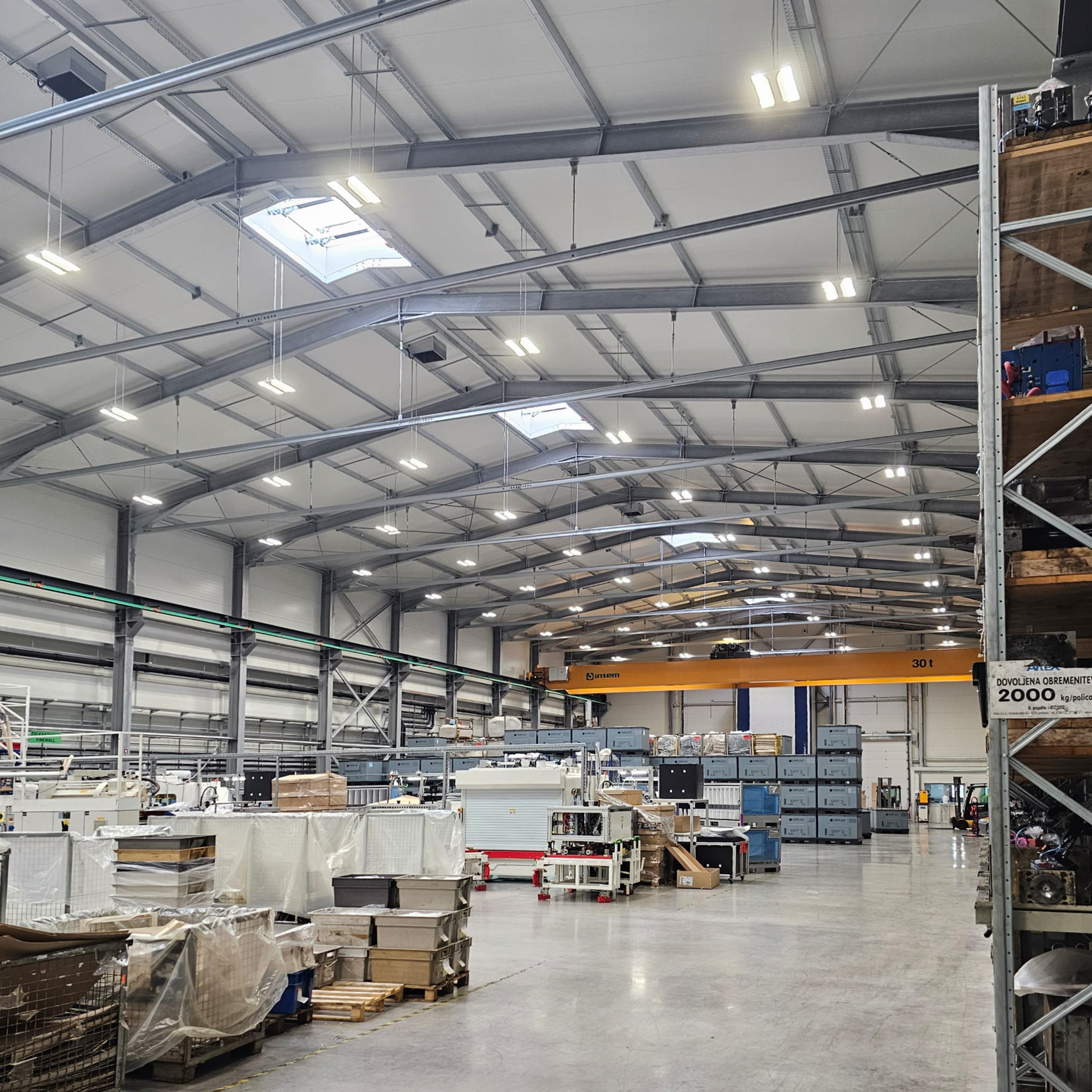
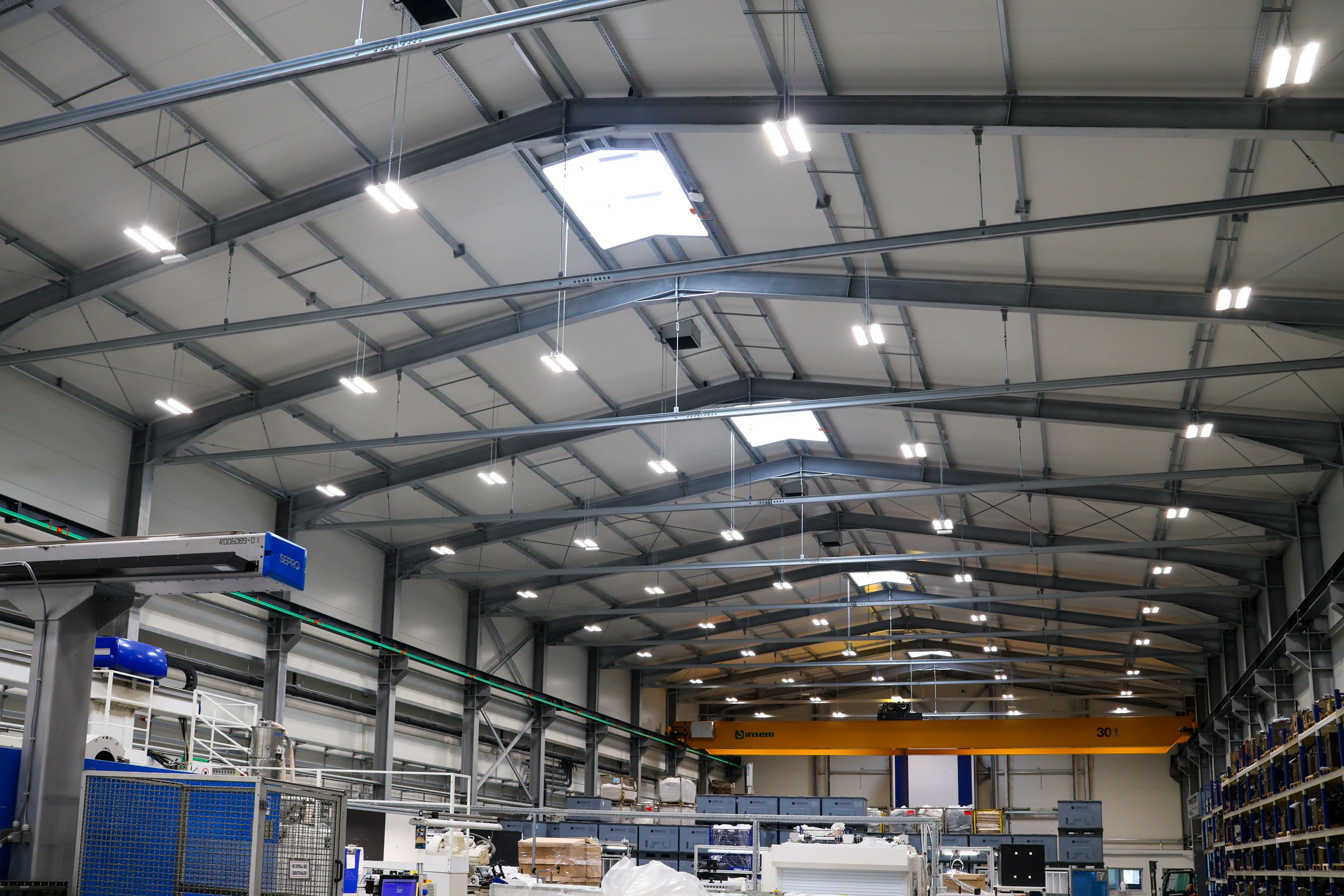
Industrial hall with shed roof and dimmable linear LED luminaires above the machining
Tomplast: daylight from the sheds and dimmable LED luminaires work together on the same department.

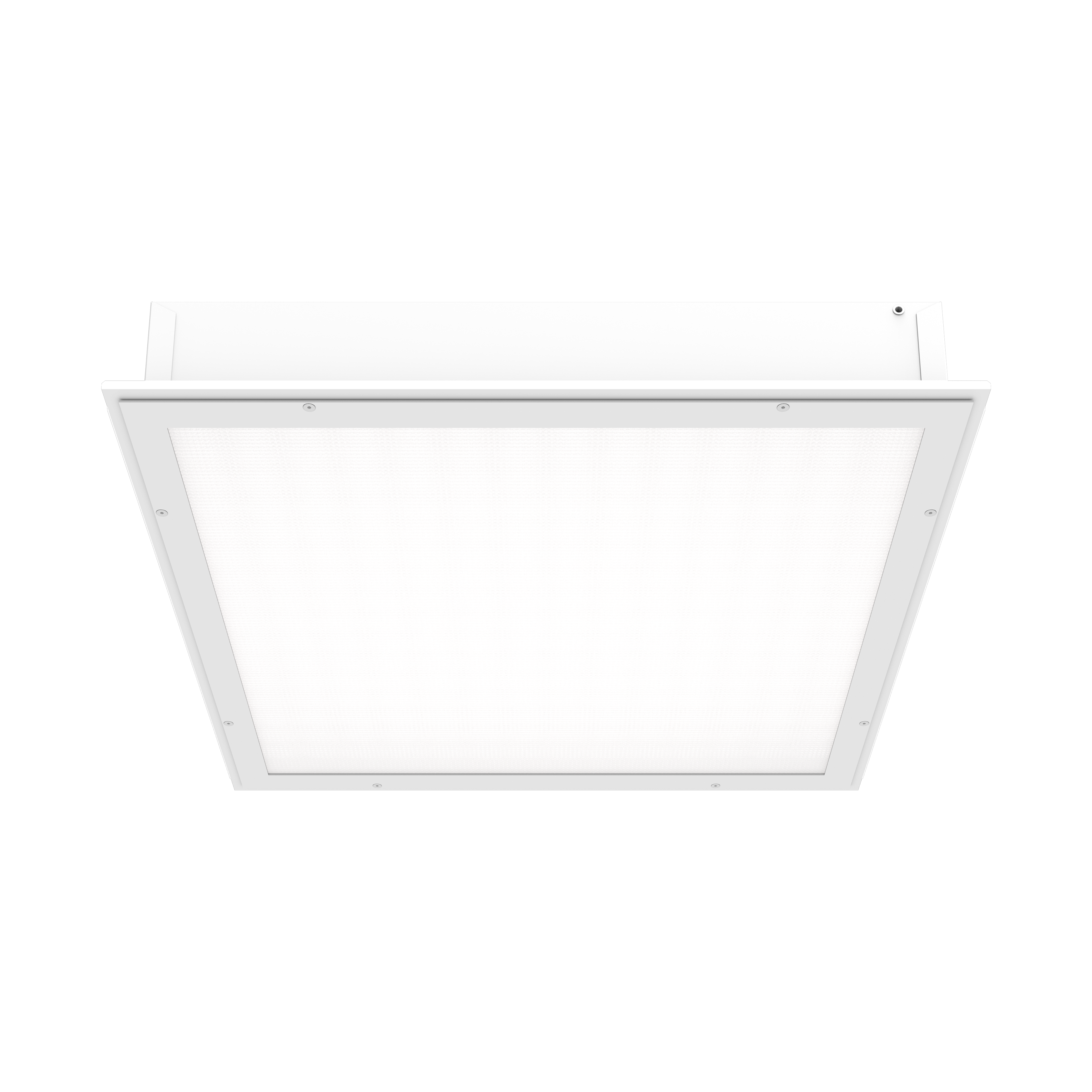
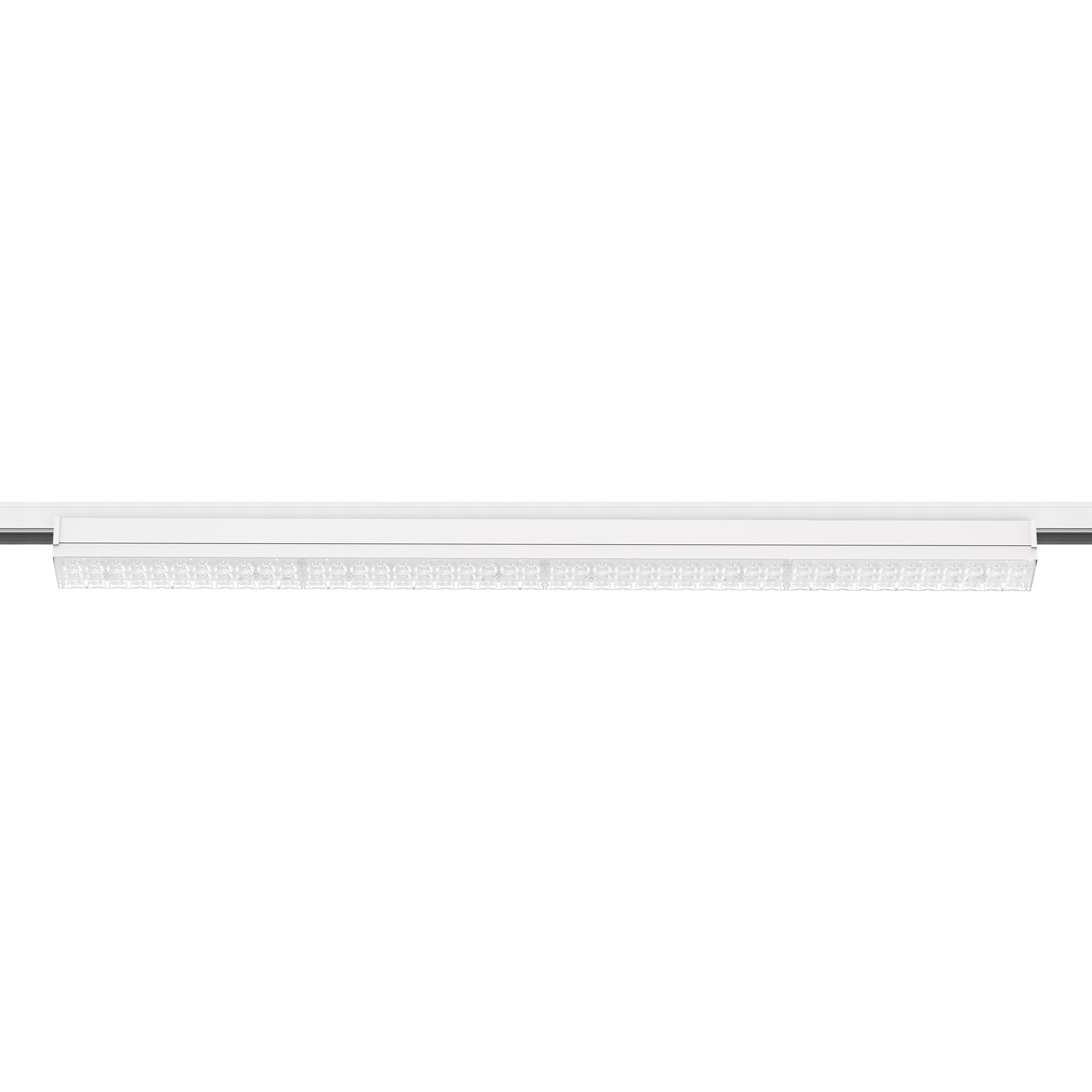
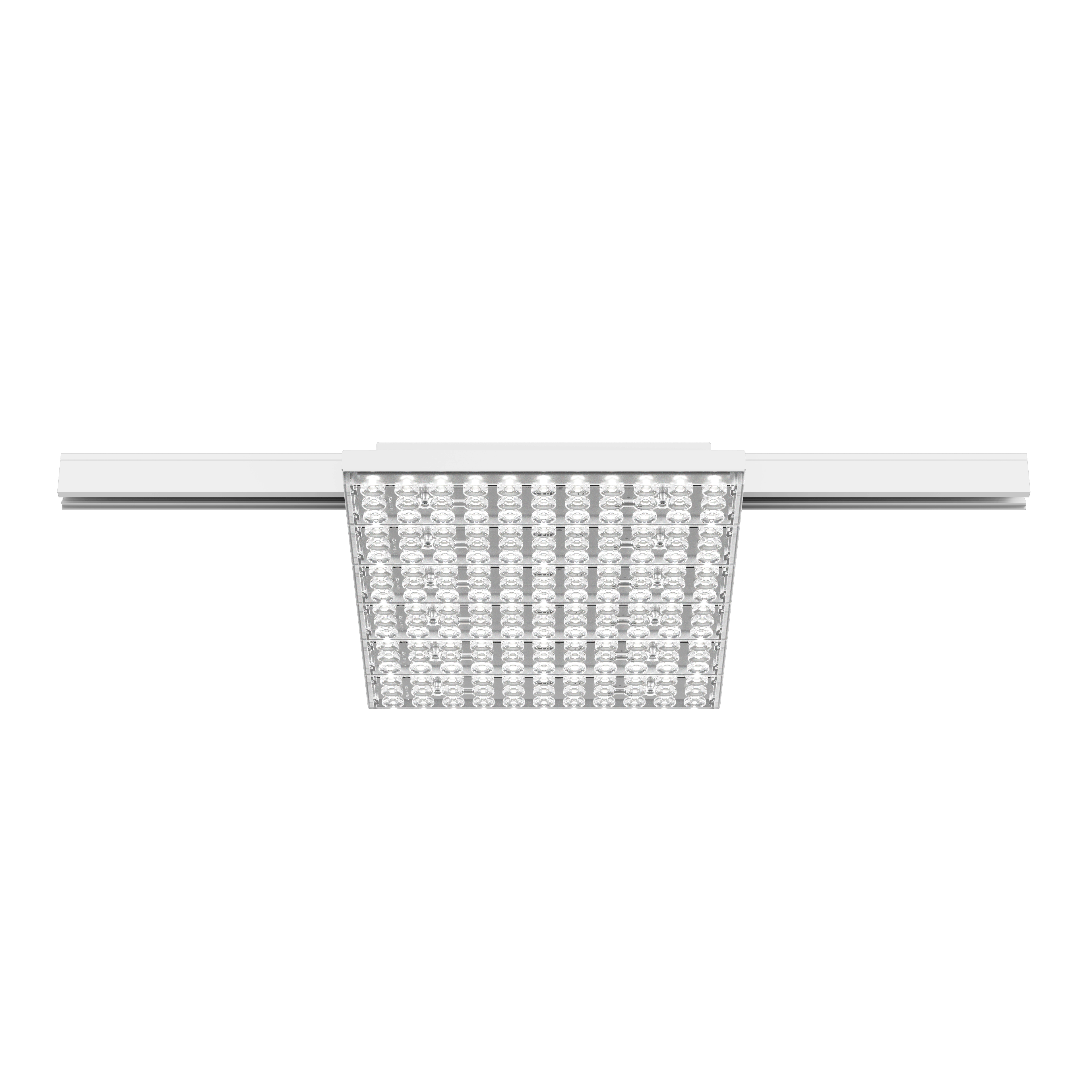
3F Filippi industrial ranges with integrated control

The high-bay and harsh-environment ranges are available in DALI versions and, for many, with an integrated sensor tuned to the height or a Bluetooth module. The range pages list the control variants, sensor ranges, photometry and calculation files.

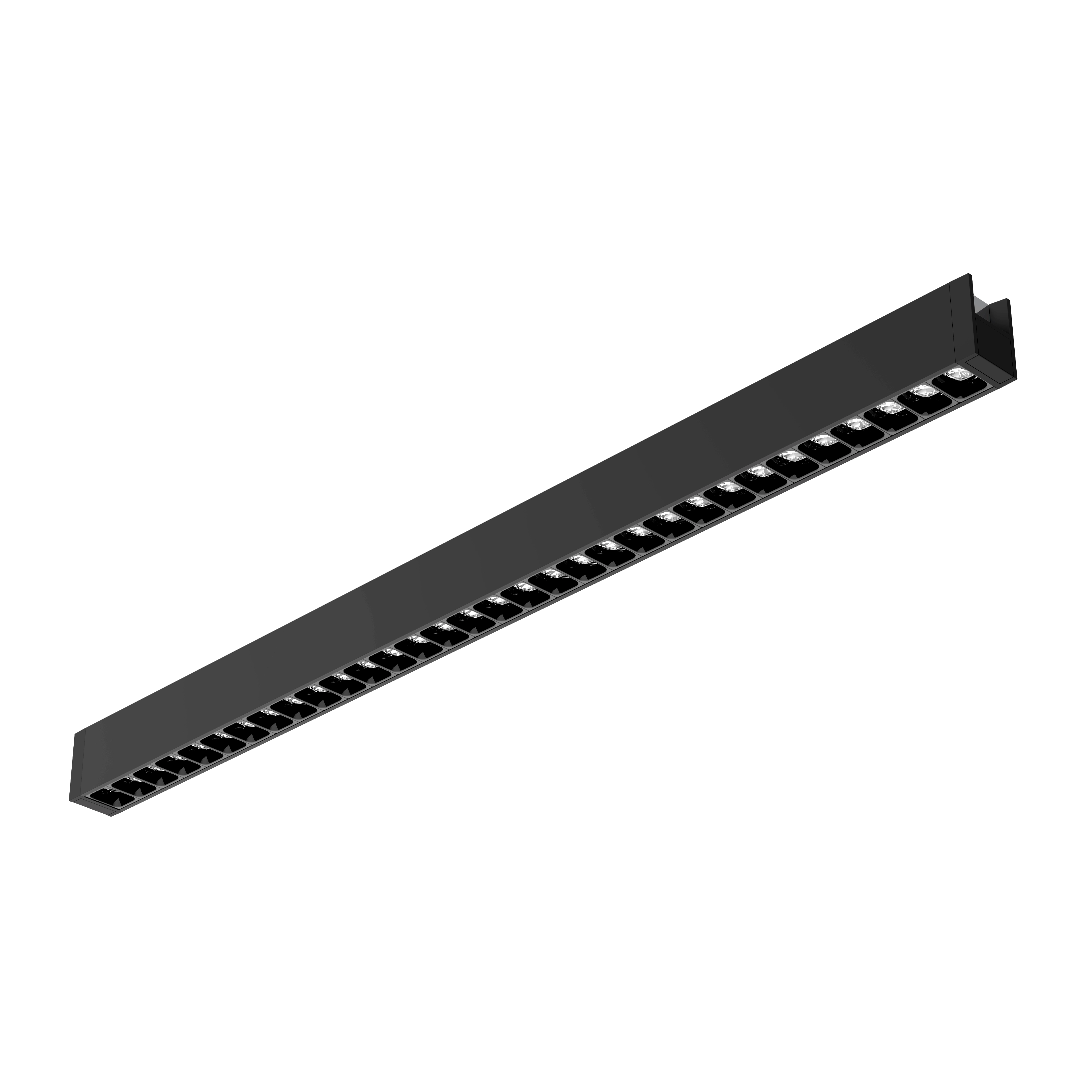
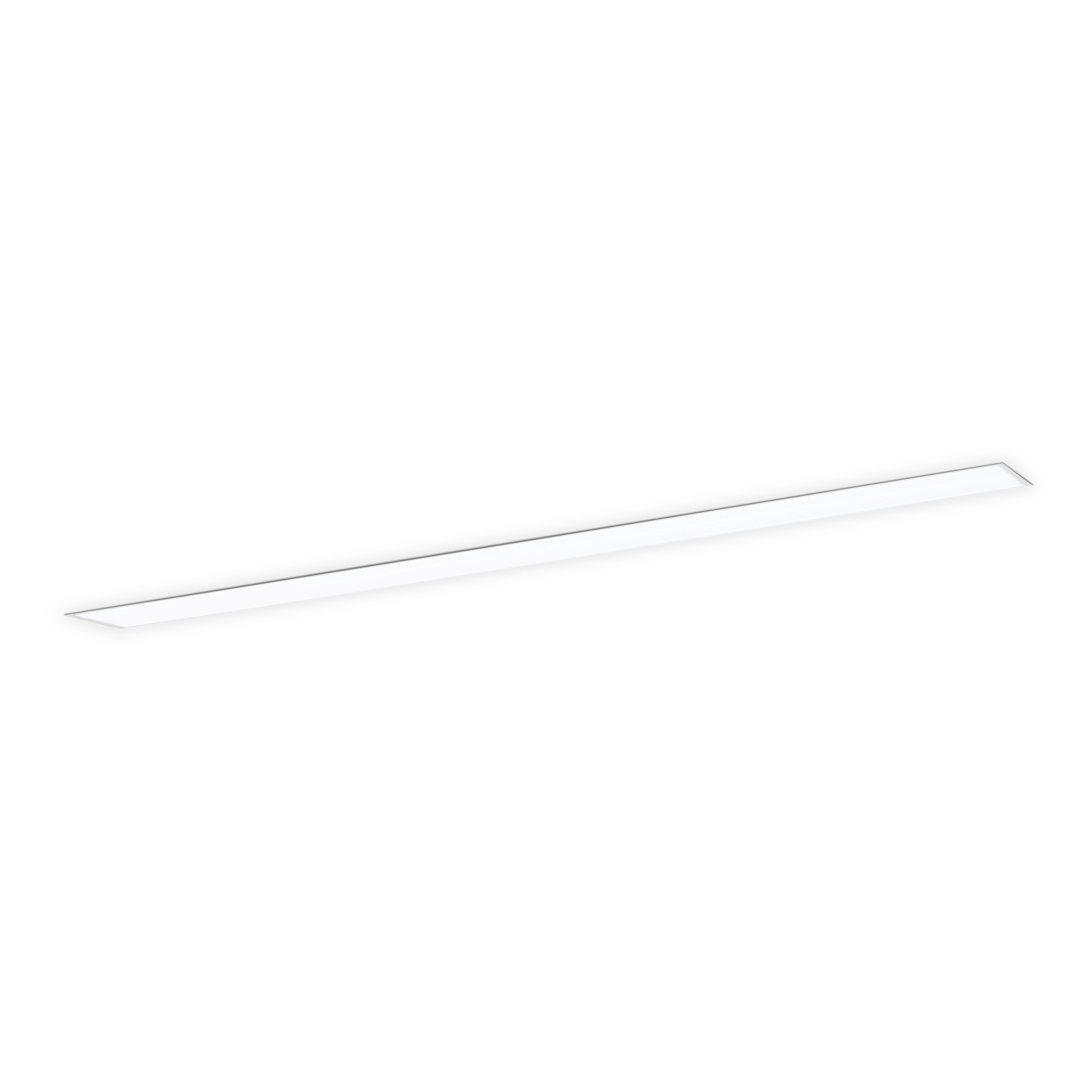
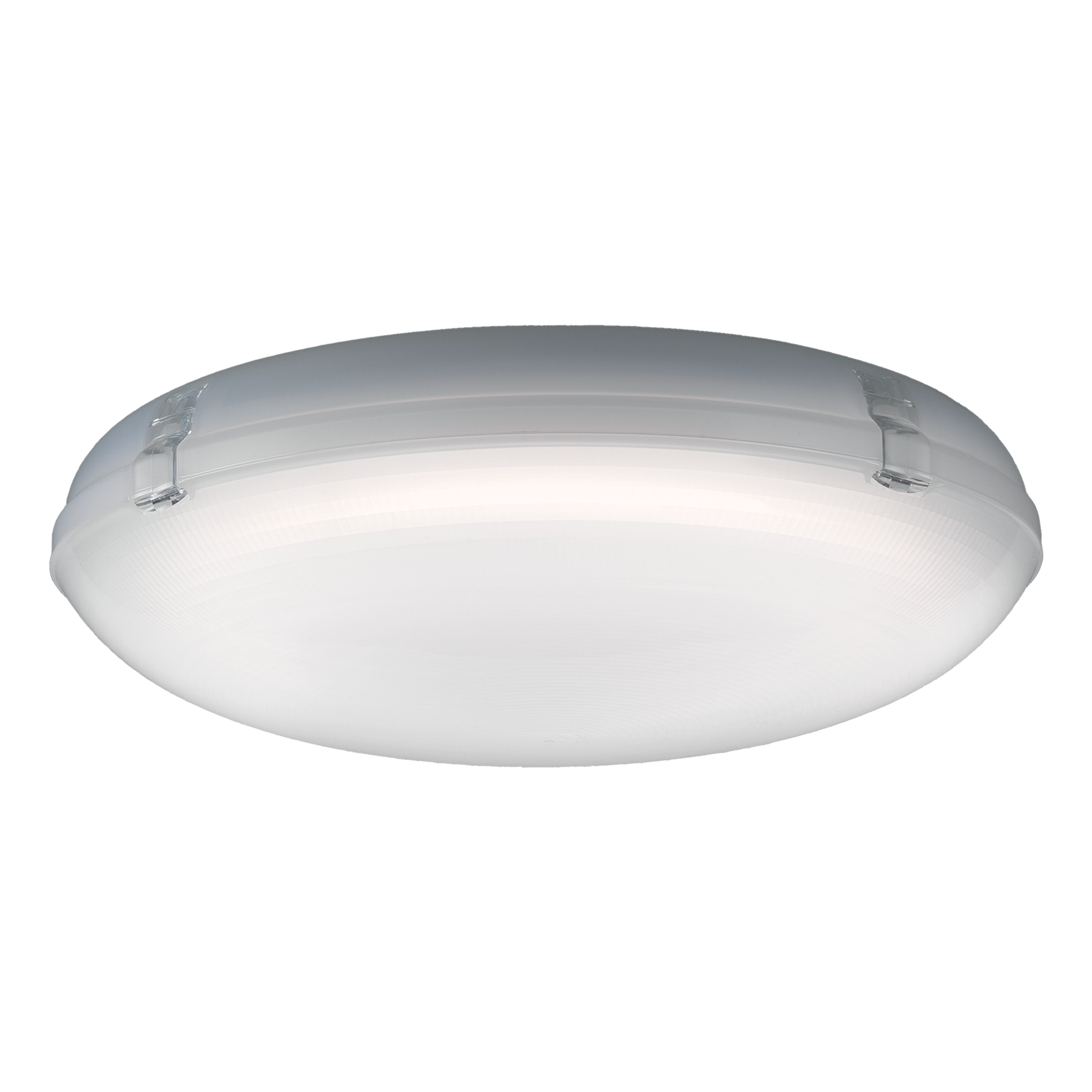
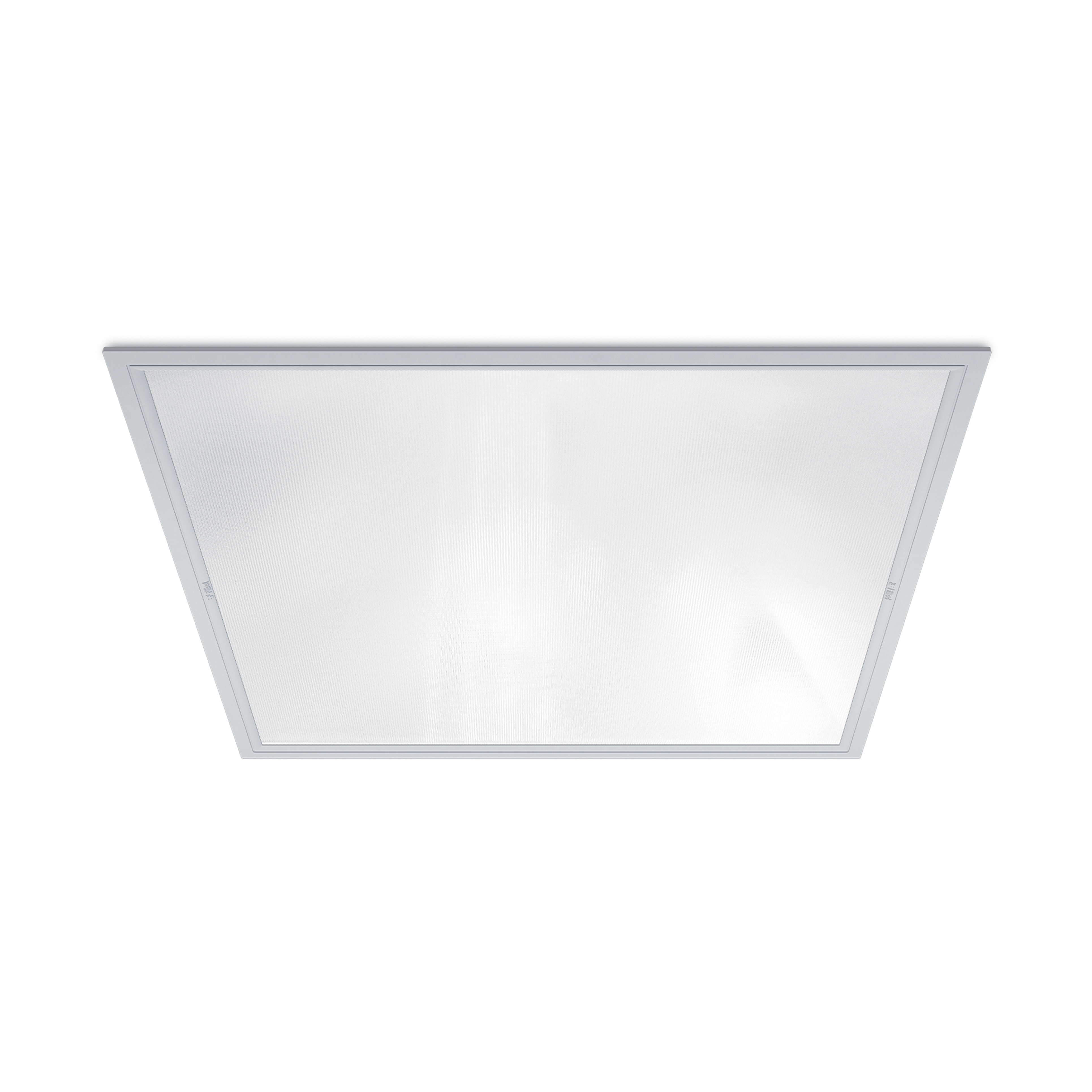
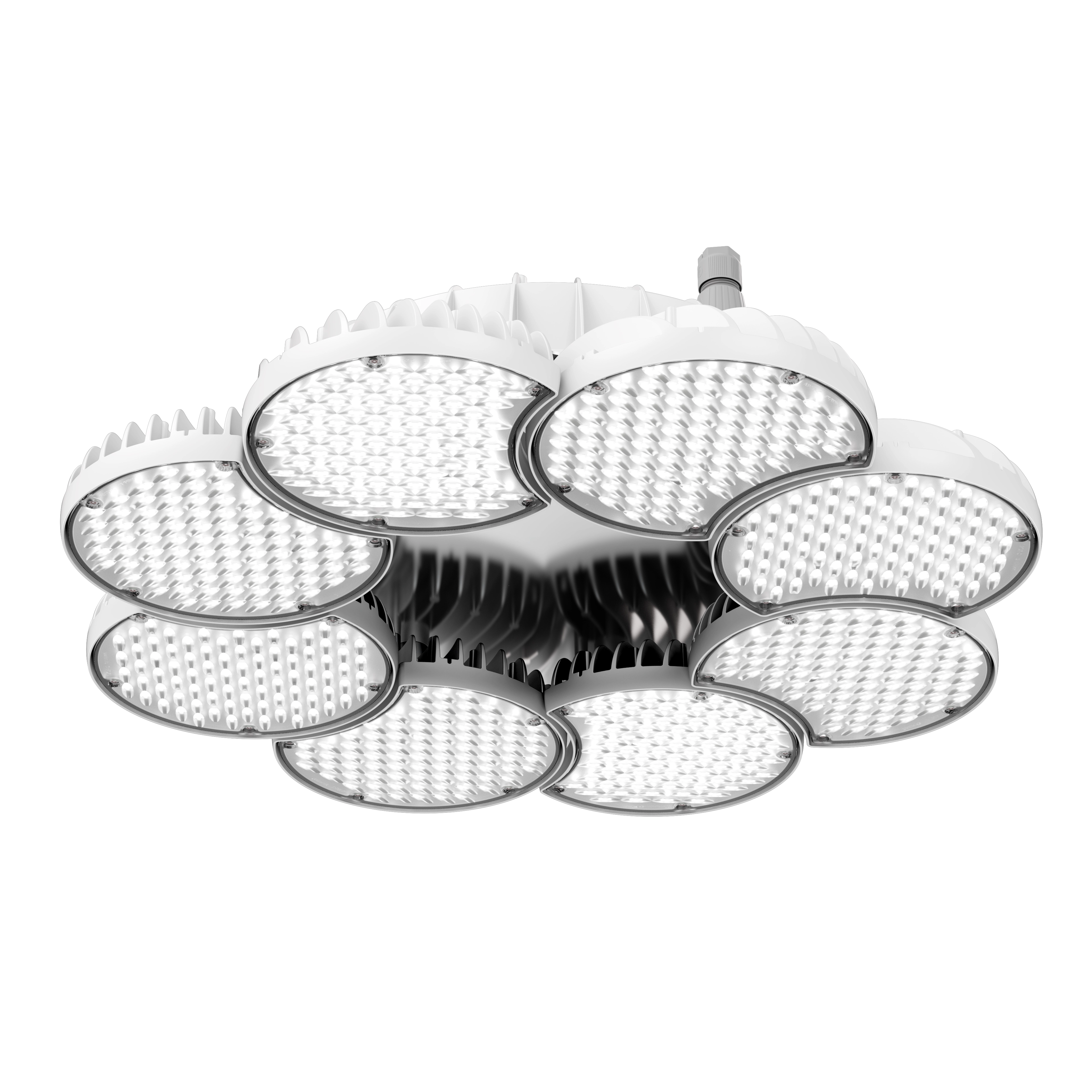
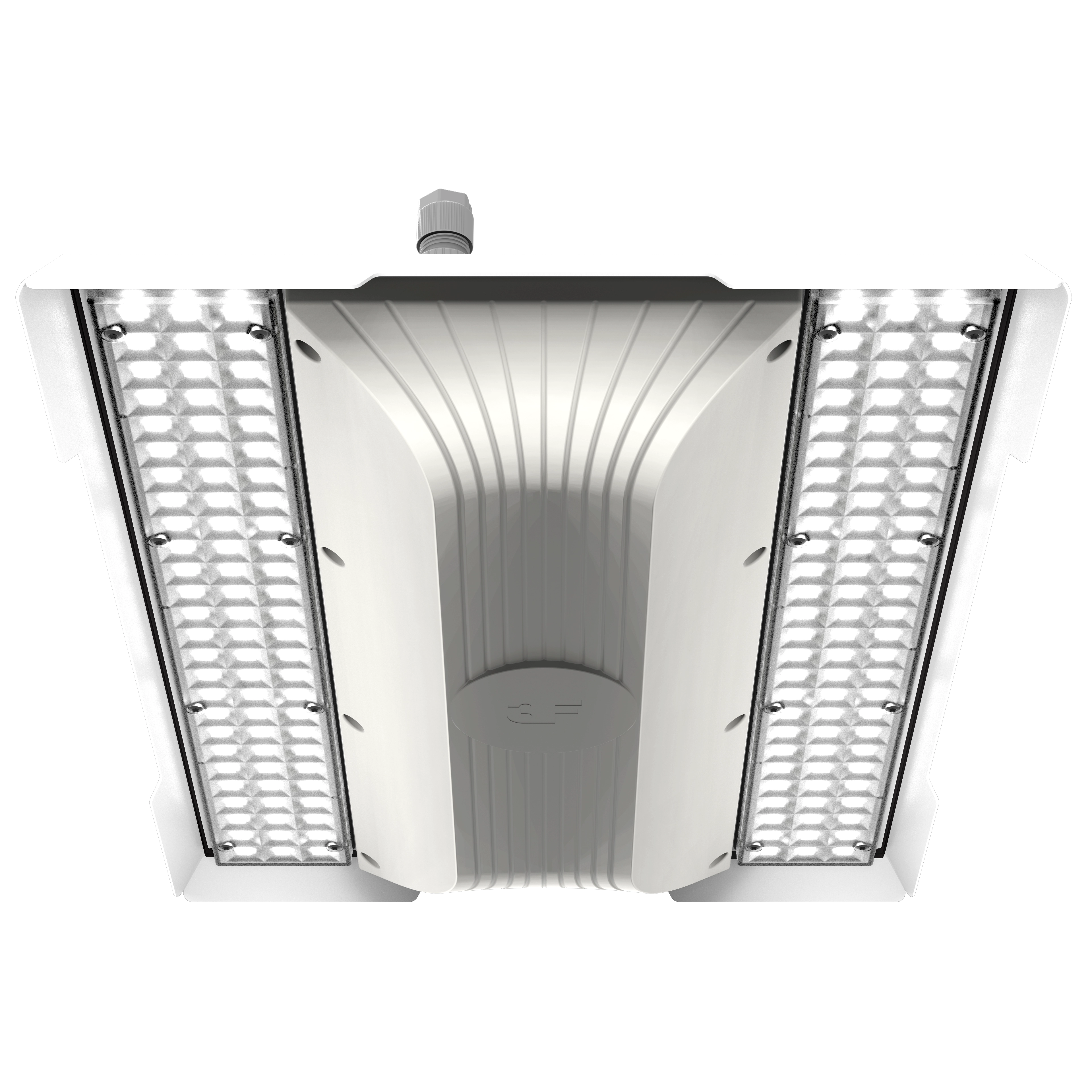
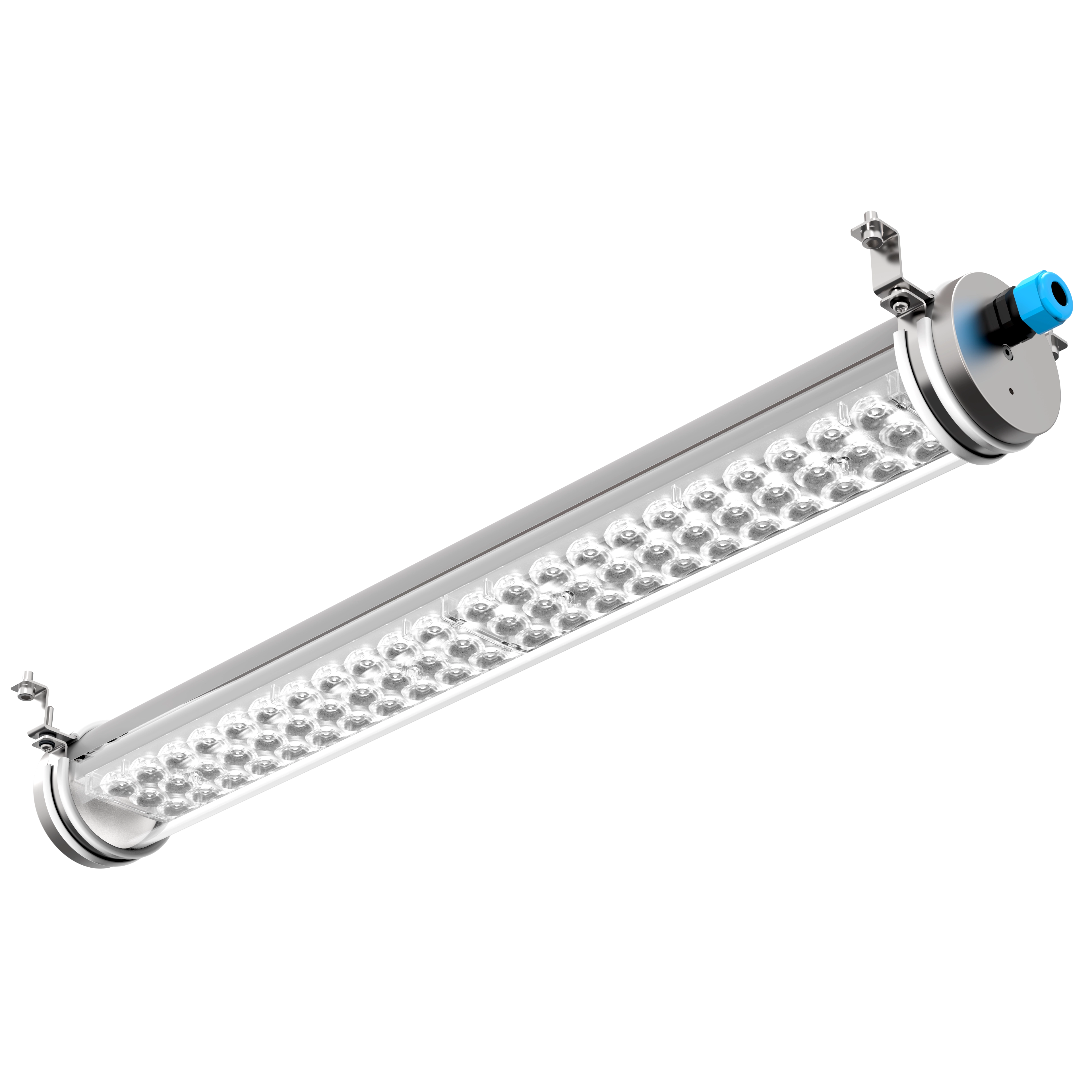
Other industrial ranges with DALI or wireless control: Beta 500, 3F Linda, 3F LEM, Beta 235, Beta i3F, 3F Cub, 3F Manta.

Browse all ranges

Frequently asked questions about smart lighting for industry

Why choose a smart lighting system in an industrial setting?

To achieve greater energy efficiency, cut operating costs and improve safety and productivity through intelligent light management. In a factory, empty areas and daylight from the rooflights are the norm, and an installation that ignores them wastes 30–40% of its energy even if it is already LED. With controls that share disappears, the design light stays constant over the years and the installation is managed from the same platform as the machines.

Can smart lighting be integrated with industrial automation systems?

Yes. 3F Filippi solutions are compatible with the DALI and DALI-2 protocols, with Bluetooth mesh and with IoT platforms, and through gateways they connect to supervisory systems and BMS (BACnet, Modbus and others): department switch-on from the production plan, schedules shared with the lines, consumption data and diagnostics on the same console as energy management. It is full integration with Industry 4.0 monitoring and management systems.

How does smart technology contribute to installation maintenance?

Intelligent systems detect anomalies and performance drops in real time: drivers report running hours, temperature and faults, and the platform flags the luminaire to check before it fails. This allows timely interventions and predictive maintenance — replacements in scheduled windows, with the lifting equipment already in the department — avoiding unplanned downtime and emergency call-outs for a luminaire at 12 metres.

DALI or Bluetooth mesh in an existing factory?

It depends on how much you can wire. In a complete relamping, where the luminaires are replaced and the bus can be laid together with the line, DALI-2 gives the fullest control, with D4i data and direct integration with supervision. Where the existing lines stay and no control cable can be added, Bluetooth mesh allows zones, sensors and scenes without wiring, commissioned from a smartphone even at height. The two systems coexist through gateways, so you can start with mesh on the existing departments and move to DALI in the extension.

Do presence sensors work at 10–12 metres mounting height?

Yes, if they are designed for that height. Office PIR sensors have a range of a few metres; factories need high-bay PIR sensors with dedicated lenses, or microwave sensors, which detect the movement of people and forklifts through dust and mist without being affected by temperature. 3F Filippi luminaires with integrated high-bay sensor have the range tuned to the typical installation and the same IP rating as the luminaire; the switch-off delay and standby level are set so that a transit route is never left in the dark.

Does smart lighting qualify for Industry 4.0 and energy-efficiency incentives?

Often yes, with rules that vary by country and over time. Several national schemes for the digital and energy transition of industry — in Italy the Industry 4.0 line and, since 2024, Transizione 5.0 — have recognised interconnected, monitored lighting installations as part of eligible investments when they cut consumption measurably; other countries have similar schemes and energy-efficiency certificates. D4i data is exactly the measurement these schemes require. Our technical department prepares the savings documentation; eligibility must be checked with your own adviser.

How much would your plant save with controls?

With the floor plan, the roof type (sheds, rooflights), the shifts and the burning hours our technical department estimates the saving of each strategy and proposes the level of automation that genuinely pays back. No obligation.