Category

Office lighting

LED luminaires that hold together the three things an office asks of light: visual comfort in front of a screen, energy figures that add up, and a clean line on the ceiling.

Request a lighting calculation

What office lighting is asked to do today

For thirty years, lighting an office meant one thing: 500 uniform lux across the floor, fluorescent tubes on a regular grid, done. Then two things changed. The first is screen-based work, which moved the question from how much light there is to how much of it you see reflected on the display. The second is the 2021 revision of EN 12464-1, which introduced the idea of modifiable illuminance and brought vertical surfaces to the front: walls and ceiling are no longer background, they are part of the design.

As a result, good office lighting is now judged on five numbers rather than one: maintained illuminance on the task area, uniformity, the UGR glare index, colour rendering and the illuminance of surrounding surfaces. And on a sixth quantity no standard measures: how well the luminaire lets itself be forgotten.

This page gives the reference values area by area, explains how 3F Filippi LED fixtures for offices are built and which ranges suit each layout. If the installation already exists and the question is replacement, the page on office relamping takes it from there; if automatic control is what interests you, go to smart office lighting.
Design parameters according to EN 12464-1

The standard does not prescribe luminaires: it prescribes performance on the visual task. These are the values an office project must demonstrate, area by area. Ēm is the maintained illuminance — the level the installation must never fall below over its service life, not the level when it is new.

Area Ēm (lux) Max UGR Min Ra Min Uo
Screen-based workstation 500 19 80 0.60
Open space and shared offices 500 19 80 0.60
Technical office, CAD, drawing 750 16 80 0.70
Meeting and conference rooms 500 19 80 0.60
Reception desk 300 22 80 0.60
Filing, archives 200 25 80 0.40
Break areas, staff canteen 200 22 80 0.40
Corridors and circulation 100 28 40 0.40
Stairs, lifts 150 25 40 0.40

Three caveats that separate a calculation from a design. First: the 2021 revision allows illuminance to be modified one step up or down from the table when the task or the users require it — a department with many people over 50 justifies 750 lux at the desk. Second: surrounding surfaces need at least 50 lux on walls and 30 lux on the ceiling, with uniformity 0.10, or the room stays a cave lit in patches. Third: UGR is calculated along the real viewing directions, not from the centre of the room; a UGR <19 luminaire mounted on the wrong axis still glares.

How 3F Filippi office luminaires are built

Three construction choices explain why these luminaires behave well in spaces where people spend eight hours.

Source and light quality

High-efficiency LEDs with colour rendering CRI ≥ 80 and, where colours matter, CRI ≥ 90. Colour temperatures of 2700 K, 3000 K and 4000 K, plus Tunable White versions that shift the tone through the day.

Initial colour tolerance is SDCM 3 (MacAdam ellipses): two luminaires from the same order share the same white — a detail you only notice when it is missing, because a row of slightly mismatched fittings is the most visible error of all.

Optics, materials and installation

Extruded and painted aluminium or steel bodies, or painted steel sheet. Screens and optics in polycarbonate (PC) or PMMA, opal or clear, prismatic and microprismatic: it is the microprism that keeps luminance under control in the critical directions and brings UGR below 19.

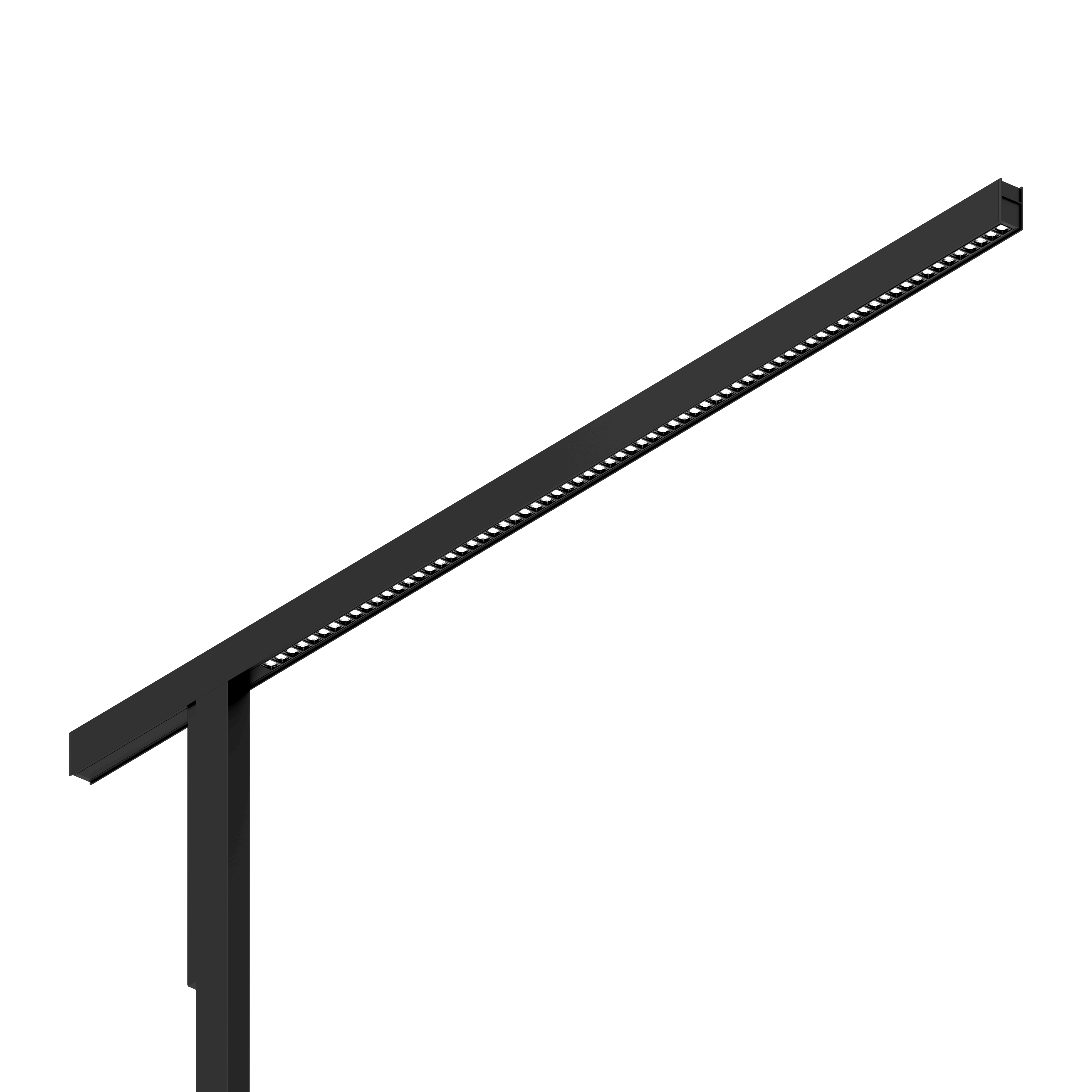
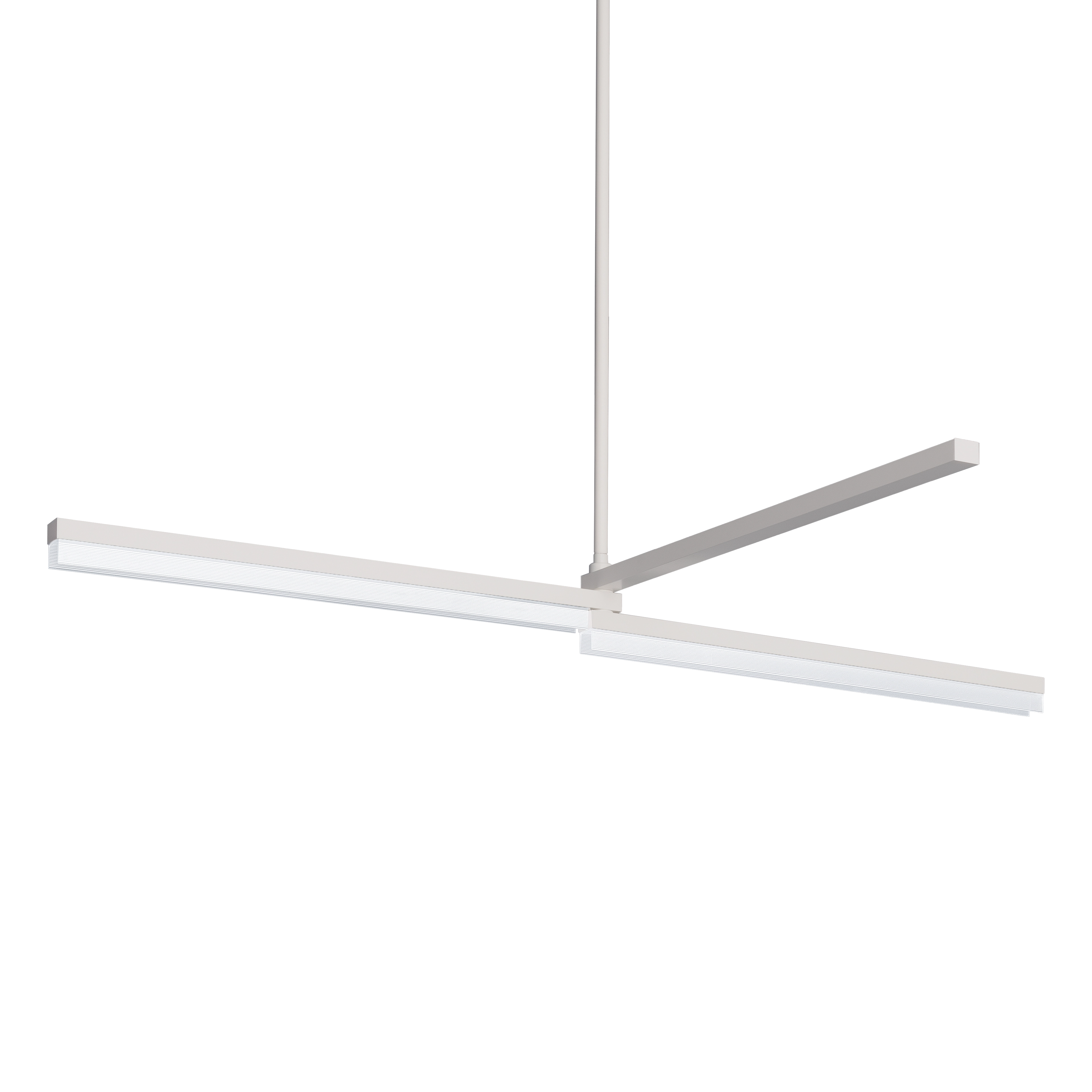
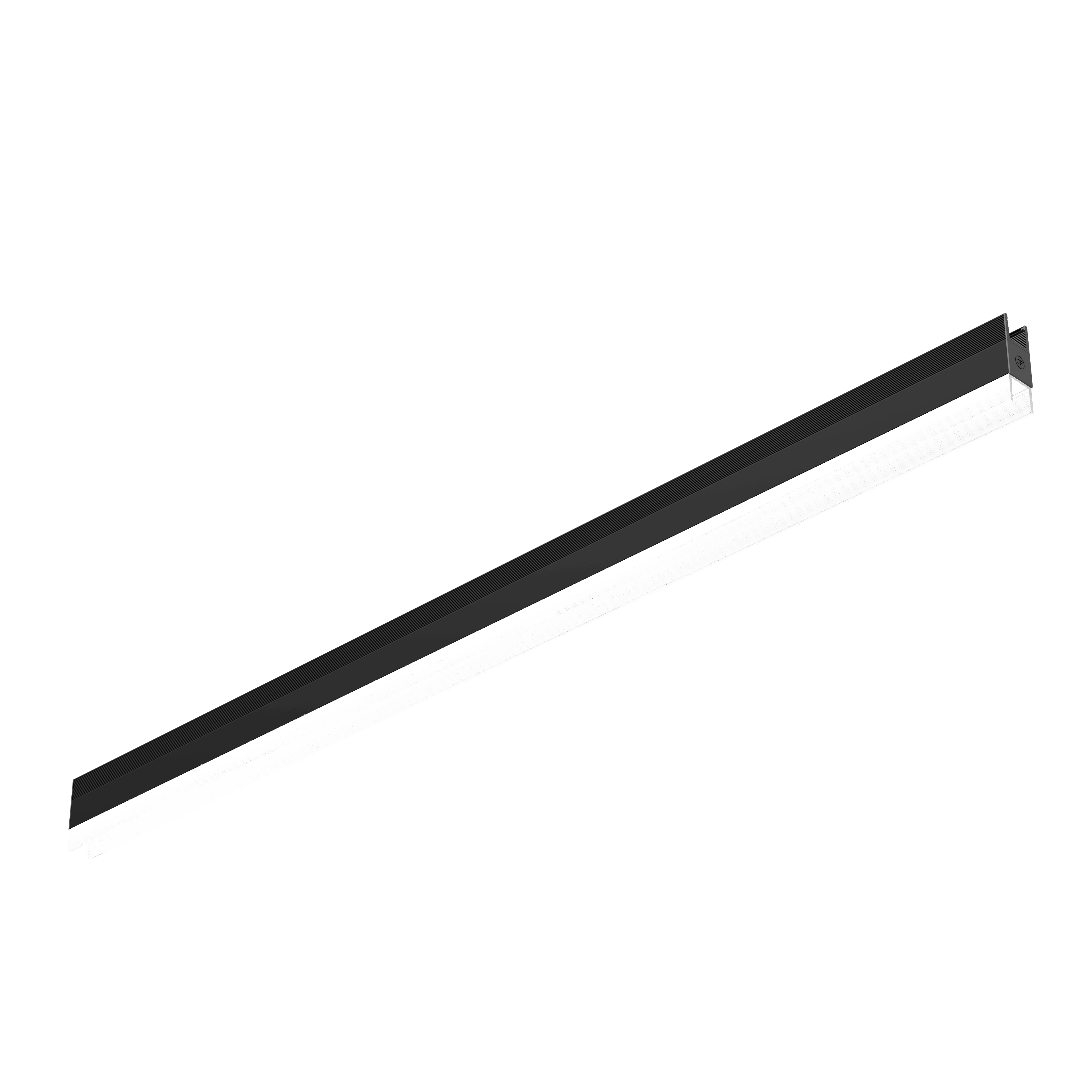
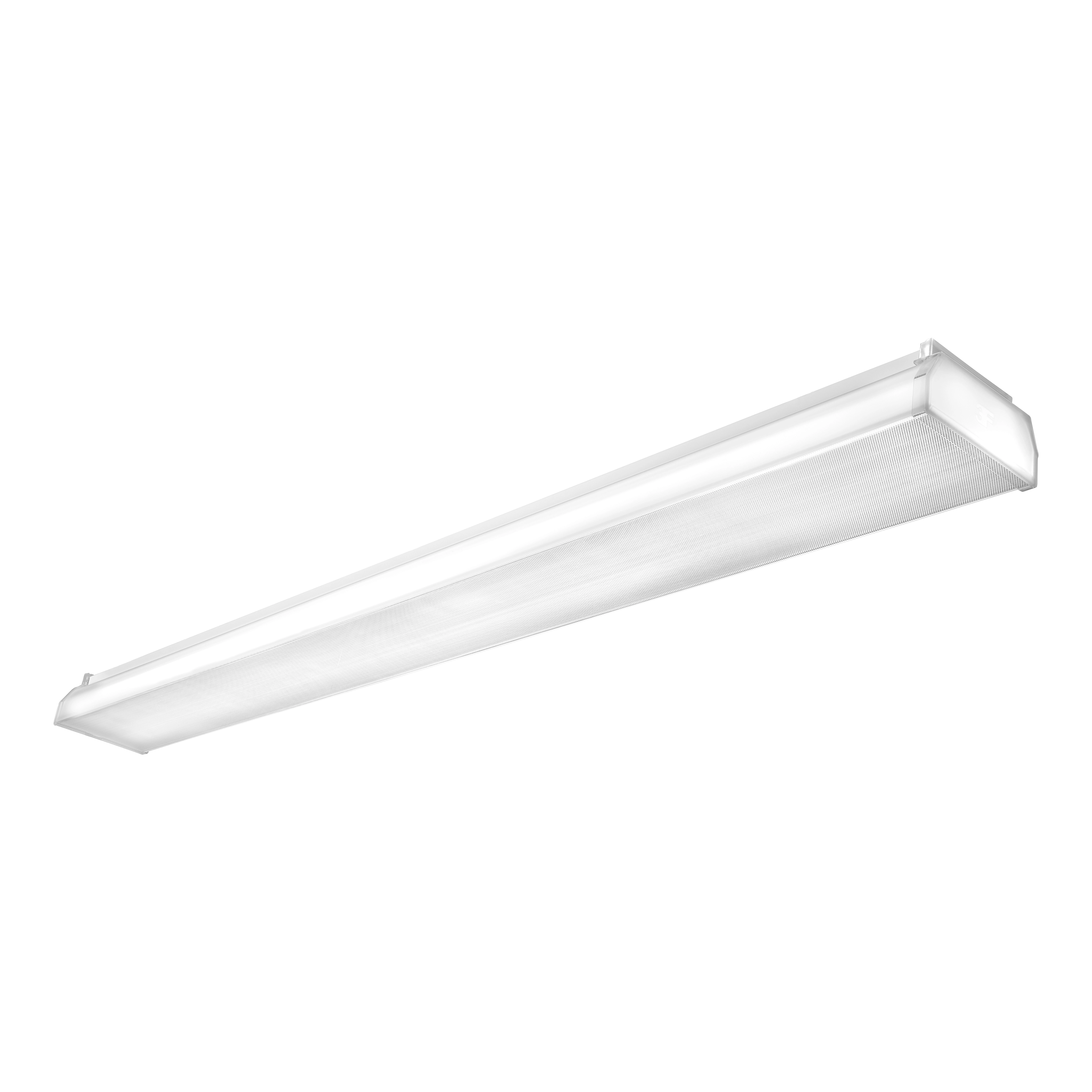
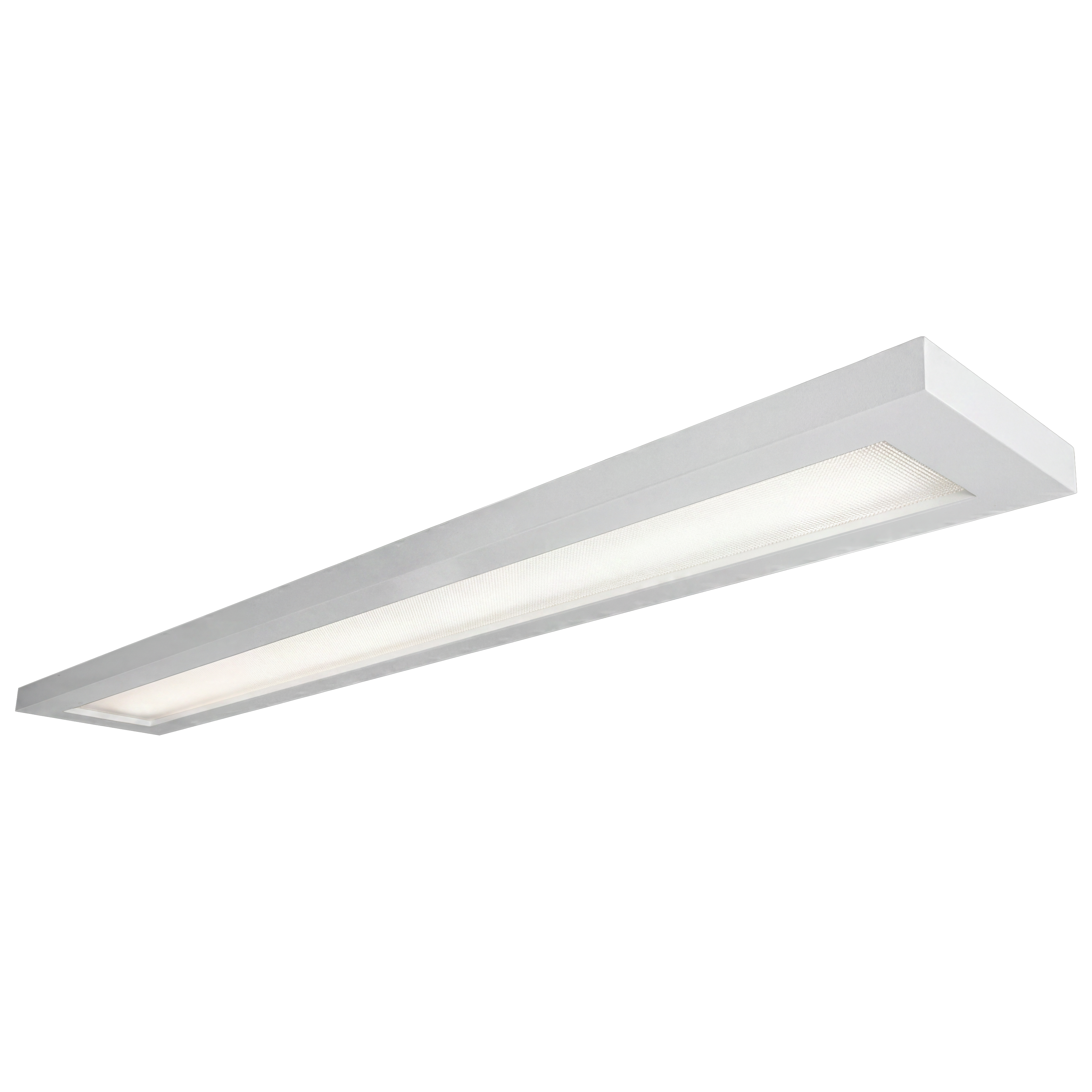
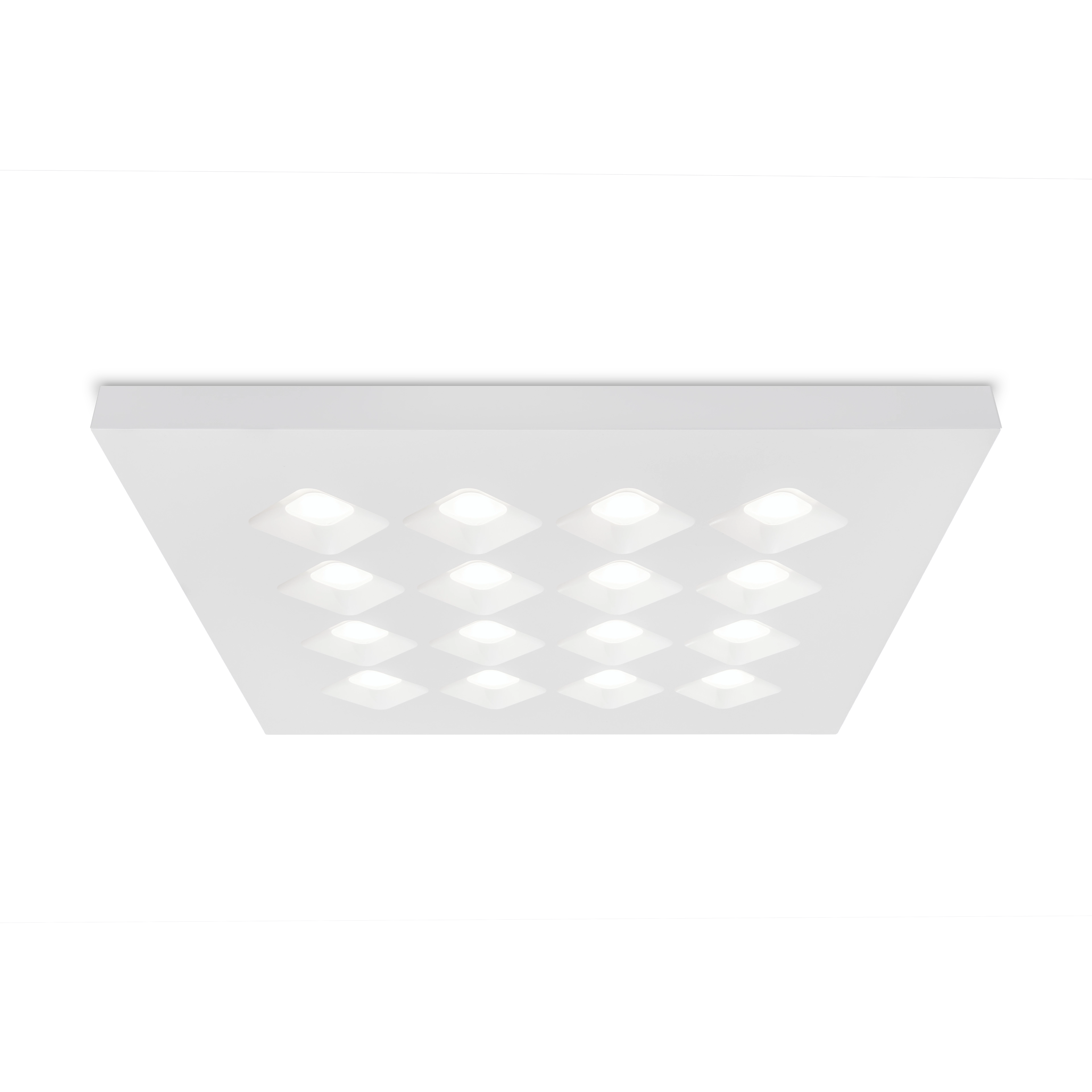
Recessed versions for modular ceilings, surface-mounted, single or continuous-line suspended and track-mounted, so the design follows the layout instead of dictating it.

Standards, certification and control

Compliance with EN 12464-1 for workplace lighting, EN 60598-1 for luminaires up to 1000 V and EN 60598-2-22 for emergency versions. CE marking, CAM compliance for public procurement and contribution to LEED credits.

On the control side: DALI and Bluetooth versions, compatible with presence and daylight sensors for automatic dimming.

Four concrete reasons to choose 3F Filippi

Not slogans: the four effects you can measure after installation.

−70% less energy than fluorescent systems
UGR <19 glare rating at screen-based workstations
CRI 90 colour rendering in high-CRI versions
SDCM 3 initial colour tolerance (MacAdam)

Visual comfort you feel at the end of the day

Precise luminance control and uniform distribution: fewer reflections on the screen, less accommodative fatigue, fewer headaches at five o'clock. It is the hardest benefit to write into a specification and the easiest to recognise on site.

Up to 70% energy saving

Replacing a fluorescent installation with LED luminaires cuts consumption by up to 70%. With presence detection and daylight-linked dimming the saving grows further, because in an office with good daylight half the burning hours are wasted hours.

Layout flexibility

Recessed, surface, suspended and track versions within the same aesthetic family: when an open space becomes cellular offices, or the reverse, the installation is reconfigured instead of rebuilt. In buildings with rotating tenancies this is the single largest saving.

Smart-ready without a premium on the design

DALI and integrated-sensor versions let you start with a conventional installation and add automation later, without rewiring. Read more on smart office lighting.

Where it applies: every office space has its own light

  • Open spaces and workstations — 500 lux on the task, UGR <19, luminaires aligned with the prevailing viewing direction.
  • Executive offices — image matters too: slim-profile suspensions and indirect light on the ceiling to lower contrast.
  • Meeting rooms — separate scenes for presentation, video call and discussion; faces need vertical illuminance, not just the table.
  • Coworking and flexible spaces — track or suspended systems that can be reconfigured in a working day.
  • Call centres — long shifts, screens always on: controlling reflected glare is the absolute priority.
  • Reception and welcome areas — 300 lux on the desk, accents on vertical surfaces, colour temperature consistent with the company identity.
  • Corridors, stairs and break areas — lower levels but gradual transitions: an abrupt step from 500 to 100 lux reads as darkness.
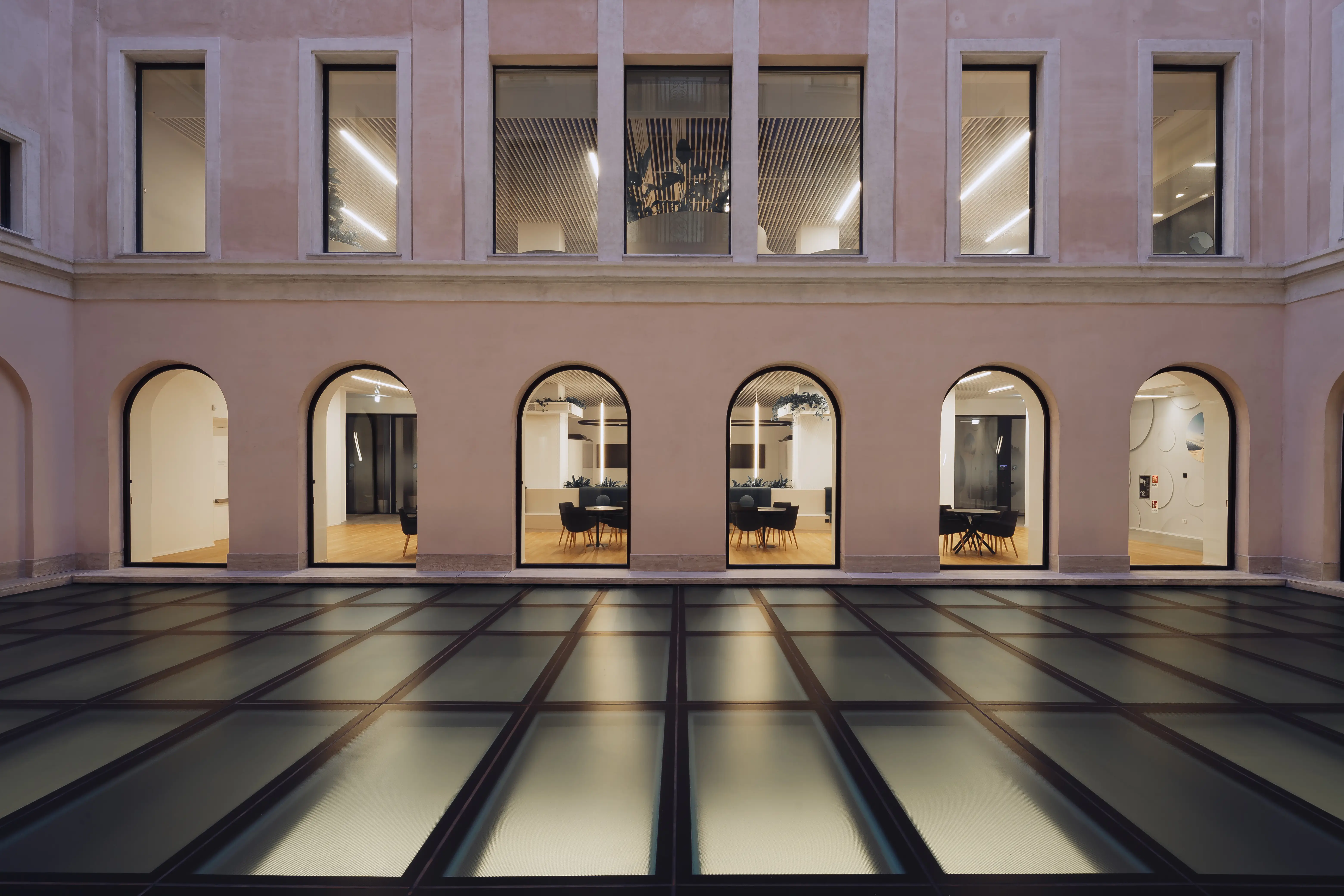
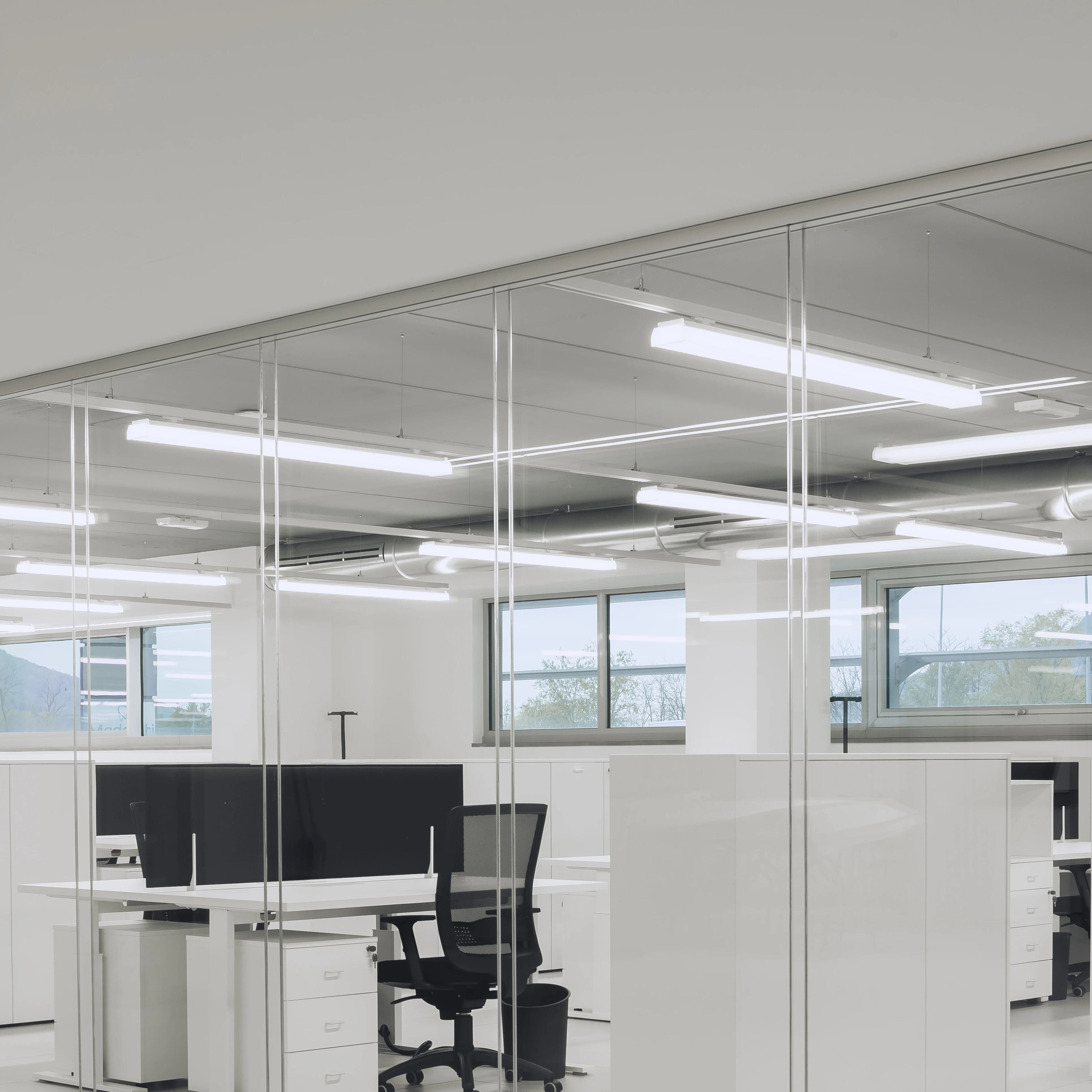
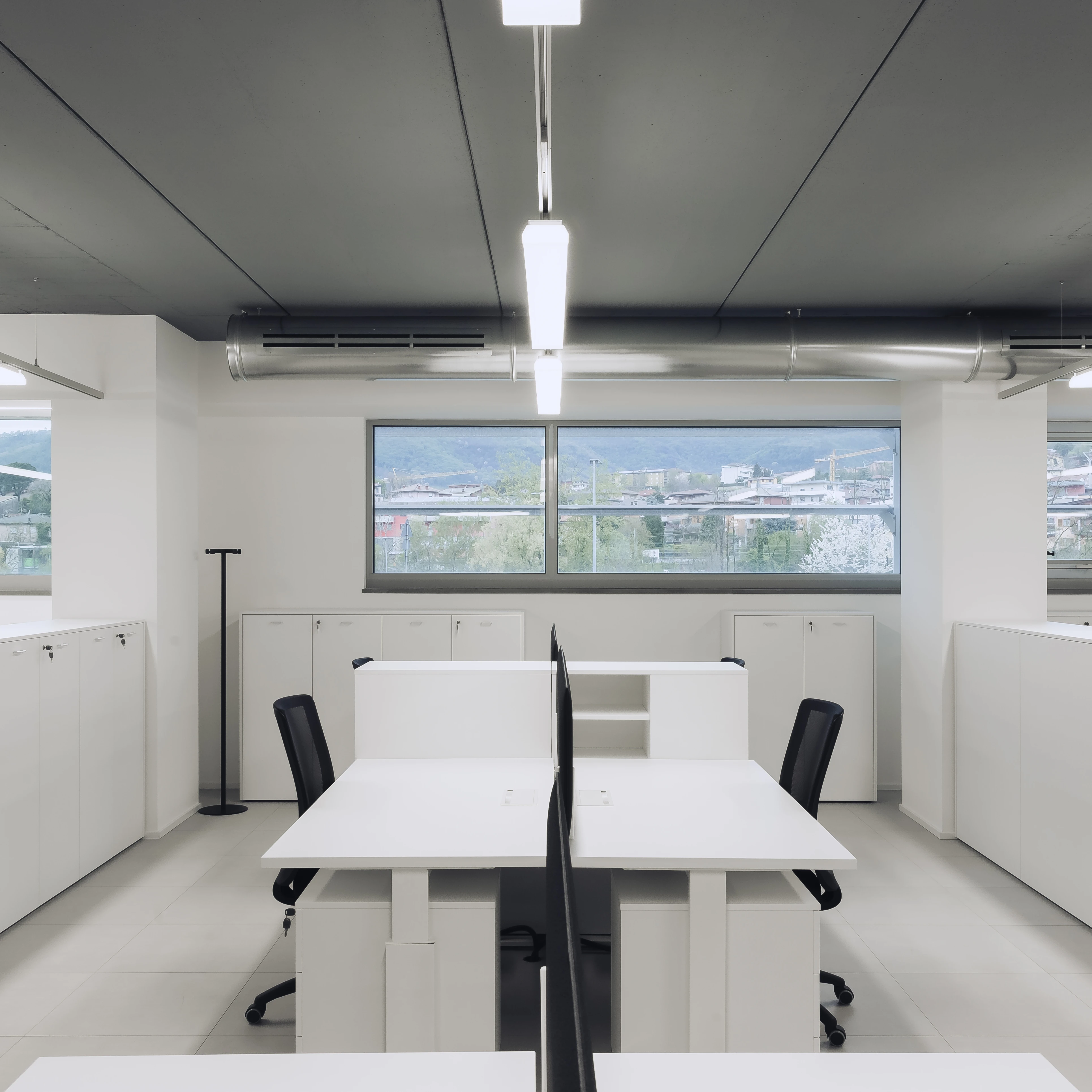
Linear suspended lighting in an executive open space with screen-based workstations
Vallalta Center: continuous suspended lines above the operational workstations.

3F Filippi ranges for offices

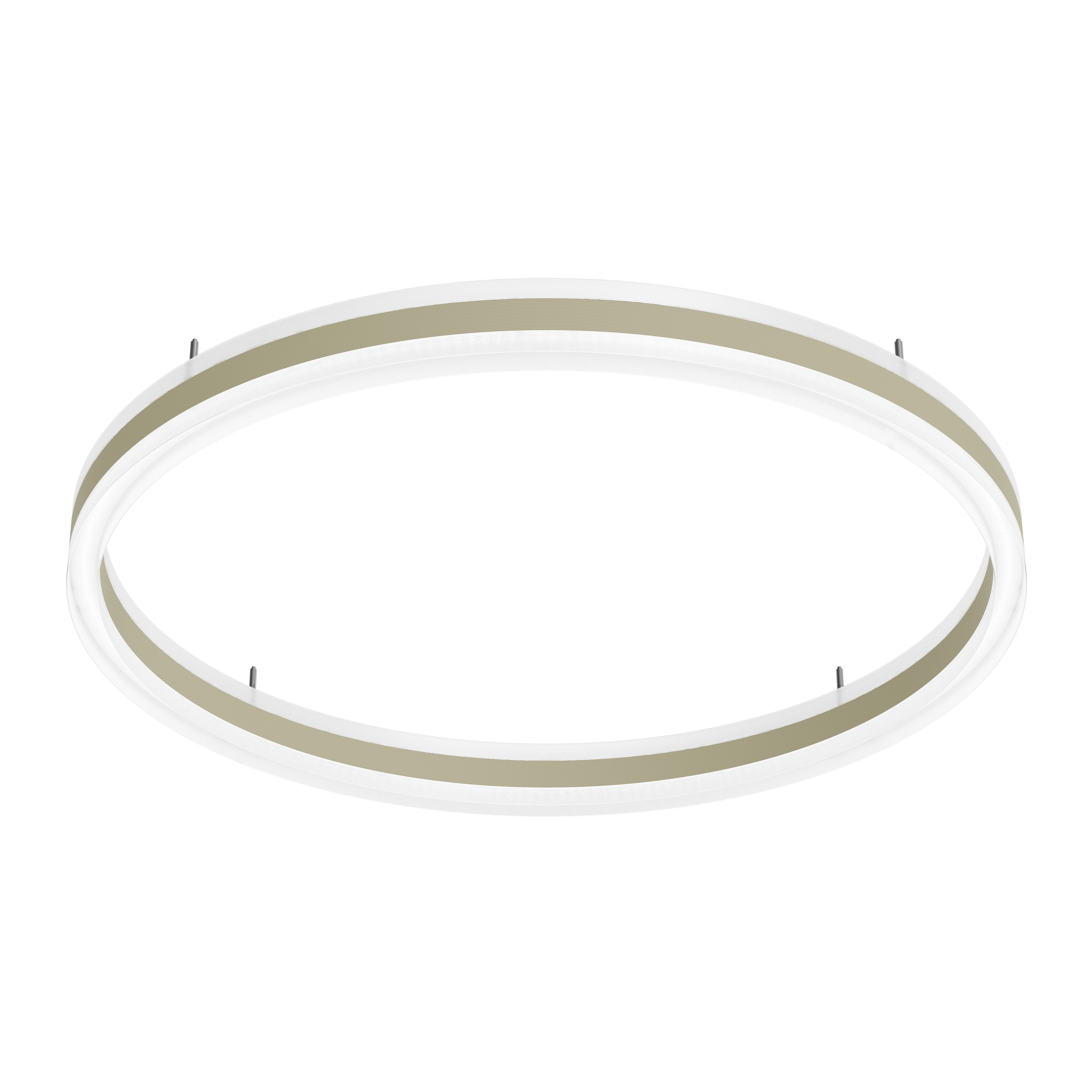
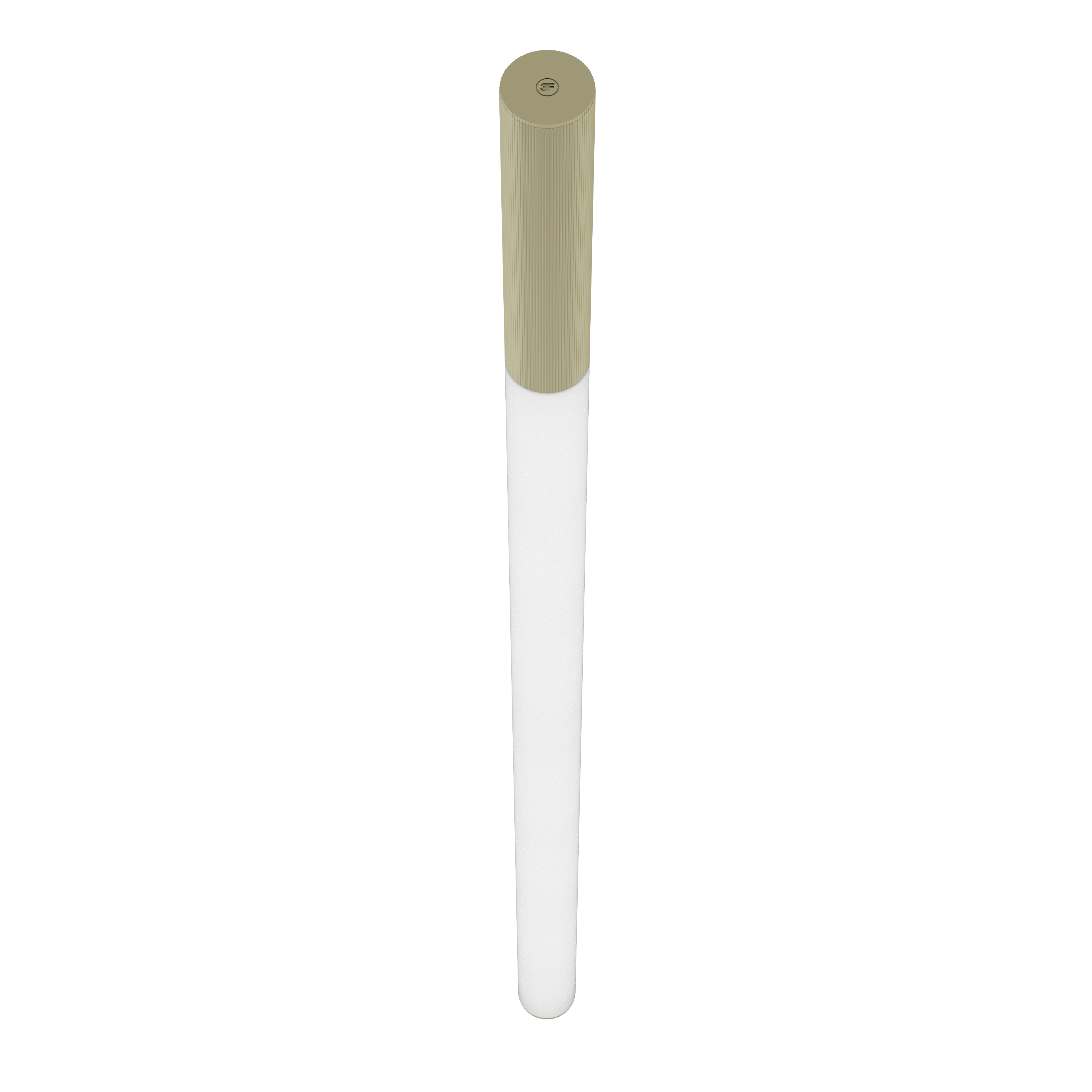
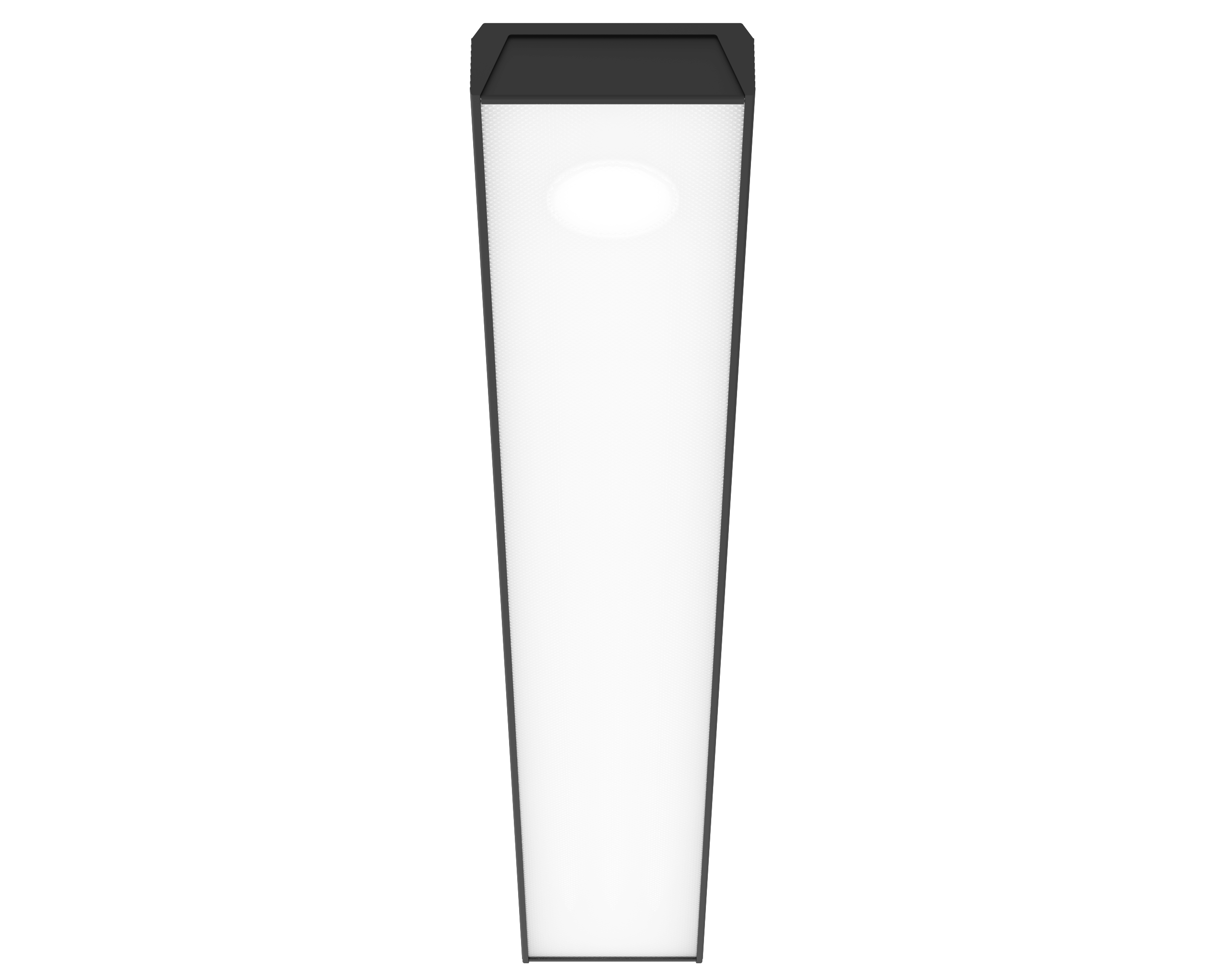
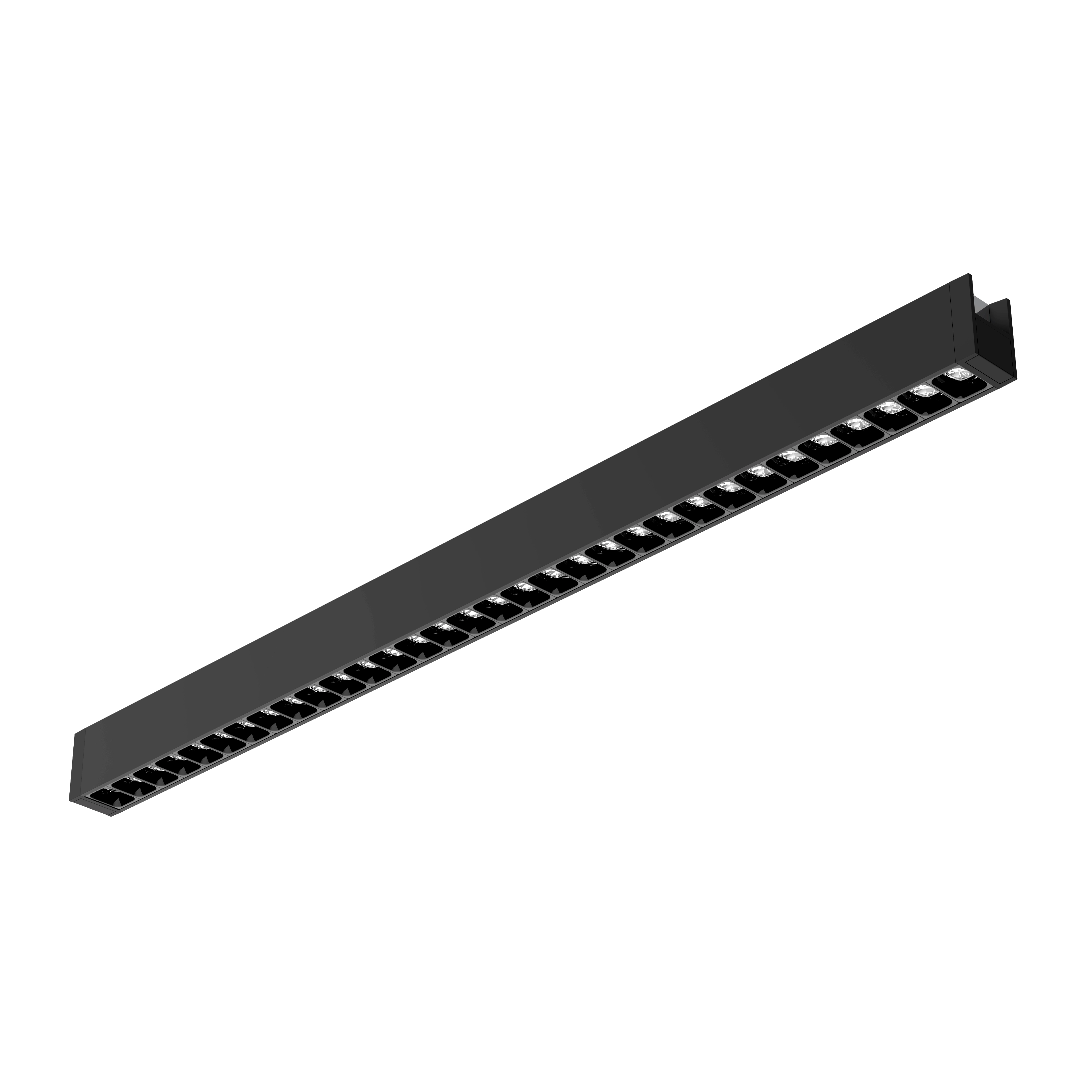
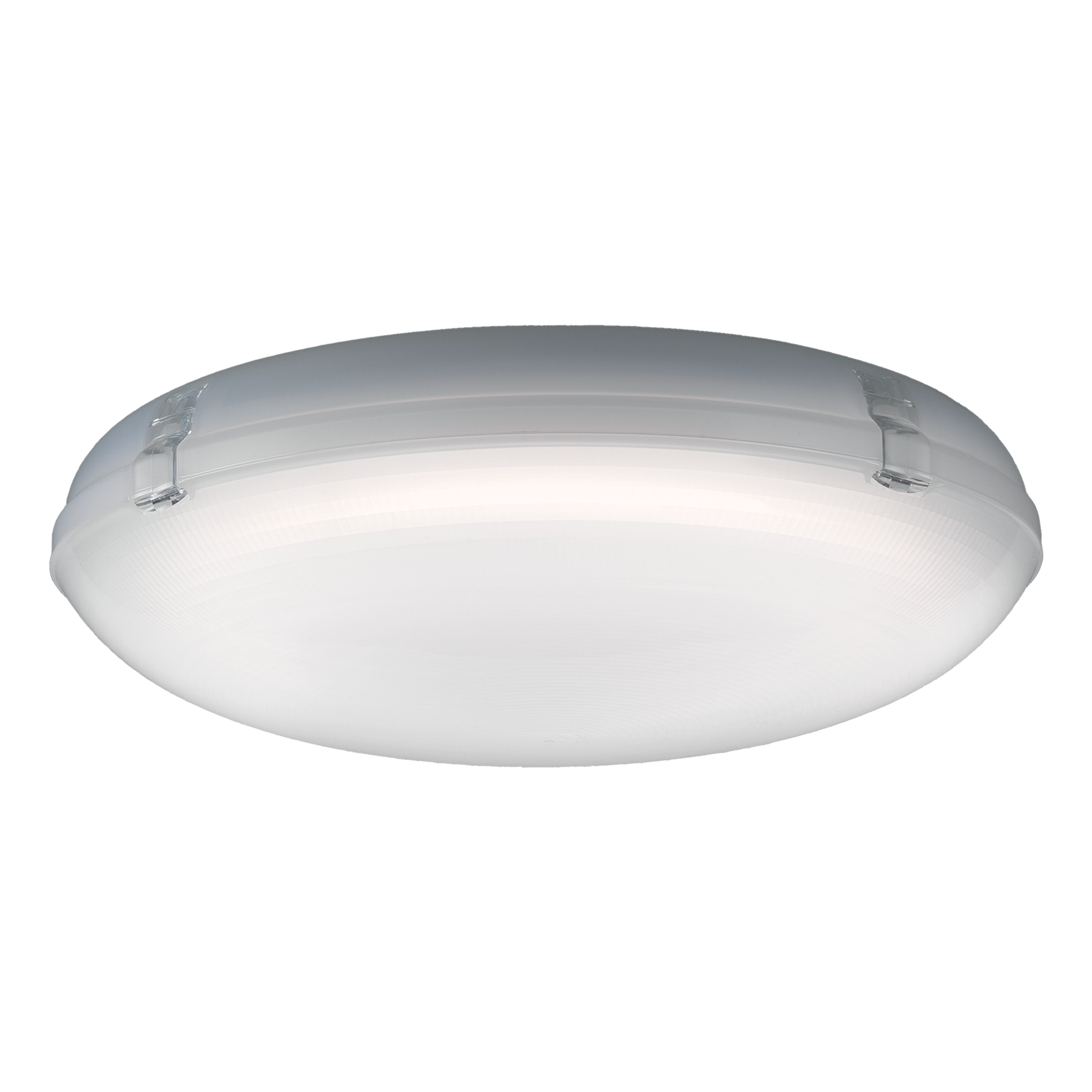
From recessed luminaires for modular ceilings to modular linear suspensions and floor lamps for individual workstations. Every range has its own page with photometry, IES and Eulumdat files and accessories.

Browse all ranges

Frequently asked questions about office lighting

What are the main requirements for office lighting compliant with standards?

Luminaires must ensure a maintained illuminance of at least 500 lux on the task area, UGR <19 and colour rendering CRI ≥ 80, with uniformity Uo ≥ 0.60. Since the 2021 revision of EN 12464-1, add at least 50 lux on the walls and 30 lux on the ceiling: these are the values that make a room legible and reduce the contrast between screen and background.

What is UGR and why must it stay below 19 in an office?

UGR is the unified rating for discomfort glare: it relates the luminance of the luminaire to that of the background and to the observer's position. Below 19, direct glare does not disturb prolonged screen work; above it, the pupil adapts to the brightest source and reading the display becomes an effort. Note that UGR is not an absolute property of the luminaire but of the luminaire-room-observer system, so it must be verified in the lighting calculation with the real geometry of the room.

Is 3F Filippi LED lighting compatible with automatic lighting control systems?

Yes. Many luminaires are available in DALI or Bluetooth versions for dynamic control, with presence sensors and daylight harvesting. Integration with building automation allows scenes, schedules and energy monitoring to be managed from a single point.

How much is saved by replacing old fluorescent fittings with LED solutions?

The technology change alone cuts consumption by up to 70%, on top of lower maintenance costs — no more periodic tube replacement — and immediate compliance with energy efficiency directives. With presence detection and daylight harvesting, total savings in an office with good daylight often exceed 80%. The process is described on the office relamping page.

Which colour temperature should an office use?

The most common reference is 4000 K: a neutral white that supports attention without cooling the room. 3000 K is used where welcome matters — reception, waiting areas, relaxation zones — and 2700 K in executive offices with warm finishes. Tunable White versions move from a cooler white in the morning to a warmer one in the afternoon, following the circadian rhythms of the people working there.

Is emergency lighting required in an office too?

Yes, and it is mandatory. Escape routes, stairs and points with fire-fighting equipment must stay lit in case of mains failure, according to EN 1838 and EN 60598-2-22. Many 3F Filippi ranges are available with an integrated emergency inverter, so the emergency luminaire is the same as the general lighting and does not add a second pattern on the ceiling.

Let us design your office lighting together

Send us the floor plan with intended uses and heights: our technical department returns the lighting calculation with illuminance, uniformity and UGR verification, a comparison of two or three options and an energy estimate. No obligation.