Category

Lighting for harsh environments

Foundries and cold stores, pressure washing and fine dust, vibration and chemicals: 3F Filippi LED luminaires designed for the environment they have to stay lit in, not adapted afterwards.

Request technical advice

What makes an environment «harsh» for light

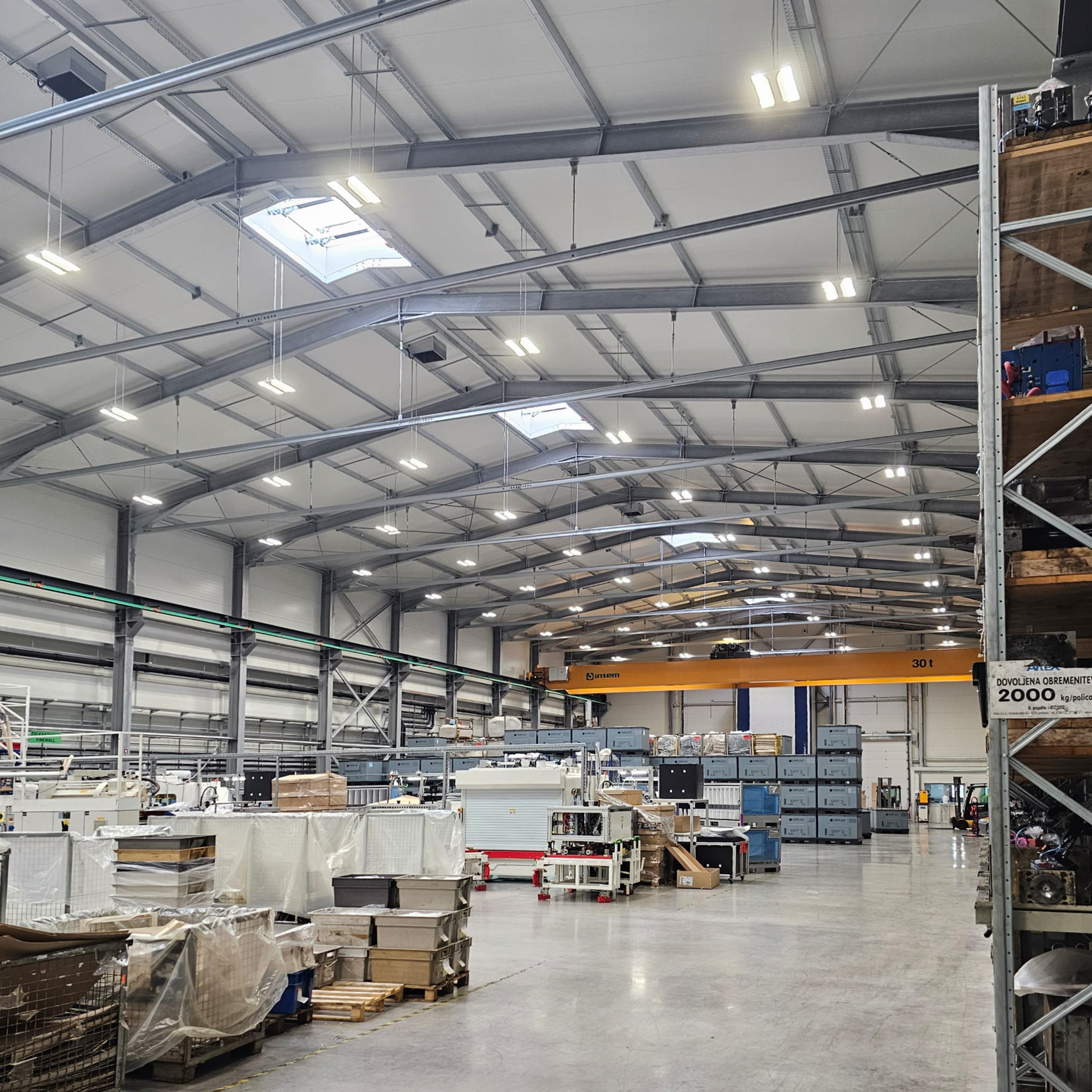
An office luminaire lives at 22 degrees, dry, untouched by anyone. A luminaire in a food-processing line is pressure-washed twice a day; in a foundry it sits under a roof at 55 degrees; in a cold store it works at −25 with condensation freezing on the gaskets; in a workshop it takes oil mist, vibration and the occasional fork. A harsh environment is any place where one of these conditions — dust, water, impacts, temperature, chemicals, explosive atmospheres — is the norm rather than the exception.

The good news is that each of these conditions has a code that describes it and a laboratory test that certifies it: the IP rating for dust and water, the IK rating for impacts, the ambient operating temperature, the ATEX classification for explosive zones. Reading them correctly is half the design; the other half is not paying for protection ratings the environment does not require.

This page decodes the codes and matches them to real conditions. The fundamentals of industrial lighting — heights, optics, standard values — are on the industrial lighting page; LED technology and its thermal management on the LED lighting for industrial environments page.
Which protection rating for which condition

The IP code (EN 60529) has two digits: the first, from 0 to 6, measures protection against solid objects and dust; the second, from 0 to 9, protection against water. The IK code (EN 62262) runs from 00 to 10 and measures the impact energy withstood: IK08 corresponds to 5 joules, IK10 to 20 joules — a 5 kg hammer dropped from 40 cm. The table matches the typical conditions of severe environments to the ratings that are genuinely needed.

Environmental condition Recommended IP Recommended IK Materials and construction Worth remembering
Fine dust (wood, cement, flour, textiles) IP65 (6 = fully dust-tight) IK08 Sealed body, silicone gaskets, smooth easy-clean cover Dust settling on the cover reduces output: plan scheduled cleaning and an appropriate maintenance factor
Moisture, condensation, covered outdoor areas IP65–IP66 IK08 Powder-coated steel or aluminium, stainless fixings, anti-condensation valve Internal condensation is the first failure of cheap luminaires: look for the pressure-compensation valve
Frequent pressure washing (food, pharmaceutical) IP66–IP69 IK08–IK10 Tempered glass or detergent-resistant PC covers, no crevices that trap dirt IP69 = high-pressure, high-temperature jets; check compatibility with the detergents in use
Impacts from vehicles and tools (logistics, workshops, sports) IP54–IP65 IK10 Die-cast or thick-sheet body, PC cover, anti-loosening fixings IK10 wherever the luminaire is within reach of forks, tailgates or balls
High temperatures (foundries, kilns, glassworks, roof spaces) IP65 IK08 Sized aluminium heat sink, remote or high-ta qualified driver Check the maximum ta on the data sheet; every 10 °C above halves the driver life
Low temperatures (cold stores, frozen goods, winter outdoors) IP66 IK08–IK10 Components qualified to −30 °C, gaskets that stay elastic, instant switch-on LED performs better in the cold: the problem is the electronics and condensation when doors open
Chemicals, vapours, salt spray (chemical, livestock, ports) IP66 IK08 Engineering-plastic bodies or aluminium with anti-corrosion coating, A4 stainless fixings Ask for the chemical-resistance table of the cover material
Potentially explosive atmospheres (gas, combustible dust) IP66 IK10 ATEX-certified luminaires for the zone (1/2 gas, 21/22 dust) Certification is per zone and per group: whoever classifies the areas chooses it, not the catalogue

A rating higher than necessary is not extra insurance: it is extra cost and, sometimes, a problem. A sealed IP69 luminaire without a compensation valve in an environment with strong temperature swings draws in moisture at every cooling cycle; an IK10 luminaire in heavy glass at 12 metres complicates maintenance while nobody ever gets near enough to hit it. The right choice is made zone by zone, with the rating the environment requires and the construction that makes it last.

How 3F Filippi luminaires for severe environments are built

Three design choices that separate a luminaire that declares IP66 from one that keeps it for ten years.

Body, gaskets and cover

Bodies in die-cast or extruded painted aluminium, or in powder-coated steel sheet, with silicone or expanded polyurethane gaskets that stay elastic from −30 to +70 °C. Covers in high-strength polycarbonate or tempered glass where chemical resistance and wash-downs are needed, prismatic or microprismatic to control glare even in low-ceiling rooms.

Versions with a smooth cover and no internal edges are designed for the food sector: no crevices where dirt accumulates, cleaned with a jet in seconds.

Source, electronics and thermal management

High-efficiency LEDs with CRI ≥ 80, outputs up to 65,000 lumens and colour tolerance SDCM 3, available with protection against aggressive substances and in several colour temperatures. Electrical and electronic components qualified for operation from −30 to +70 °C: this, more than the IP rating, decides the luminaire's life in a foundry or a cold store.

The body is a heat sink sized for the declared ambient temperature; drivers are replaceable in place, so an electronic fault does not force you to change the luminaire or break the seals.

Certification and control

Compliance with EN 12464-1 for work places, EN 60598-1 and EN 60598-2-22 for emergency lighting, CE marking and third-party ENEC certification, which also covers verification of the declared IP and IK ratings. ATEX versions for zones with potentially explosive atmospheres, certified by zone and group.

Compatibility with DALI systems and presence and daylight sensors: even in a cold store or a dusty department the luminaire switches on only when needed, and frequent cycles do not shorten its life as they did with discharge lamps.

What a luminaire chosen for its environment guarantees

The four results of a choice made on real conditions rather than the catalogue.

IP66 total protection against dust and powerful water jets
IK10 resistance to 20-joule impacts: vehicles, tools, balls
−30 / +70 °C operating temperature of the electronic components
ATEX versions certified for potentially explosive atmospheres

Total reliability in extreme conditions

Materials and technologies designed for severe environments, not adapted: gaskets that seal after a thousand thermal cycles, covers that do not yellow with detergents, electronics that do not shut down at −25. It is the difference between an IP rating measured in the laboratory on day one and one maintained for the whole service life.

Round-the-clock operational continuity

Luminaires suitable for continuous operation without performance drops, with instant switch-on even after a mains interruption and no lamps to replace: in a cold store or a washing line, missing light stops the process, and a well-chosen luminaire is one nobody notices for years.

Operator safety

Uniform light and no glare even in low-ceiling rooms or with wet, reflective surfaces; integrated emergency lighting on escape routes; ATEX versions where a spark is not allowed. Light in harsh environments is first of all a preventive measure.

Maintenance reduced to a minimum

Long LED lifetime, resistance to wear, impacts and aggressive agents, drivers replaceable without breaking the seals: interventions in places where entering is expensive — cold rooms, ATEX zones, wash-down areas — become rare and schedulable. The relamping of an existing installation follows the same rules, zone by zone.

Harsh environments, one by one

  • Foundries, kilns, glassworks — high ambient temperatures: luminaires with a high declared ta, sized heat dissipation, protected drivers; optics for high mounting.
  • Dusty or humid environments — joineries, cement works, paper mills, industrial laundries: IP65–IP66 with anti-condensation valve and easy-clean covers.
  • Cold stores and low-temperature rooms — components at −30 °C, instant switch-on, IP66 against condensation when doors open, sensors to switch on only on entry.
  • Frequently washed areas — food, pharmaceutical, industrial kitchens: IP66–IP69, tempered glass or detergent-resistant PC, no crevices.
  • Outdoor industrial areas — canopies, docks, yards: IP66, UV resistance, anti-corrosion coatings, continuity with the indoor installation.
  • Technical galleries, underpasses, ducts — IP66 and IK10, compact luminaires, integrated emergency, resistance to vandalism and vibration.
  • Treatment plants, chemicals, livestock — corrosive agents and vapours: anti-corrosion materials, stainless fixings, ATEX versions where areas are classified.
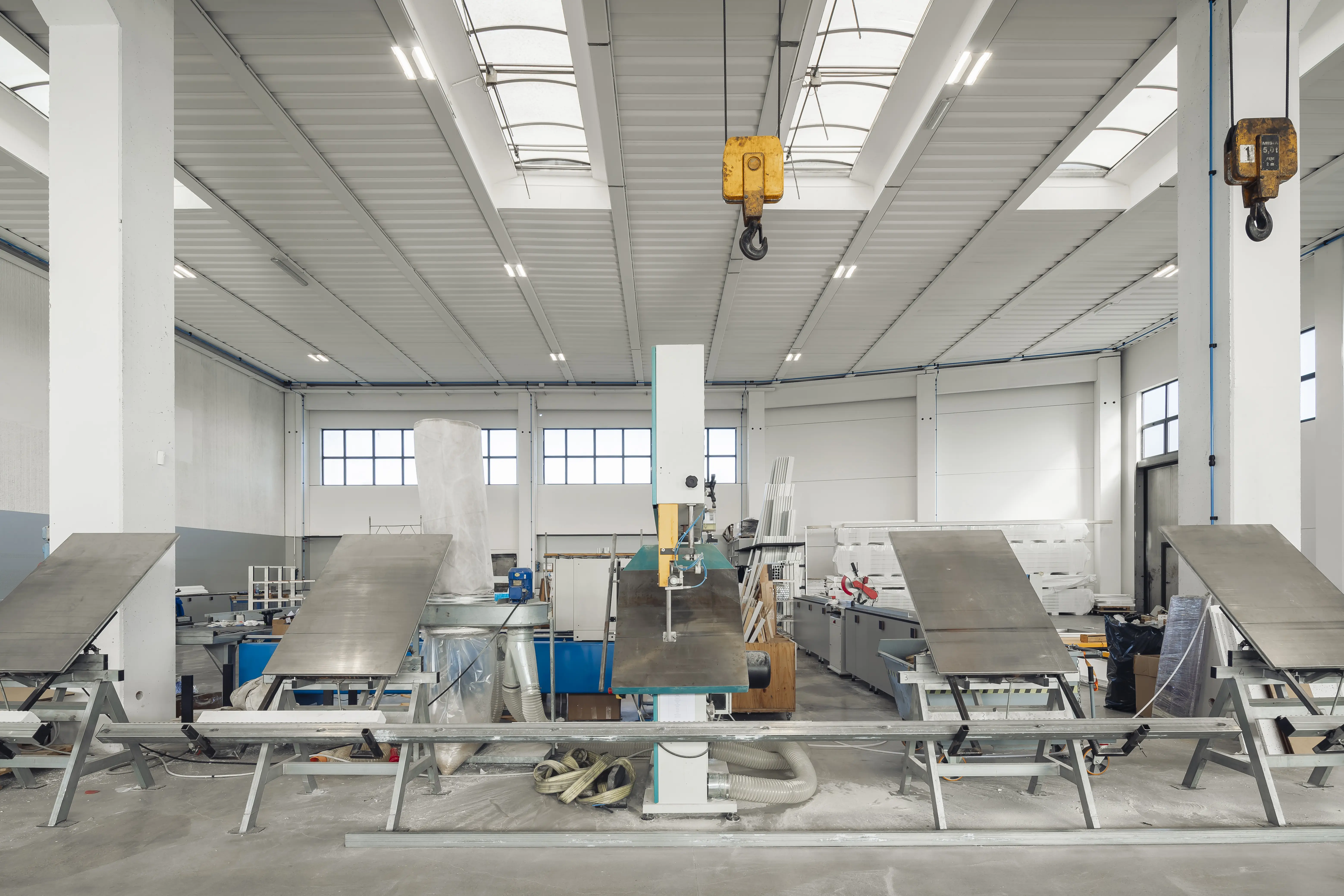
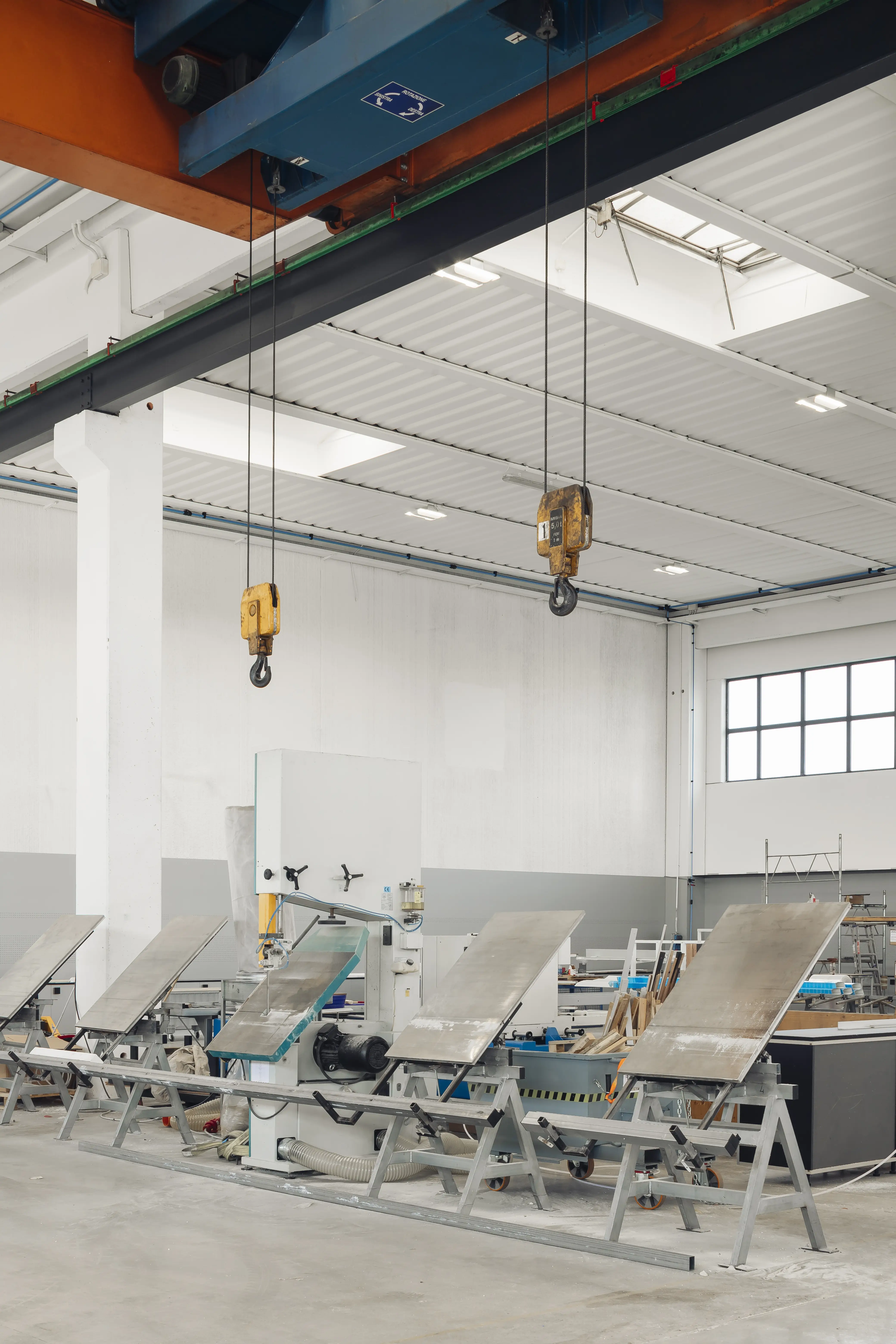
Industrial department with machining and dust lit by high-protection sealed LED luminaires
Sealed luminaires above the machining: protection is chosen on the real condition of the department.

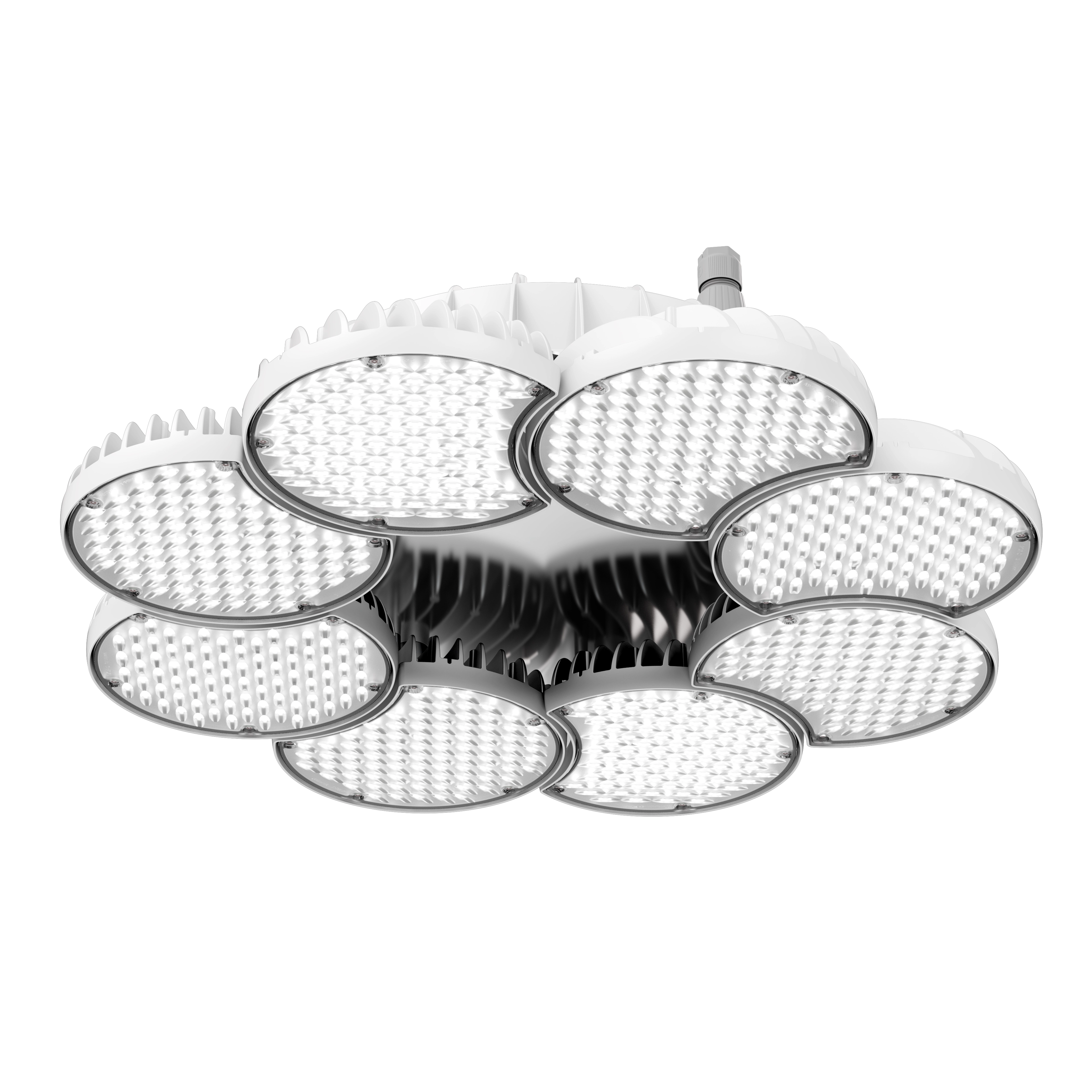
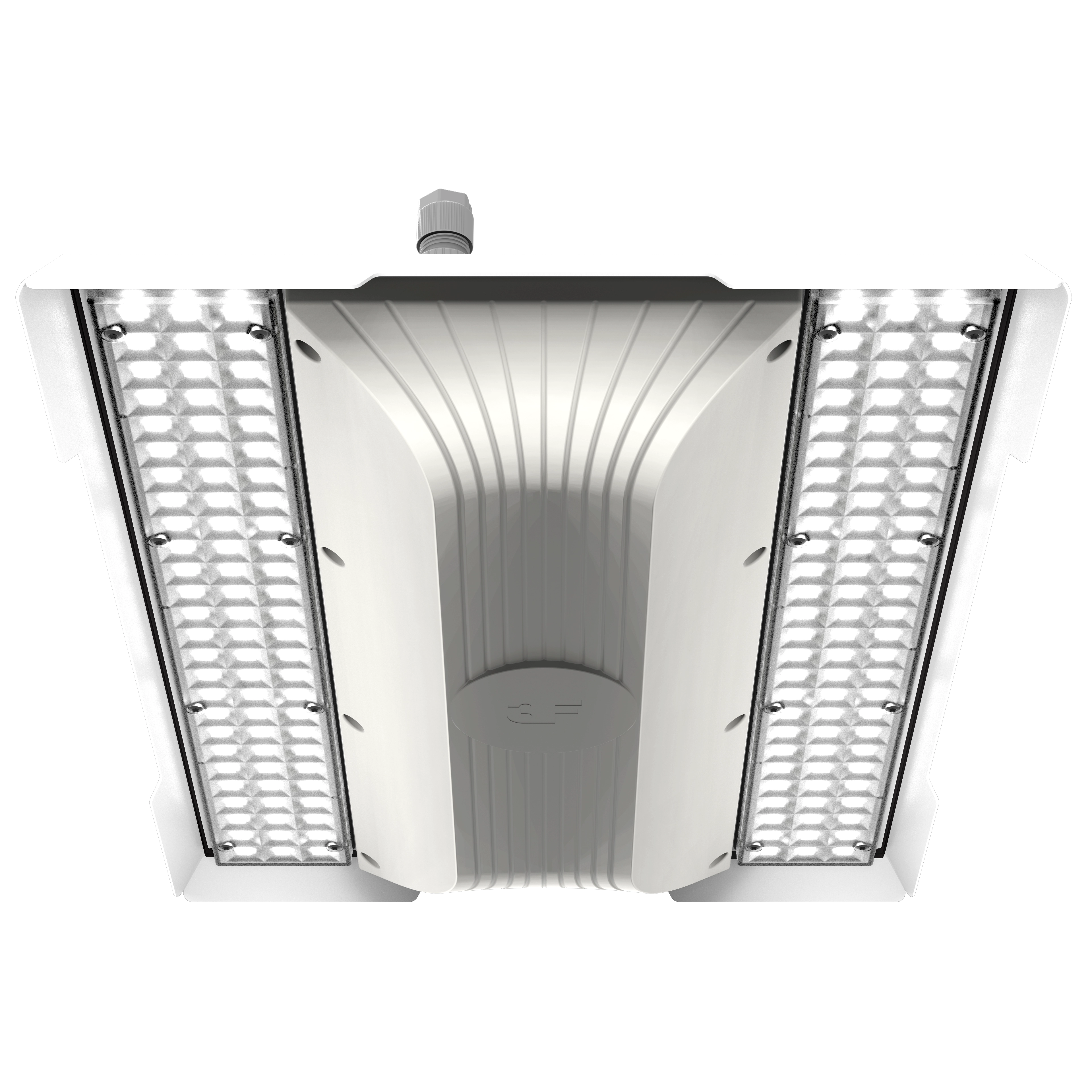
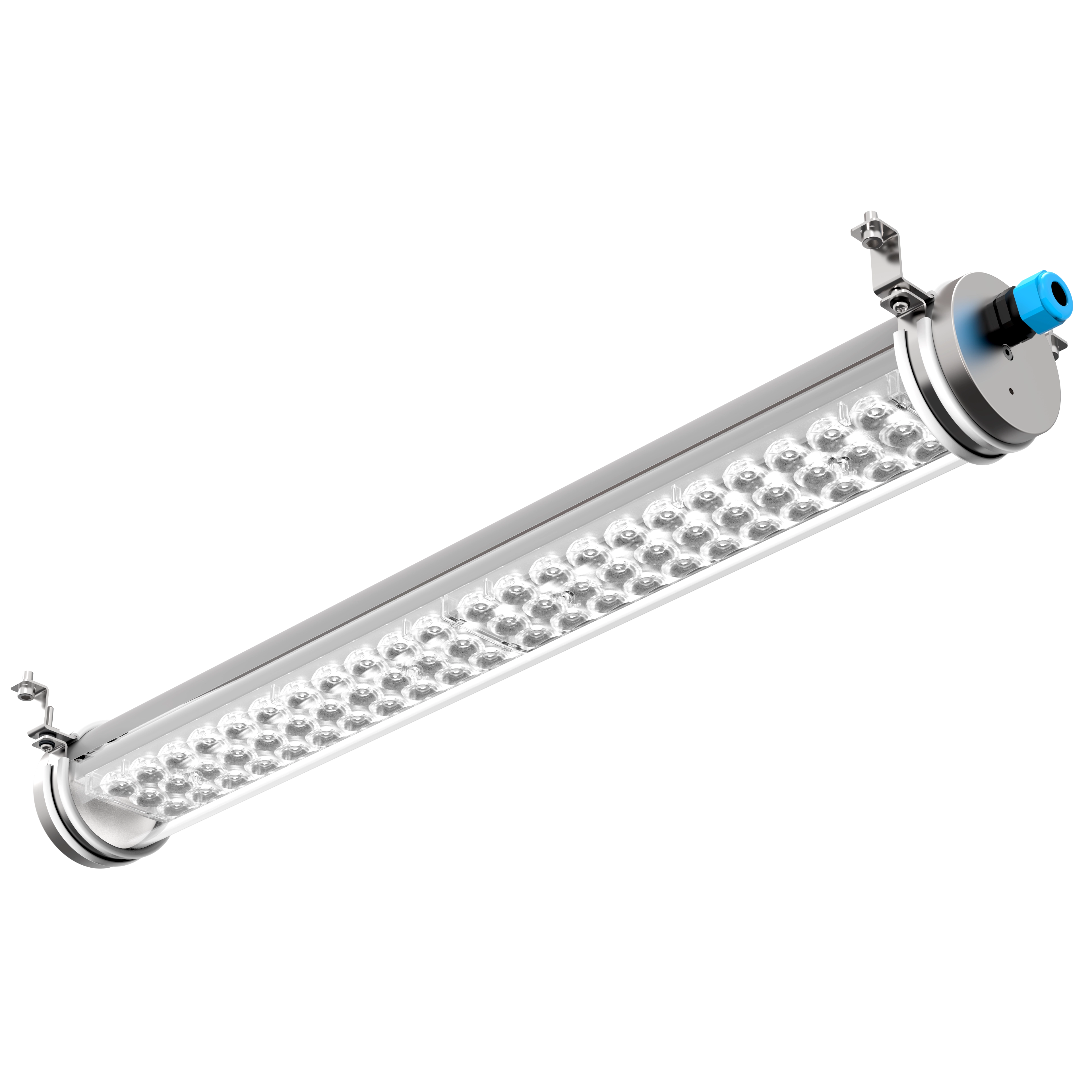
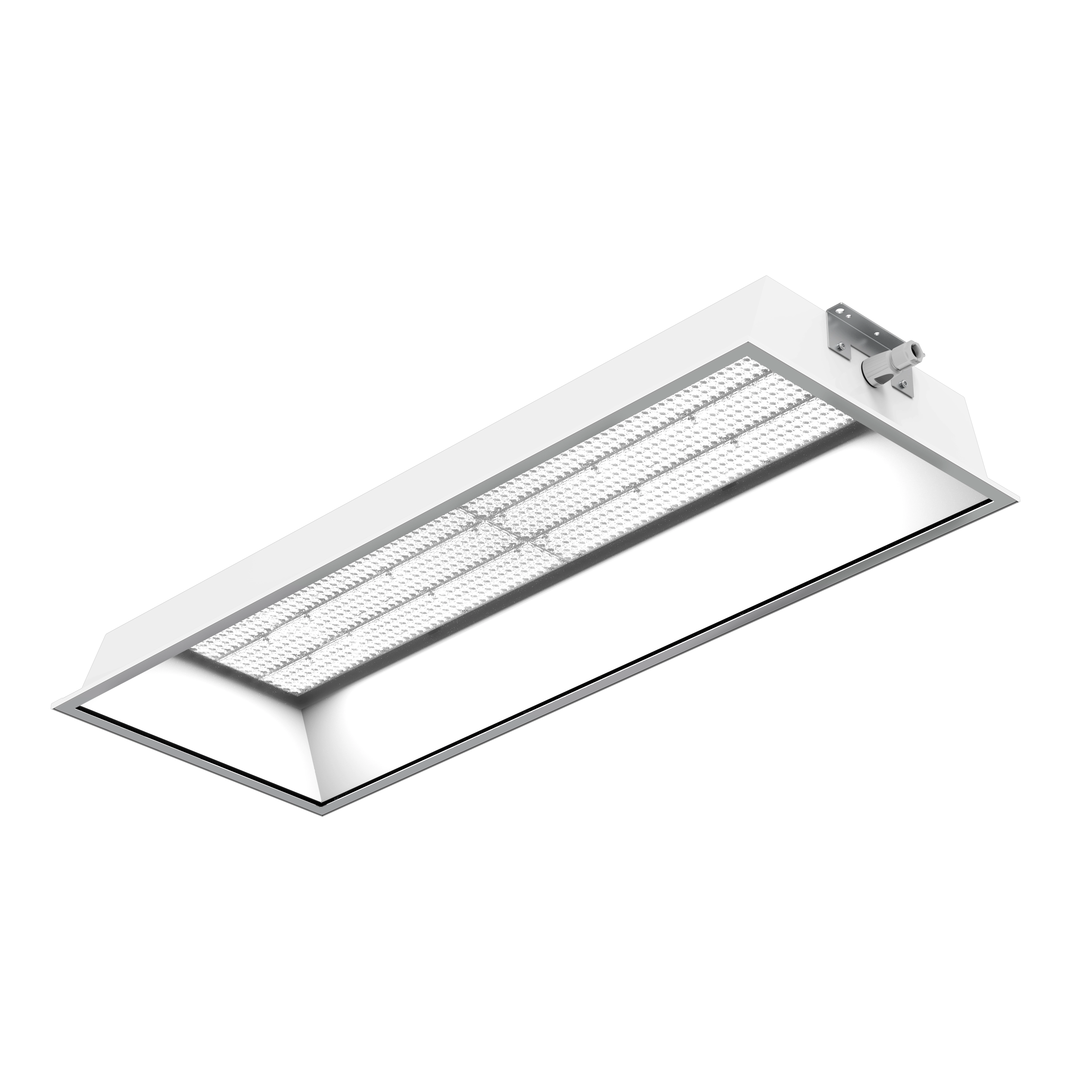
3F Filippi weatherproof and severe-environment ranges

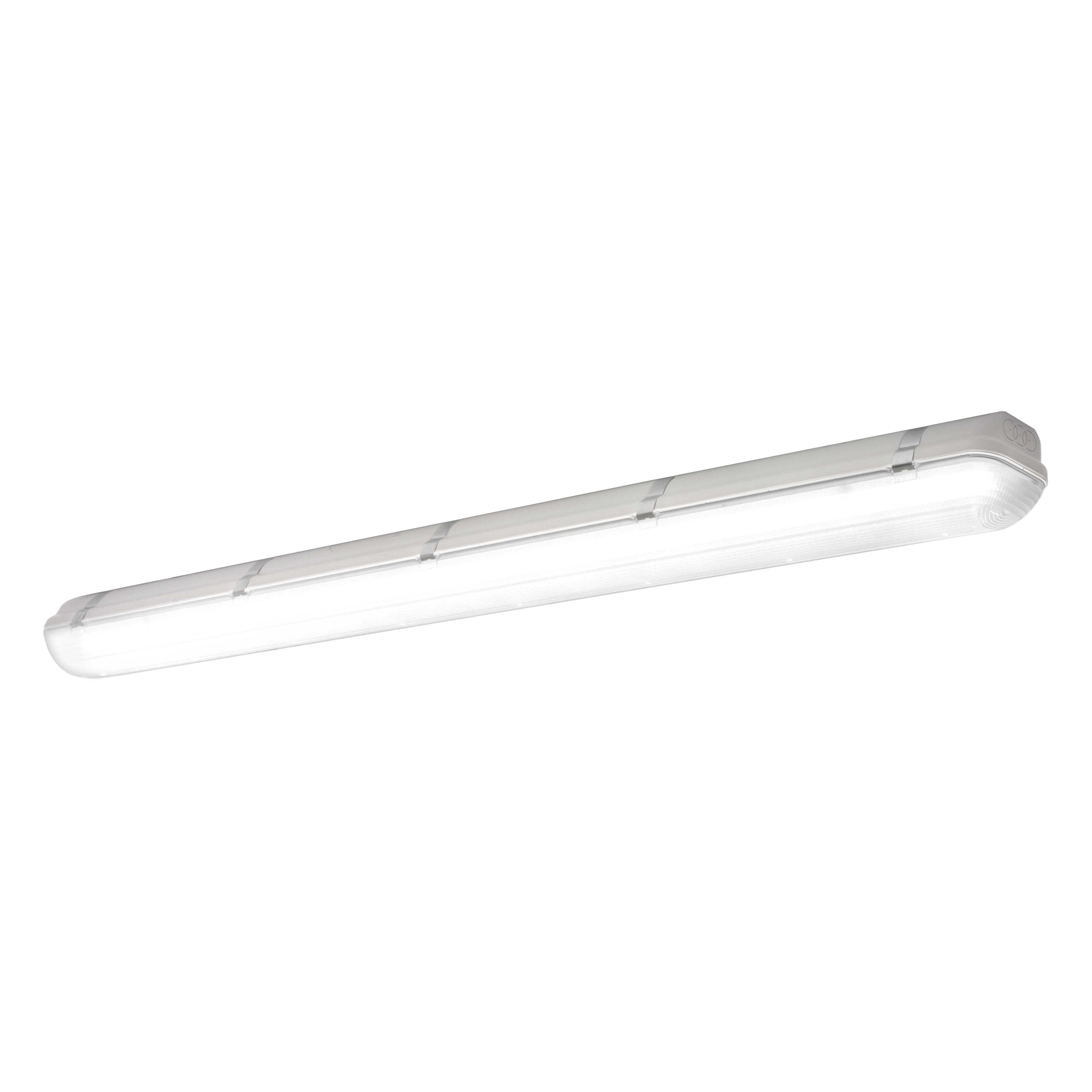
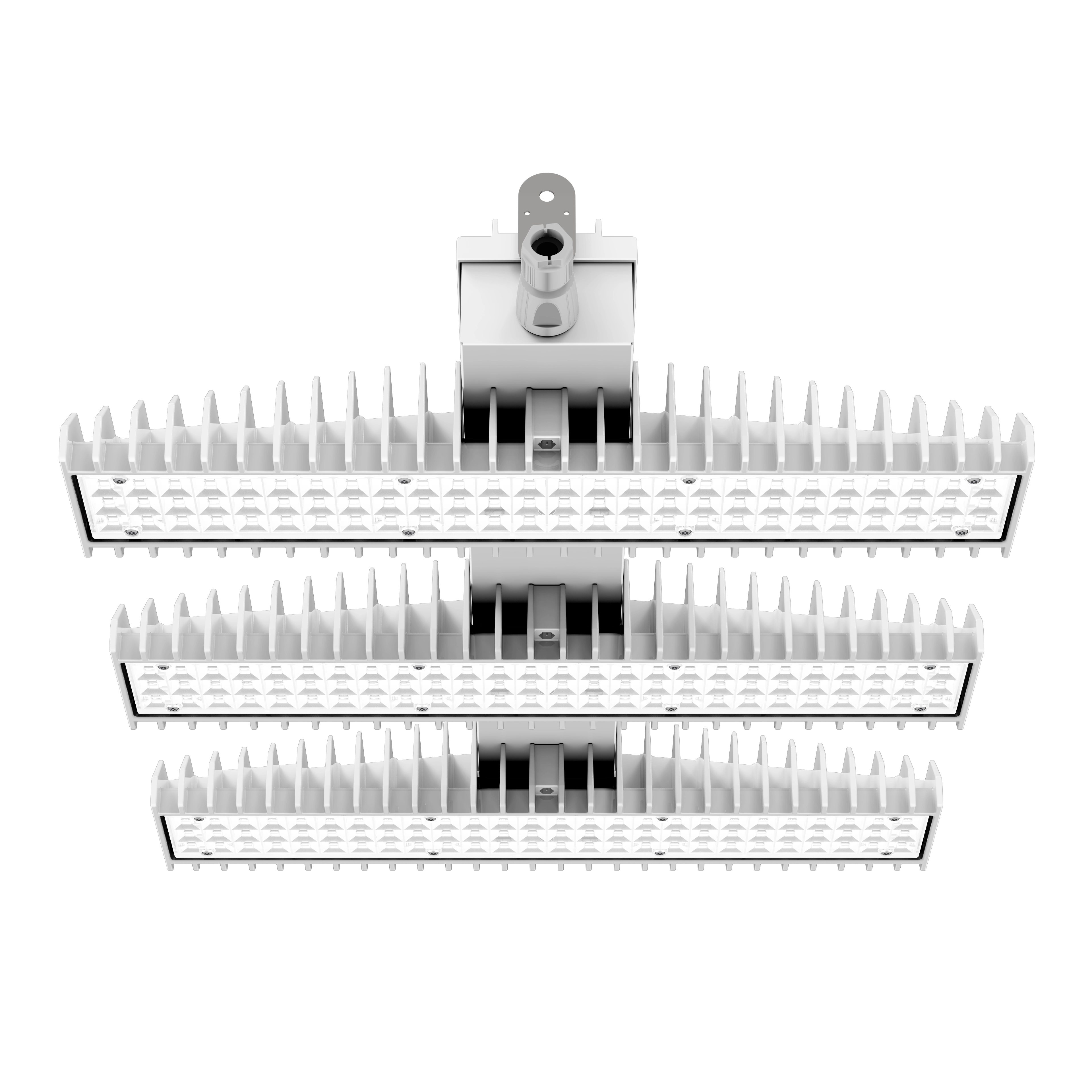
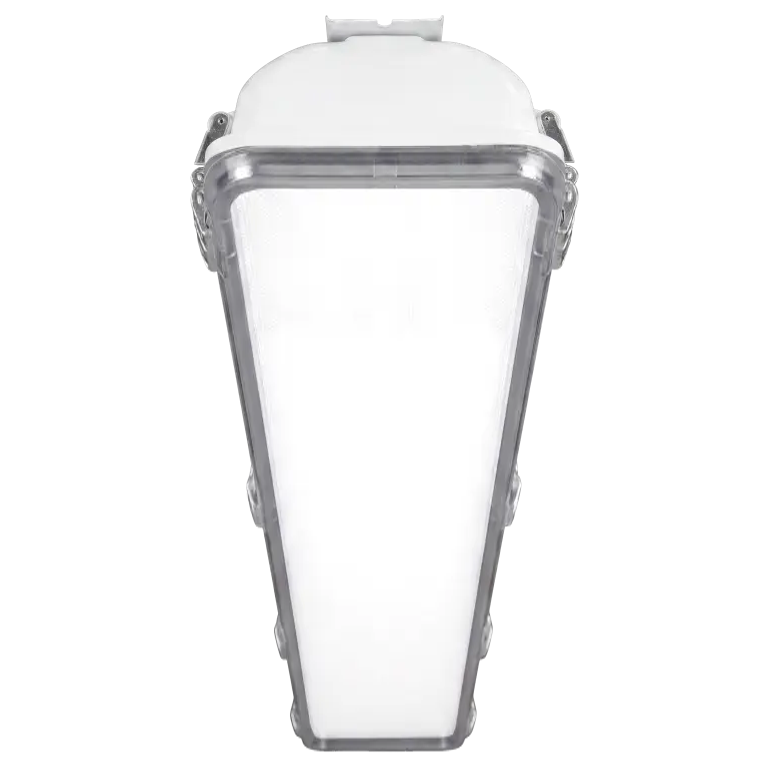
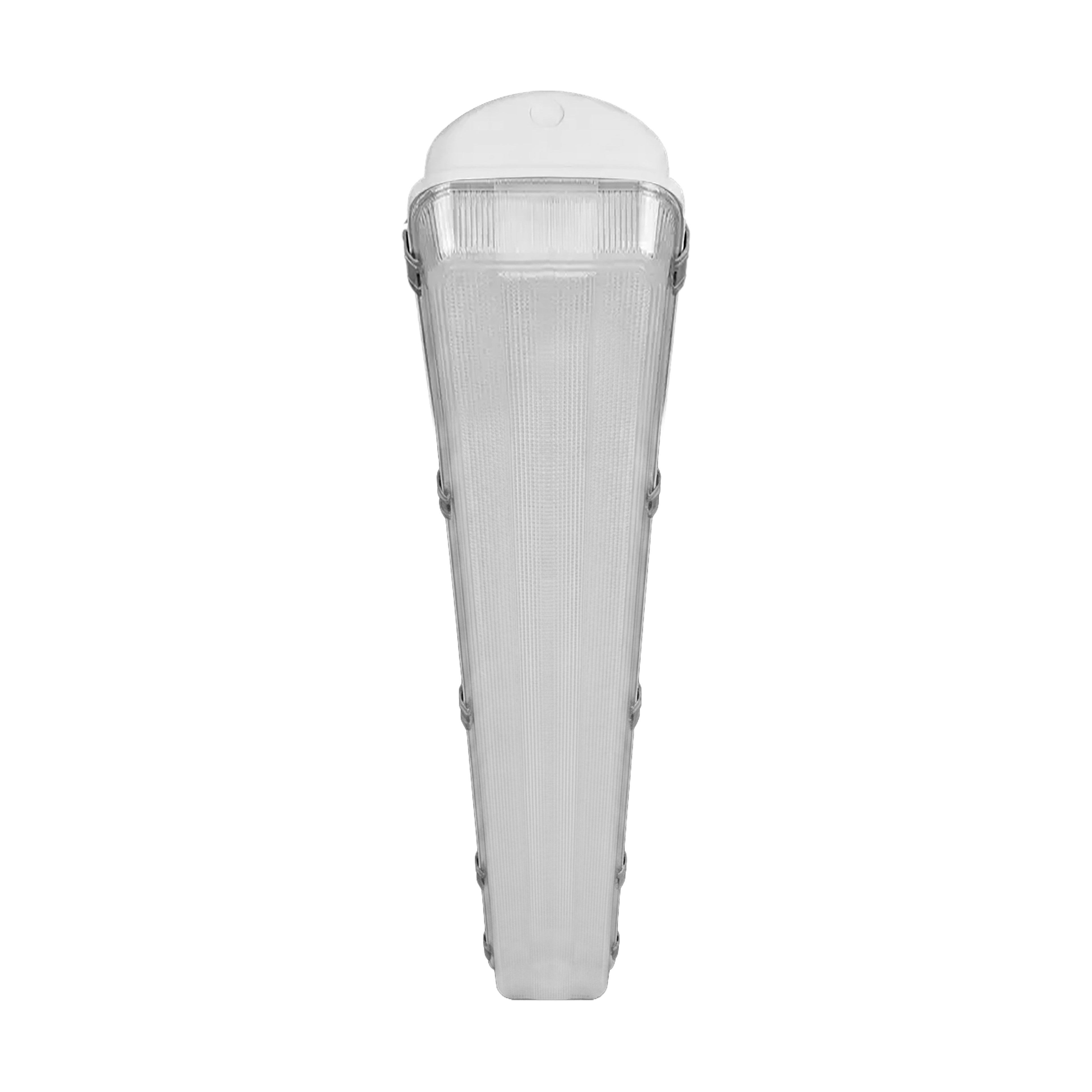
Weatherproof luminaires in polycarbonate and glass, corrosion-resistant versions for chemical and marine environments, low- and high-temperature versions and retrofit families for one-to-one replacement. Each range page lists IP and IK ratings, ambient operating temperature, cover materials and chemical resistance.

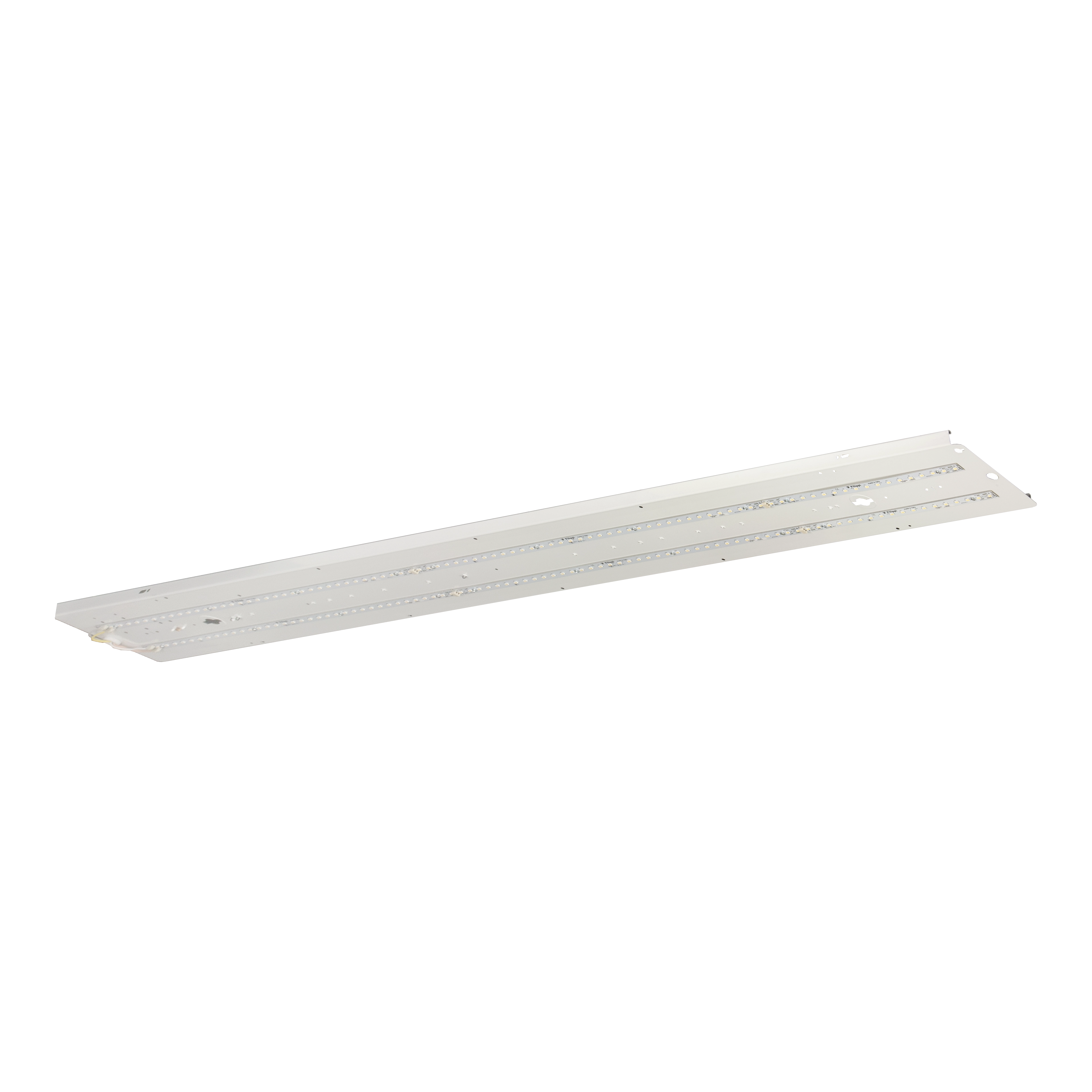
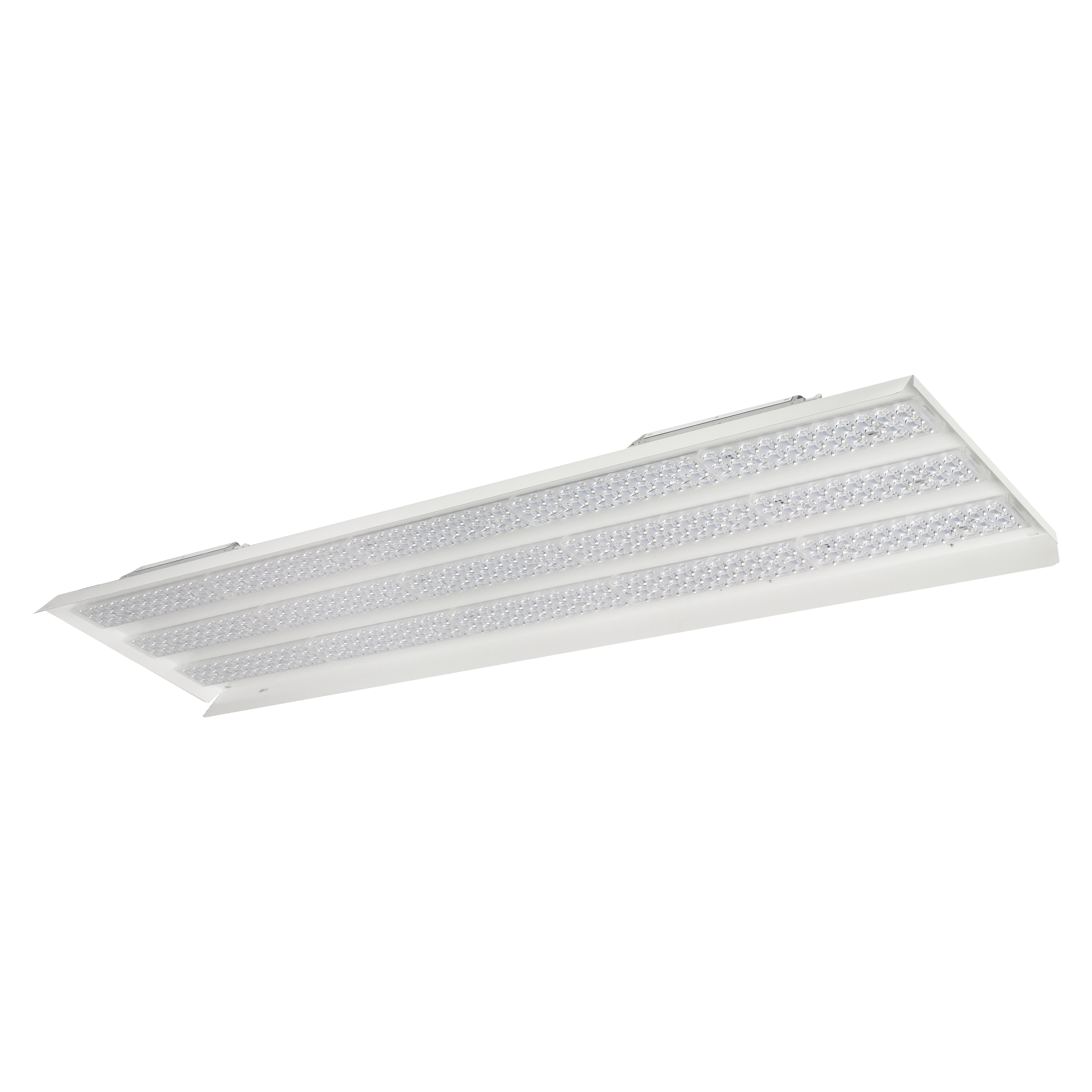
Other ranges suited to harsh environments: Retrofit 3F Cub, Retrofit 3F Linda.

Browse all ranges

Severe environments lit by 3F Filippi

Two plants where dust, machining and continuous operation dictated the choice of luminaires.

Frequently asked questions about lighting for harsh environments

What is meant by lighting for harsh environments?

Lighting designed to withstand extreme conditions — dust, moisture, impacts, high or low temperatures, chemicals — while guaranteeing safety and operational continuity, up to ATEX applications for potentially explosive atmospheres. It is not a type of luminaire but a selection method: you start from the real condition of the zone and identify the IP rating, IK rating, operating temperature and materials that will withstand it for the whole service life.

Which protection ratings are recommended for severe environments?

As a general rule IP65 or higher and mechanical resistance IK08–IK10, to protect against dust and water ingress and accidental impacts. In detail it depends on the condition: IP65 is enough for dust, IP66 is needed with water jets and condensation, IP69 with high-pressure, high-temperature washing; IK10 wherever the luminaire is within reach of vehicles or tools. The table on this page matches each condition to the rating actually needed.

Are LED solutions reliable in extreme environments too?

Yes, if they are designed for that environment. 3F Filippi LED luminaires for severe environments keep constant performance thanks to components qualified from −30 to +70 °C, thermal management sized for the declared ambient temperature and gaskets that stay elastic through thermal cycles. Unlike discharge lamps, LED does not fear vibration or frequent switching and performs better in the cold: it reduces faults, downtime and maintenance costs exactly where intervening costs most.

What is the difference between IP65, IP66 and IP69?

The first digit is the same — 6, fully dust-tight — and the second changes, i.e. the protection against water. IP65 withstands water jets from a 6.3 mm nozzle; IP66 powerful jets from a 12.5 mm nozzle, like those of a hose lance; IP69 (often written IP69K, from the automotive standard it comes from) high-pressure, high-temperature jets typical of food-industry sanitising. An IP69 is not «better» than an IP66 in a dry, dusty environment: it costs more and, without a compensation valve, can trap condensation.

Do the luminaires withstand detergents and frequent washing?

It depends on the material of the cover and gaskets. Polycarbonate withstands most alkaline detergents but can cloud with some aggressive solvents and disinfectants; tempered glass is inert to almost everything and is the choice for chemical sanitising. 3F Filippi versions for the food industry have a smooth cover with no crevices, silicone gaskets and stainless fixings, and the data sheet states the chemical resistance of the materials: compare it with the list of products used by the cleaning service.

What are ATEX zones and when is a certified luminaire needed?

The European ATEX directives classify areas where explosive atmospheres can form: zones 0, 1 and 2 for gases and vapours, zones 20, 21 and 22 for combustible dusts, in decreasing order of probability. Classification is done by the employer in the risk assessment, and in every classified zone the luminaires must be certified for that zone and for the group of substances present. 3F Filippi offers ATEX versions for zones 1/2 and 21/22 — paint shops, silos, mills, solvent stores, treatment plants — to be selected with the technical department on the basis of the classification.

Let us choose the right protection together, zone by zone

Describe the real conditions of your environments — dust, water, temperatures, washing, impacts, any classified zones — and our technical department identifies for each zone the IP and IK ratings, the materials and the suitable luminaires, with the lighting calculation. No obligation.