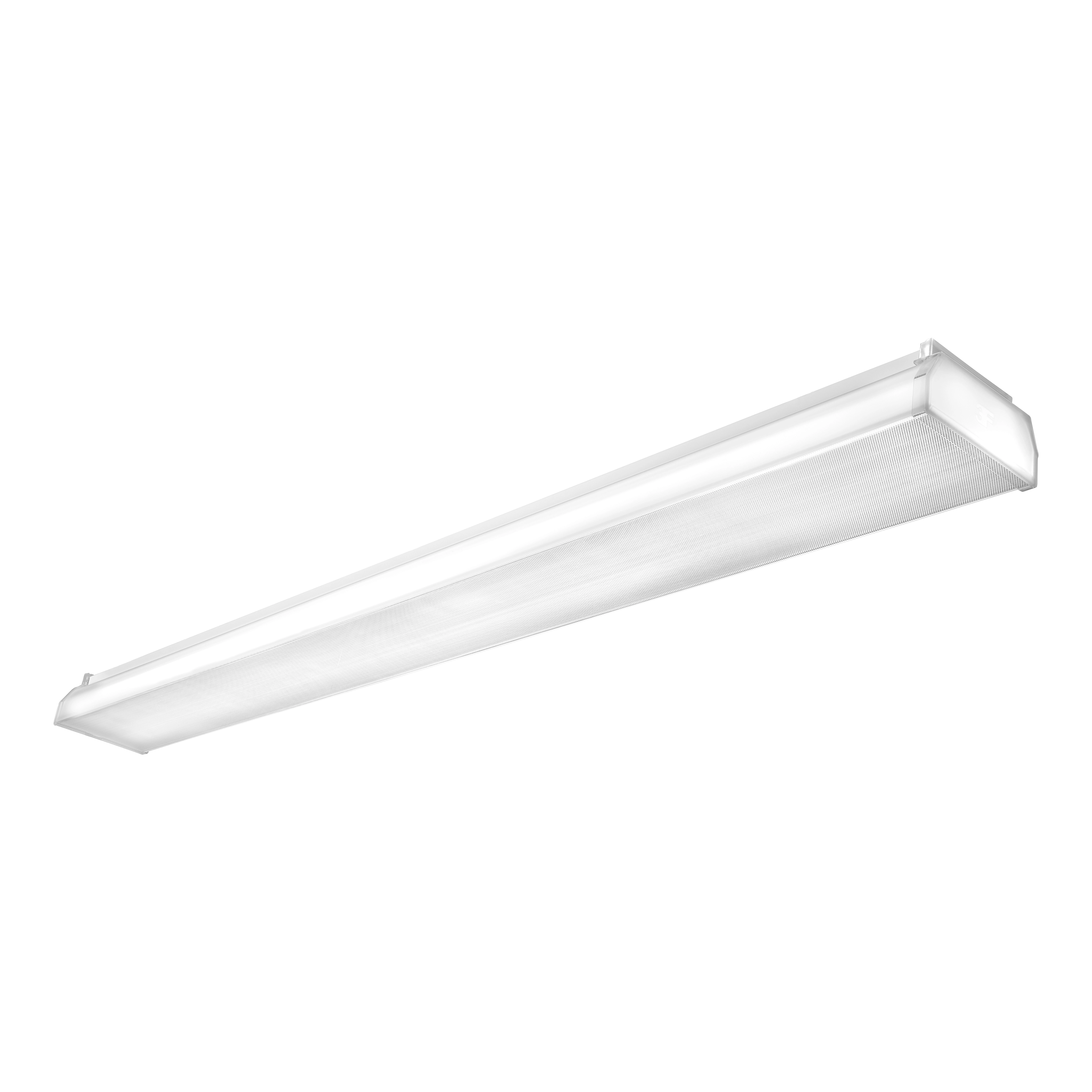
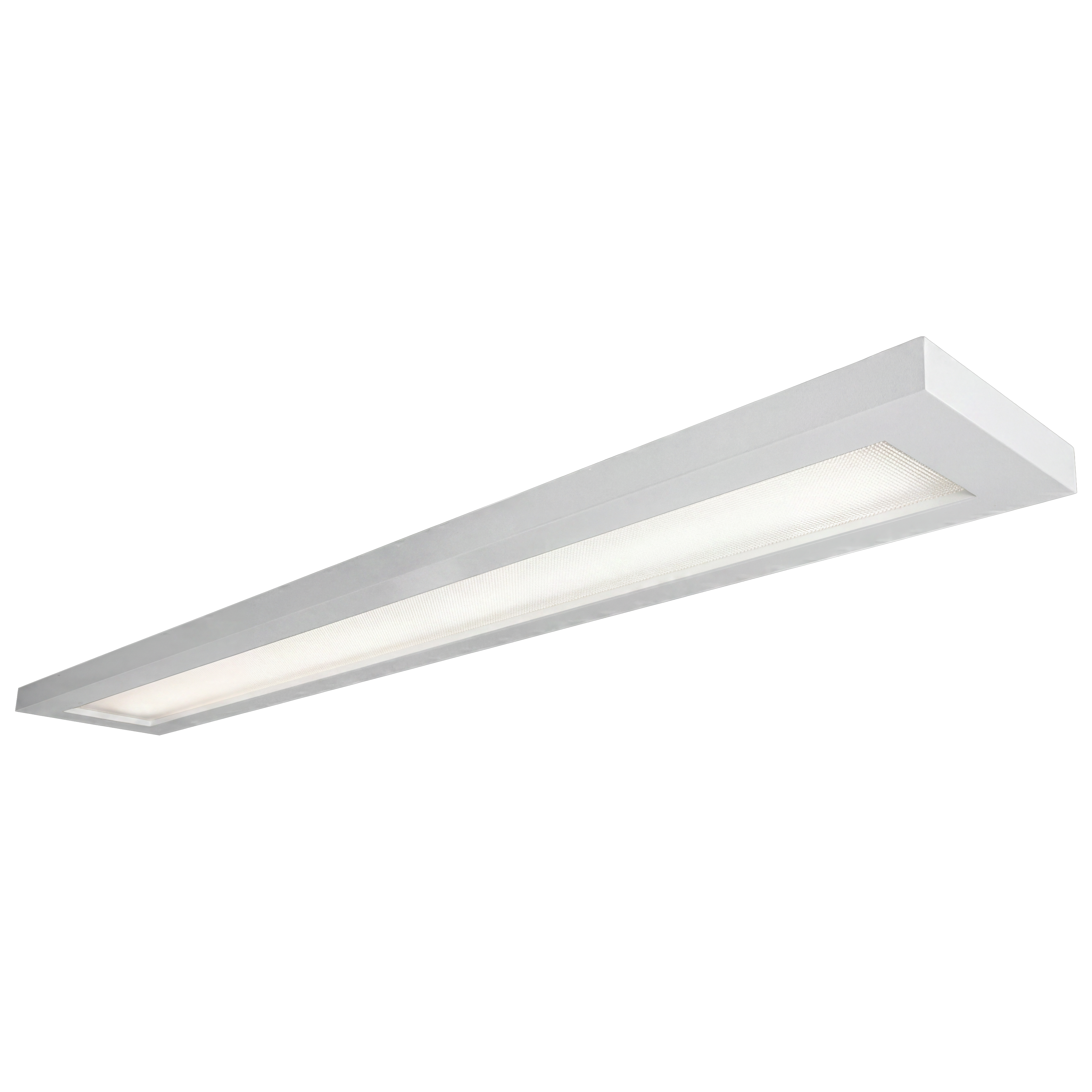
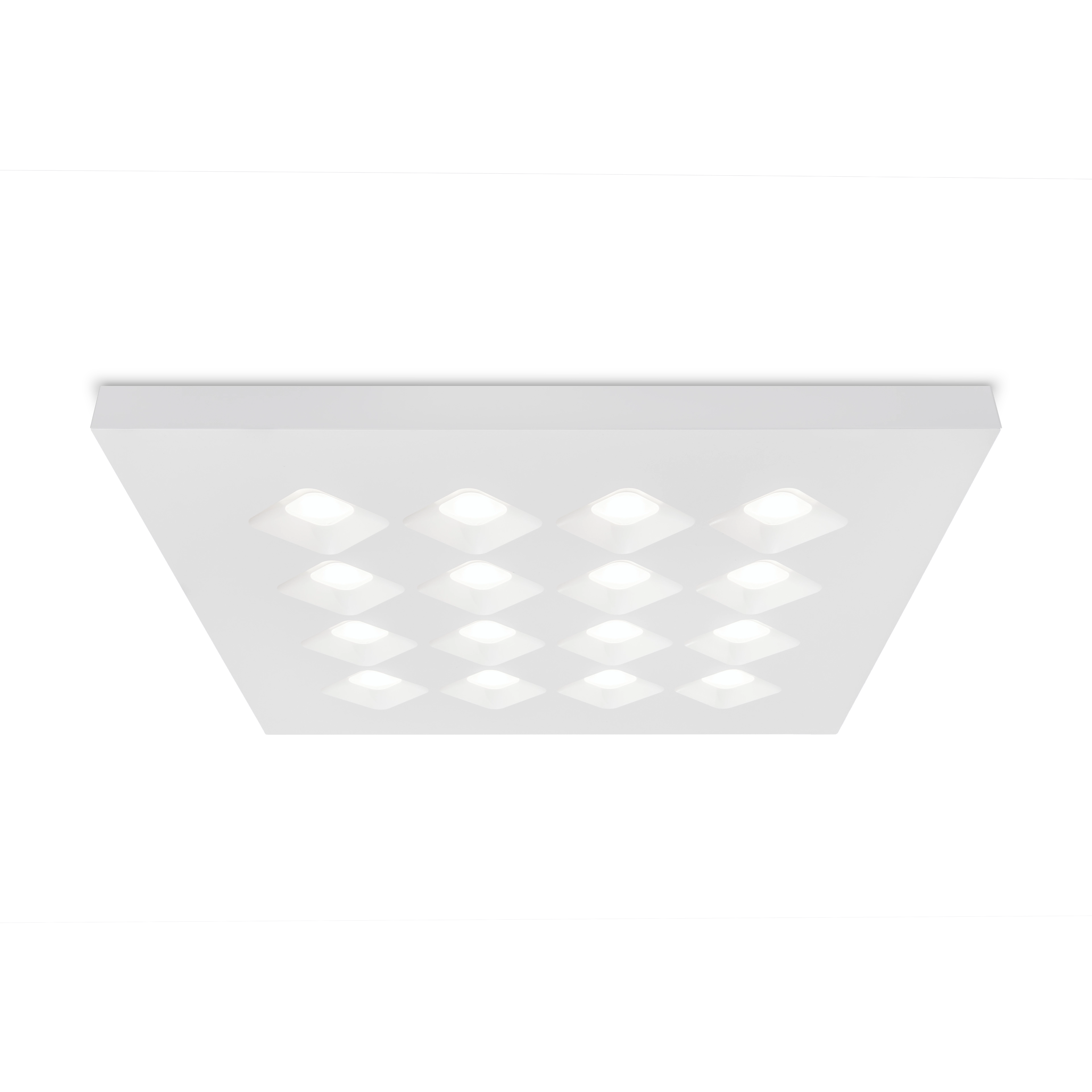
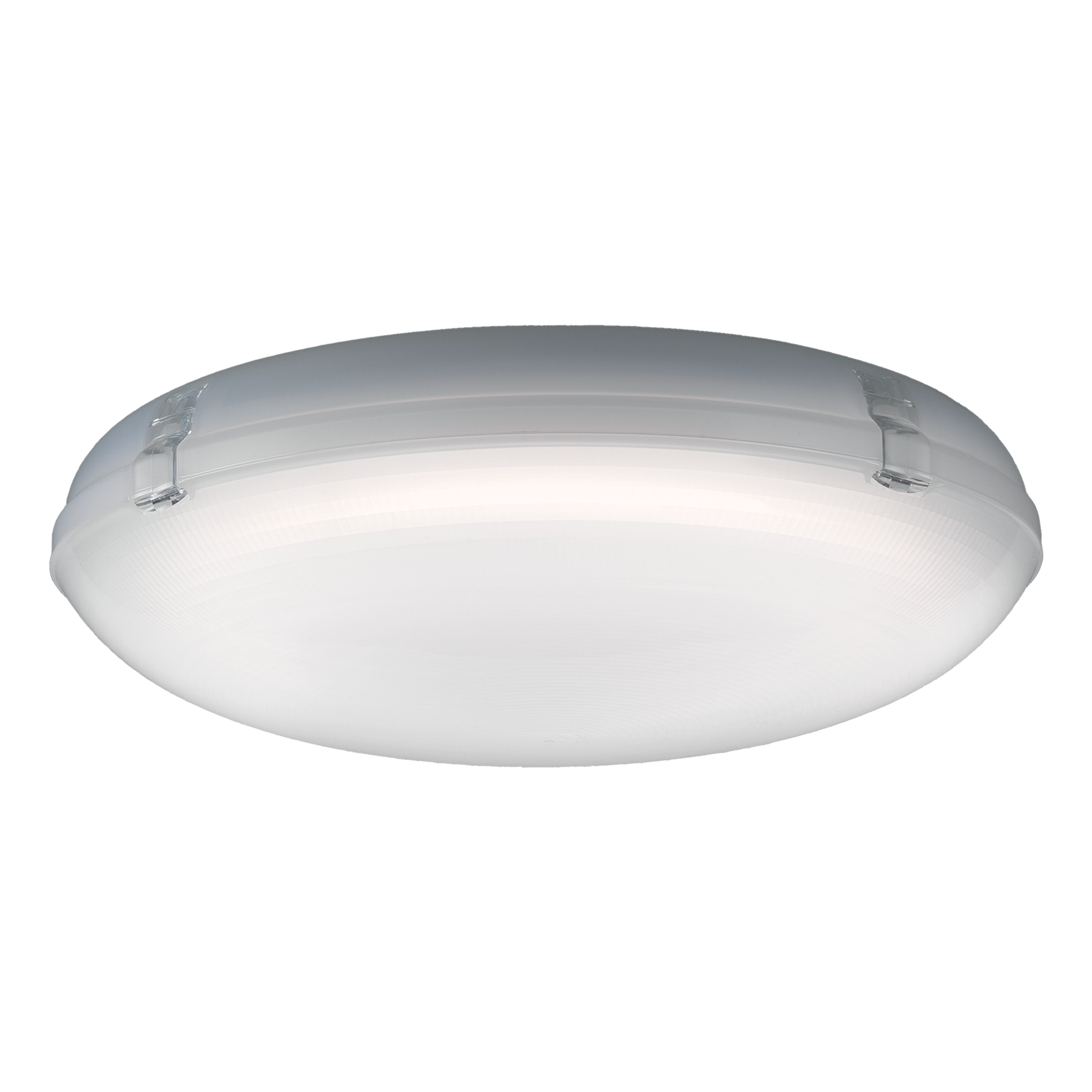
A customer decides whether to enter a shop in a few seconds, and decides by looking. The window is the first thing they see, the light on the products is what holds them, the visual comfort of the route is what makes them walk the whole space rather than the entrance aisle alone. Retail lighting is the design of these three moments: ambient, accent, window — with different levels, contrasts, colour rendering and colour temperatures for each.
3F Filippi solutions for retail and large-scale distribution are designed to enhance products, optimise their visibility and improve the shopping experience: efficient, versatile LED luminaires with high colour rendering, optics dedicated to aisles, shelving and counters, track systems to reconfigure the display without an electrician, and versions for food and refrigerated areas. Ideal for shops, supermarkets, shopping malls, outlets, showrooms and large sales areas.
This is the reference page of the retail group. The dedicated pages go deeper into each format: supermarkets and large-scale retail with LEDs for fresh food and refrigerated counters, malls and large commercial spaces, smart lighting for supermarkets and store relamping.
EN 12464-1 sets the minimums for sales areas (300 lx on the sales floor, 500 lx at tills and packing counters), but a retail design works on ratios more than on minimums: accent on the product must be at least 3:1 to ambient to catch the eye, the window must beat the daylight hitting it from outside, the tills must be found without searching. The table summarises the values we use as a starting point; the design then adapts them to the format and the brand positioning.
| Store area | Typical illuminance | Colour rendering and colour temperature | Typical 3F Filippi solution |
|---|---|---|---|
| Shop window | 1,500–3,000 lx by day, 500–1,000 lx in the evening | CRI ≥ 90, 3000–4000 K by merchandise; adjustable narrow-beam spotlights | Zero 3F Track, 3F Zeta Track and spotlights on Binario 3F |
| Entrance and decompression zone | 500–750 lx | CRI ≥ 80, same colour temperature as the sales floor; uniform, glare-free light | 3F HD, 3F Hal, 3F Eldorado |
| General sales floor | 300–500 lx | CRI ≥ 80, 3000–4000 K; uniformity ≥ 0.6 | Zero 3F, 3F Travetta, 3F Linux, 3F LED Panel |
| Shelving and aisles | 500–750 lx on the vertical plane of the shelf | CRI ≥ 80–90, batwing optic (BAT / BAT WD) to light shelves from top to bottom | 3F Zeta and Zero 3F with BAT optic, 3F Millumino |
| Promotional areas, islands and displays | Accent 3:1 – 5:1 to ambient | CRI ≥ 90, adjustable medium or narrow beam | Spotlights on Binario 3F, 3F Reno recessed, 3F Six R |
| Tills and service counter | 500 lx, uniformity ≥ 0.7 | CRI ≥ 80, no reflections on screens | 3F Dìagon P, 3F Solo, L 340 |
| Fitting rooms and mirrors | 500–750 lx on the face, vertical | CRI ≥ 90, 3000–3500 K, side light on the mirror without shadows | Mira Parete, 3F Reno |
| Back of house, stockroom and technical areas | 200–300 lx | CRI ≥ 80, 4000 K; IP65 where washed down | 3F Petra, 3F Linda, 3F Zeta |
Colour temperature follows the merchandise and the positioning: 3000 K for clothing, leather goods, furniture and gold jewellery; 3500–4000 K for electronics, cosmetics, perfumery and the sales floor of supermarkets; dedicated light for fresh food, covered on the supermarket page. Initial colour tolerance SDCM 3 (MacAdam ellipses) guarantees that adjacent luminaires have the same tint: in a shop the customer immediately notices two different whites on the same wall.
Three technical characteristics that set shop lighting apart from office lighting, and how they are built into 3F Filippi luminaires.
LEDs with CRI > 90 for display areas and windows, where the product's colour is the sales argument, and CRI ≥ 80 for general light. For food, calibrated spectra are available — CRISP LEDs for fruit, vegetables and packaged goods, MEAT for meat and charcuterie, BREAD for bakery and pastry — enhancing natural colours without altering them, plus ICE versions for cold rooms and refrigerated counters with operating temperatures down to −40 °C. Initial colour tolerance SDCM 3.
Tunable White versions (3F HD, 3F Dìagon P) change colour temperature during the day or with the display season: warmer light for the winter collection, cooler for summer, same luminaire.
Different optics and lenses for each required light distribution: BAT and BAT WD (batwing) to bring light onto the vertical shelves rather than the aisle floor; WIDE for open sales areas; MEDIUM and NARROW for accent on islands, displays and windows. Adjustable lenses in the track versions, to follow promotions and layout changes.
Housings in extruded aluminium or painted sheet steel, diffusers in high-transparency polycarbonate or methacrylate, LGS low-luminance microprismatic screens for the areas where the customer looks up.
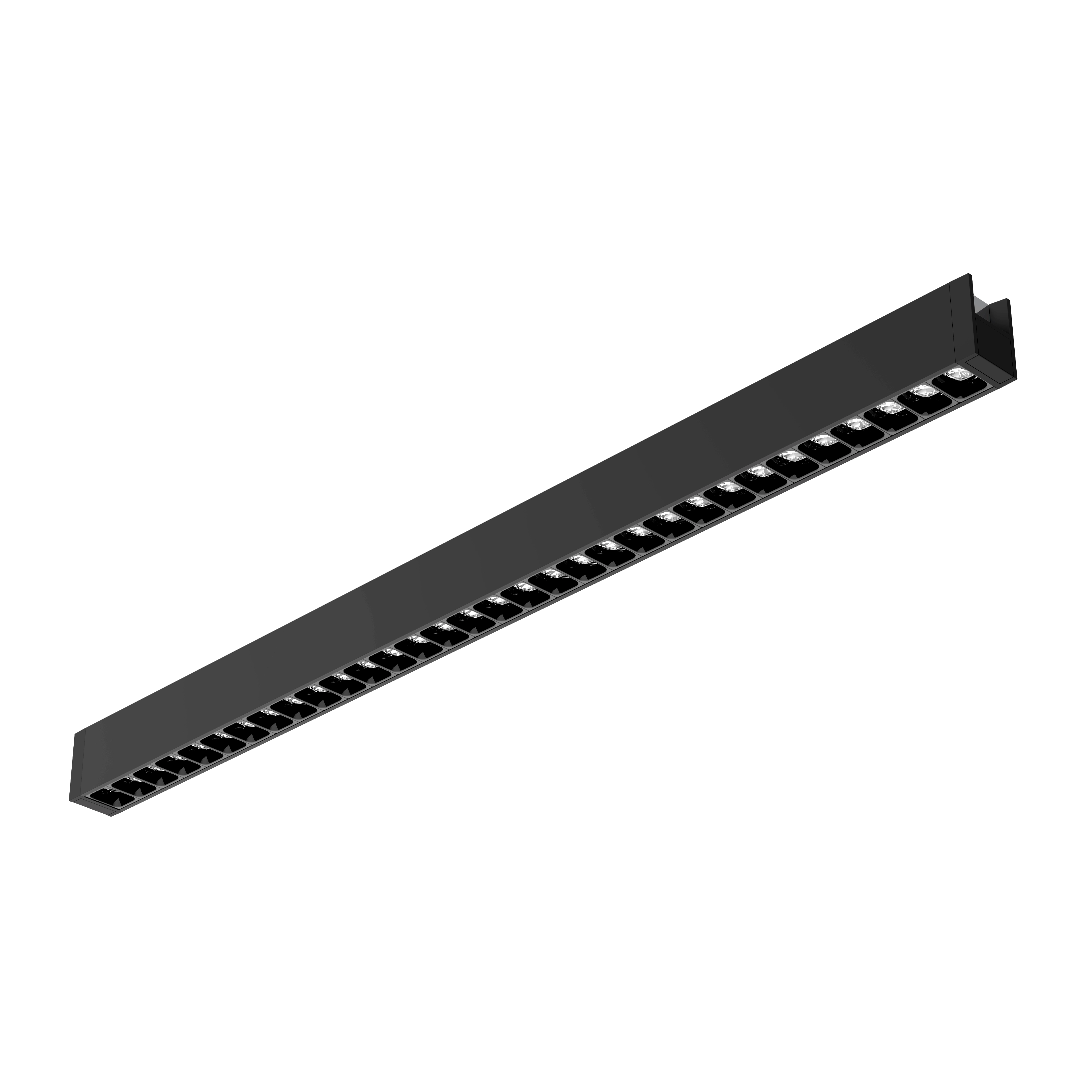
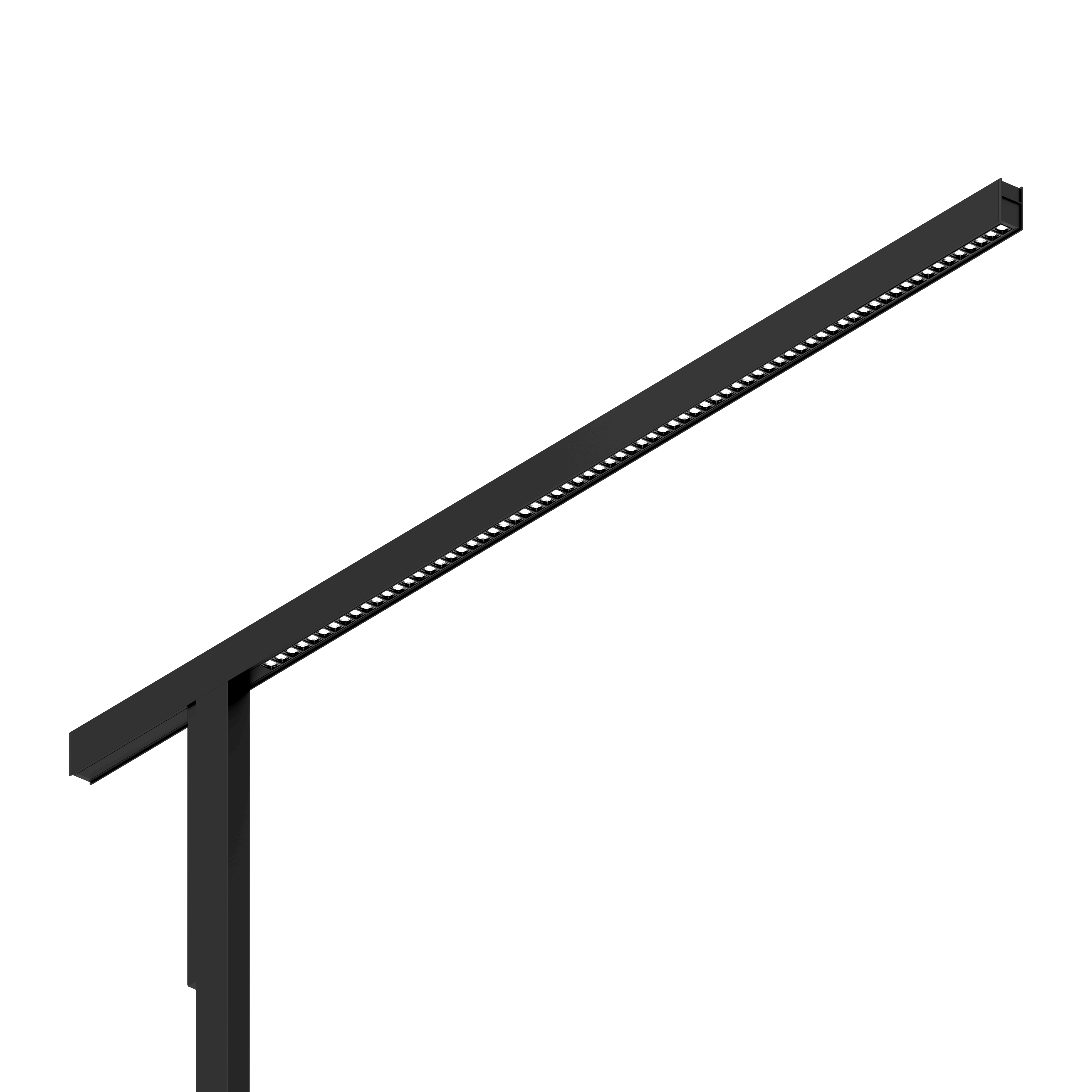
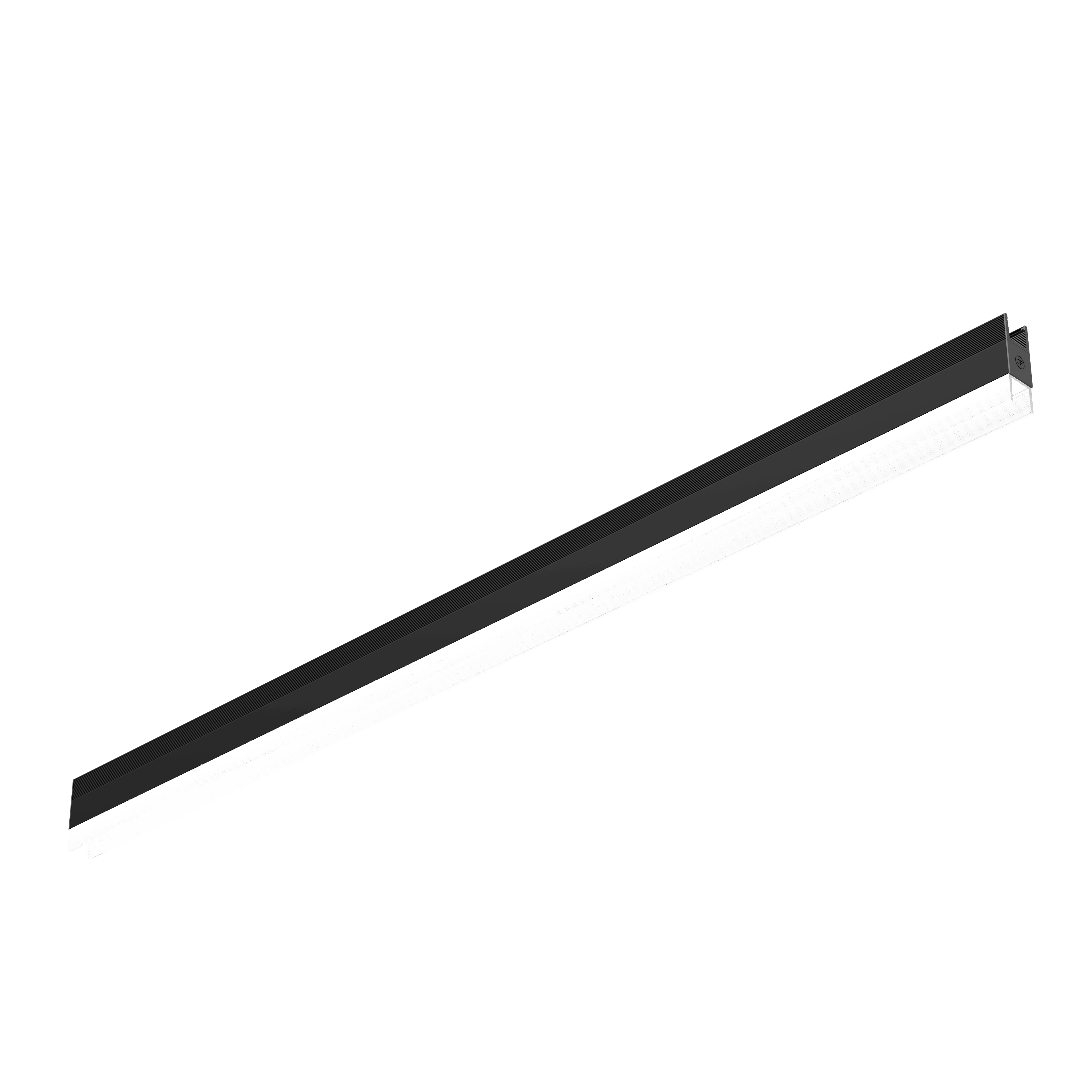
Binario 3F: a three-phase track with two additional conductors for the DALI signal, ceiling or suspended, carrying linear luminaires (Zero 3F Track, 3F Zeta Track), spots, square and rectangular fixtures: the display is reconfigured by moving the luminaires, without touching the installation. Continuous light lines with 3F Linux for the routes.
Luminaires compliant with EN 60598-1 and the requirements for premises open to the public, CE, ENEC certifications and HACCP suitability for food areas; IP40 protection for the sales floor and IP65 for food areas, preparation rooms and technical zones.
The four benefits reported by retailers who renewed their lighting with 3F Filippi, measurable in sales, bills and intervention times.
High colour rendering LEDs and optics designed to emphasise colours, textures and freshness: the red of a bag, the weave of a fabric, the sheen of a fruit reach the customer as they are. It is the benefit you see at once when comparing two shelves lit differently.
Stores stay lit 12–16 hours a day, seven days a week: luminaire efficiency weighs more than in any other building. 3F Filippi LED cuts consumption by 60% compared with fluorescent and metal halide, and with the controls on the smart lighting page it goes further.
Track systems, adjustable spots and customisable light distributions: the light follows the promotions calendar and layout changes, which in retail are the rule. Adding or moving a spotlight is a job for the visual merchandiser, not the electrician.
Uniform, comfortable, glare-free lighting on the routes, with accents where they are needed: the customer finds their way, walks the whole space and stays longer. Visual comfort also counts for whoever works eight hours at the tills or the counter.
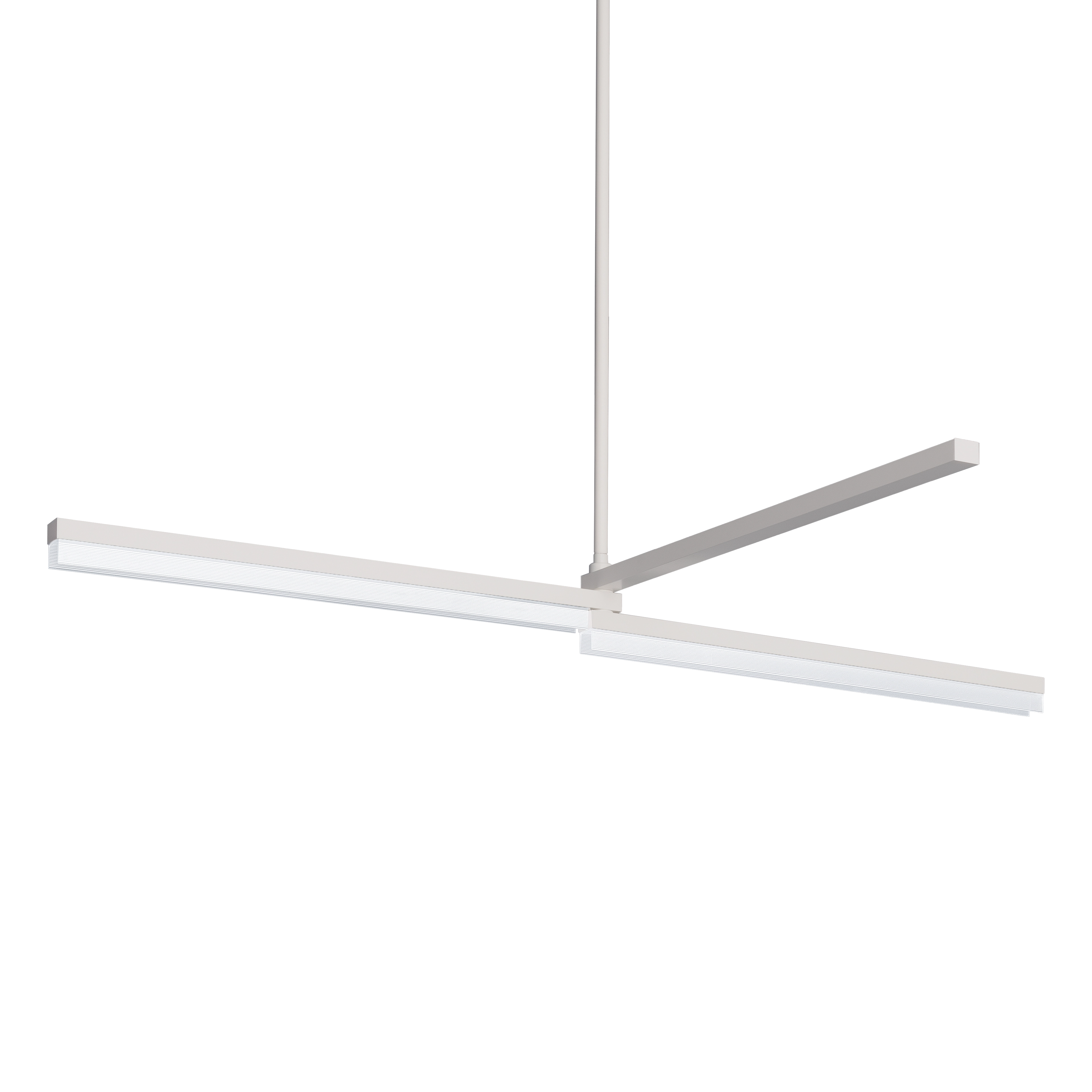
Suspended and ceiling linear luminaires, recessed fixtures, track systems, downlights and luminaires for the back of house: the range pages give light distributions (BAT, WIDE, MEDIUM, NARROW), LEDs by merchandise, lumen packages and files for lighting calculation.
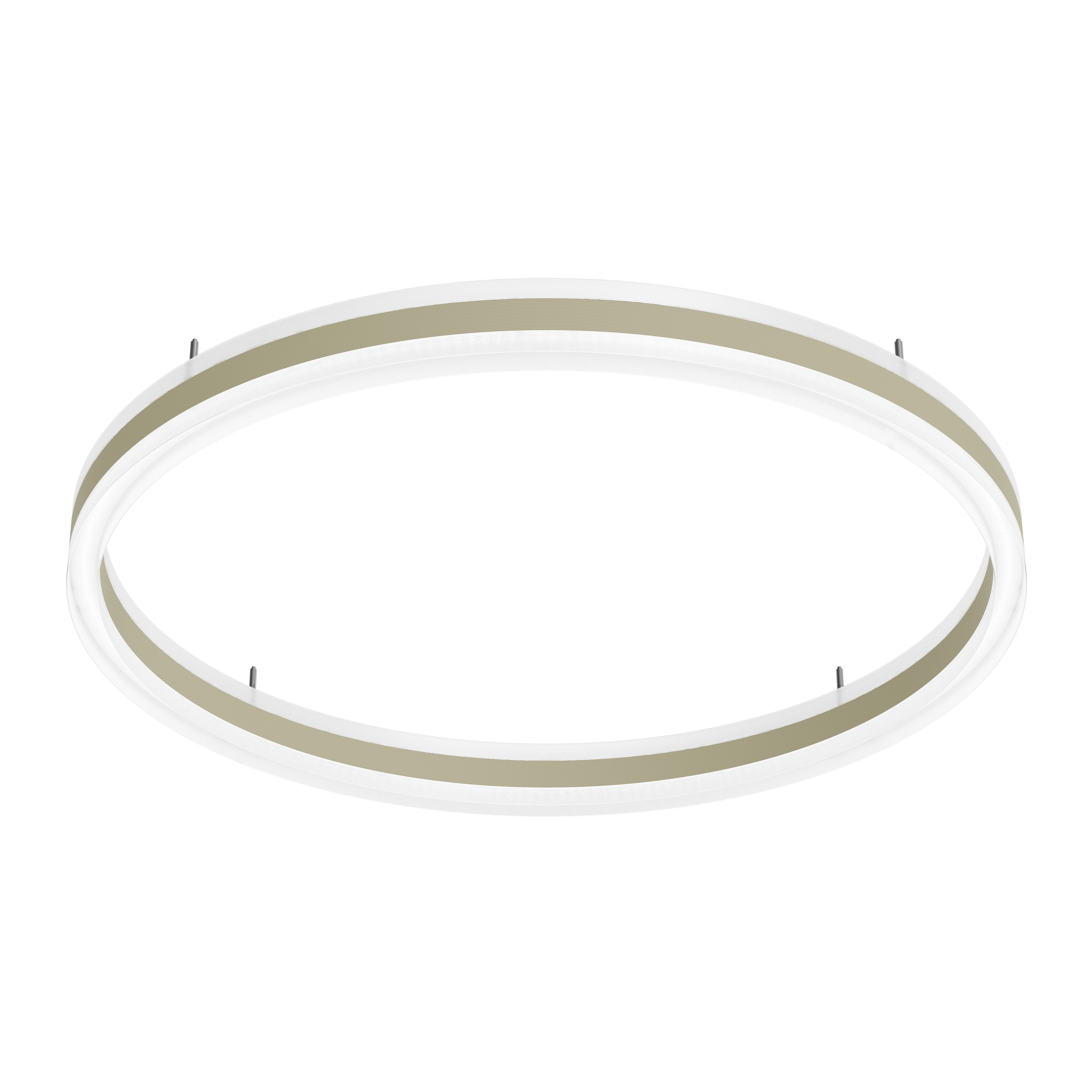
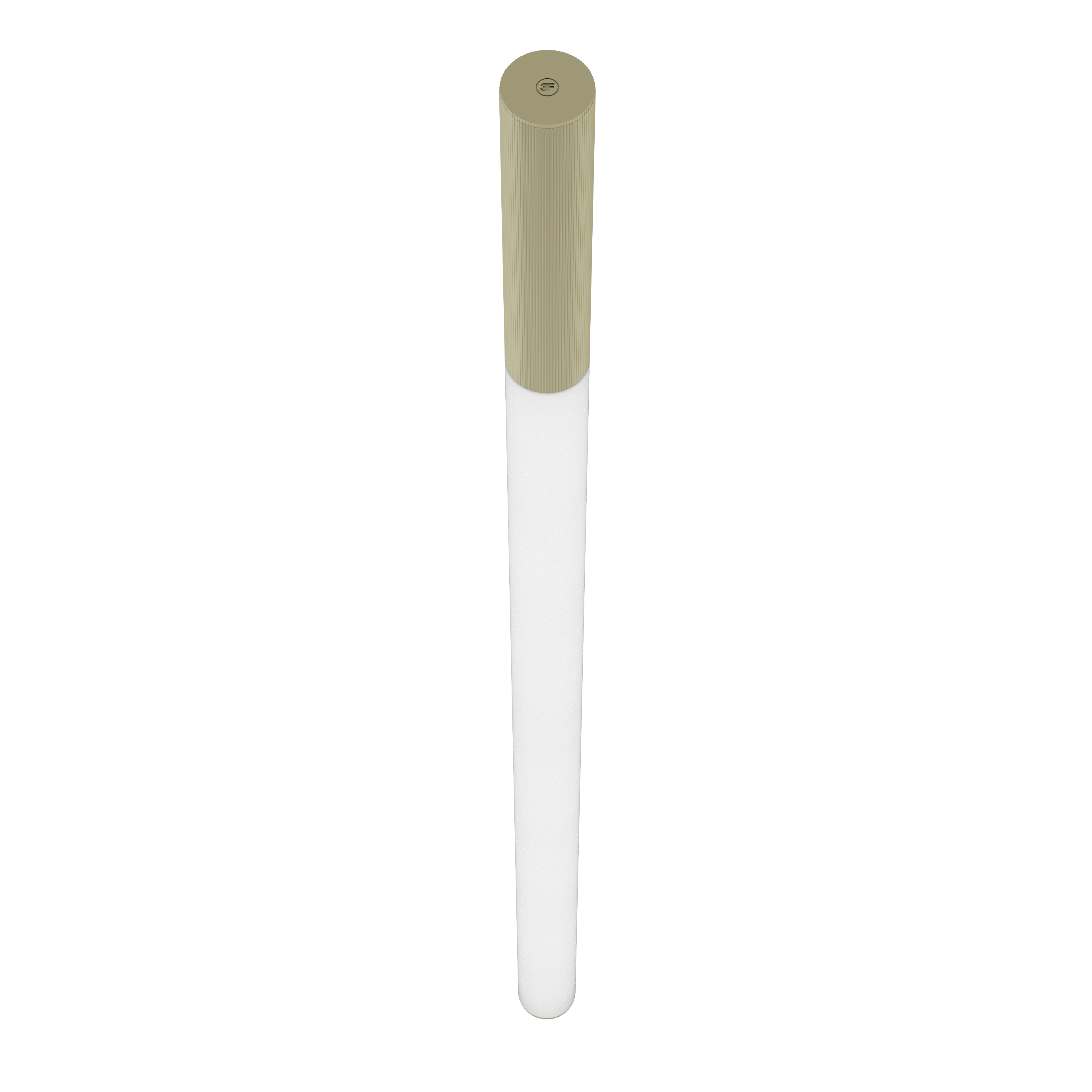
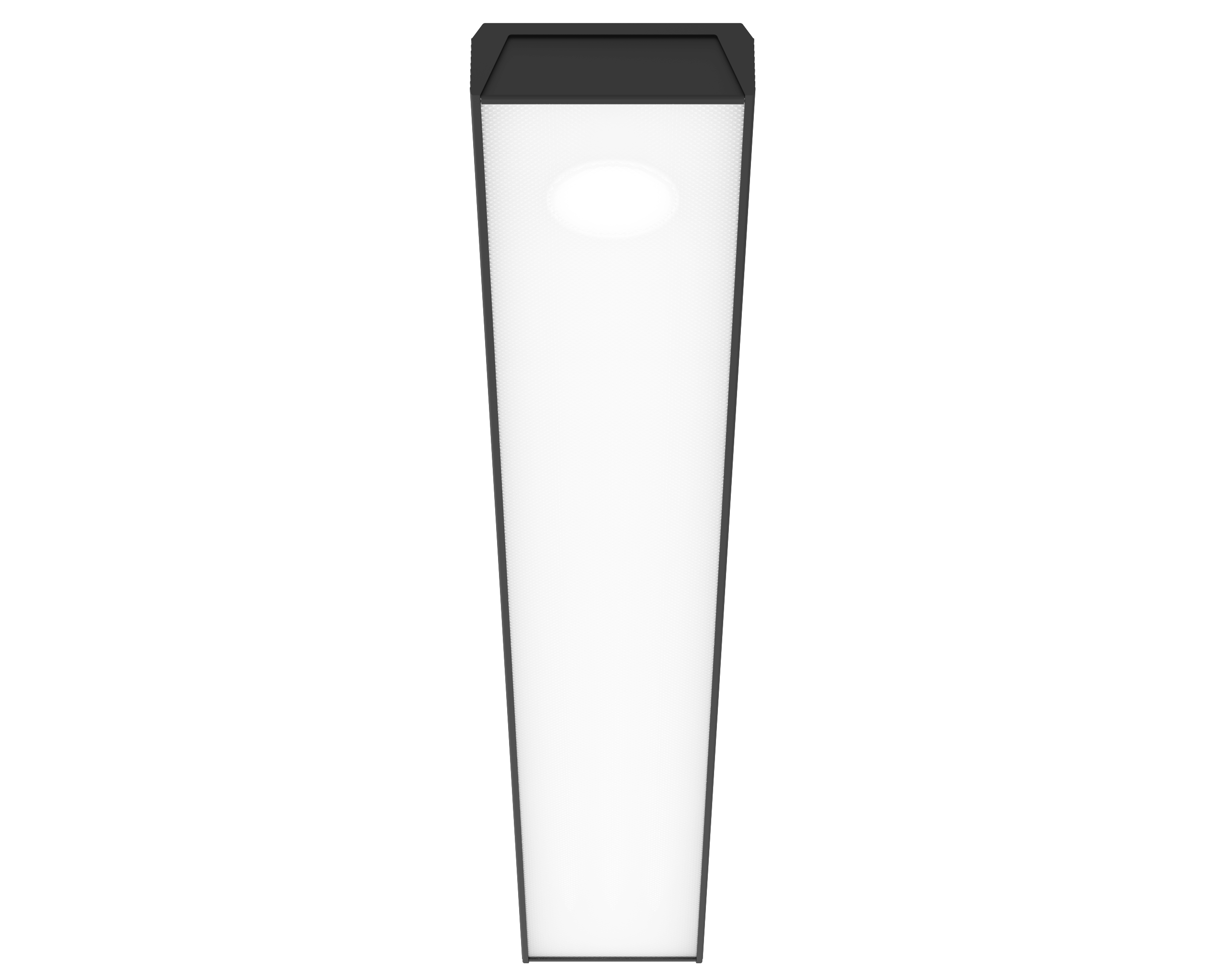
Other ranges used in retail projects: Mira Wall, 3F HD R, 3F Eldorado, 3F Six R, 3F LED Panel, L 320, L 340, L 350, L 360, L 490, 3F Reno, Zero 3F Track, 3F Zeta Track, 3F Linux, Binario 3F, 3F Mirella, 3F Mirella Floor, 3F Filoluce, 3F C8, Lucequadro.
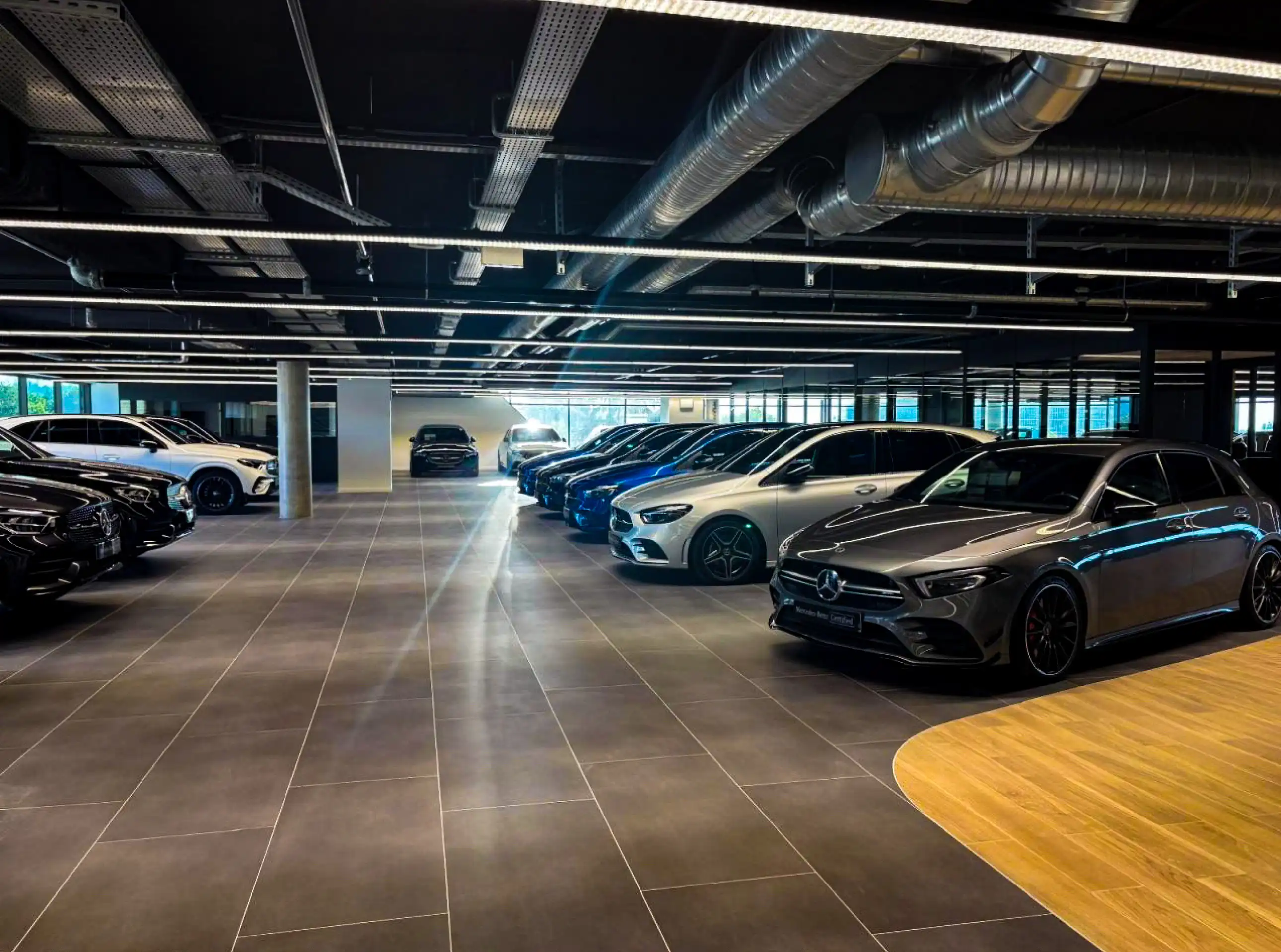
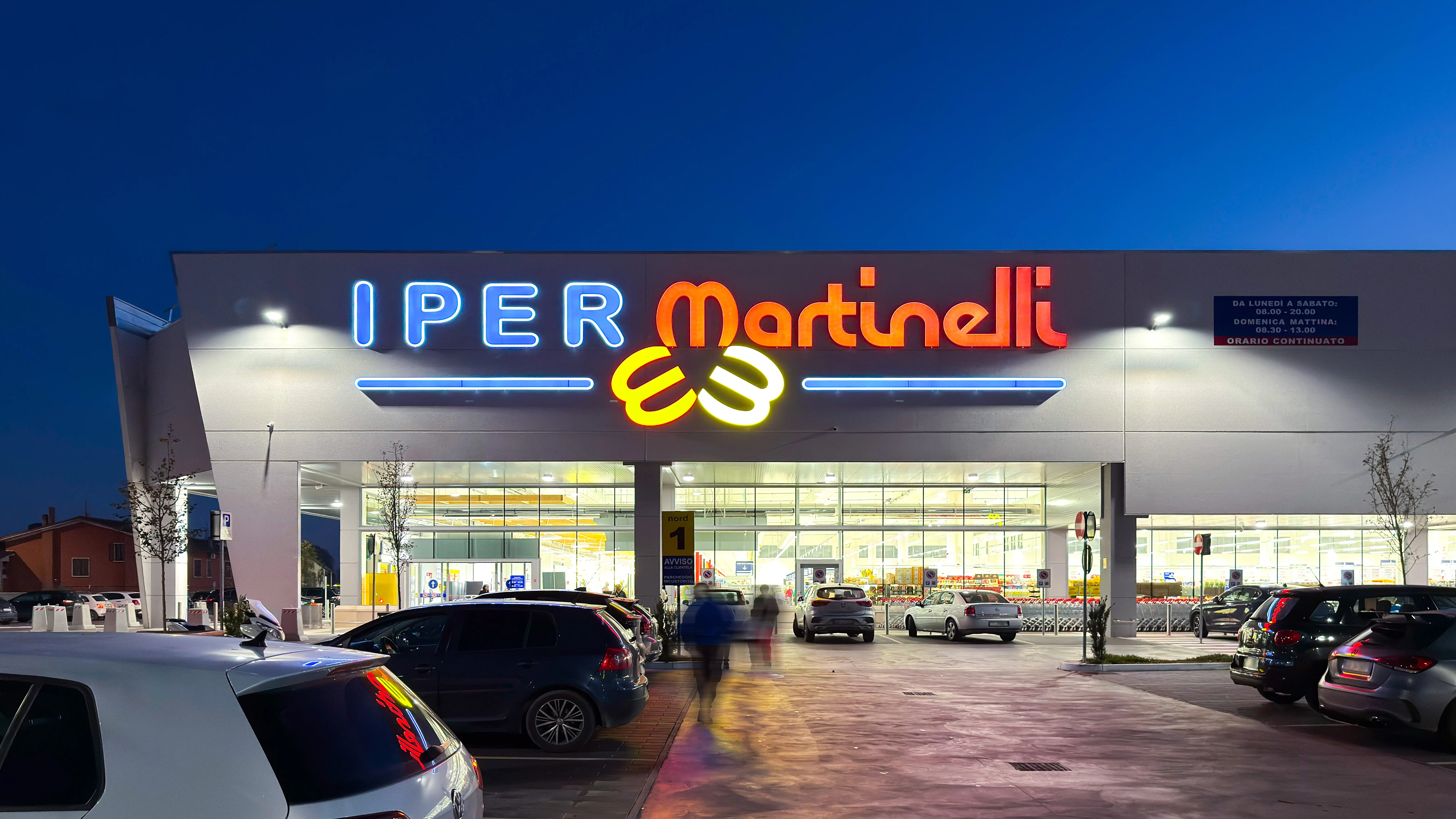
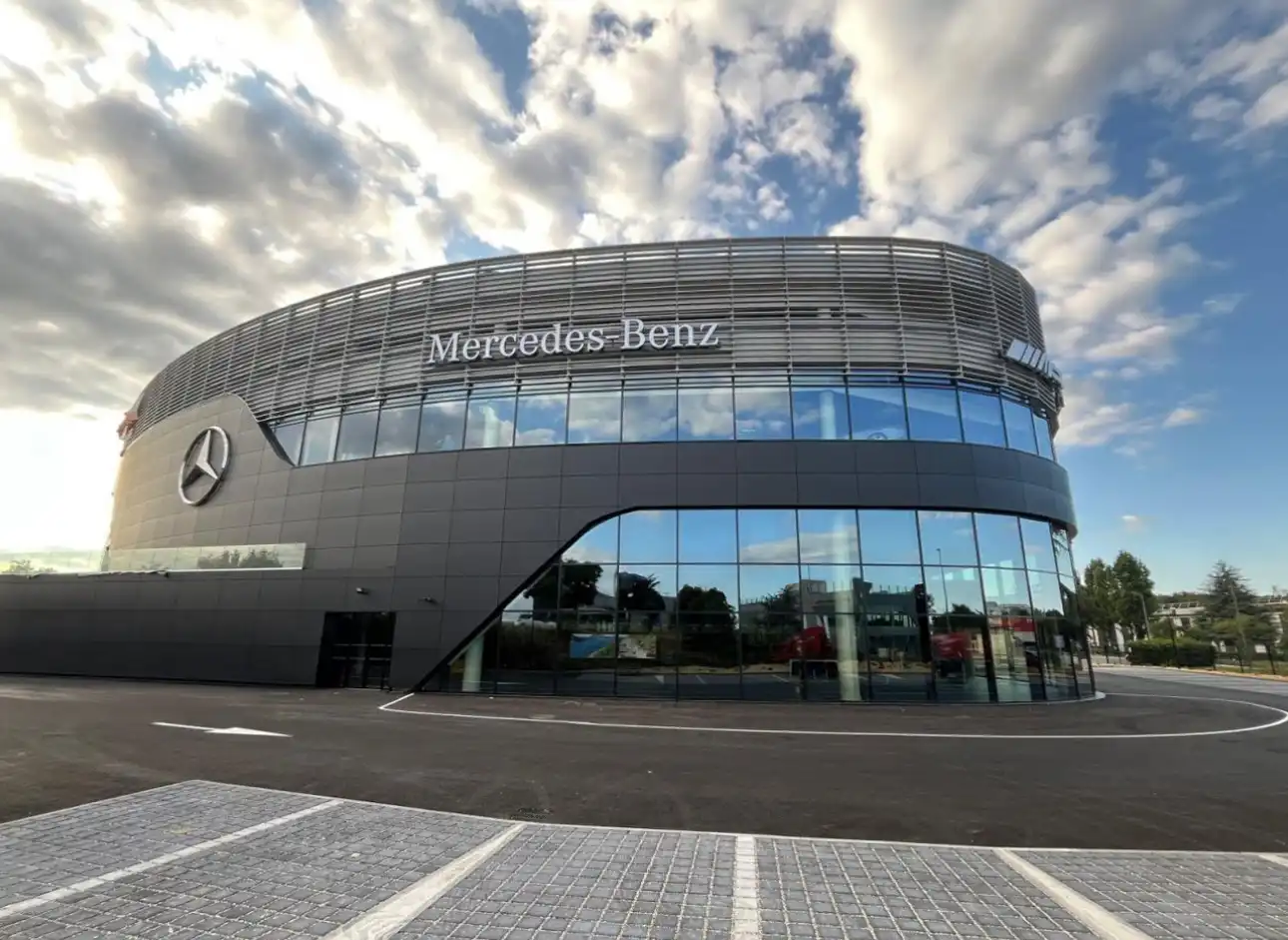
Three retail projects — a car showroom and two hypermarkets — where the light was designed to sell.
It must guarantee high colour rendering, uniform light, dedicated optics and visual comfort. The goal is to enhance products and guide the customer to the purchase naturally: uniform, glare-free general light on the routes, accents at least three times brighter on the products to be noticed, CRI ≥ 90 where colour is the sales argument, colour temperatures consistent with the merchandise and identical between adjacent luminaires (SDCM 3).
EN 12464-1 requires at least 300 lx in the sales area and 500 lx at the checkouts, but in a shop ratios matter more than minimums. As a starting point: 300–500 lx of general light, uniform and glare-free; 500–750 lx on the vertical plane of shelves and display walls, where customers actually look; accents 3 to 5 times the ambient light on islands, mannequins and displays; 500–750 lx on the face in fitting rooms. A shop lit evenly at a single level, even a high one, looks flat: contrast is what draws the eye to the merchandise.
Far less than traditional sources. The fading of fabrics, leather, paper and packaging is caused mainly by ultraviolet radiation and heat, and to a lesser extent by the blue part of visible light. White LEDs emit no significant UV and do not heat the goods in the beam, because the heat is dissipated at the back of the luminaire; halogen and metal halide lamps emit both UV and heat. The risk is not zero, since visible light also acts over time: for delicate goods, especially in shop windows, it pays to lower the levels outside opening hours with automatic dimming, rotate the items on display and prefer 3000 K, which has a lower blue component.
It depends on the merchandise and the positioning. 3000 K (warm white) for clothing, leather goods, furniture, gold jewellery and spaces meant to feel welcoming; 3500–4000 K (neutral white) for electronics, cosmetics, pharmacies, opticians, silver and diamond jewellery, and for the sales floor of supermarkets; dedicated light for fresh food. In shops with several departments the colour temperature can change by zone, as long as each zone is consistent: Tunable White versions allow it to be adapted over time with the same luminaire.
Track is better where the display changes often — clothing, showrooms, promotional areas — because spotlights are moved and aimed without touching the installation; Binario 3F also carries the DALI signal, so every spotlight stays dimmable. Fixed luminaires (linear, recessed, panels) are better for general light, for aisles with fixed shelving and for formats with a stable layout, such as supermarkets and pharmacies. Most projects combine the two: fixed for ambient, track for accents.
By day the window competes with outdoor light, which on the glass can exceed 10,000 lx: to avoid looking dark it needs 1,500–3,000 lx on the products, with narrow-beam spotlights and CRI ≥ 90, and light-coloured internal surfaces that bounce the light back. In the evening 500–1,000 lx are enough, and automatic switching in two or three levels avoids leaving the window at full power all night. Reflections from the glass towards the viewer must be avoided: spotlights are placed high and tilted inwards, never frontal.
Floor plan, format and merchandise: with these three elements our technical department prepares the lighting design with levels, contrasts, colour temperatures and the luminaire schedule. No obligation.