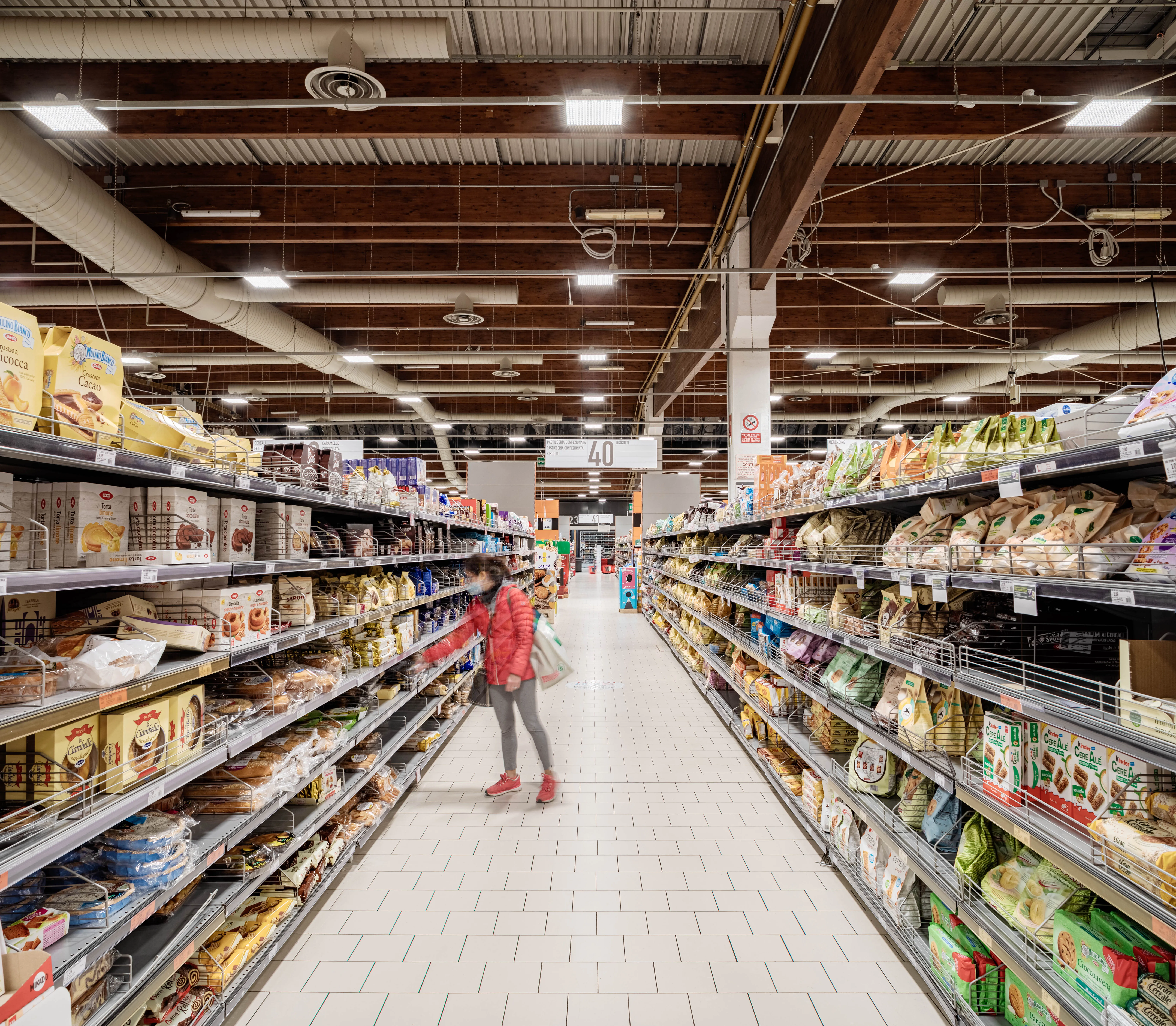
Supermarket relamping is the replacement of obsolete fixtures — T8 and T5 fluorescent luminaires, metal halide spotlights on fresh food, compact fluorescent downlights, first-generation LED — with high-efficiency LED solutions, keeping lighting points, wiring and tracks. In a food store it does two things at once: it cuts the largest item on the bill after refrigeration, and improves product enhancement with high colour rendering LEDs and dedicated spectra the old installation never had.
Three facts make it worthwhile today. T8 and T5 fluorescent lamps and many discharge lamps are phased out in Europe under RoHS and ecodesign: stocks run out and spares cost more. A supermarket lit 14 hours a day, 7 days a week pays back a 60–65% saving faster than any office: typical payback is two to three years, less with incentives. And relamping is the chance to bring CRISP, MEAT and BREAD LEDs to fresh food and batwing optics that light the shelves to the aisles: interventions that on their own move sales.
This page explains how a store relamping is designed: the equivalence table between existing fixtures and LED replacements, what to check before intervening, how to work during opening hours, and the questions retail chains' technical managers ask us most often. The design criteria department by department are on the lighting for supermarkets page; to bring controls in together with LED, see smart lighting for supermarkets.
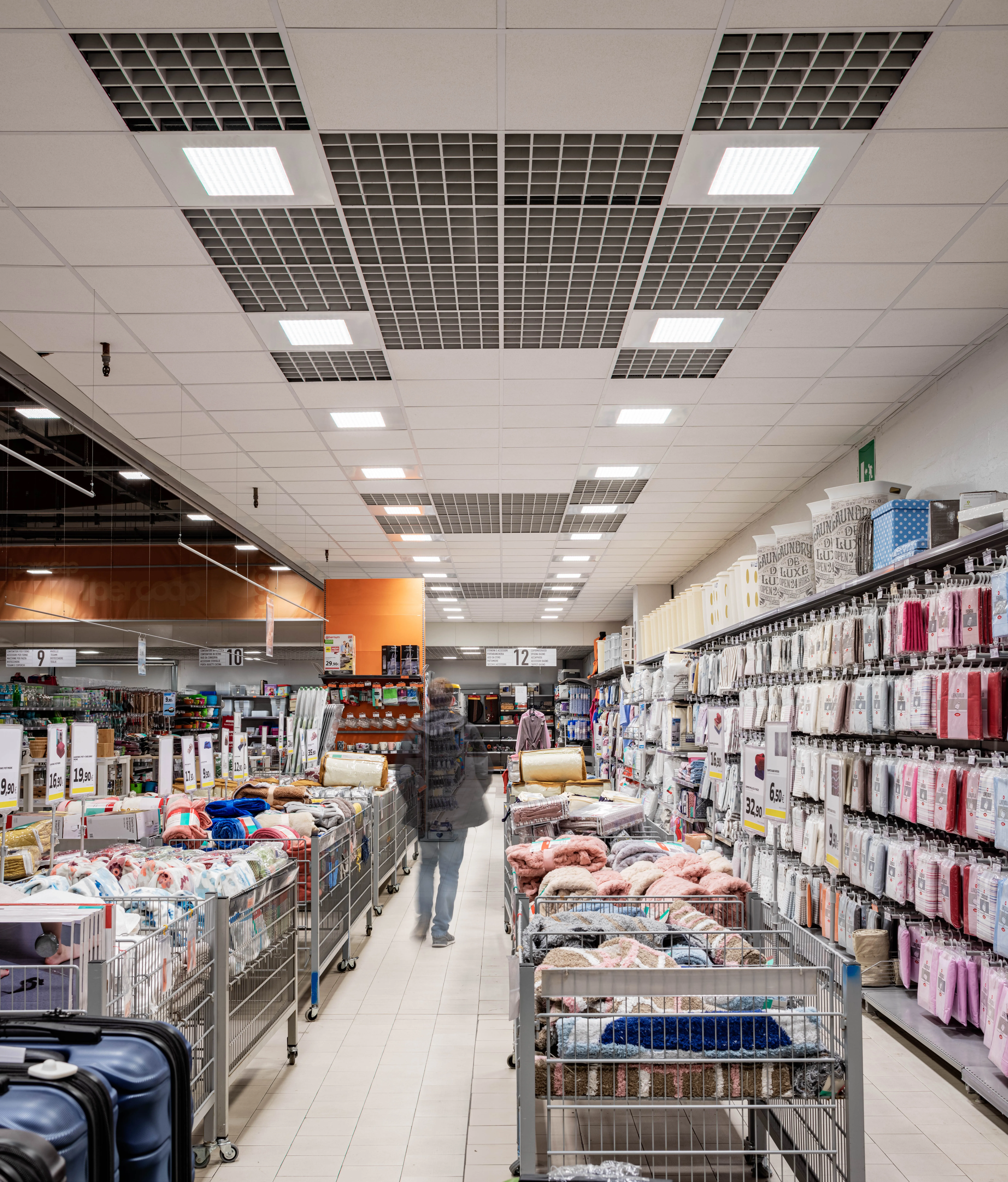
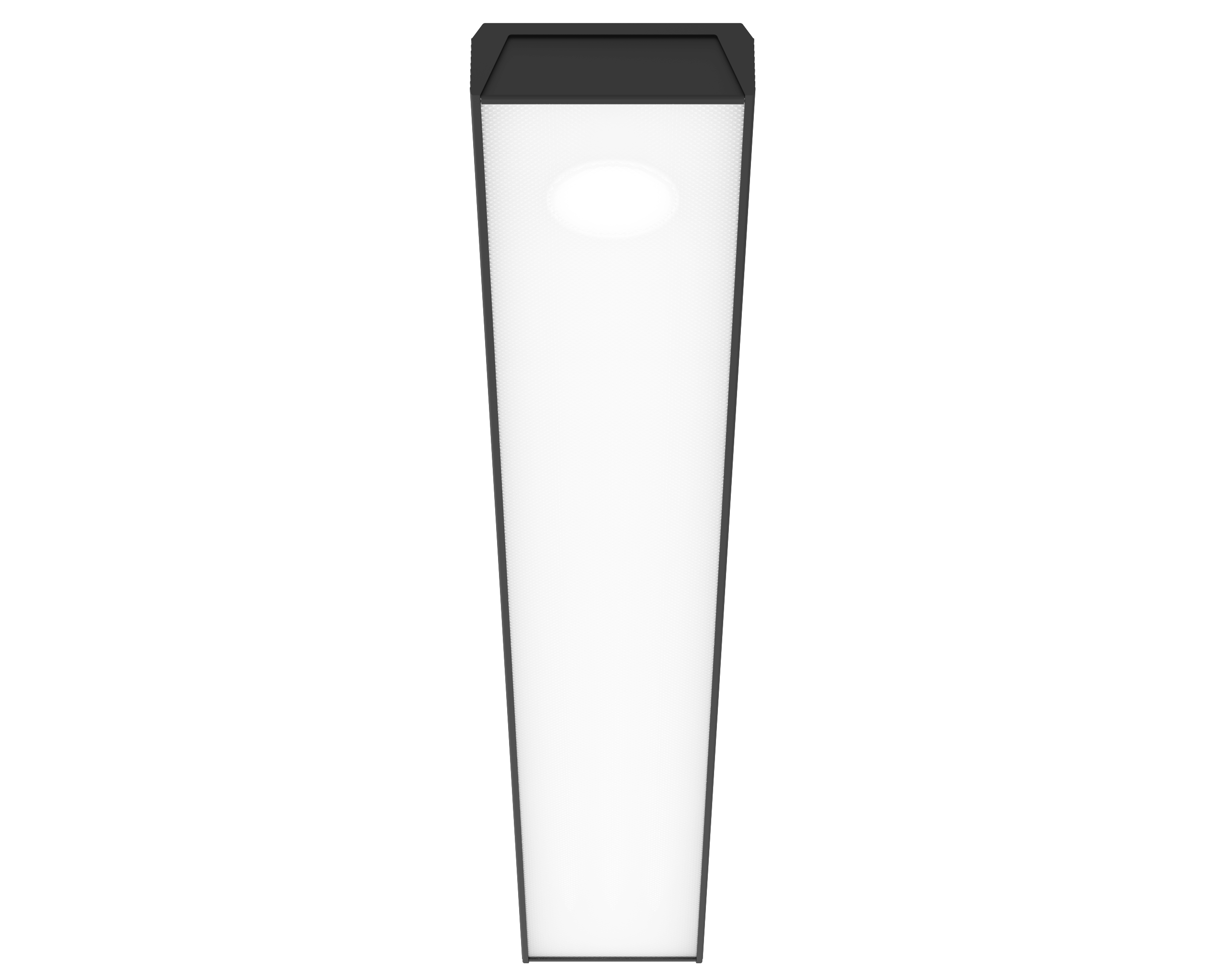
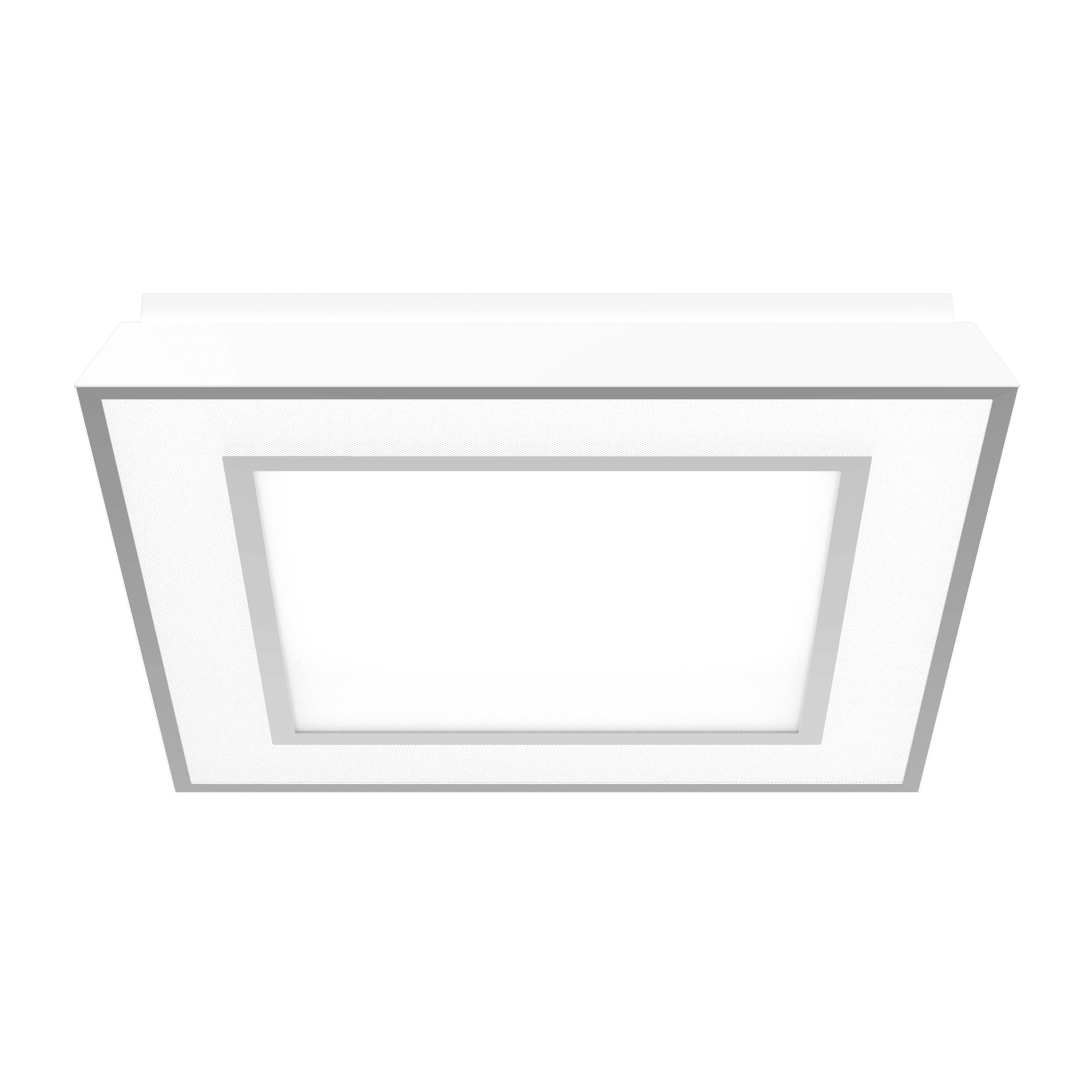
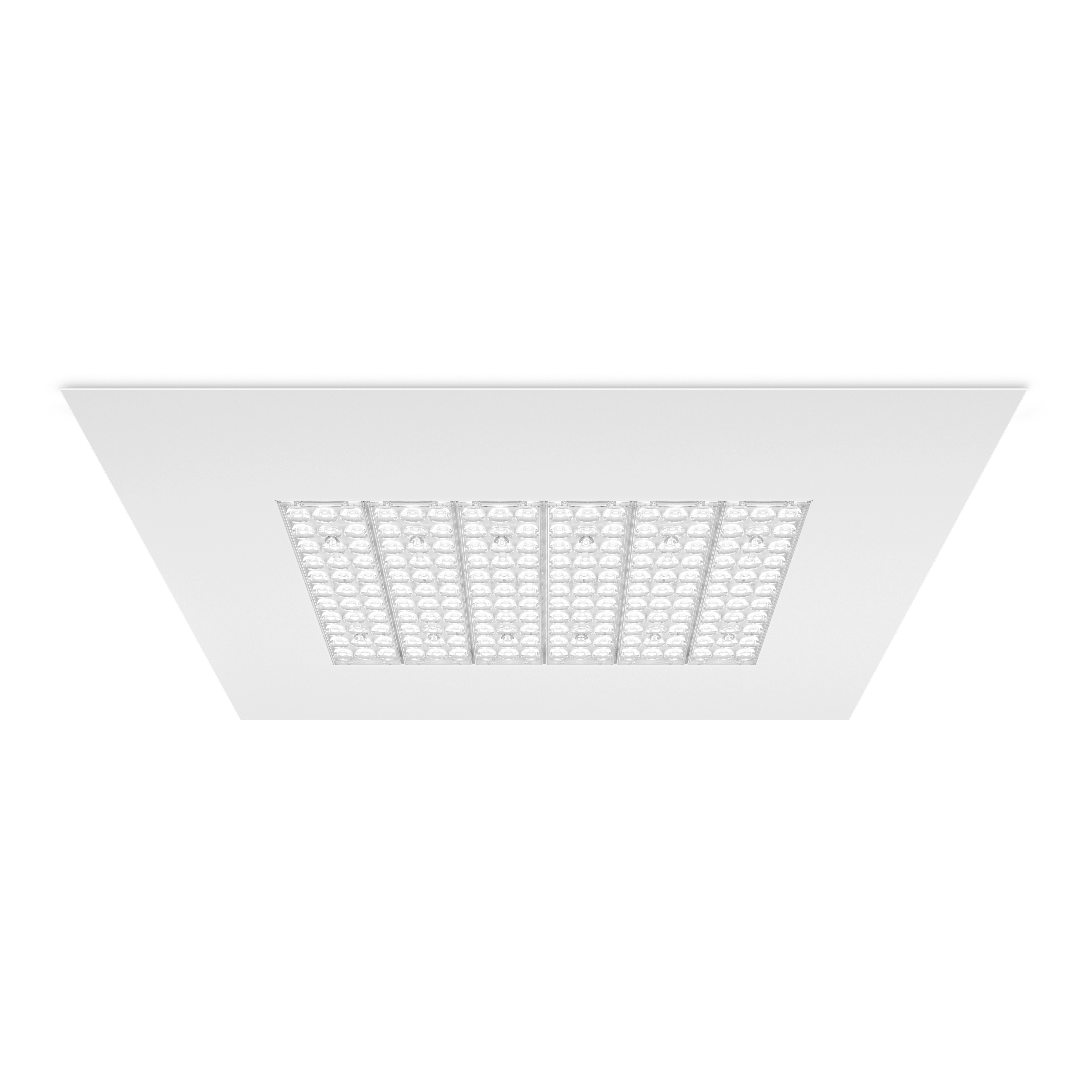
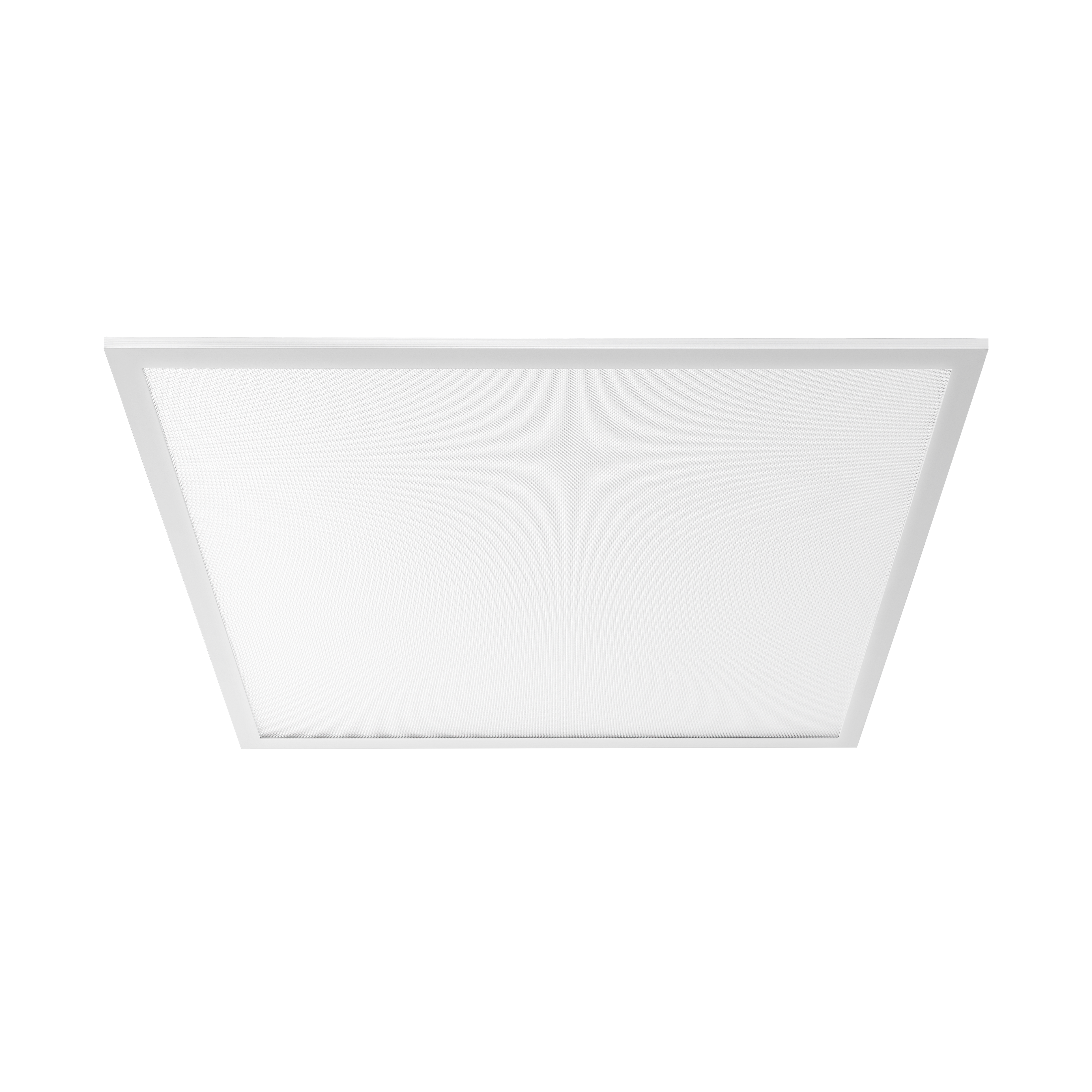
The question before every quotation is "what do I replace what I have with". The table gives typical equivalences between the fixtures we find in supermarkets and the 3F Filippi LED ranges that replace them on the same lighting point. LED wattages are indicative: the right one depends on height, on the illuminance required for the department and on the condition of the current installation, which often delivers less than its nameplate says.
| Existing fixture | Power drawn | 3F Filippi LED replacement | Indicative LED wattage | Saving |
|---|---|---|---|---|
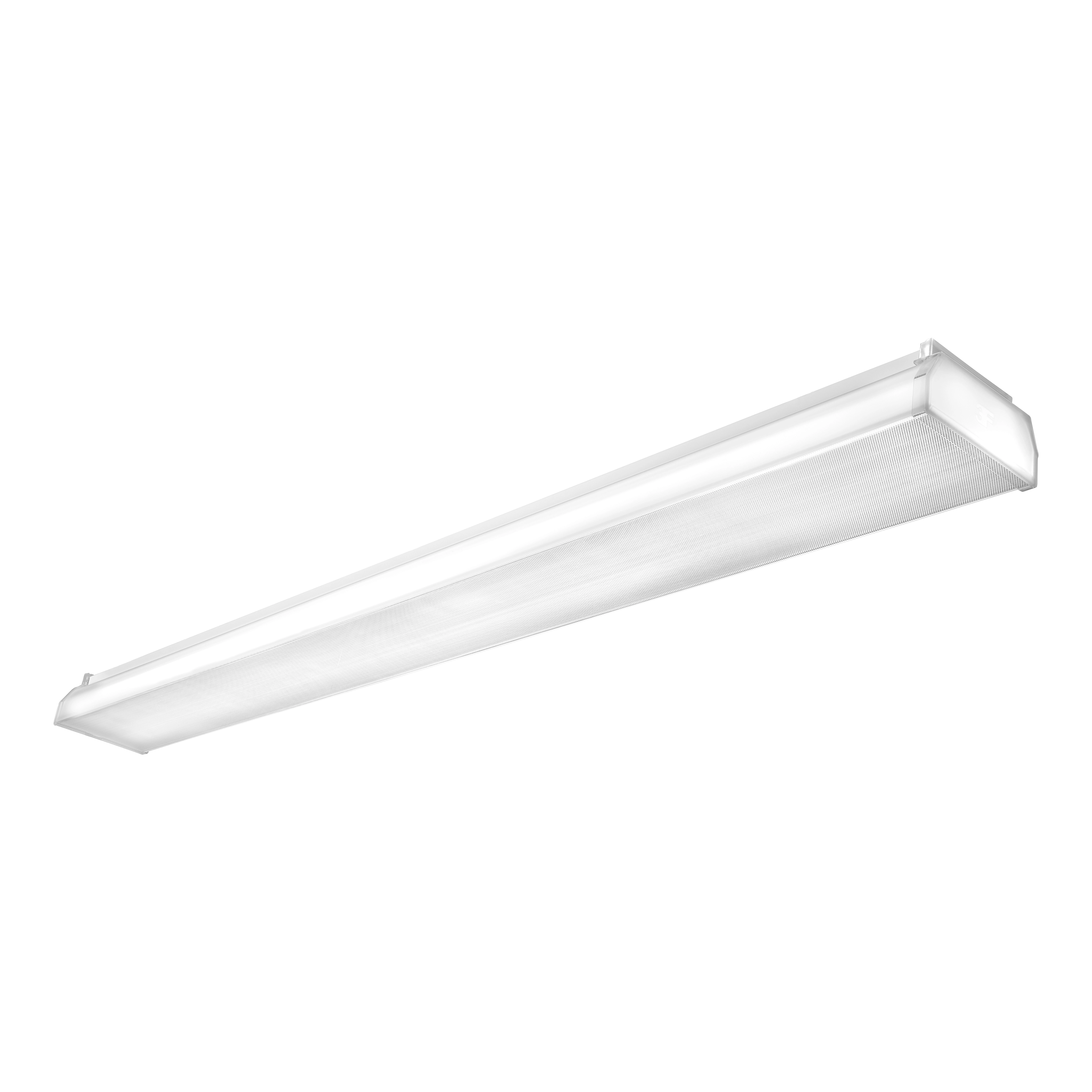
| 2×58 W T8 fluorescent fixture on the aisles, magnetic ballast | ≈ 135 W | Zero 3F, 3F Travetta, 3F Zeta with BAT optic | 40–55 W | −60/−70% |
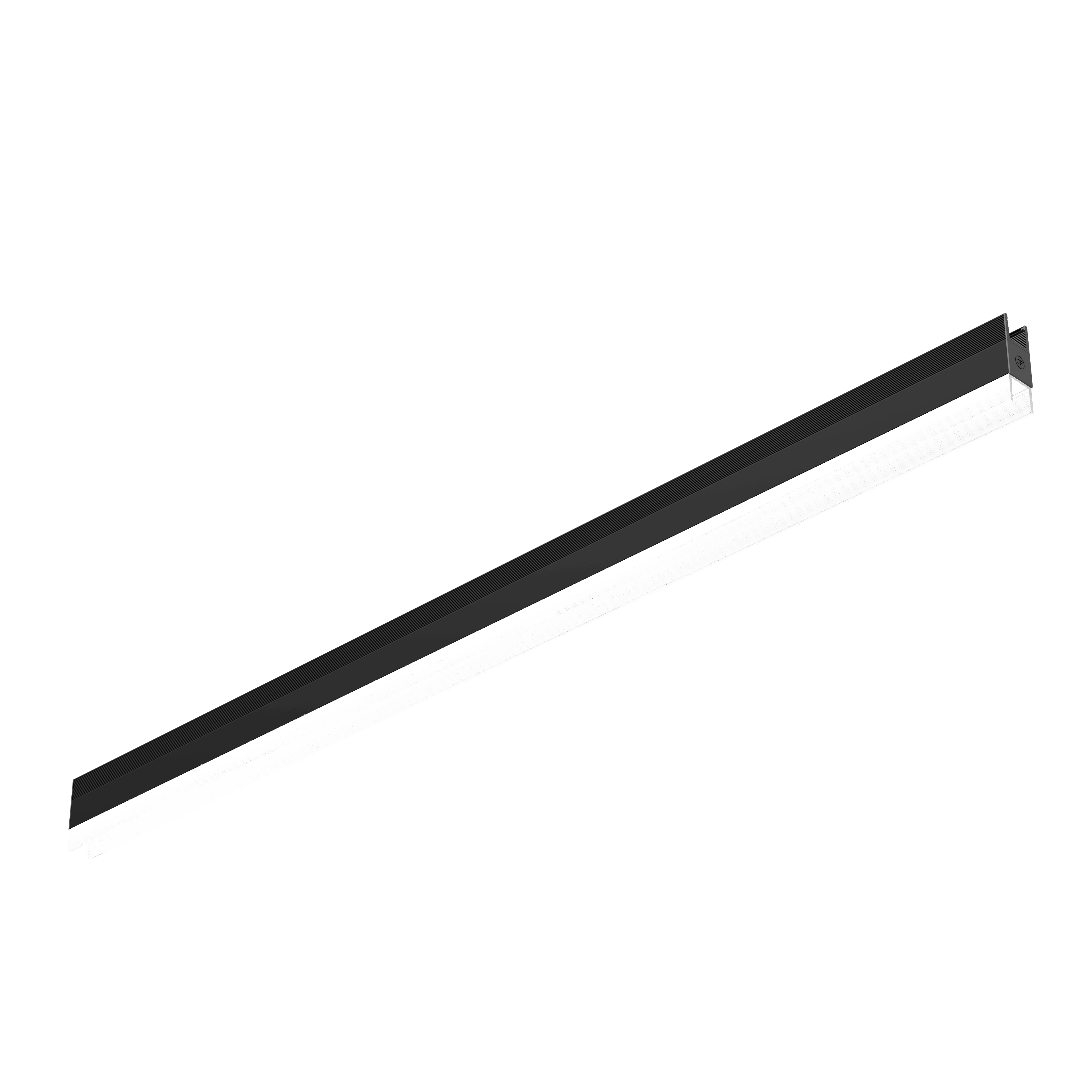
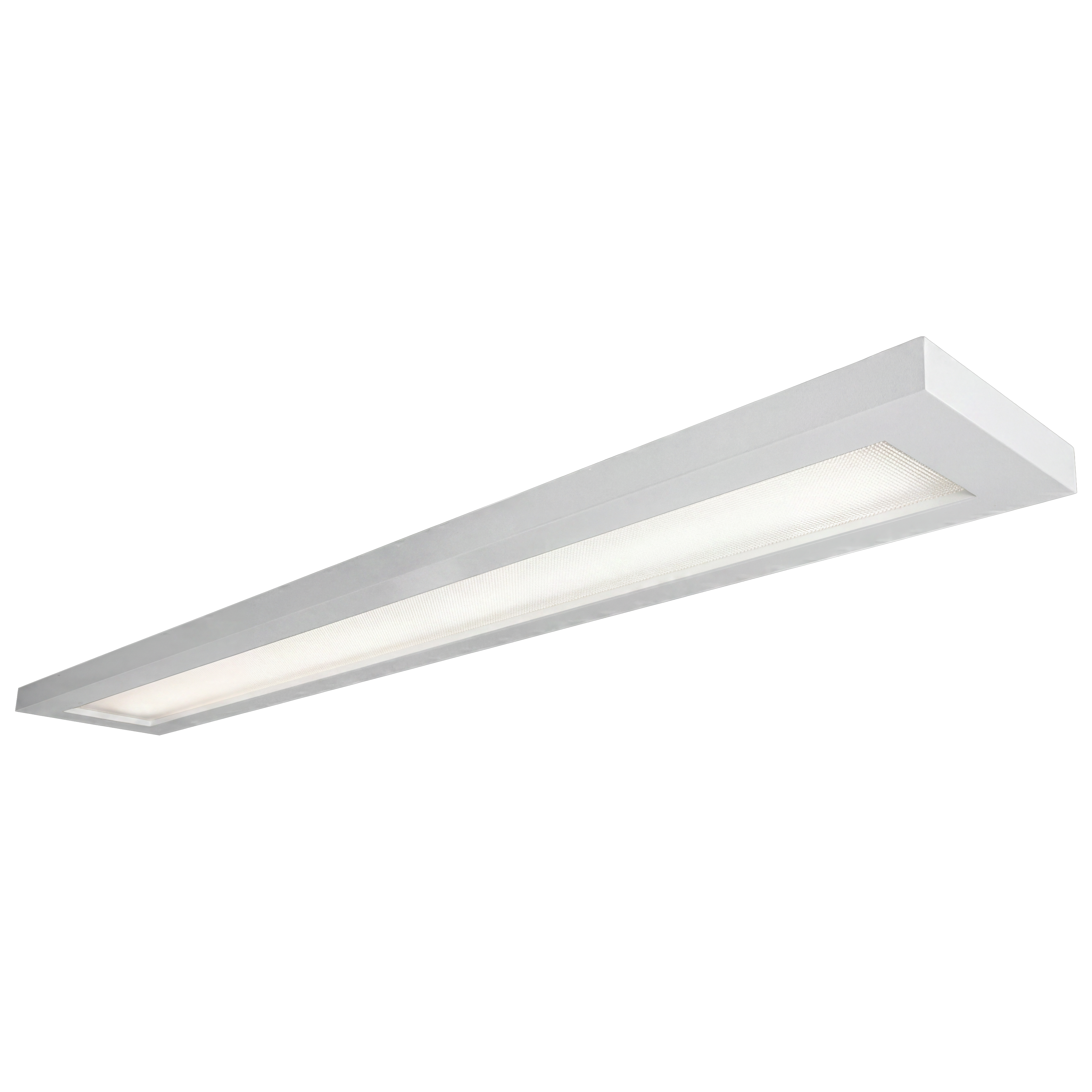
| 2×80 W T5 fluorescent light line | ≈ 175 W | 3F Linux, Zero 3F Canale | 60–80 W | −55/−65% |
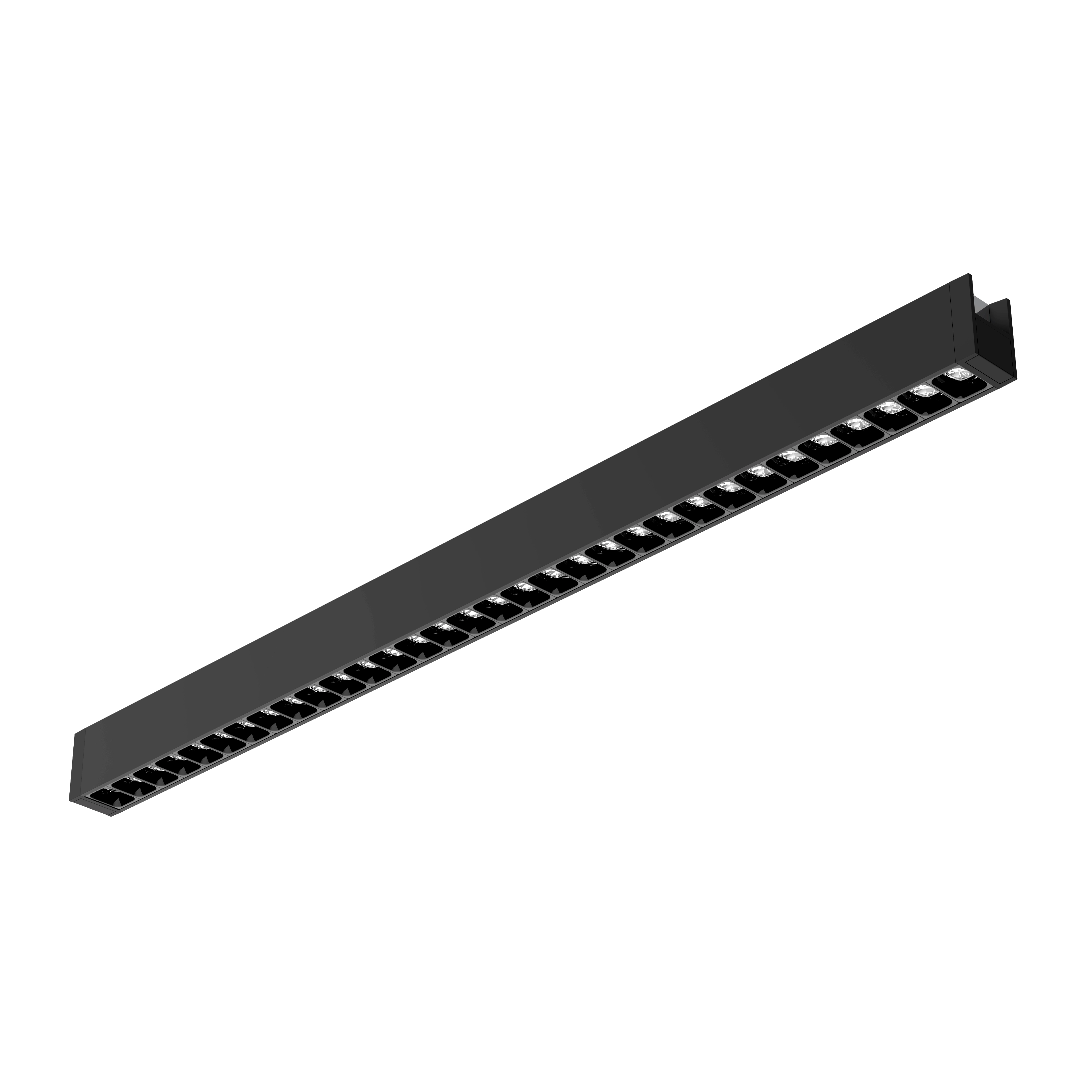
| 70–150 W metal halide track spotlight, fresh food departments | ≈ 85–170 W | Spotlights on Binario 3F with CRISP, MEAT or BREAD LEDs | 25–50 W | −65/−70% |
| 2×26 W compact fluorescent downlight, tills and services | ≈ 60 W | 3F Reno recessed | 15–20 W | −65/−75% |
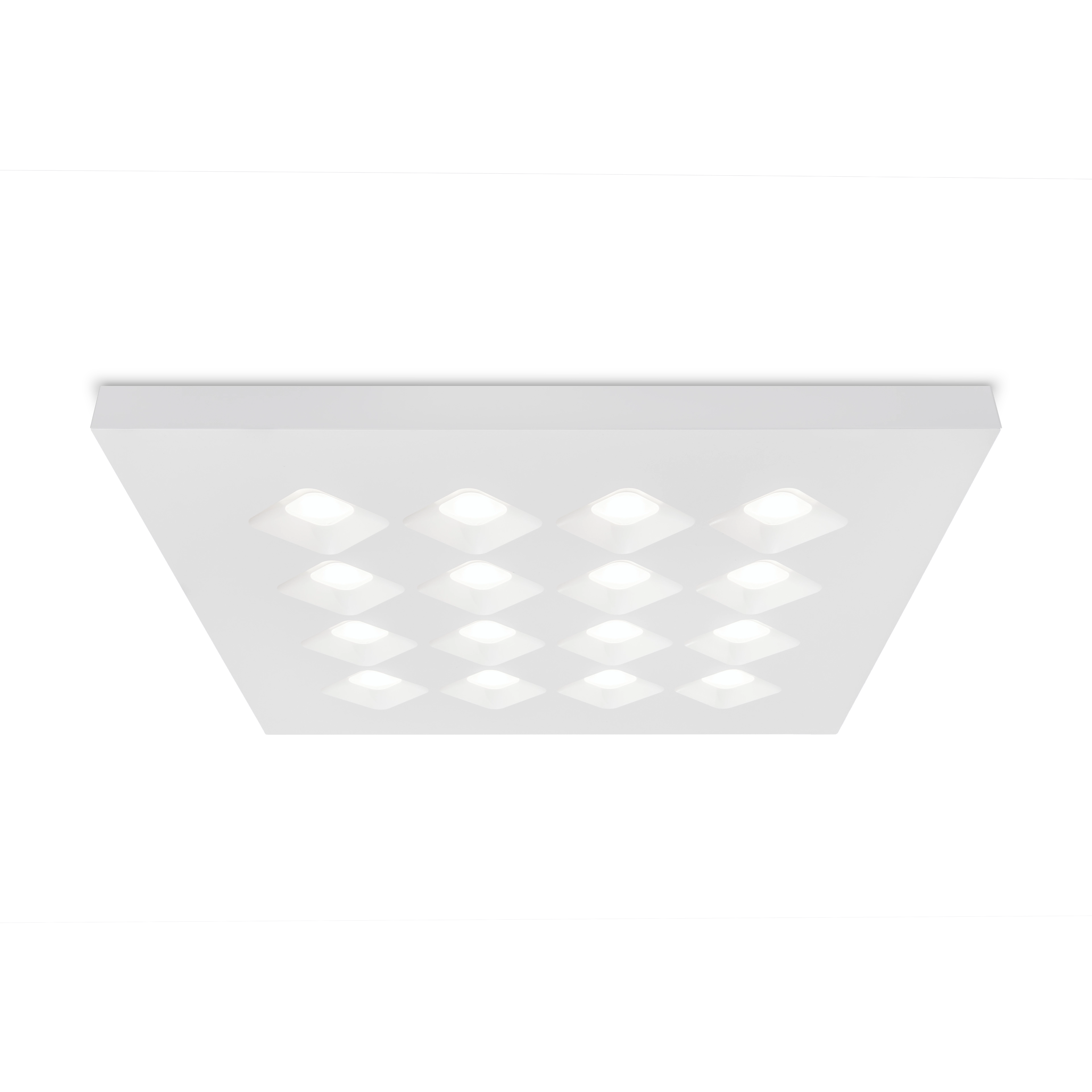
| 600×600 4×18 W T8 panel, offices and tills | ≈ 85 W | 3F LED Panel, L 340, 3F Dìagon P | 25–35 W | −60/−70% |
| 250 W metal halide high bay, hypermarkets with high ceilings | ≈ 280 W | 3F Six R, 3F Linux L | 90–130 W | −55/−65% |
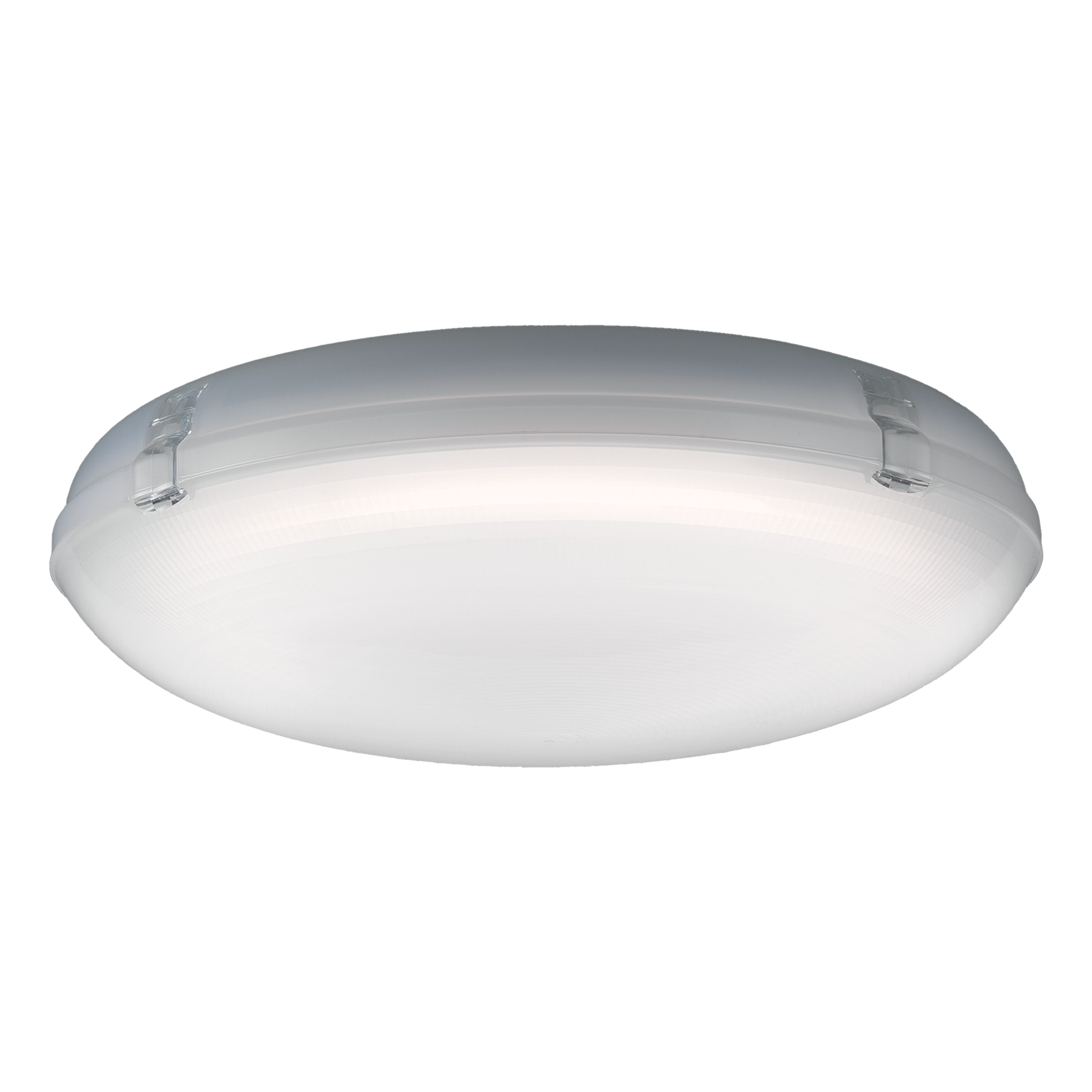
| 2×58 W T8 waterproof fixture in stockroom, preparation rooms and cold rooms | ≈ 135 W | 3F Linda, 3F Petra; 3F Tank ICE in cold rooms | 40–60 W | −55/−65% |
Power drawn includes ballast losses, which reach 15–20% with magnetic ballasts: this is why the real saving is often higher than the one calculated on nominal wattages. The second reason is depreciation: a metal halide spotlight on fresh food at end of life gives 60% of its initial light and shifts in colour, and the LED is sized on the design illuminance, not on what the old installation had been delivering for years. And in refrigerated counters every watt of light saved is also less heat for the compressors to remove.
A successful relamping is decided on the site survey, not in the catalogue. Three groups of parameters our technical department checks before proposing a range.
High colour rendering LEDs (CRI > 90 for display areas and windows) with colour temperatures calibrated for food, fresh produce and non-food: CRISP, MEAT and BREAD LEDs in place of metal halide spotlights on the counters; versions with adjustable lenses and beams dedicated to aisles, shelves and refrigerated counters; ICE versions for cold rooms and refrigerated display cases down to −40 °C; initial colour tolerance SDCM 3, because in a phased relamping the new luminaires and those installed a month later must have the same tint.
Housings in extruded aluminium or painted sheet steel, diffusers in high-transparency polycarbonate or methacrylate, optics and lenses for every required distribution: BAT and BAT WD for shelved aisles, WIDE for open areas, MEDIUM and NARROW for accent on fresh food and promotions. Suspension, ceiling, recessed and track fixings with spacings compatible with the fixtures removed; LED spotlights mount on the existing three-phase tracks, and Binario 3F adds the DALI signal where control is wanted.
Luminaires compliant with EN 60598-1 and the requirements for premises open to the public, CE, ENEC certifications and HACCP suitability for food environments; IP40 protection for the sales floor and IP65 for preparation rooms, fish counters, cold rooms and wash-down areas; versions with integrated emergency to EN 60598-2-22 for escape routes. The relamping is planned by department and by time slot, so that the sales floor never falls below the standard levels during or after the work.
Four measurable effects in the twelve months after the intervention, for whoever runs the store and whoever pays its bills.
High colour rendering LEDs and optics dedicated to the different product categories: it is the difference between a meat counter under an old metal halide spotlight that has shifted to pink and the same counter under a MEAT LED. Relamping is the only efficiency measure that shows up in the receipts too.
Replacing traditional technologies with latest-generation LED luminaires cuts lighting consumption by 60–65%, on an installation lit 14 hours a day all year round. With the controls described on the smart lighting page, savings exceed 80% compared with the starting point.
Track systems and adjustable spotlights allow the light to be adapted to changing layouts and promotions: after the relamping, moving the accent from the gondola end to the fresh food island is a job for the visual merchandiser, not the electrician.
The long life of LEDs and the reliability of 3F Filippi products do away with the lamp replacement cycle: no ladders in the aisles during opening hours, no stocks of discontinued tubes, no dead spotlights over the counters on a Saturday afternoon. Ideal for sales floors in continuous use.
Linear luminaires with BAT optics for the aisles, spotlights and track systems for fresh food, downlights and panels for tills and services, waterproof and ICE luminaires for stockrooms and cold rooms, high bays for hypermarkets with high ceilings: the range pages give spectra, optics, lumen packages, fixing spacings and calculation files.
Other ranges used in retail relamping: L 340, 3F Reno, Zero 3F Track, 3F Zeta Track, 3F Linux, Binario 3F, 3F Linda, 3F Tank, 3F Mirella, 3F C8.
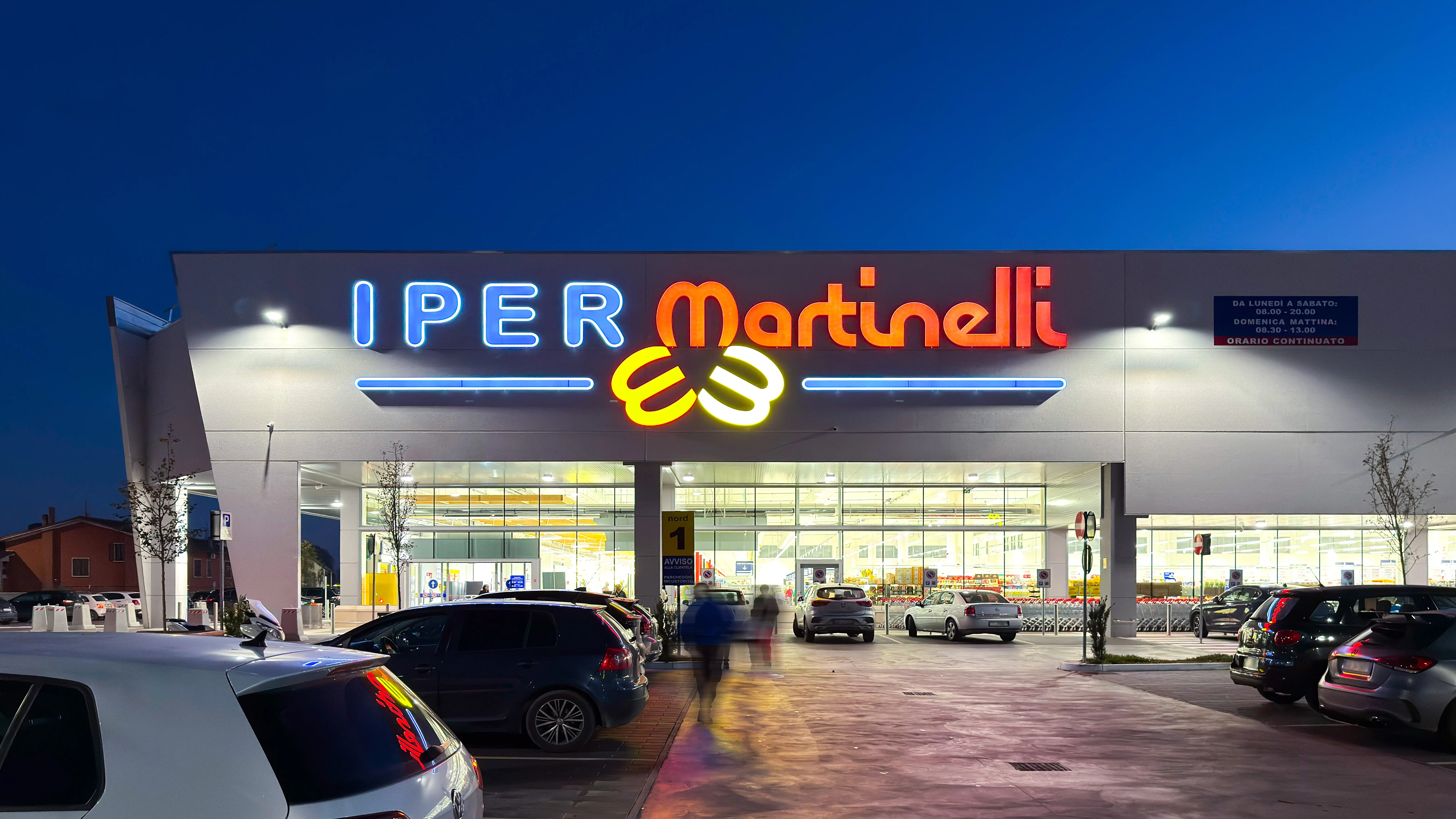
Two hypermarkets where the installation was renewed department by department, without closing to the public.
Yes. The high colour rendering and performance of the new LEDs enhance colours and details, making the display more attractive and supporting the perception of freshness, especially in food departments. A metal halide spotlight at end of life has declining colour rendering and a shifting tint; a MEAT LED on the meat counter, CRISP on fruit and vegetables or BREAD on the bakery returns natural colours with CRI > 90 and SDCM 3 tolerance. It is the relamping benefit you see before the bill.
Yes. Many 3F Filippi luminaires are designed for quick installation and simple, direct retrofit, and allow work even during opening hours without major inconvenience for customers and staff: the work proceeds by aisle or by department, with the area concerned cordoned off for the replacement time, or at night for fresh food and tills. LED spotlights clip onto the existing tracks in seconds; linear luminaires mount on the same suspension points. The work plan we prepare sets out sequence, times and illuminance levels guaranteed at every stage.
Yes. 3F Filippi products include luminaires designed to operate in extreme thermal conditions — ICE versions down to −40 °C, with drivers and components qualified for cold and condensation — and with specific optics to light refrigerated counters, refrigerated displays and vertical shelving effectively. When relamping counters, the light must be coordinated with the refrigeration engineer: efficient luminaires with high output at low wattages also reduce the heat to remove.
The existing installation (fixtures, wattages, tracks, wiring, panels), heights and spacings, the illuminance required for each department — EN 12464-1 for the sales floor and tills, the higher values the chain wants on fresh food — and the environmental conditions: cold in cold rooms, humidity and wash-downs in preparation rooms, dust in stockrooms. During the survey we measure current illuminance, check tracks and fixings and produce the lighting calculation with consumption comparison and payback time, department by department.
Yes, and for a supermarket chain the most common lever is ESCo financing. Under an energy performance contract the ESCo buys and installs the LED luminaires and is repaid with a share of the savings on the energy bill, while the store pays nothing upfront: with 14–16 hours of operation a day the savings are high and steady, which is what makes the model sustainable. Public schemes come on top, and they vary over the years and between countries: in Italy, white certificates on measured savings and regional energy-efficiency calls for businesses. For each store our technical department prepares the before/after calculation and the data sheets; eligibility is checked with your own adviser.
It depends on budget and on the store's organisation, but the rule is one department at a time, the whole department: mixing old and new fixtures in the same aisle shows immediately — different tints, different levels — and cancels the display benefit. The sensible order starts where savings and the effect on sales are greatest: fresh food (track metal halide, lit 14 hours) and aisles (fluorescent fixtures), then tills, services, stockroom and cold rooms. With SDCM 3 tolerance luminaires, phases installed months apart have the same tint.
Send us the floor plan with the departments, the list of installed fixtures with wattages and the opening hours: our technical department prepares the lighting calculation, the equivalence table, the work plan during opening hours and the consumption comparison with payback time. No obligation.