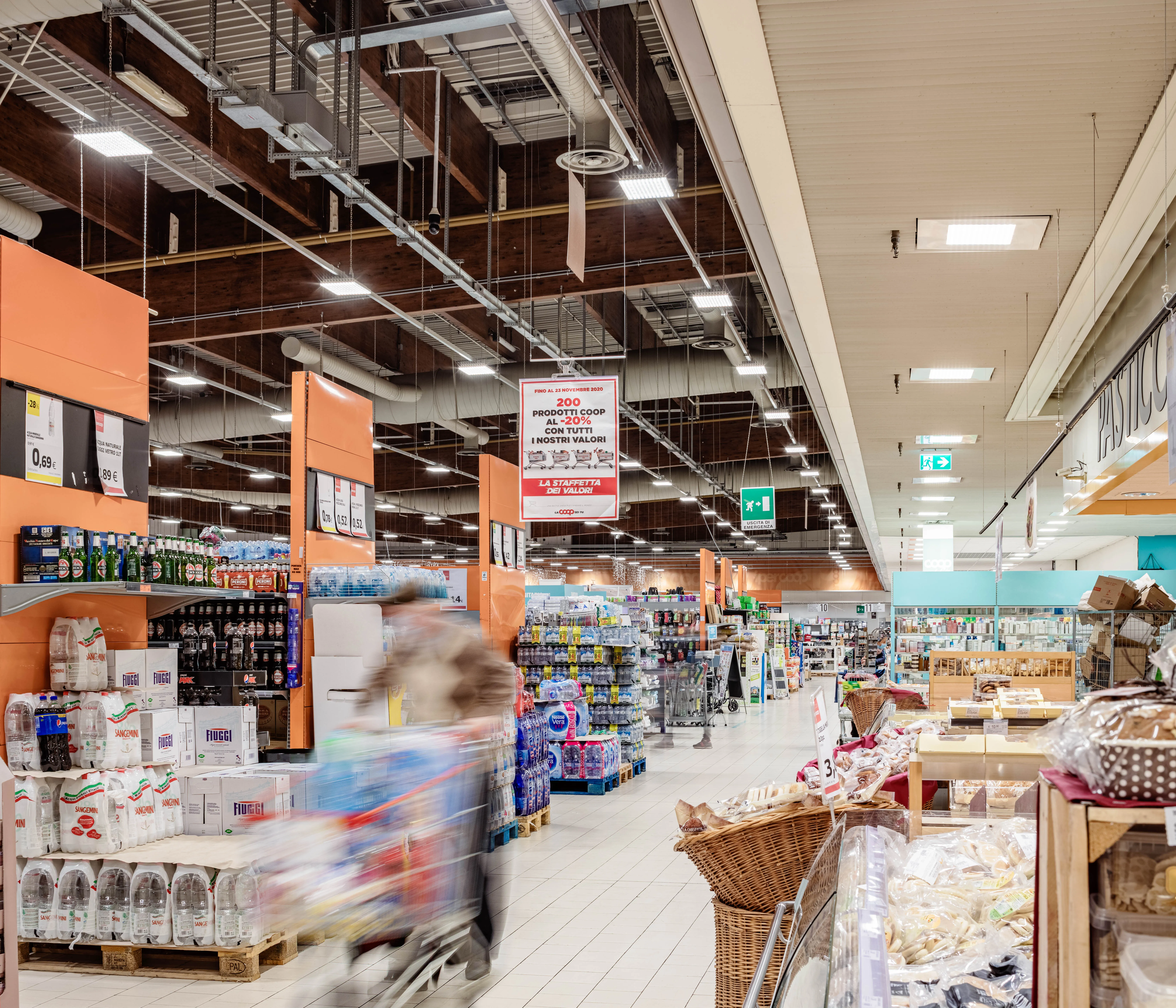
In large-scale food retail, light does a job no other retail format asks of it: it has to make fresh food look fresh. A meat counter under the wrong light turns grey, lettuce loses its green, bread looks pale — and the customer, without knowing why, buys less. That is why supermarket lighting is designed department by department: LED spectra calibrated for each category of fresh produce, luminaires that withstand the cold of cold rooms and counters, optics that bring light onto the aisle shelves rather than the floor, and everything certified for food environments.
3F Filippi solutions for supermarkets are designed to enhance products, optimise their visibility and improve the shopping experience, in stores lit 14 hours a day where every watt counts. High colour rendering LED luminaires, with CRISP, MEAT and BREAD LEDs for fresh food, ICE versions down to −40 °C, BAT optics for shelving, track systems for promotional areas, IP65 protection and HACCP suitability for preparation rooms and back of house.
This page follows the customer's route department by department. The general retail criteria — the hierarchy of ambient, accent and window lighting — are on the retail lighting page; the smart lighting for supermarkets and supermarket relamping pages cover controls and the replacement of existing installations.
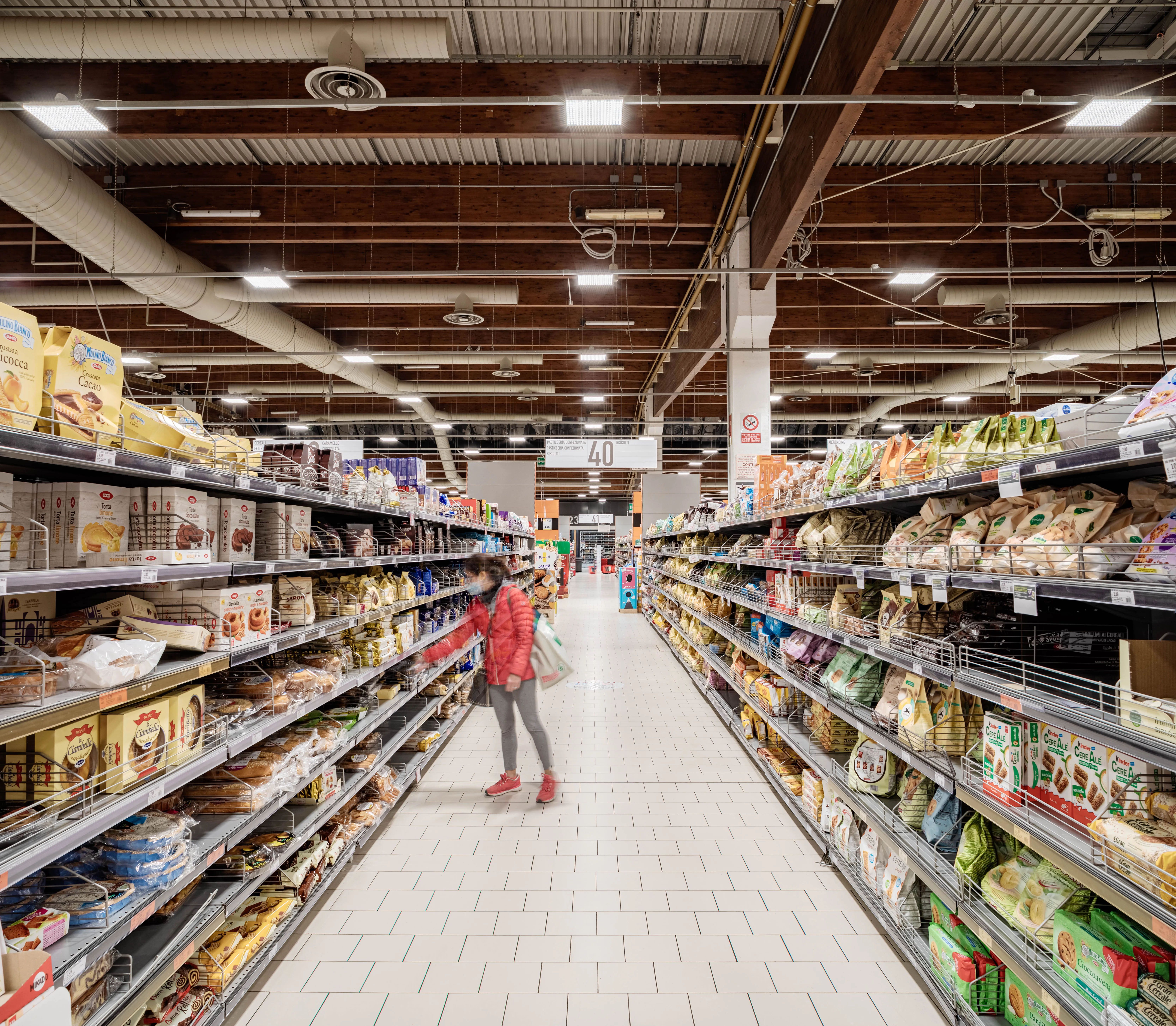
EN 12464-1 requires 300 lx on the sales floor and 500 lx at tills and counters; in food retail the design values are higher in the fresh departments, where light is part of the display, and lower on the routes. The table summarises the typical choices of a 3F Filippi design for supermarkets and hypermarkets.
| Department | Dedicated LED and colour temperature | Design illuminance | Typical optic and luminaire |
|---|---|---|---|
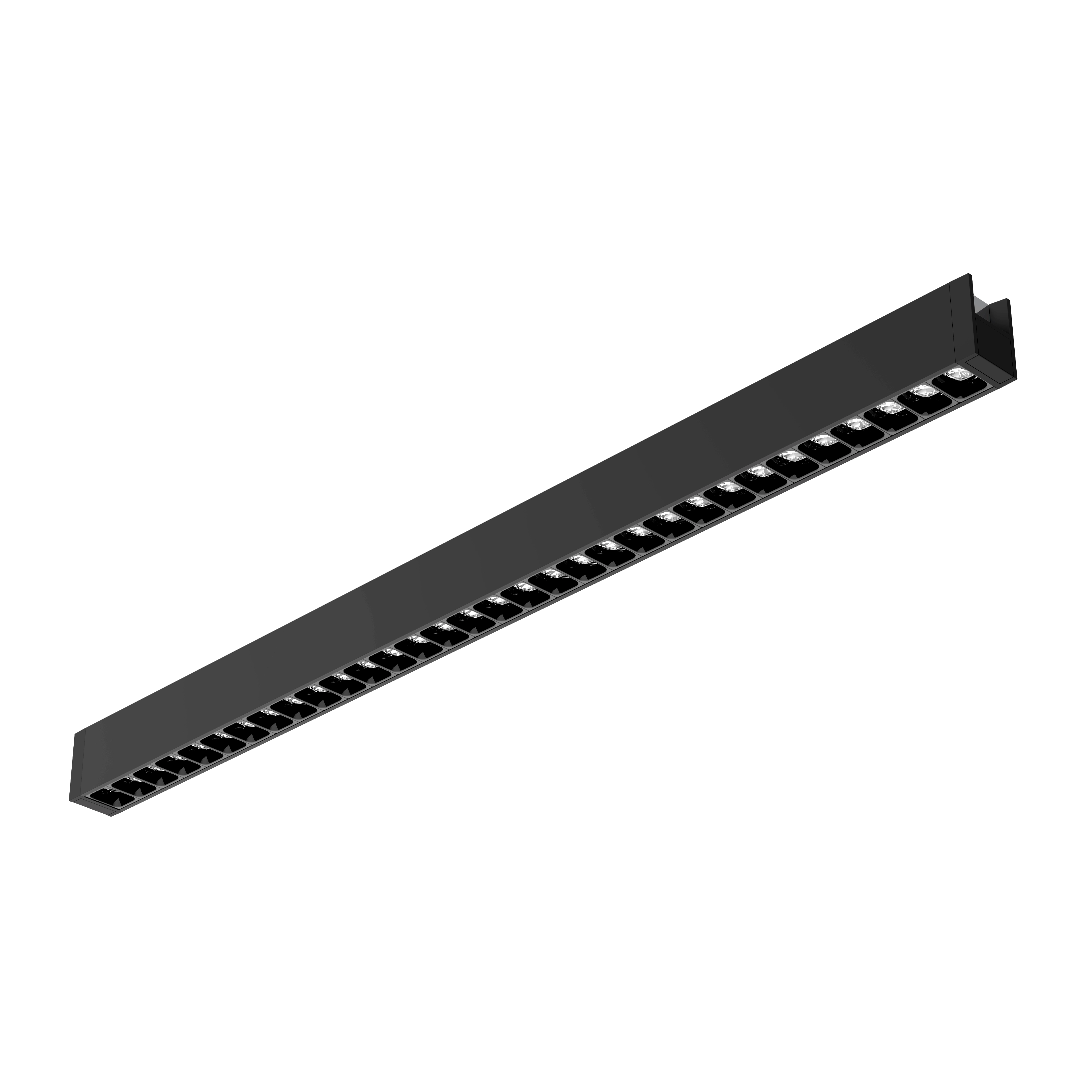
| Fruit and vegetables | CRISP LED, 3000–4000 K: enhances greens, reds and yellows without colour shift | 750–1,000 lx on the counter | Adjustable spotlights on Binario 3F, medium beam; 3F Reno above the islands |
| Meat and charcuterie | MEAT LED: spectrum that returns the red of meat and the pink of cured meats | 750–1,000 lx on the counter, vertical | Narrow-beam track spotlights; ICE versions above refrigerated counters |
| Bakery and pastry | BREAD LED, 2700–3000 K: warm white that gilds the crusts | 500–750 lx | Track spotlights and 3F Reno recessed, medium beam |
| Fish | CRI ≥ 90, 5000–6500 K: cool light that makes fish look glossy and freshly caught | 750–1,000 lx on the ice | Track spotlights, ICE versions, polycarbonate diffusers |
| Dairy, frozen food and refrigerated cabinets | CRI ≥ 90, 4000 K; ICE versions for refrigerated display cases | 500–750 lx on the shelves | 3F Zeta and Zero 3F with BAT optic above the multideck cabinets, ICE luminaires |
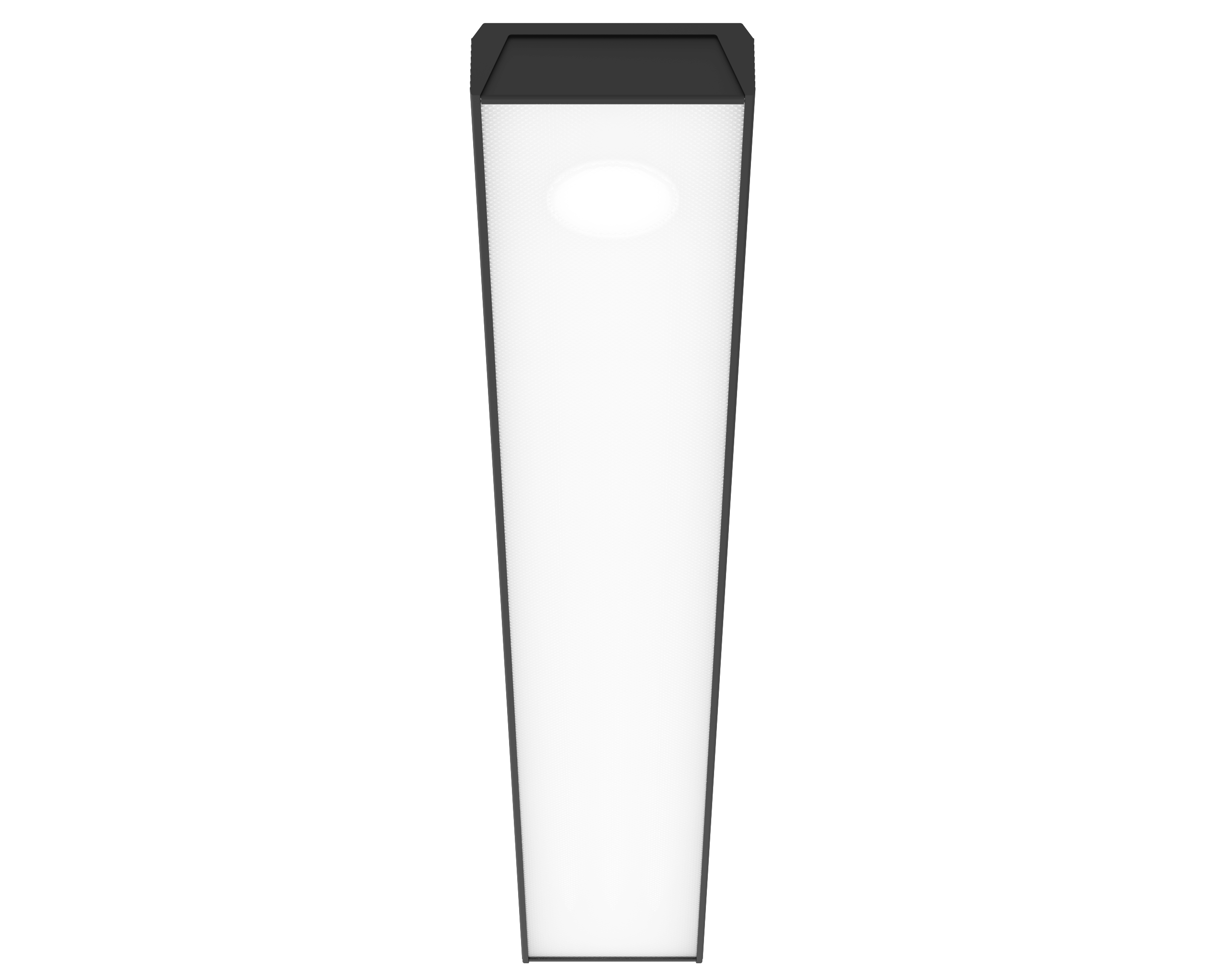
| Aisles and shelving (grocery, non-food) | CRI ≥ 80, 4000 K | 500–750 lx on the vertical plane, 300–500 lx on the floor | 3F Zeta, Zero 3F Canale and 3F Linux with BAT / BAT WD optic on the aisle axis |
| Promotional areas and gondola ends | CRI ≥ 90, accent 3:1 to ambient | 1,000–1,500 lx | Adjustable spotlights on Binario 3F, 3F Six R |
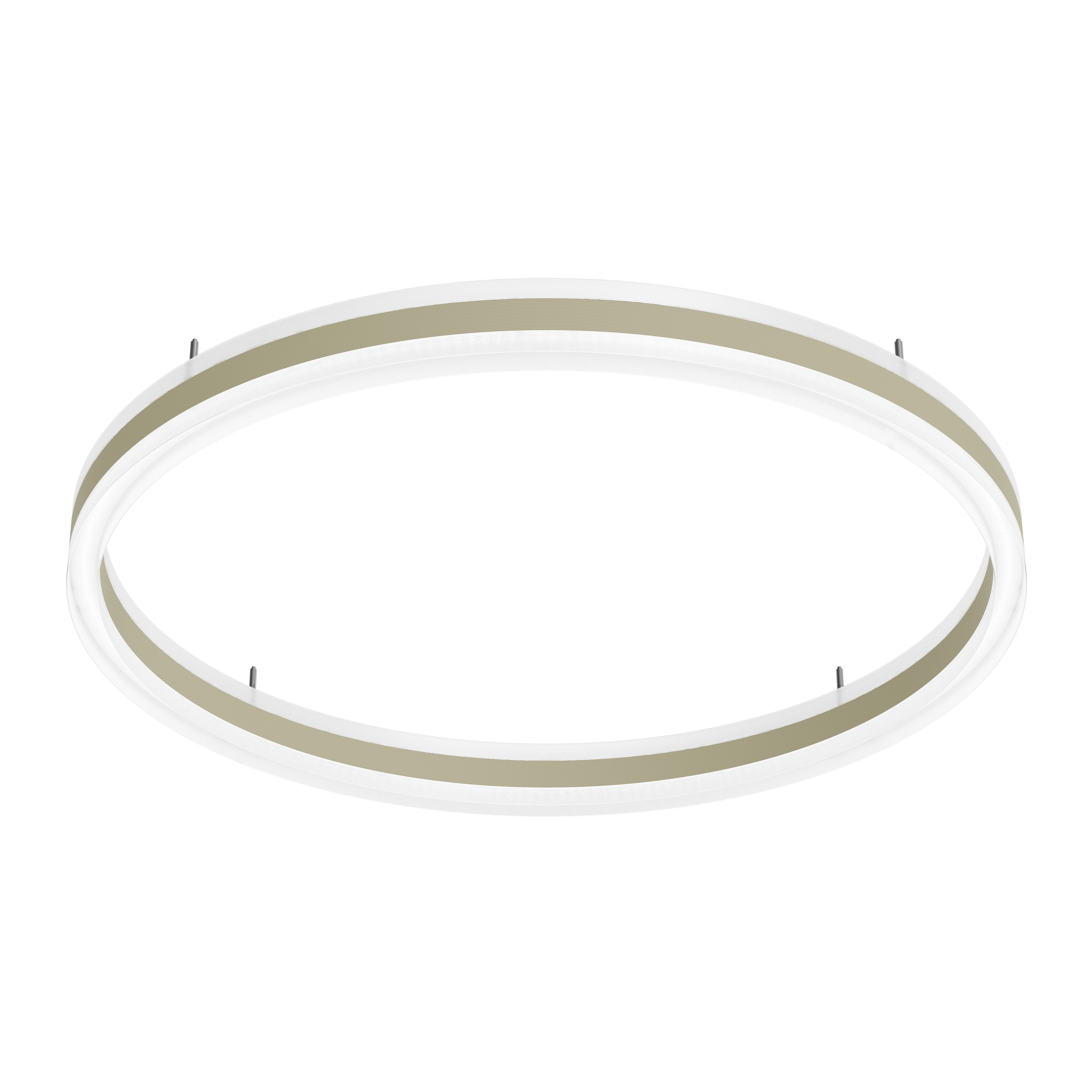
| Tills, entrance and services | CRI ≥ 80, 4000 K, no reflections on scanners and screens | 500 lx at the tills, 300 lx on the routes | 3F Dìagon P, 3F LED Panel, L 340, 3F Petra |
| Cold rooms, preparation rooms and back of house | CRI ≥ 80, 4000 K; IP65, HACCP; ICE down to −40 °C in cold rooms | 300–500 lx | 3F Linda, 3F Tank ICE, 3F Petra |
Colour tolerances matter as much as the spectrum: luminaires with SDCM 3 prevent two adjacent spotlights on the same counter from having different tints. And light on fresh food must be designed together with the refrigeration system: every watt of light inside a refrigerated counter is heat to remove, which is why ICE versions have high output at low wattages and components qualified for the cold.
Three technical requirements a specification for food retail must contain, and how 3F Filippi luminaires meet them.
High colour rendering LEDs (CRI > 90 for display areas and windows) with colour temperatures calibrated for food, fresh produce and non-food: CRISP LEDs for fruit, vegetables and packaged goods, MEAT for meat and charcuterie, BREAD for bakery and pastry. Versions with adjustable lenses and beams dedicated to lighting aisles, shelves and refrigerated counters. ICE versions suitable for cold rooms, with operating temperatures down to −40 °C. Initial colour tolerance SDCM 3.
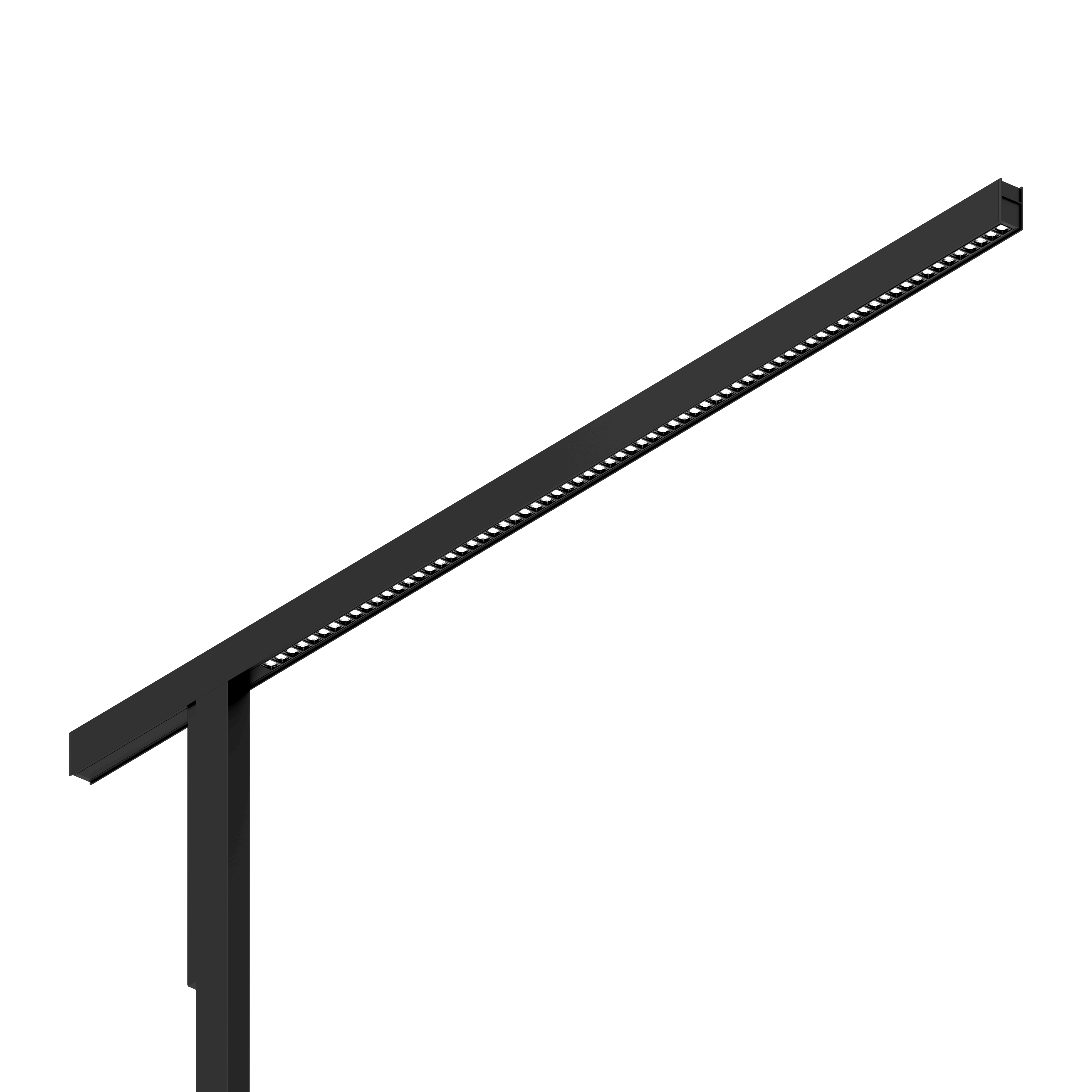
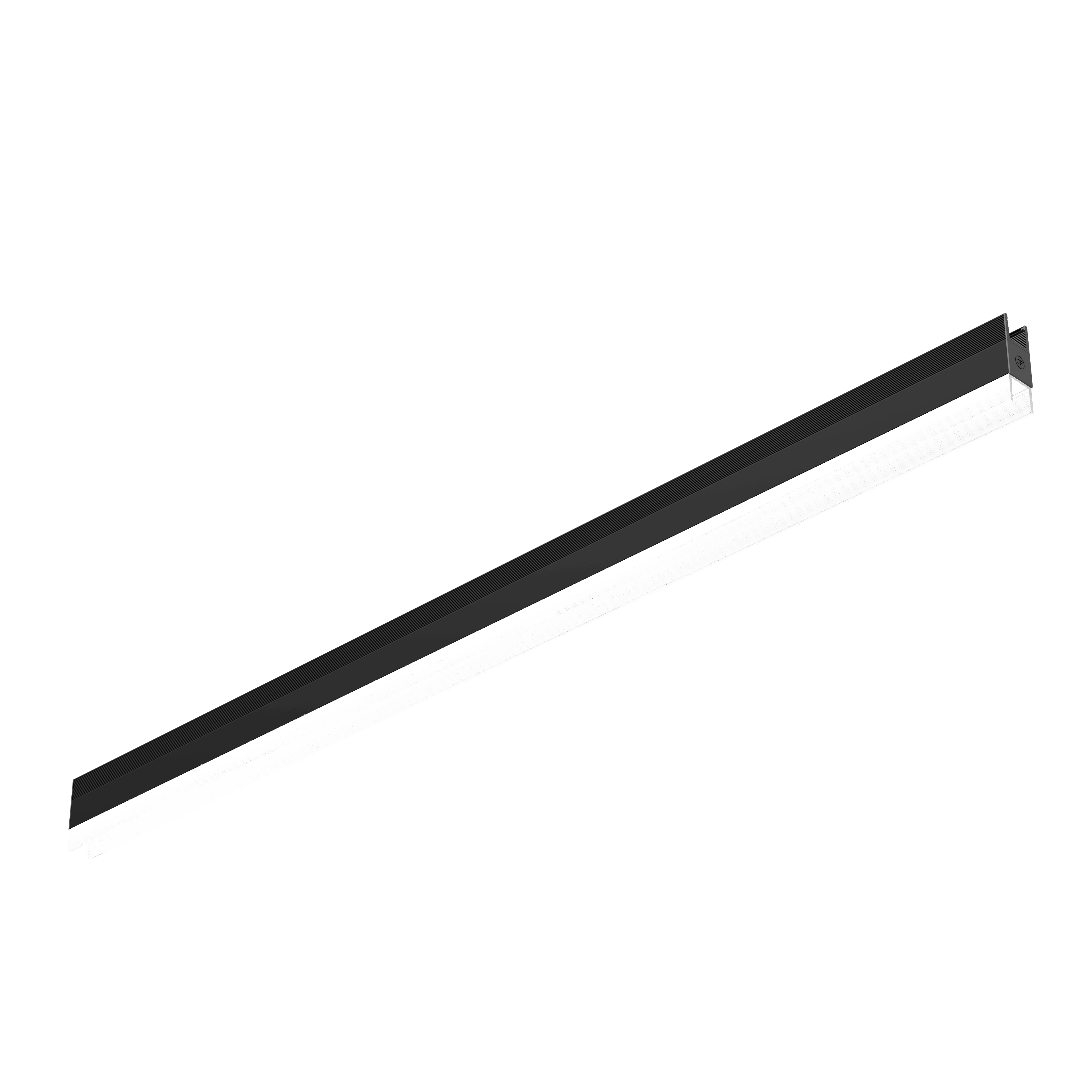
In an aisle the floor does not buy: the shelves do. BAT and BAT WD (batwing) optics distribute light sideways, onto the vertical planes of the shelves from the top shelf to the bottom, with luminaires mounted on the aisle axis; WIDE optics serve open areas, MEDIUM and NARROW the accent on counters, islands and gondola ends. Housings in extruded aluminium or painted sheet steel, diffusers in high-transparency polycarbonate or methacrylate, track systems to reposition spotlights at every planogram change.
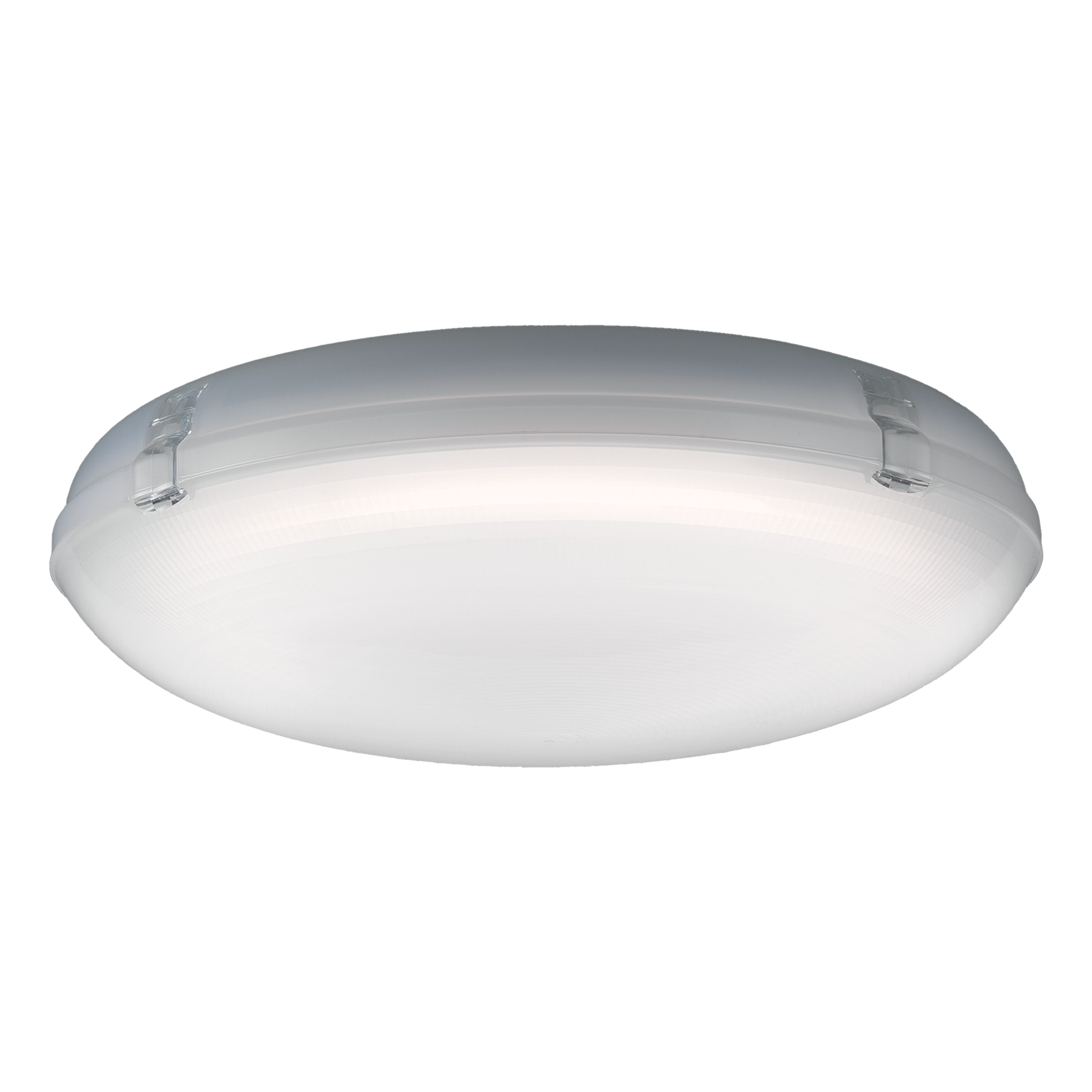
Luminaires compliant with EN 60598-1 and the requirements for premises open to the public, CE and ENEC certifications, HACCP suitability for food environments: diffusers that retain fragments in case of breakage, washable surfaces, no accumulation points. IP40 protection for the sales floor and IP65 for preparation rooms, fish counters, cold rooms, wash-down areas and back of house; versions with integrated emergency to EN 60598-2-22 for the escape routes of a building open to the public.
Four results that retail chains measure after renewing their lighting with 3F Filippi.
High colour rendering LEDs and dedicated spectra emphasise colours, textures and freshness: meat stays red, lettuce green, bread golden. It is the benefit with the most direct impact on sales in the highest-margin departments.
High efficiency, with consumption cut by 60% and more on medium and large floors compared with fluorescent and metal halide; in refrigerated counters fewer watts of light also mean less work for the compressors.
Track systems, adjustable spotlights and customisable light distributions: the light follows promotions, seasonality and refits without work on the installation. Gondola ends change every week, the spotlights follow them.
Uniform, comfortable, glare-free lighting on the routes, accents on the departments: the customer finds their way and walks the whole store, and whoever works eight hours at the tills or counters has no reflections on the scanners and no light in their eyes.
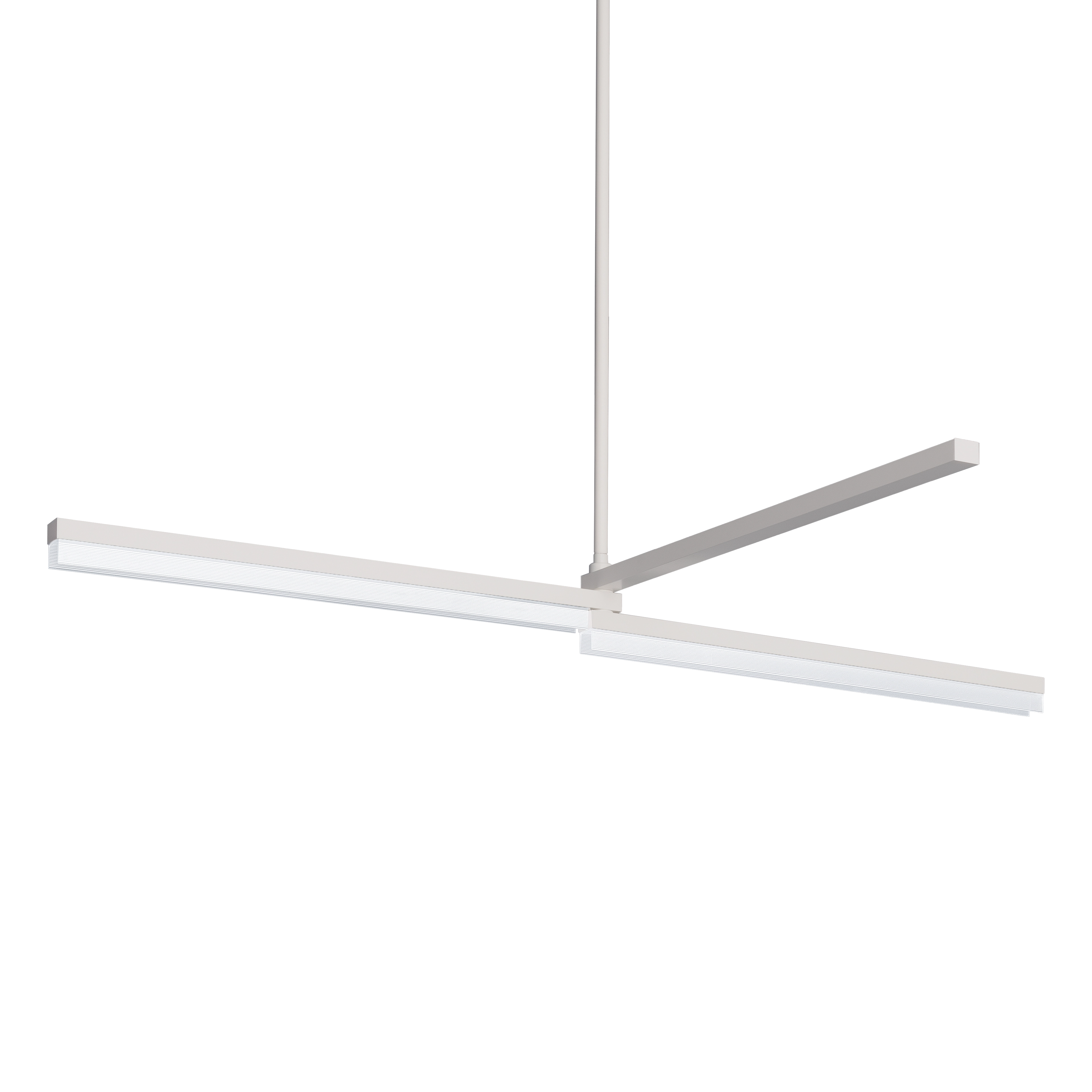
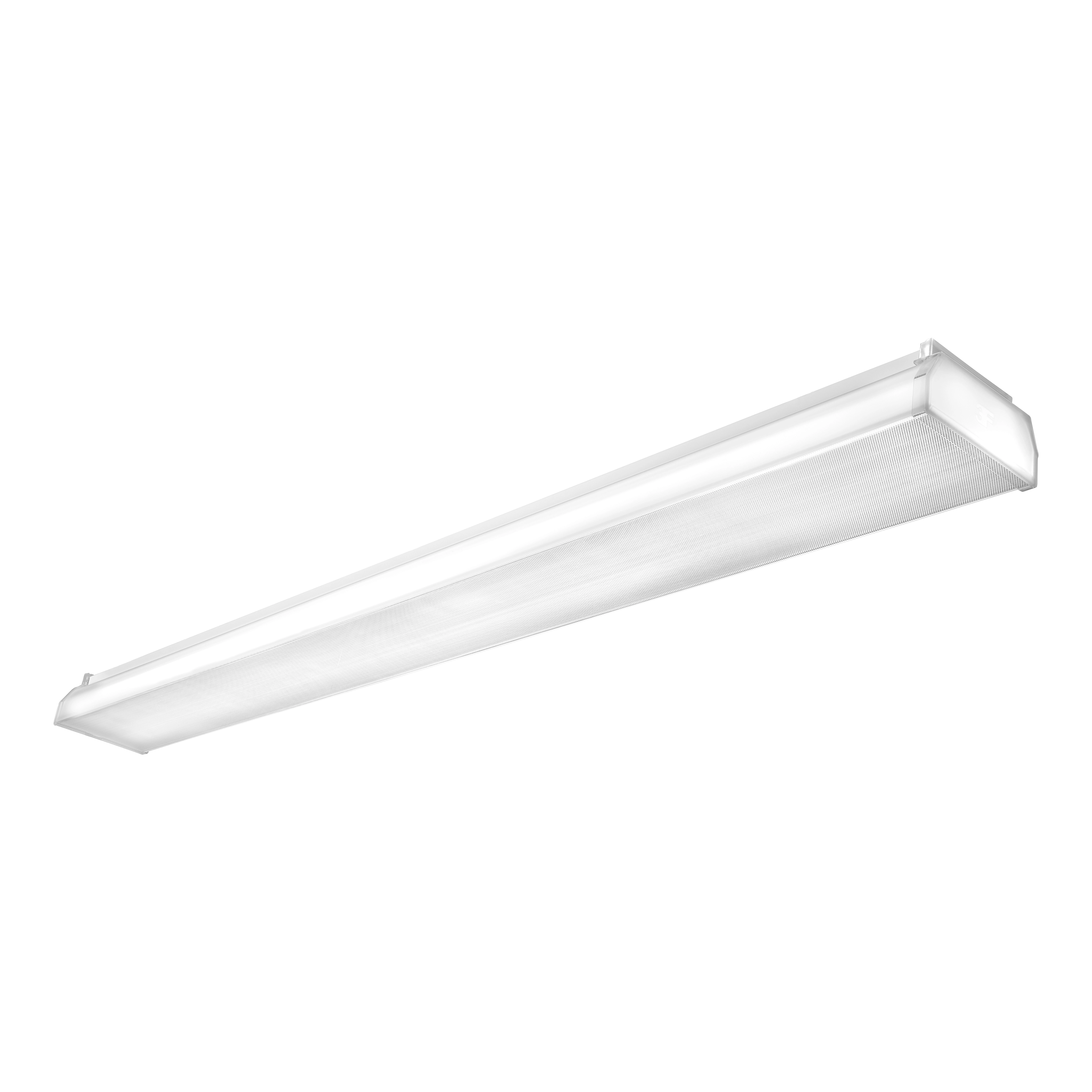
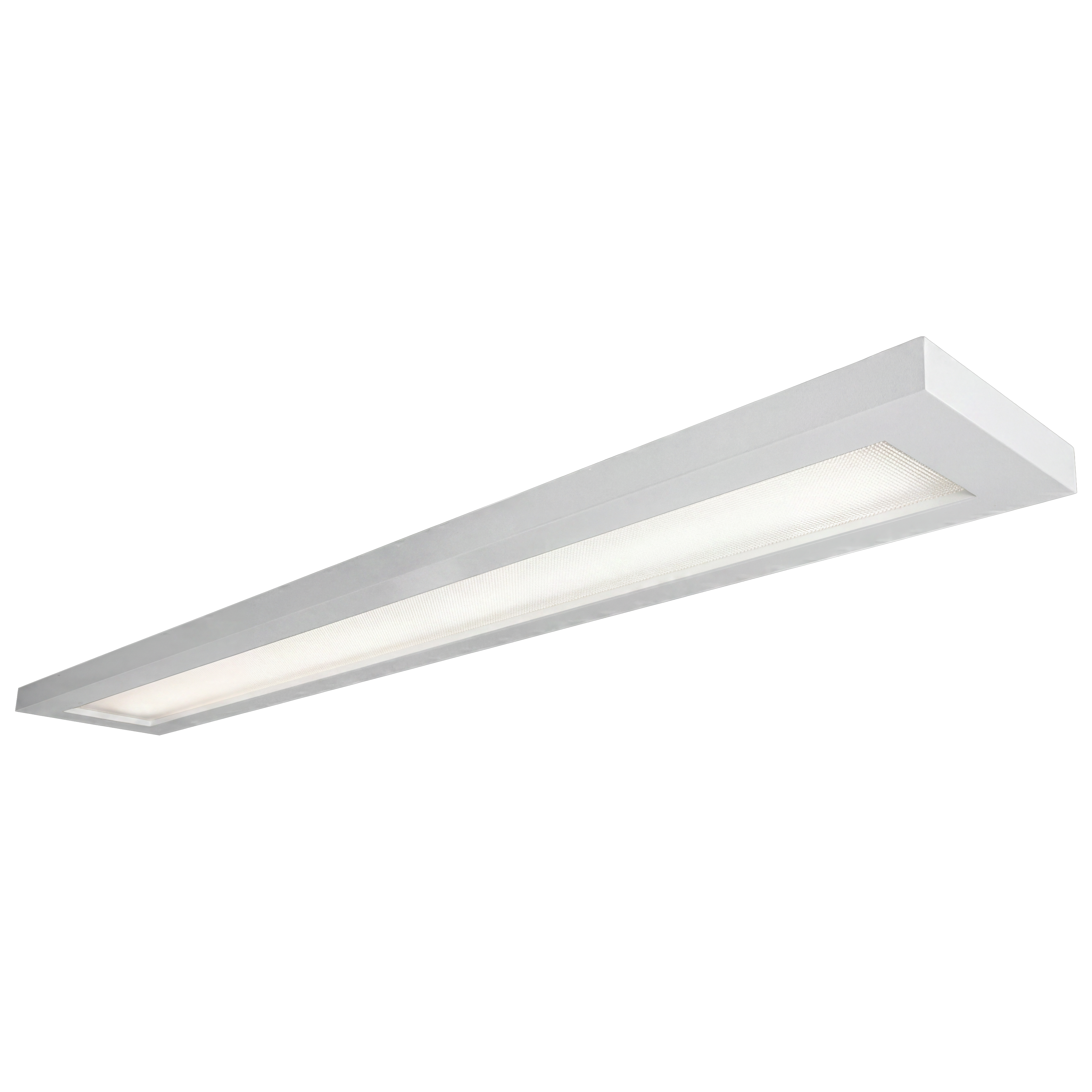
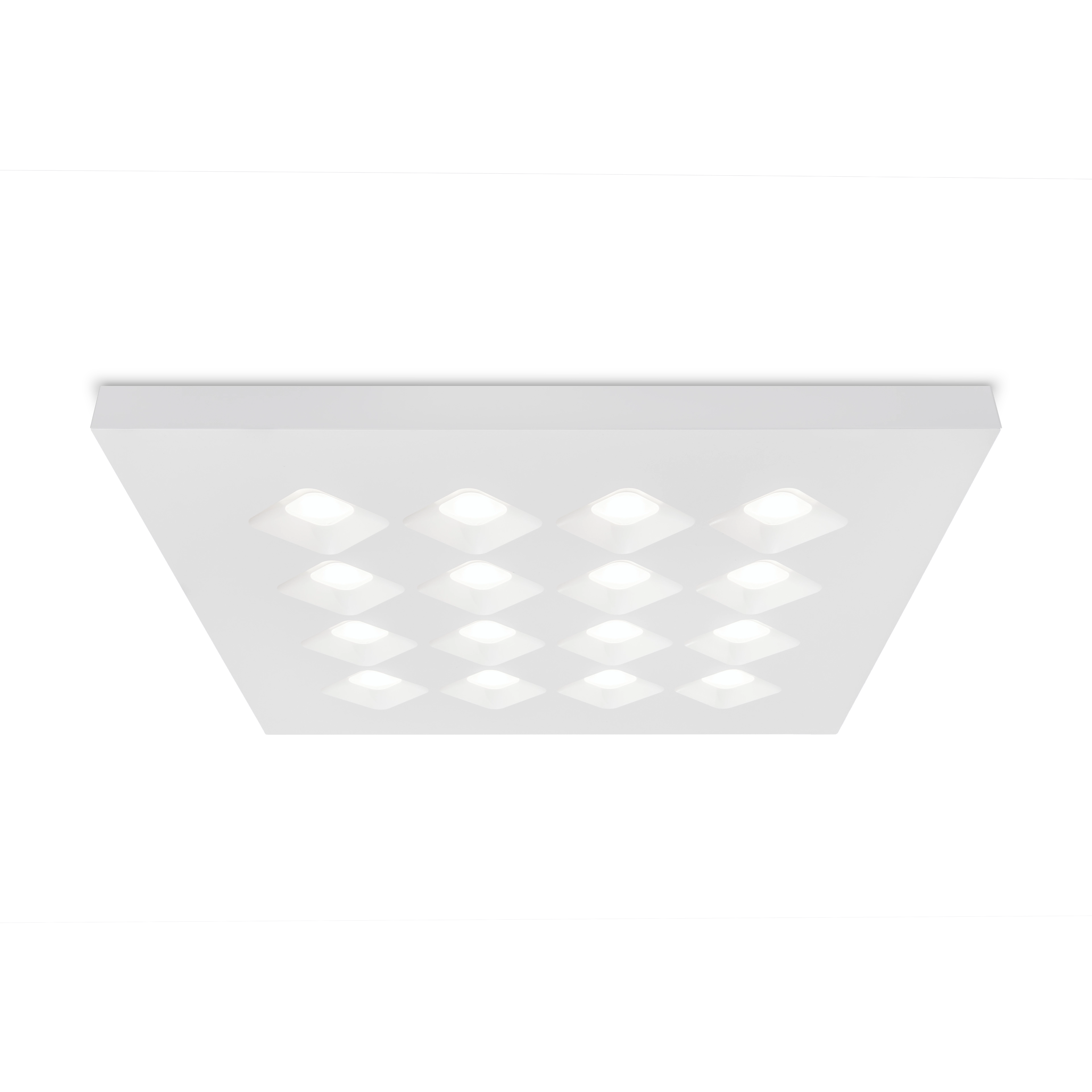
Linear luminaires with BAT optics for the aisles, track systems for fresh food and promotions, recessed fixtures and panels for tills and services, waterproof and ICE luminaires for preparation rooms and cold rooms: the range pages give available spectra, light distributions, lumen packages and calculation files.
Other ranges used in supermarket projects: Mira Wall, 3F HD R, 3F Eldorado, 3F Six R, 3F LED Panel, L 320, L 340, L 350, L 360, L 490, 3F Reno, Zero 3F Track, 3F Zeta Track, 3F Linux, Binario 3F, 3F Mirella, 3F Mirella Floor, 3F Filoluce, 3F C8, Lucequadro.
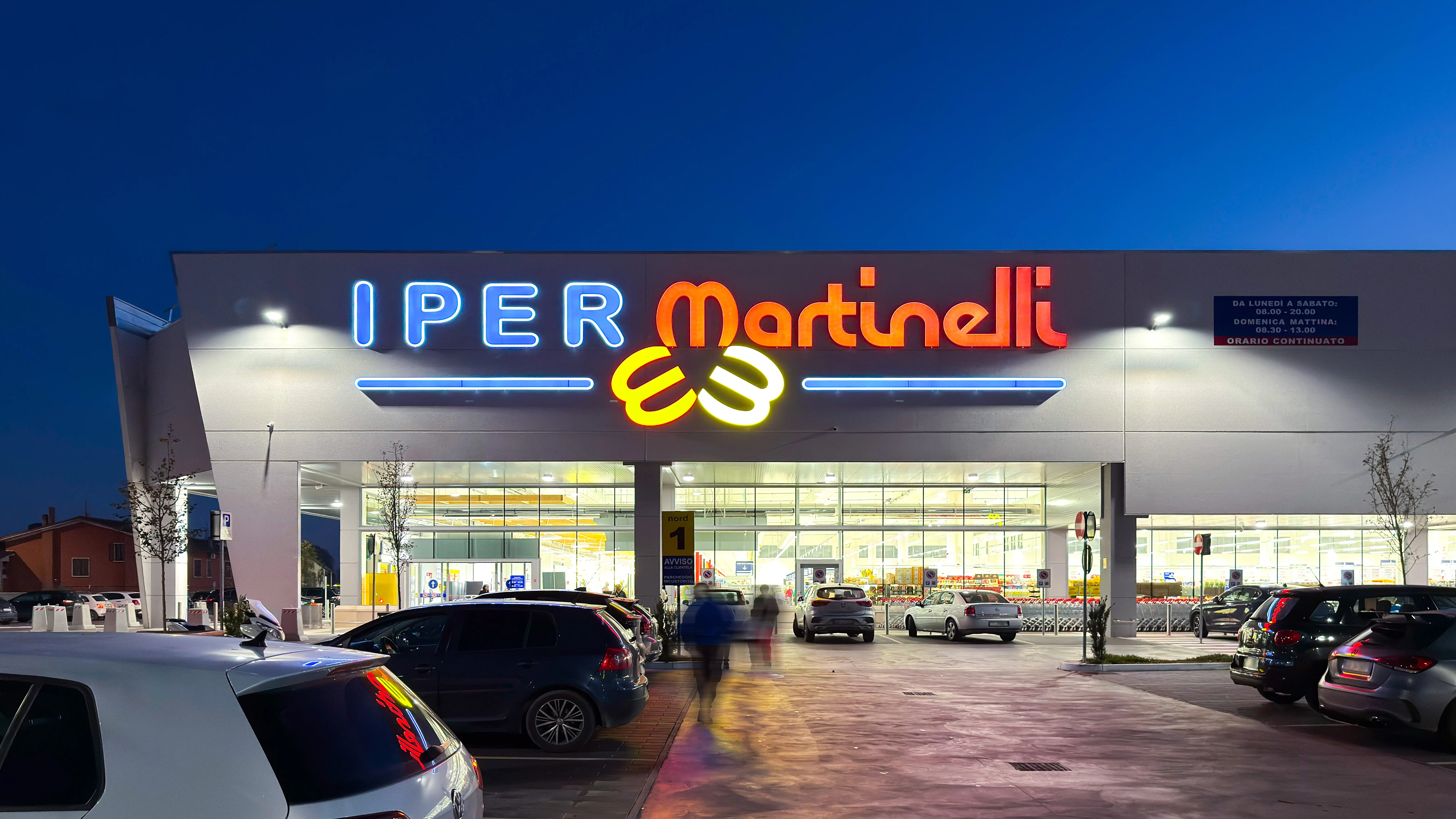
Two hypermarkets where the light was designed department by department, from the fresh food counters to the tills.
It must guarantee high colour rendering, uniform light, dedicated optics and visual comfort. The goal is to enhance products and guide the customer to the purchase naturally: LED spectra calibrated for fresh food, light on the aisle shelves rather than the floor, accents on promotional areas, uniform and glare-free tills and routes, luminaires certified for food environments and suited to the cold of counters and cold rooms.
Yes. The range includes specific solutions for aisles, fresh food counters, promotional areas, entrances, windows and till areas, ensuring the right lighting at every point of sale: linear luminaires with batwing optics for shelving, track spotlights with CRISP, MEAT and BREAD LEDs for fresh food, ICE versions for refrigerated counters and cold rooms, IP65 and HACCP luminaires for preparation rooms and back of house, panels and recessed fixtures for tills and services.
Yes. 3F Filippi LED solutions drastically reduce consumption and maintenance costs, with a fast return on investment especially on large floors with continuous use. A supermarket lit 14 hours a day, 7 days a week, cuts lighting consumption by 60% when moving from fluorescent and metal halide to LED, and in refrigerated counters it also reduces the refrigeration load. With the controls described on the smart lighting page the saving grows further.
They are LED sources with a spectrum calibrated for one category of products. CRISP enhances the saturation of the greens, reds and yellows of fruit, vegetables and packaged goods while keeping a neutral white; MEAT has a reinforced red component that returns the natural colour of fresh meat and charcuterie without making them look artificial; BREAD is a warm white that gilds crusts and pastry. They are used on fresh food counters and islands, always with high colour rendering and SDCM 3 tolerance so that two neighbouring spotlights do not differ.
Because in an aisle the goods are on the vertical shelves, not on the floor. A luminaire with direct downward emission lights the floor well and leaves the low and high shelves in shadow; the batwing optic (BAT / BAT WD) has two side lobes that bring light onto the shelf faces on both sides of the aisle, with uniform vertical illuminance from the top shelf to the bottom. The luminaire is mounted on the aisle axis, and with the typical aisle widths of supermarkets fewer luminaires are needed than with a diffusing optic.
With ICE luminaires, qualified to operate at low temperatures — down to −40 °C in cold rooms — and with components unaffected by condensation: 3F Tank ICE for cold rooms and refrigerated warehouses, ICE versions of spotlights and linear luminaires above counters and multideck cabinets. In counters the light must be designed with the refrigeration engineer: efficient luminaires with high output at low wattages reduce the heat to remove, and CRI 90 spectra with dedicated LEDs make products attractive even behind glass. Adjacent preparation rooms need IP65 luminaires suitable for HACCP.
Floor plan with the layout of departments and aisles, heights and format: our technical department prepares the lighting design with spectra, optics, illuminance levels and the luminaire schedule. No obligation.