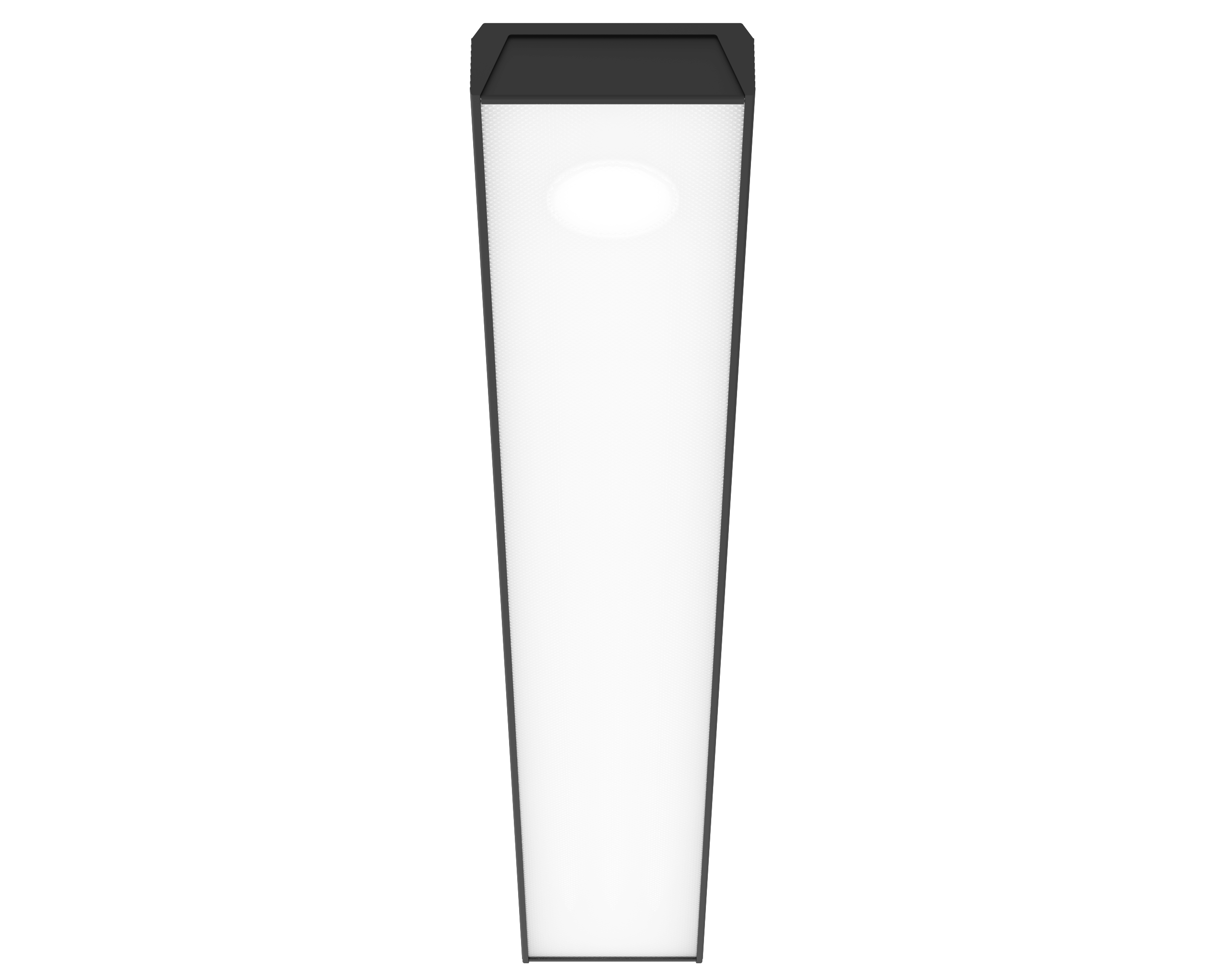
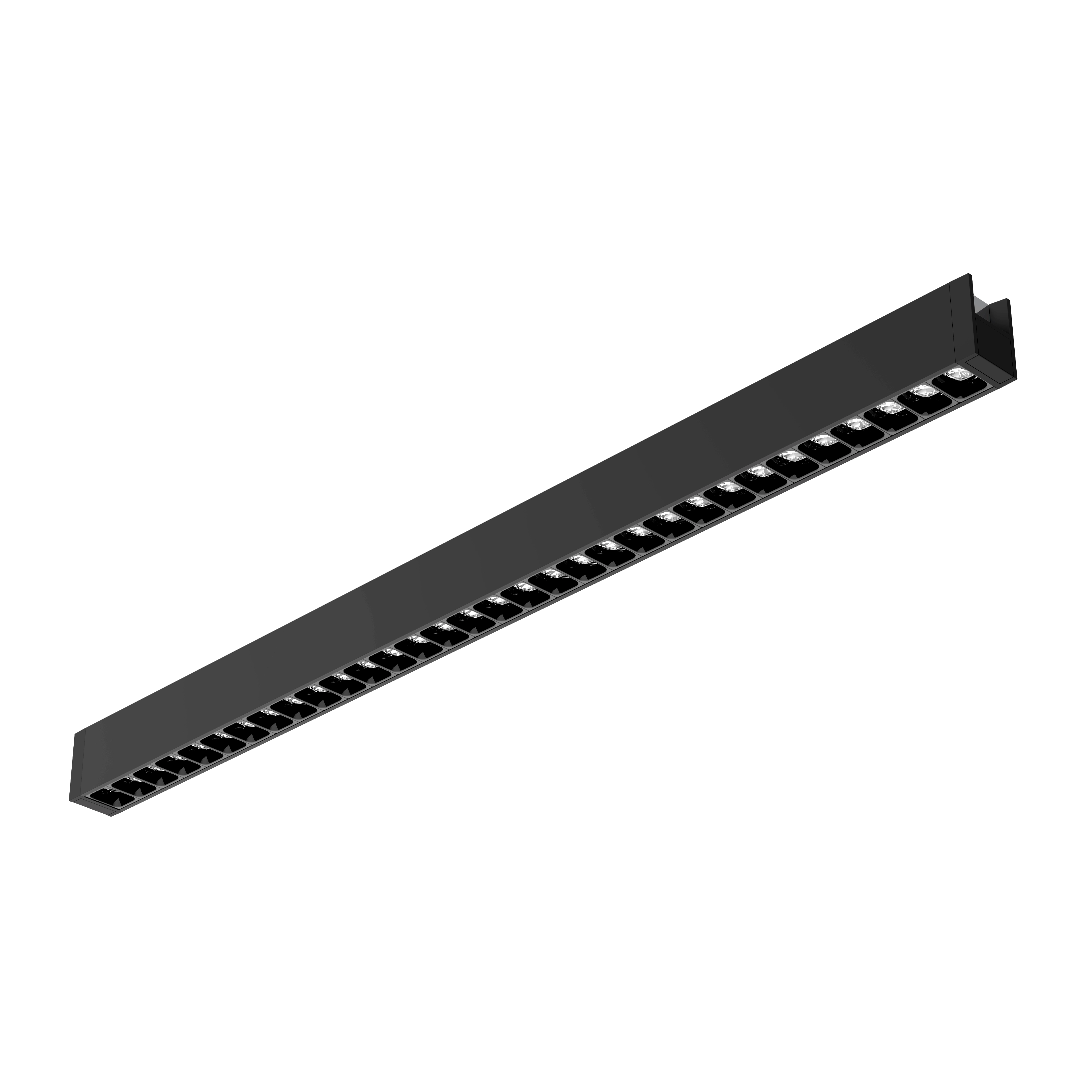
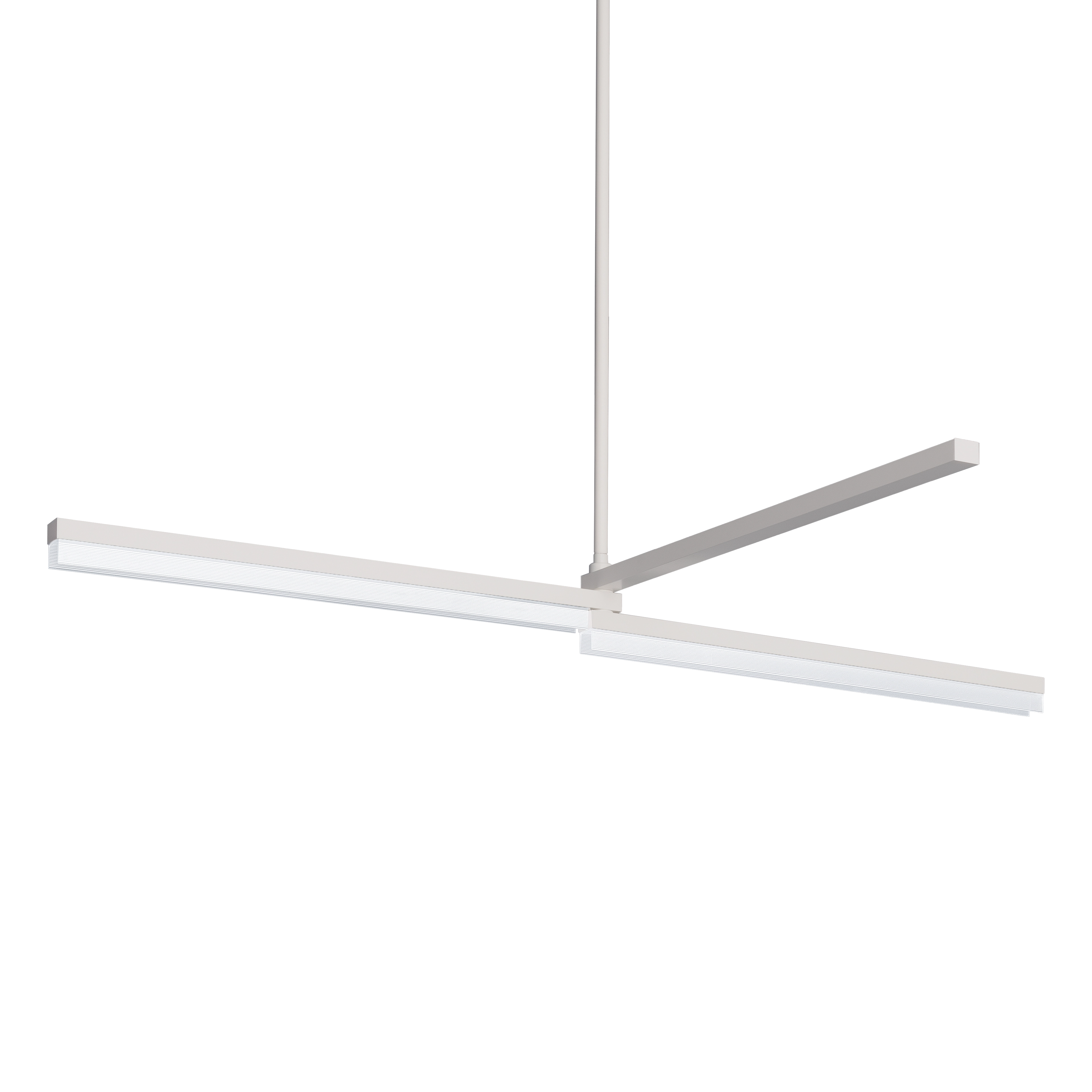
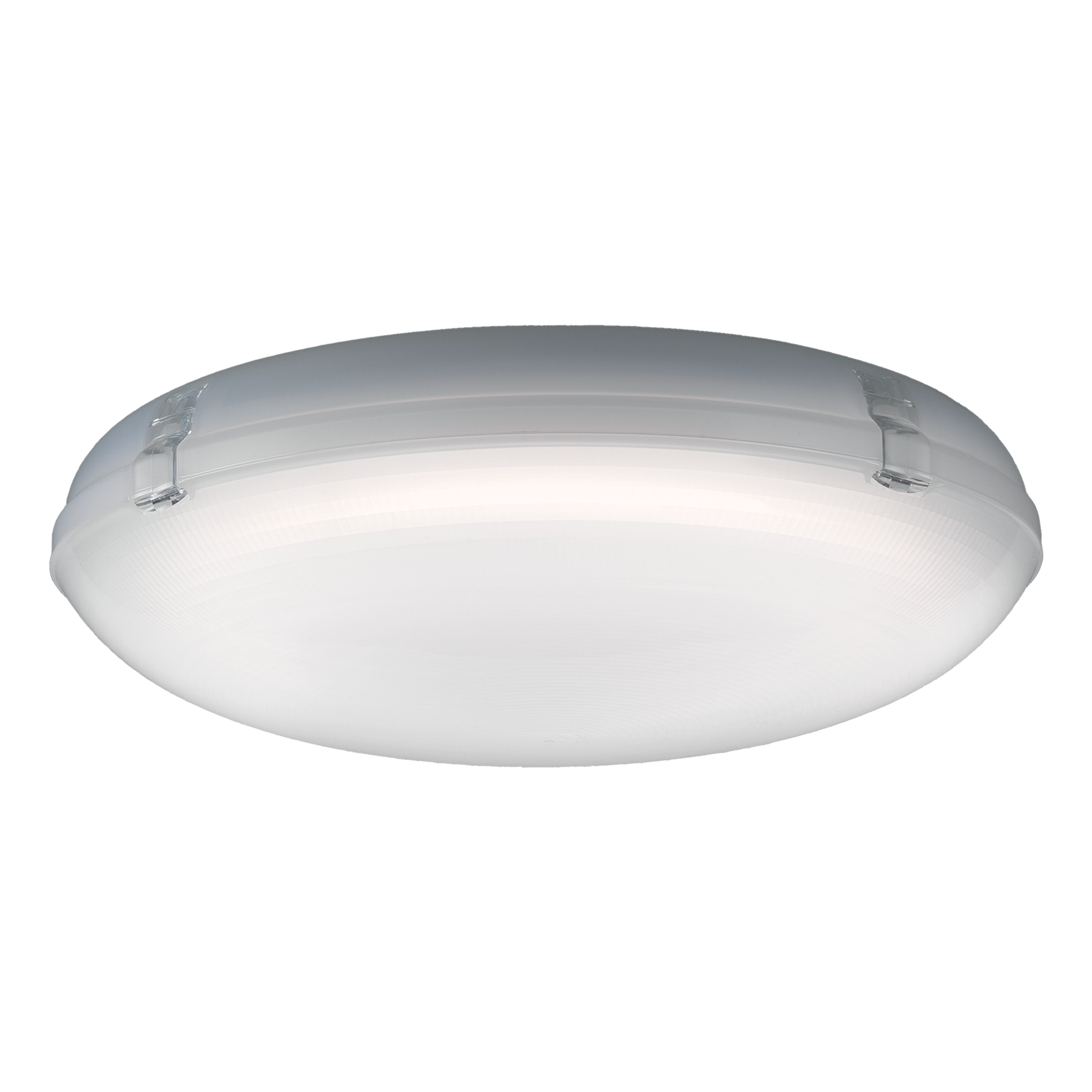
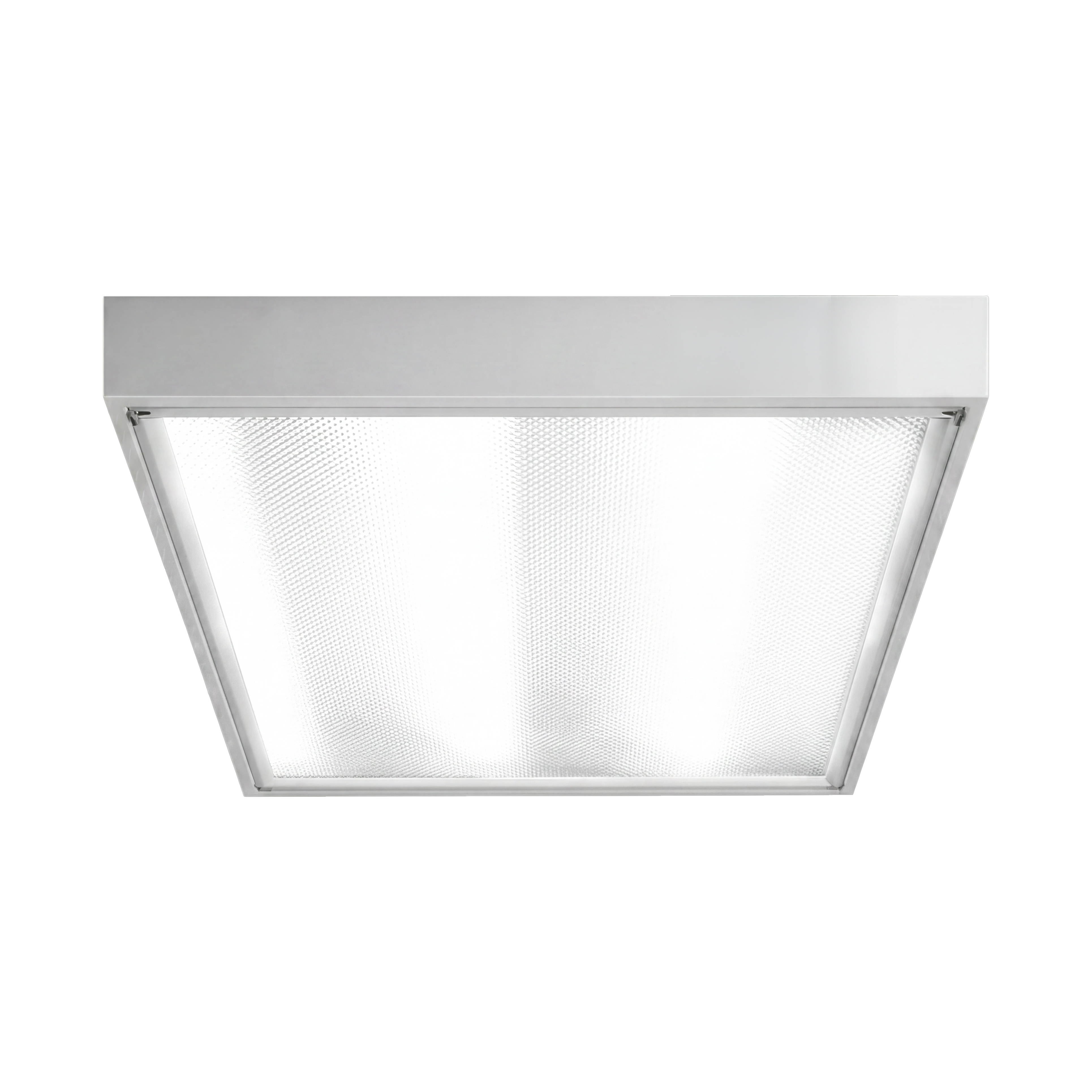
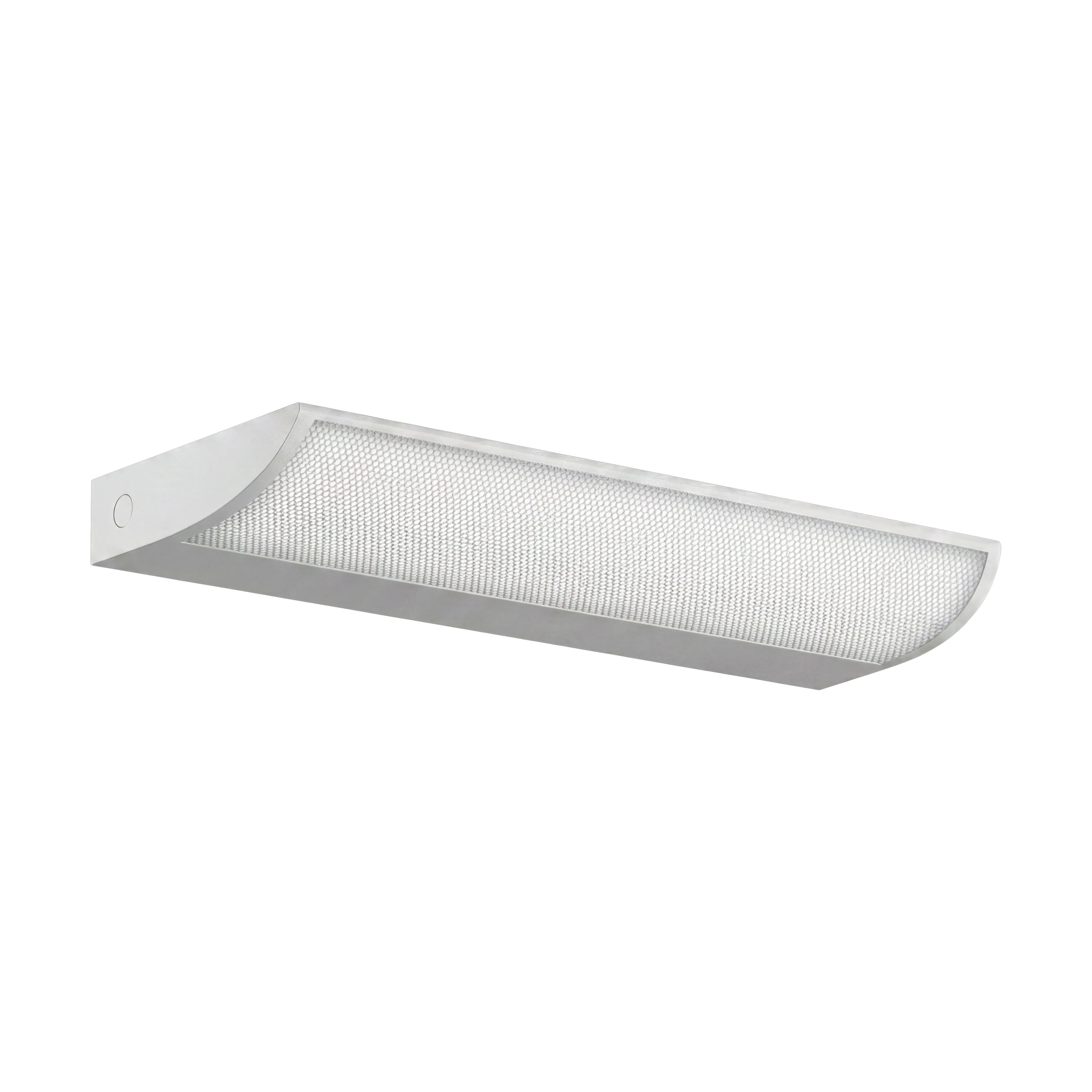
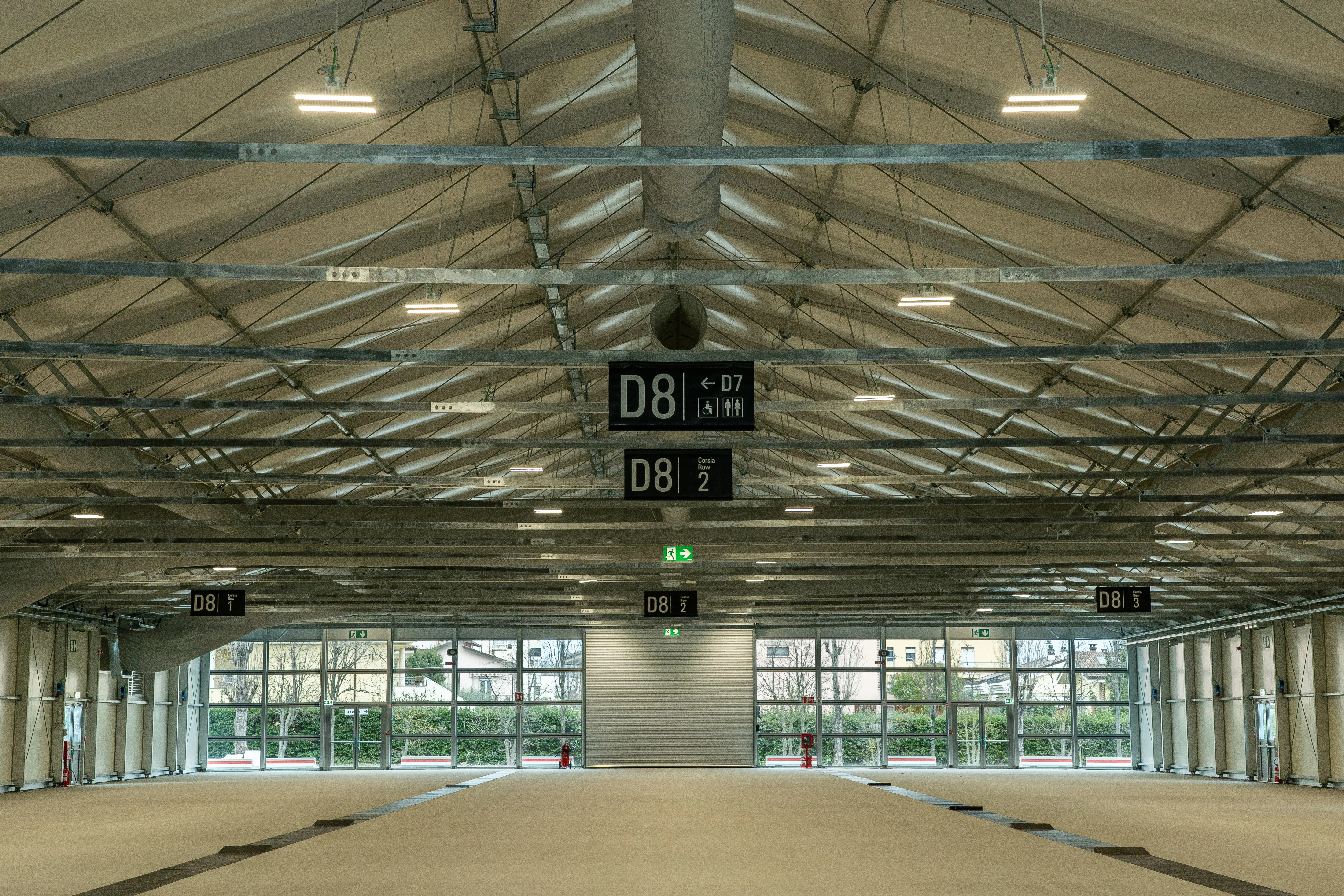
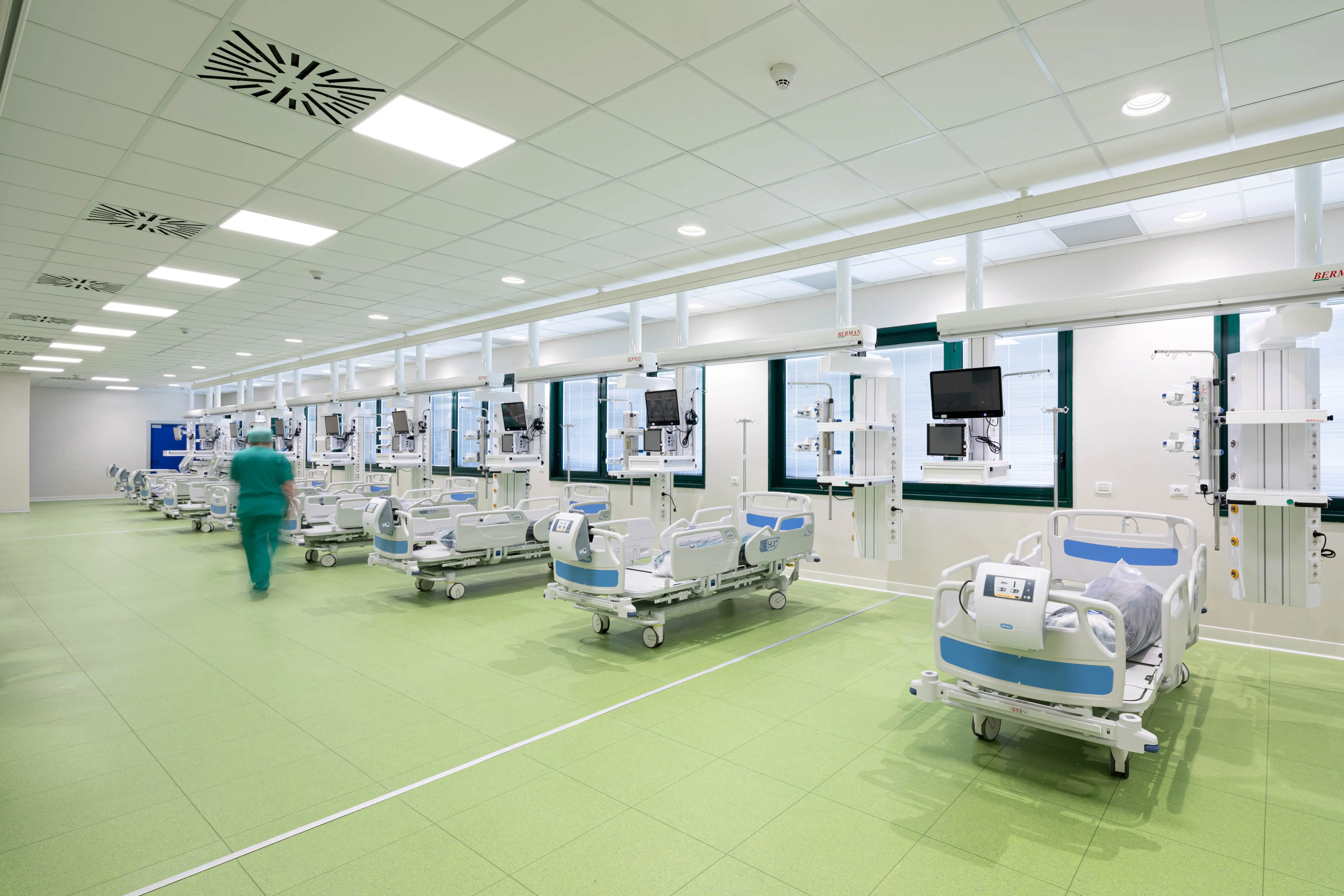
The difference between a generalist catalogue luminaire and a professional technical luminaire is not visible in the photo: it shows in the lighting calculation, in the site verification and in the ten years that follow. A technical luminaire has an optic — lens, reflector, microprismatic screen — designed for a precise distribution: batwing for a shelf, asymmetric for a whiteboard, narrow for a hall at 14 metres, low-luminance for those looking at the ceiling from a hospital bed. It has a source with declared colour rendering and colour tolerance maintained over time, a housing with the IP and IK ratings the environment requires, and a driver that dims, integrates and reports its own diagnostics.
3F Filippi professional technical lighting solutions are designed to guarantee high performance, light control and maximum efficiency in the most demanding environments: professional LED luminaires with advanced optics and lenses for industrial, retail, office, educational, hospital, service-sector and large-infrastructure applications, designed and manufactured in Italy for over seventy years, with a lighting design department that sizes every installation on the sector standards.
For every sector you will find here the requirement that decides the design and, in the applications section, the link to the reference page: industry, retail, offices, healthcare and schools. Each one leads on to the pages on individual environments, smart lighting and relamping.
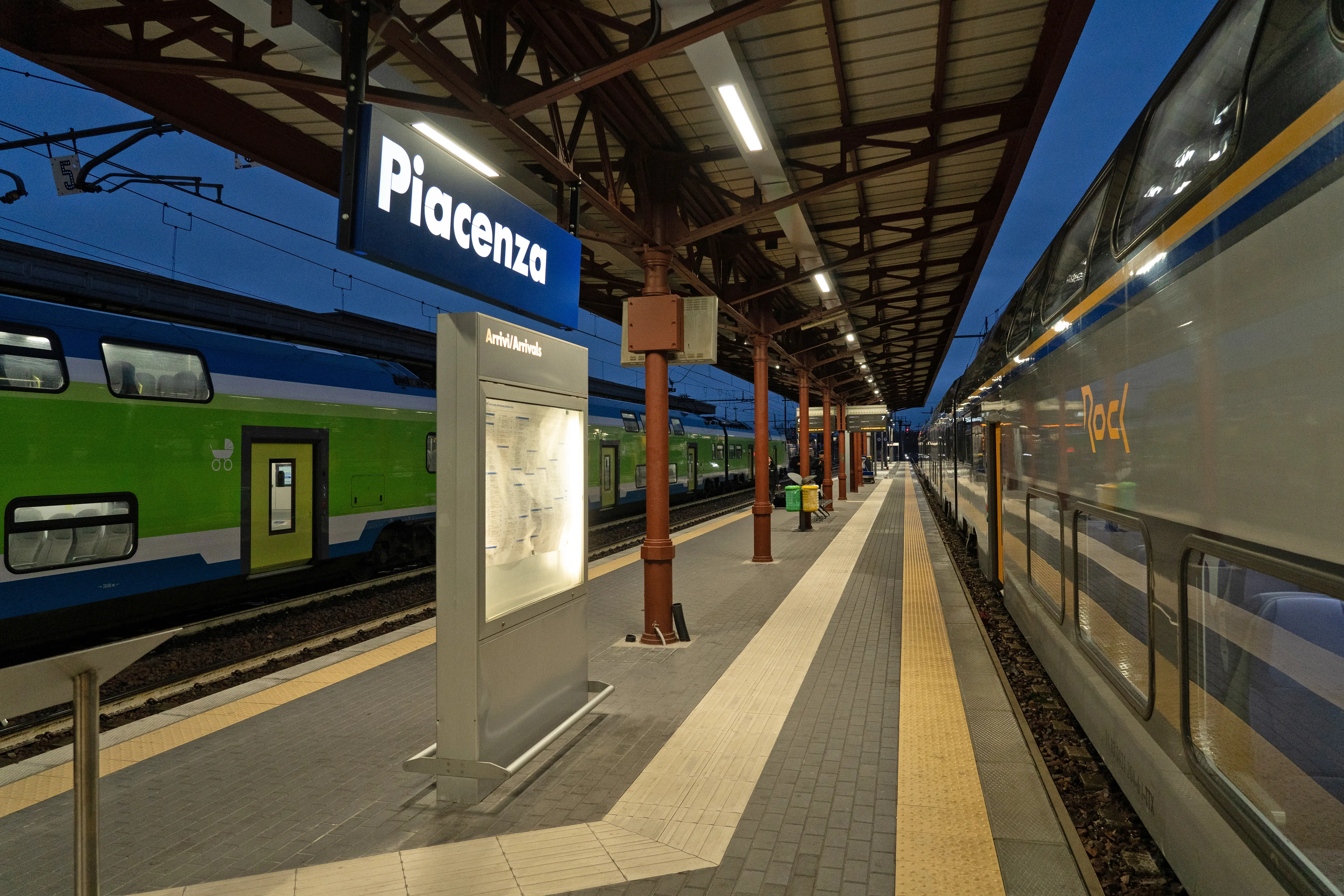
EN 12464-1 sets illuminance, uniformity, UGR and minimum colour rendering for every type of space; but every sector has one extra requirement — the one that, if wrong, makes the rest useless. The table summarises it for the sectors 3F Filippi serves, with the reference standards and the type of luminaire that answers it.
| Sector | The requirement that decides the design | Reference standards and certifications | What the luminaire needs |
|---|---|---|---|
| Industry and logistics | Output and optics for great heights, resistance to harsh environments, continuity | EN 12464-1, EN 60598-1, EN 60598-2-22, ATEX | Up to 40,000 lm, lenses for 10–14 m, IP65/IP66, −30/+70 °C, integrated emergency |
| Supermarkets and retail | Colour rendering and spectra by merchandise, accent and display flexibility | EN 12464-1, EN 60598-1, HACCP | CRI ≥ 90, CRISP/MEAT/BREAD LEDs, BAT and adjustable optics, track, ICE |
| Offices and service sector | Visual comfort on screens and daylight dimming | EN 12464-1 (UGR ≤ 19, luminances), EN 15232 | LGS microprismatic screens, Tunable White, DALI-2, sensors |
| Healthcare and care facilities | Cleanability, light for diagnosis and for sleeping, continuity in medical locations | EN 12464-1 healthcare, EN 60598-2-22, medical location standards | Laminated glass, IP65, IK10, UGR < 19, night light, Tunable White |
| Schools and university residences | Comfort for eight hours, whiteboard, robustness, public procurement requirements | EN 12464-1 schools, CAM, GPP environmental criteria | UGR < 19, asymmetric optics, IK10, sensors, green procurement documentation |
| Large commercial spaces and infrastructure | Great heights, daylight, wayfinding and public safety | EN 12464-1, EN 1838, EN 60598-2-22 | Continuous lines, high output, low luminance, DALI, emergency |
| Sport and sports centres | Uniformity and no glare for play, impact resistance | EN 12193, EN 60598-1 | IK10 ball-proof, optics for the field of play, high output |
| Outdoor, car parks and technical areas | Water and weather tightness, safety of routes, efficiency | EN 13201, EN 60598-1 | IP66, IK10, road and area optics, dusk sensors |
Three parameters cut across all sectors and are the ones that separate a technical luminaire from a standard one: the initial colour tolerance SDCM 3 (MacAdam ellipses), which guarantees the same tint along a row of fifty luminaires and across batches installed months apart; flicker, which a professional driver keeps below perceptible thresholds even when dimming; and the declared lumen maintenance (L80/L90 at tens of thousands of hours), on which the design's maintenance factor is calculated.
Source, materials and safety: what a professional specification contains and how 3F Filippi luminaires meet it.
High-efficiency LED sources with colour rendering index CRI ≥ 80 and CRI ≥ 90 and colour temperatures from 2700 K to 6500 K, also available with Tunable White and HCL (Human Centric Lighting) technology for dynamic light management over the course of the day. Dedicated spectra for food products, versions for low and high temperatures, initial colour tolerance SDCM 3. Efficacies above 150 lm/W in the industrial ranges, low-flicker drivers dimmable from 0.1 to 100%.
Housings in aluminium or steel, extruded, die-cast or pressed and painted; screens in polycarbonate, methacrylate or glass, opal or clear, prismatic or microprismatic for optimal luminance control; optics in polycarbonate or methacrylate, opal or clear, prismatic or microprismatic for maximum control of light distributions — wide, medium, narrow, batwing, asymmetric — combinable to achieve the required uniformity with the fewest lighting points. Protection ratings from IP20 to IP66 and impact resistance up to IK10.
Luminaires compliant with EN 12464-1 for the lighting of workplaces, EN 60598-1 for luminaires up to 1,000 V and EN 60598-2-22 for emergency luminaires; CE, ENEC, CAM, LEED and ATEX certifications according to range and application. Compatibility with DALI and DALI-2 management systems, presence and light sensors, Bluetooth and monitoring platforms, for dynamic scenes and integration with building management.
The four benefits that designers, contractors and clients report with 3F Filippi luminaires.
Professional optics and lenses with dedicated light distributions: the light reaches where the task requires it — on the shelf, the whiteboard, the couch, the field of play — and not on the floor or in the eyes. It is the difference between an installation that reaches the standard values and one that wastes them.
High efficiency that reduces consumption and operating costs: −60/−70% compared with traditional technologies, over 80% with controls, in buildings lit 8 to 24 hours a day. With the documentation that funding schemes, green procurement and environmental certifications require.
DALI, Bluetooth, integrated sensors: advanced management and dynamic scenes — presence, daylight, Tunable White, consumption monitoring — with open protocols that do not tie the installation to one supplier and integrate into the building management system.
Robust materials and long LED life, ideal for use in environments requiring high operating hours: hospitals, supermarkets, three-shift plants, stations. Italian manufacture, spare parts available over time and a technical department that follows the project from calculation to commissioning.
Each reference page leads on to the in-depth pages of its sector: individual environments, smart lighting and relamping. The full list of guides is on the Lighting solutions page.
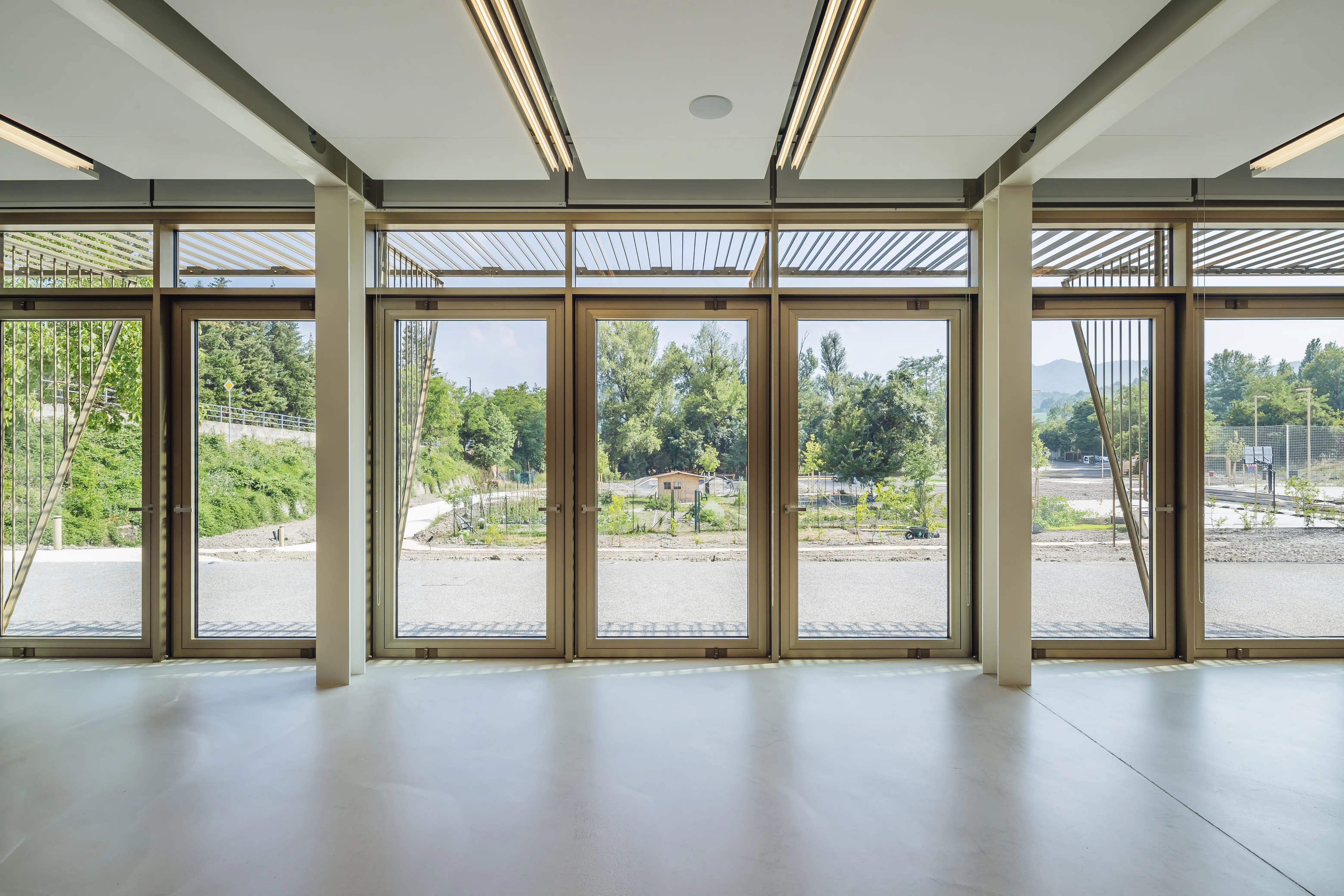
From high bays for great heights to light lines, from recessed luminaires for operating theatres to track spotlights, from ATEX waterproof luminaires to Tunable White systems: the ranges covering all the sectors on this page. The range pages give optics, lumen packages, IP and IK ratings, DALI and emergency versions, certifications and files for lighting calculation.
Other ranges in the technical catalogue: 3F Eldorado, 3F Six R, 3F LED Panel, 3F Dìagon, L 320, L 340, L 350, L 360, L 490, L 560, L 600, L 650, 3F Reno, Zero 3F Track, 3F Zeta Track, 3F Linux, 3F Six, Binario 3F, 3F Rio, 3F Rover, 3F Tank, Beta 500, 3F Linda, 3F LEM, Beta 235, Beta i3F, 3F Cub, Retrofit Beta A3F-i3F, Retrofit Beta 430, Retrofit 3F Cub, Retrofit 3F Linda, 3F Manta, 3F X8 Rail, 3F FS PC, 3F Metro, Beta A3F Fosse, 3F Mirella, 3F Mirella Floor, 3F Filoluce, 3F C8, P 250, Lucequadro, 3F Emilio Track, 3F 66, 3F Fosse.
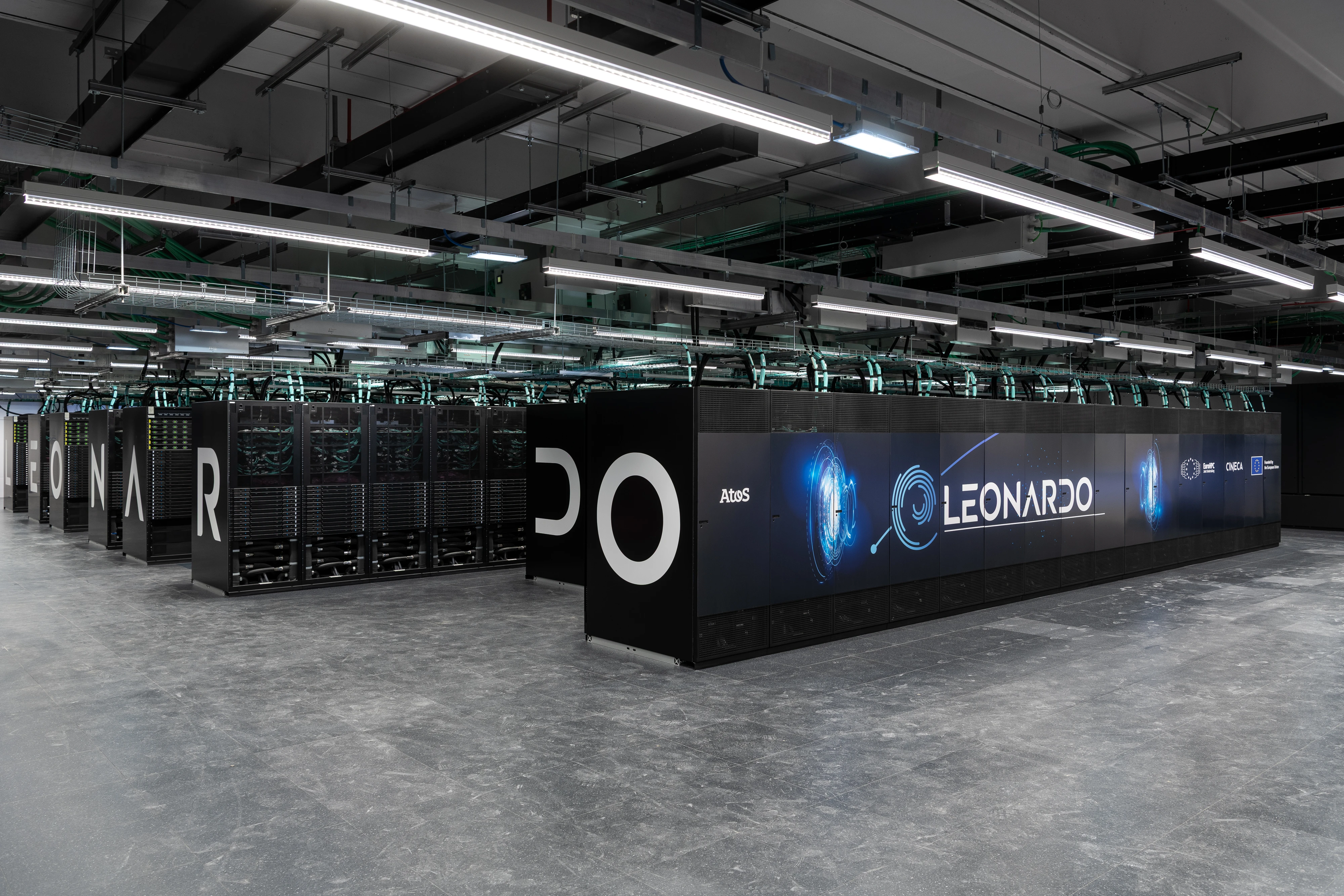
A supercomputer, an exhibition centre and a hospital: three complex environments where the light was designed on the requirements of the task.
Professional technical lighting offers tailored lighting solutions, designed to meet any design requirement and guarantee optimal performance, reliability and quality even in complex or highly critical contexts. In concrete terms: optics designed for a precise distribution instead of a generic diffuser; declared and maintained colour rendering and colour tolerance (CRI ≥ 90, SDCM 3); IP and IK ratings suited to the environment; dimmable, low-flicker, integrable drivers; third-party certifications such as ENEC; a lighting calculation that sizes the installation on the standard values; and spare parts and support available for the life of the installation.
It guarantees superior light quality thanks to high colour rendering LEDs, dedicated optics and accurate luminance control. This ensures sharper visibility, faithful colour perception and optimal conditions for technical or precision activities: reading skin colour in a consulting room, checking a fabric in a workshop, telling wires apart in a panel, judging the freshness of food. And it does so without glare — UGR below the standard limits — and without flicker, with the same tint on every luminaire in the installation.
Yes. 3F Filippi provides a technical department specialising in lighting studies, consultancy and optimal sizing for any professional application: from the site survey with measurements of the existing installation to the calculation on the values of EN 12464-1 and the sector standards, from the choice of luminaires with the documentation for specifications, tenders and green procurement to the final lighting verification. The support is free and without obligation for designers, contractors and clients.
They are the three light quality parameters. CRI (colour rendering index, 0–100) says how faithfully a source renders colours: ≥ 80 for workplaces, ≥ 90 where colour matters. SDCM (Standard Deviation of Colour Matching, in MacAdam "steps") measures the colour tolerance between one luminaire and another: 3 steps are imperceptible, 5 or more show along a row of luminaires. UGR (Unified Glare Rating, 10–30) measures glare: ≤ 19 for offices, classrooms and wards, ≤ 22 for retail and industry, ≤ 25 for corridors and warehouses. A professional data sheet declares all three, with the photometric curves and the calculation files.
Yes. 3F Filippi luminaires are available with DALI-2 and D4i drivers — the open, interoperable protocol for dimming, scenes and diagnostics — with Bluetooth modules for retrofits without cabling, and with integrated presence and light sensors. Through gateways they connect to building management systems (BACnet, Modbus, KNX) and monitoring platforms, for time scheduling, daylight dimming, Tunable White and predictive maintenance. The automation level achieved is class A to EN 15232-1.
CE marking is mandatory; ENEC certification, issued by a third-party body, attests compliance with the EN 60598 safety standards with laboratory tests and production surveillance, and is required by most public specifications. Public buildings in Italy need CAM documentation and, where the building is certified, LEED credits; explosive atmospheres need ATEX certification; food environments need HACCP suitability; emergency lighting needs compliance with EN 60598-2-22. The 3F Filippi range pages list the certifications available for each version.
Whatever the sector, the starting point is the same: floor plans, room uses and requirements. Our lighting design department prepares the study with levels, UGR, colour rendering, controls and the luminaire schedule, with the documentation for specifications and tenders. No obligation.